Free things to do in Toronto
What can I do for free in Toronto?
Walk the harbourfront and High Park, browse Kensington Market and the Distillery District, and check the AGO's free evening hours — the Toronto Islands ferry is the one small cost worth paying, at under $10 CAD round trip.
A surprisingly deep list once you know where to look
Toronto’s paid attractions get most of the attention, but the city has a genuinely strong roster of free things to do once you factor in its parks, ravine trails, and neighborhood strolls — the kind of city where a full day’s itinerary can cost close to nothing beyond transit and food. This guide sticks to what’s actually free, or close enough to it that it barely counts (the Toronto Islands ferry, at under $10 CAD round trip, makes the cut given how much it unlocks).
| Cost | $0, except the Toronto Islands ferry (around $9.57 CAD round trip) |
| Best time | May–September for outdoor spots; galleries and markets work year-round |
| Getting around | TTC day pass is around $13.50 CAD if you’re covering several neighborhoods |
| Time needed | A full day for the waterfront-to-Kensington loop; half-days for individual pockets |
| Booking | None needed — walk-up, except checking AGO’s free-evening schedule ahead |
Free doesn’t mean low-effort or low-reward here — several of the entries below (Scarborough Bluffs, the ravine system, Graffiti Alley) are attractions that genuinely rival paid options for visual impact, and simply happen not to charge admission because they’re public land or public art rather than curated experiences. See the full things to do in Toronto guide for how these free options fit alongside the city’s paid attractions in a broader itinerary.
The waterfront and Harbourfront Centre
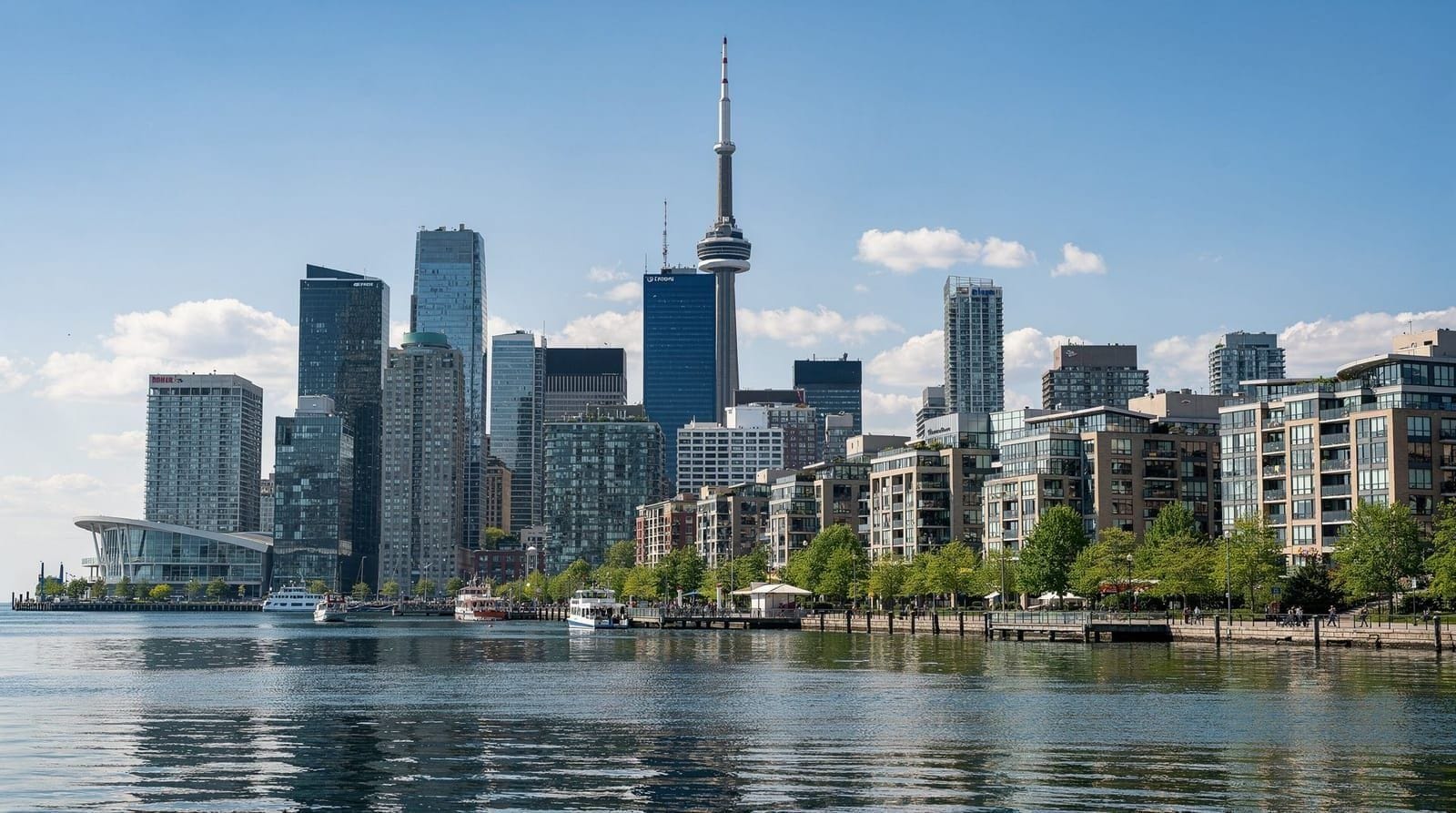
Toronto’s lakeside promenade, running from the ferry terminal past Harbourfront Centre toward Ontario Place, is free to walk end to end and consistently one of the most pleasant parts of the city in warm weather — public art installations, splash pads, and a steady stream of buskers and small events in summer. Harbourfront Centre itself runs a regular calendar of free outdoor concerts, markets, and festivals, particularly through the warmer months; checking the schedule before you go can turn a simple walk into something with an actual event attached.
Kensington Market and Chinatown
Both neighborhoods cost nothing to explore, and the appeal is entirely in the wandering — vintage shops, produce stalls, murals, and a genuinely eclectic mix of Caribbean, Latin American, and Asian grocers packed into a dense few blocks. Add St. Lawrence Market’s covered building, itself free to browse (you only pay for what you buy), for a strong self-guided food-and-culture afternoon that costs nothing beyond whatever snacks you pick up along the way.
High Park
Toronto’s largest and most varied park offers hiking-adjacent trails, a free zoo (bison, capybaras, and other species suited to the climate), extensive playgrounds, and — for a roughly two-week window in late April to early May — a cherry blossom bloom that draws crowds rivaling any paid attraction in the city. See the High Park trails guide for a route that covers the park’s quieter corners beyond the crowded cherry-blossom grove.
Toronto’s ravine system
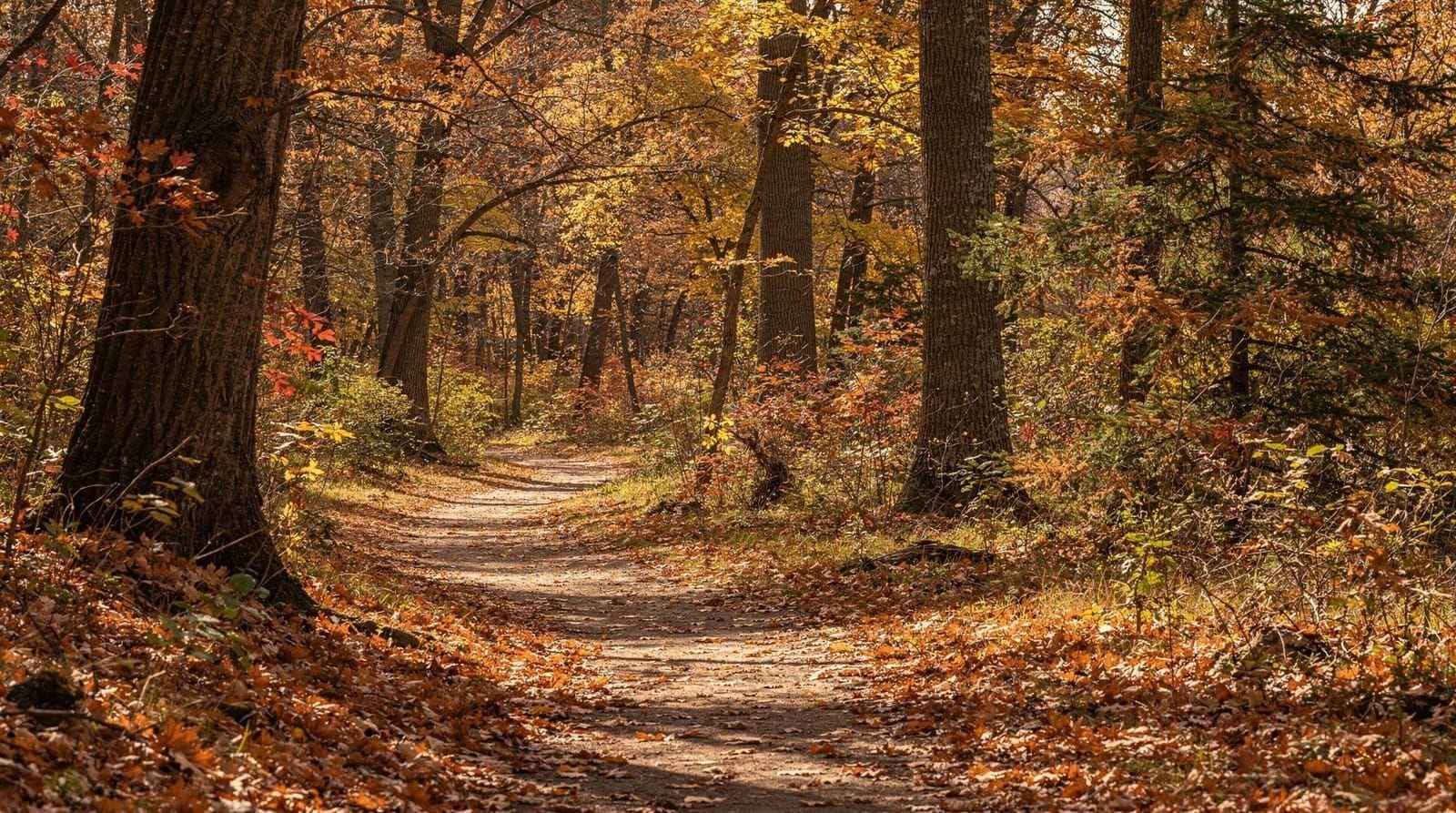
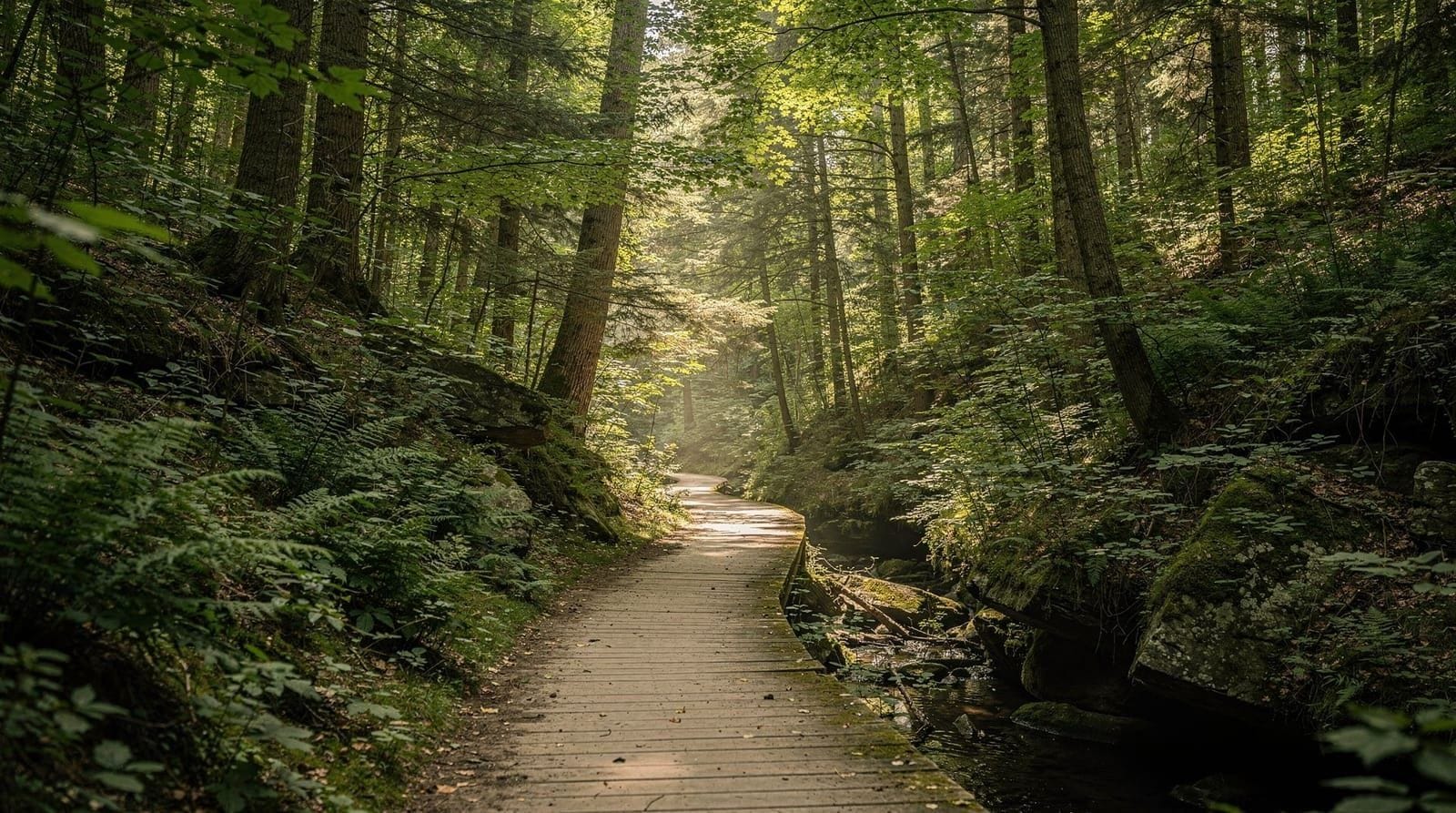
Less well-known than High Park but arguably more distinctive, Toronto’s network of forested ravines cuts through much of the city, offering genuine hiking-trail nature within a short walk or transit ride of downtown neighborhoods — a rare feature for a city this size. The Toronto ravines guide covers the most accessible entry points if you want a quieter, greener alternative to the busier parks.
The Distillery District
Free to walk, the Distillery District’s cobblestone lanes and restored Victorian-era industrial architecture make for a genuinely handsome hour or two, even if you’re not buying anything from the galleries and shops lining the pedestrian streets. It’s one of the more photogenic free stops in the city.
Free museum and gallery hours
The Art Gallery of Ontario runs free evening hours on select Wednesdays — check ago.ca for the current schedule before planning around it, since it’s not every week. Several smaller galleries scattered through the city, particularly along James Street-style arts strips in nearby Hamilton or on Ossington Avenue in Toronto itself, charge no admission at all. See the Art Gallery of Ontario guide for the fuller picture of what’s inside if you’re planning around a free evening slot specifically, and the Toronto museums guide for how the AGO’s free hours compare to paid options citywide.
Scarborough Bluffs
A striking, less-visited alternative to the postcard skyline views, Scarborough Bluffs offers dramatic clay-cliff formations along Lake Ontario in the city’s east end — free to visit, though the descent to the beach at Bluffer’s Park requires reasonably sturdy footwear. It’s one of Toronto’s most underrated free viewpoints, largely because it sits well outside the downtown core most visitors stick to. See the Scarborough Bluffs guide for the best access points and photography angles.
Nathan Phillips Square and City Hall
Toronto’s civic square, in front of the distinctive curved twin towers of City Hall, hosts free public events year-round — an outdoor skating rink in winter (skate rentals cost extra, but public skating itself is free), summer concerts, and the illuminated “TORONTO” sign that’s become one of the city’s most photographed free landmarks. It’s centrally located enough to combine easily with a downtown walking day.
Free hiking beyond the ravines
Beyond the city’s forested ravines, Toronto’s broader trail network includes long stretches of the Martin Goodman Trail, a roughly 22-km waterfront path running from the Beaches in the east to the Humber River in the west, entirely free and usable for walking, running, or cycling (bike rental costs extra, but the trail itself is free). It’s a good option if you want a longer, more continuous outdoor stretch than the shorter ravine trails offer individually.
The Toronto Islands (nearly free)
The Toronto Islands don’t quite make the strictly-free list because of the ferry fare (around $9.57 CAD round trip for adults), but everything once you’re there — the beaches, boardwalks, and skyline views — costs nothing further. It’s the best value-for-money outing on this list even if it’s not technically free. See things to do on Toronto Islands for a full route once you’re there.
Neighborhood strolls beyond the obvious
Beyond Kensington Market and the Distillery District, Toronto’s neighborhood strips generally cost nothing to explore. Yorkville, once Toronto’s 1960s counterculture hub and now its most upscale shopping district, is worth a walk purely to see the architectural contrast between converted Victorian rowhouses and glass condo towers. Queen West offers a livelier, more gallery-and-boutique-focused stroll, while The Beaches in the east end gives you a genuine boardwalk-and-sand walk without the cost or crowds of the Toronto Islands.
Graffiti Alley and street art
Running behind Queen Street West, Graffiti Alley is one of the most consistently updated legal street-art canvases in North America, drawing a steady stream of muralists and photographers. It’s free, entirely outdoors, and worth 20-30 minutes if you’re already in the Queen West area.
University of Toronto campus
The University of Toronto’s downtown St. George campus is genuinely worth a free wander for its Gothic Revival and collegiate architecture, particularly around King’s College Circle and Philosopher’s Walk, a quiet, tree-lined path connecting the campus to the ROM and ago’s neighborhood. It’s an easy add-on to a rainy-day or budget-focused museum visit given the proximity.
Public art and murals citywide
Beyond Graffiti Alley, Toronto has invested heavily in public art installations across parks, transit stations, and public squares over the past two decades — Nathan Phillips Square’s civic art, the murals scattered through Little Italy and Little Portugal, and rotating installations along the waterfront all cost nothing to see and reward slower, more exploratory walking over a fixed checklist.
Building a one-day free itinerary
If you only have one day and want to string the best free stops together without backtracking, a workable loop starts at the waterfront in the morning, cuts north through St. Lawrence Market and the Distillery District by midday, then finishes in Kensington Market and Chinatown for an early dinner — all connected by short streetcar or walking legs. Swap in High Park or Scarborough Bluffs instead of the market stretch if you’d rather prioritize green space and views over neighborhood browsing; trying to do both in a single day is doable but rushed. See the downtown Toronto walking guide for a route that links several of these stops on foot.
Free seasonal events worth timing your trip around
Beyond the standing free attractions, Toronto runs a calendar of no-cost seasonal draws: the High Park cherry blossoms in late April to early May, free outdoor concerts at Harbourfront Centre through summer, and holiday light displays including the Distillery District’s winter market lighting (the market stalls themselves charge, but walking through and seeing the lights doesn’t). Nathan Phillips Square’s outdoor rink adds a free public-skating window each winter that’s worth building an itinerary day around if you’re visiting between late November and March. Check the Toronto events calendar before you travel, since exact dates shift year to year.
Practical notes
Most of Toronto’s free attractions are strongest in warm weather (roughly May through September); winter reduces the appeal of park- and waterfront-based activities considerably, though indoor free options like gallery evenings remain available year-round. For a fuller budget breakdown covering accommodation and food alongside free activities, see the Toronto budget travel guide.
Frequently asked questions about free things to do in Toronto
Is the Toronto Islands ferry really worth paying for if I’m trying to stay free?
Yes — at under $10 CAD round trip, it’s the best-value paid activity in the city and unlocks a full afternoon of free beaches, trails, and skyline views once you’re there.
Are Toronto’s museums ever free?
The AGO offers free evening hours on select Wednesdays; most other major museums (ROM, Ontario Science Centre) don’t run regular free-admission windows, though some offer discounted evening pricing.
What’s the best free outdoor activity in Toronto in summer?
The waterfront promenade and Toronto Islands (factoring in the small ferry cost) are the strongest options, both offering shade, water views, and space to spend several hours without spending money.
Is Kensington Market free to visit?
Yes — walking the neighborhood costs nothing; you only pay for food or items you choose to buy from its shops and stalls.
Are there free walking tours in Toronto?
Some tour operators run pay-what-you-can or tip-based walking tours of downtown and specific neighborhoods; availability changes, so check current listings closer to your visit.
What free things can I do in Toronto in winter?
Indoor options like AGO evening hours and covered markets like St. Lawrence Market remain free year-round, though outdoor free activities (parks, waterfront walks) are less comfortable in the coldest months. Public skating at Nathan Phillips Square remains free even in the depths of winter, and is one of the most reliably fun cold-weather free activities in the city. See the Toronto in winter guide for seasonal alternatives.
Is Toronto’s public transit free at any point?
No — TTC subway, streetcar, and bus fares apply at all times, though it’s a low, fixed cost regardless of distance travelled, which makes it a reasonable line item even on an otherwise free-focused day.
Are Toronto’s parks safe to walk through alone?
Most major parks (High Park, the waterfront, Nathan Phillips Square) are well-used and reasonably safe during daylight and early evening hours; standard city awareness applies after dark, particularly in less-populated ravine sections. See the safety tips for Toronto guide for more specific guidance.
How many free attractions can I realistically fit into one day?
Three to four is realistic without rushing — for example, the waterfront, St. Lawrence Market, the Distillery District, and Kensington Market as a connected downtown loop. Trying to add High Park or Scarborough Bluffs on the same day usually means cutting time somewhere else, since they sit farther from the downtown cluster.
Is Graffiti Alley worth a special trip on its own?
Not on its own, but it’s an easy and worthwhile 20–30 minute add-on if you’re already exploring Queen West — it sits right behind the main strip, so it costs almost no extra time to include.