Harbourfront
Toronto's waterfront district: harbour cruises, Toronto Music Garden, winter skating, and the ferry terminal for the Toronto Islands.
Toronto: Guided Harbour and Islands Sightseeing Cruise
Quick facts
- Best base for
- Waterfront walks, island ferries, cruises
- Nearest transit
- Union station + 509/510 streetcar
- Signature activity
- Harbour cruise or free winter skating
- Ferry terminal
- Jack Layton Ferry Terminal, Bay St
The waterfront that almost wasn’t public
| Best for | Waterfront walks, harbour cruises, island ferries |
| Cost | Free promenade; cruises around C$30-70/person |
| Time needed | 2-4 hours as a half-day add-on |
| Getting there | 10-minute walk from Union, or 509/510 streetcar |
| Best time | June-September for cruises; Dec-Feb for free skating |
For most of the 20th century, Toronto’s harbourfront was a working industrial strip of rail yards, warehouses, and shipping docks — not somewhere you’d take a photo. The transformation into a public promenade started in the 1970s and is still ongoing in patches (the eastern waterfront redevelopment continues today), but the core stretch from the Jack Layton Ferry Terminal to Spadina Avenue is now one of the most consistently pleasant walks in the city: a continuous boardwalk and park system along Lake Ontario with almost no car traffic to dodge. It’s flat, it’s free, and unlike downtown a block inland, it actually breathes.
Harbourfront Centre, a non-profit arts organization occupying a long stretch of the waterfront, runs free outdoor programming most of the year — summer concerts, an artisan craft market on weekends, and a genuinely excellent free skating rink in winter that rivals the more famous Nathan Phillips Square option without the crowds.
Harbour cruises: the view most visitors skip
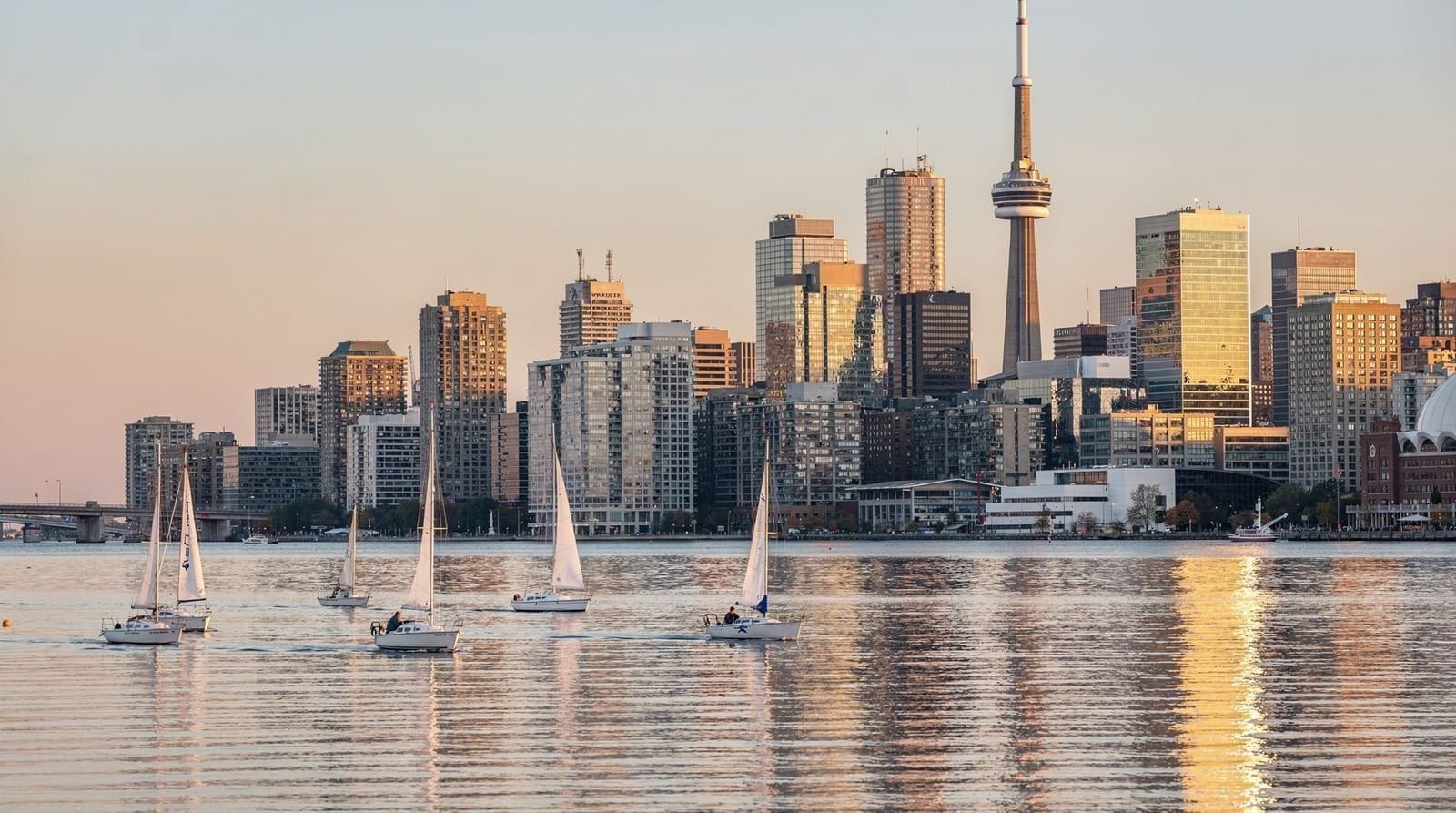
Ask a local what surprised them most about visiting Toronto’s own waterfront as a tourist for a day, and the answer is usually the skyline view from the water. Most first-time visitors spend their tower budget on the CN Tower and never see the reverse angle — the tower itself rising behind the harbour, with the Toronto Islands as foreground. A standard harbour and islands guided cruise runs about an hour, departs steps from the ferry terminal, and works well earlier in the day when the water’s calmer and the light is cleaner for photos.
For an evening version, the sunset sights and sips cruise times departure to catch the skyline turning gold and the CN Tower lighting up, with a drink included — a reasonable substitute for a rooftop bar reservation you didn’t make. If you want to turn the cruise into dinner rather than a pre-dinner activity, the premium harbour cruise with dining covers a full plated meal on the water, which costs more than eating at a harbourfront restaurant but removes the need to find a table with a lake view on a busy weekend.
Getting to the Toronto Islands from here
The Jack Layton Ferry Terminal at the foot of Bay Street is the departure point for all three Toronto Islands ferries (Centre Island, Ward’s Island, and Hanlan’s Point). In peak summer, the Centre Island ferry queue can run 30-45 minutes on weekends, so arriving before 10am or after 4pm avoids the worst of it. Full details on routes, timing, and what to do once you’re there live in the Toronto Islands guide — Harbourfront itself is really the staging area, not the destination, if islands are your goal.
Parks, art, and the quieter stretch west
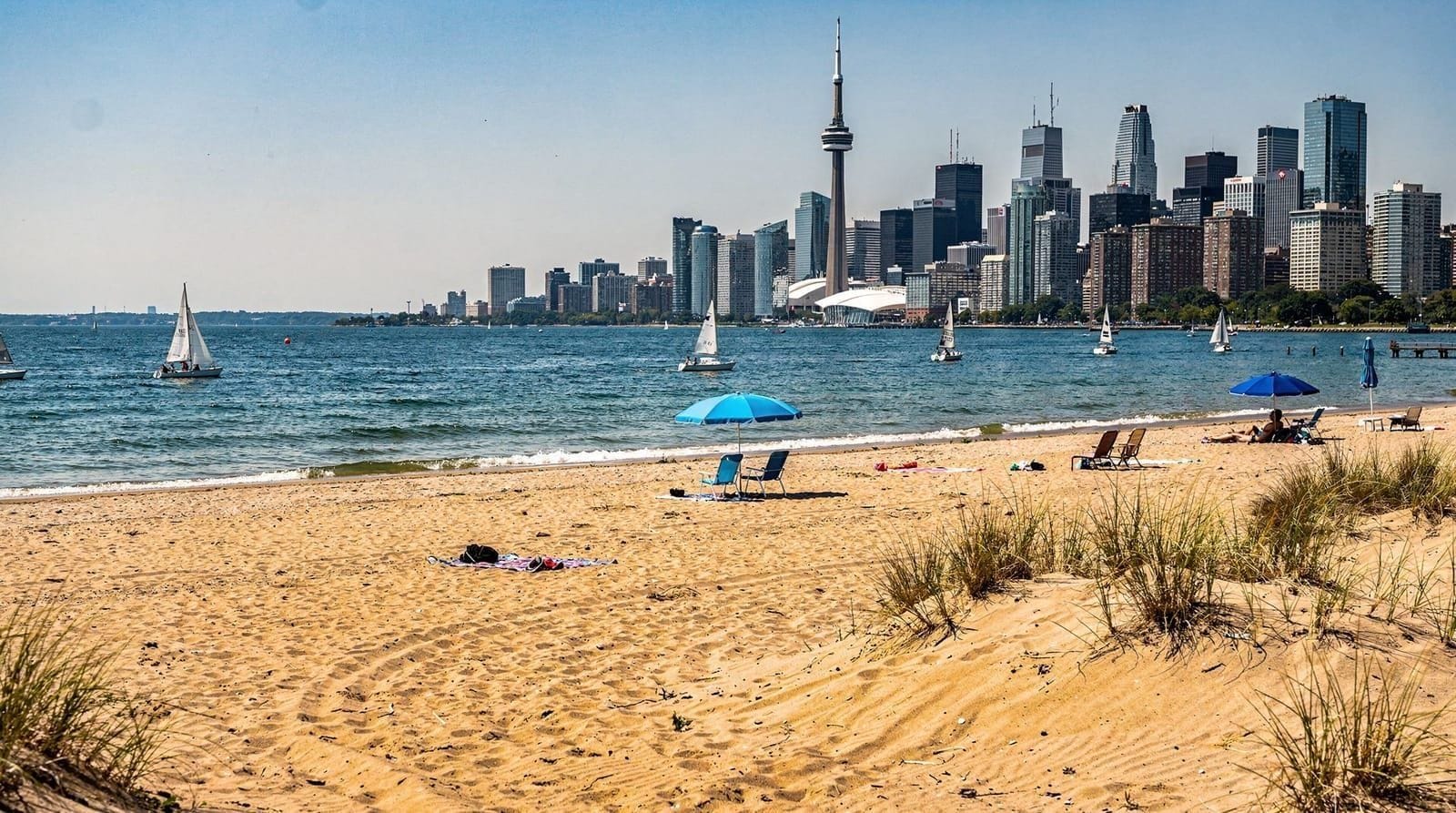
West of the ferry terminal, the waterfront gets noticeably quieter. HTO Park’s artificial sand beach (with striped umbrellas that have become an unofficial photo landmark) sits alongside the Toronto Music Garden, a small landscaped park designed in collaboration with cellist Yo-Yo Ma, structured to loosely follow the movements of a Bach cello suite. It’s an odd, lovely detail most guidebooks skip. Further west, the path continues past condo towers toward Ontario Place, which has been under long-term redevelopment; check current status before planning around it, since sections have been closed for construction in recent years.
Eating along the water
Waterfront dining skews toward chains and tourist-priced patios directly on the boardwalk — expect to pay a premium for the view rather than the food. Amsterdam BrewHouse, a large brewery-restaurant with an outdoor deck, is the most reliable option for a casual meal with a lake view and does its own beer on-site. For better food at a similar price, walk two blocks inland toward Queens Quay or up into the Financial District edge of downtown rather than paying the waterfront markup.
Winter at the harbourfront
Don’t write Harbourfront off once patio season ends. The free outdoor skating rink at Harbourfront Centre (skate rental available on-site for a modest fee) runs from roughly mid-November through March, and because it’s smaller and less famous than Nathan Phillips Square, it rarely feels overcrowded even on weekends. The lake itself rarely freezes solid enough to walk on, but the combination of a crisp winter skyline view and hot chocolate from a nearby kiosk is one of the more underrated free things to do in the city in January.
Public art and the sculpture walk
The waterfront doubles as an informal outdoor sculpture gallery, with pieces scattered along the promenade that most visitors walk straight past without realizing they’re part of a curated public art program.
The most photographed is the “Toronto” sign near Sugar Beach, a smaller, less crowded cousin of the more famous Nathan Phillips Square sign — Sugar Beach itself, another small artificial beach with pink umbrellas east of the ferry terminal, is a genuinely pleasant, quieter alternative to HTO Park if you’re looking for a spot to sit rather than walk. Further along, look for large-scale installations near the Power Plant Contemporary Art Gallery, which runs rotating exhibitions in a converted 1920s industrial building and is free to enter.
A sample half-day itinerary
Start at the western end near Ontario Place (checking current access status first) or HTO Park, and walk east toward the ferry terminal — roughly 25-30 minutes at a relaxed pace, passing the Toronto Music Garden and Amsterdam BrewHouse along the way. Time your walk to arrive at the Jack Layton Ferry Terminal by late morning, then either board a Toronto Islands ferry or a harbour cruise, depending on how much time you have left. If you’re skipping the islands, continue east past the terminal toward Sugar Beach and the Power Plant gallery, finishing with a coffee at one of the cafés along Queens Quay. The whole route, cruise included, comfortably fills three to four hours without feeling rushed.
How Harbourfront compares to other waterfronts
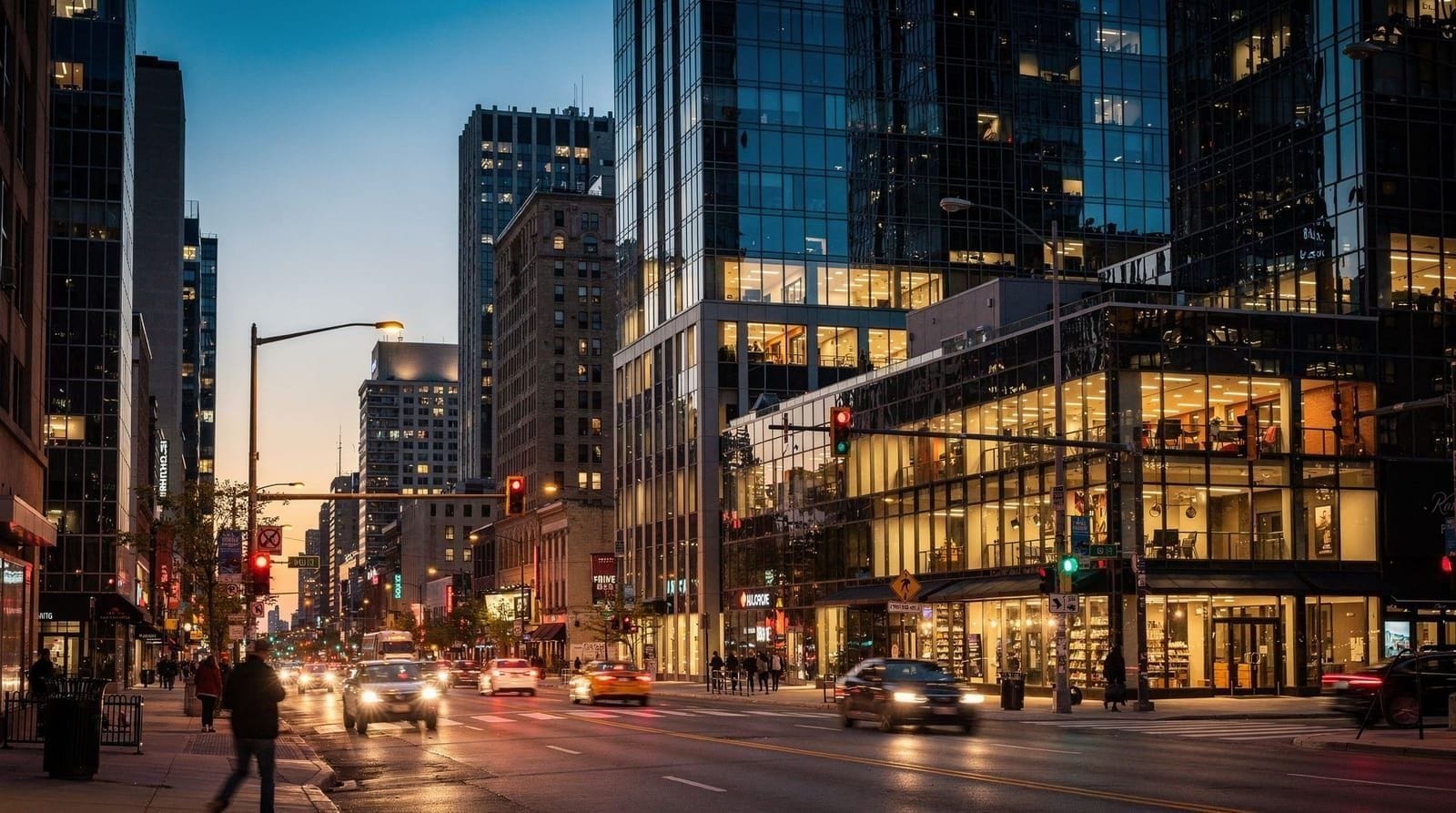
Visitors familiar with waterfronts like Chicago’s or Vancouver’s Coal Harbour sometimes expect more density of activity along Toronto’s version, and the honest comparison is that Harbourfront is quieter and more park-like than either — less continuous retail and dining, more green space and open water views. That’s arguably the appeal rather than a shortfall: it’s one of the few stretches downtown where you can walk for twenty minutes without much street noise or traffic, a genuine rarity given how close it sits to the Financial District’s density just a few blocks north.
Getting there and around
Harbourfront doesn’t have its own subway station — the nearest Line 1 stop is Union, about a 10-minute walk south, or you can transfer to the 509 or 510 streetcar at Union for a direct ride along Queens Quay. Both streetcars run frequently and are the easiest way to cover the full length of the waterfront without walking the entire stretch twice. Driving isn’t recommended: parking near the ferry terminal fills quickly on summer weekends and costs more than the streetcar fare many times over.
Practical tips
Book cruise departures for morning or late-afternoon slots if you’re prone to seasickness or want calmer water for photos — midday can get choppier with boat traffic. If you’re combining a cruise with an island ferry the same day, do the cruise first; queuing for the ferry after a cruise means less waiting overall than the reverse. Bring layers even in summer — the lake generates a noticeably cooler breeze than a few blocks inland, and it’s the first place visitors underdress for.
Where to stay if you base yourself here
A handful of hotels sit directly on or near the waterfront, trading a few minutes’ extra walk to the subway for genuine lake views and easy morning access to the ferry terminal before the queues build. This works well if a cruise or island trip is the anchor of your visit, less well if you’re planning to spend most of your time in downtown proper or the Financial District, where the daily walk back and forth adds up. Most visitors are better served basing in downtown itself and treating Harbourfront as a half-day excursion rather than a base.
Accessibility along the waterfront
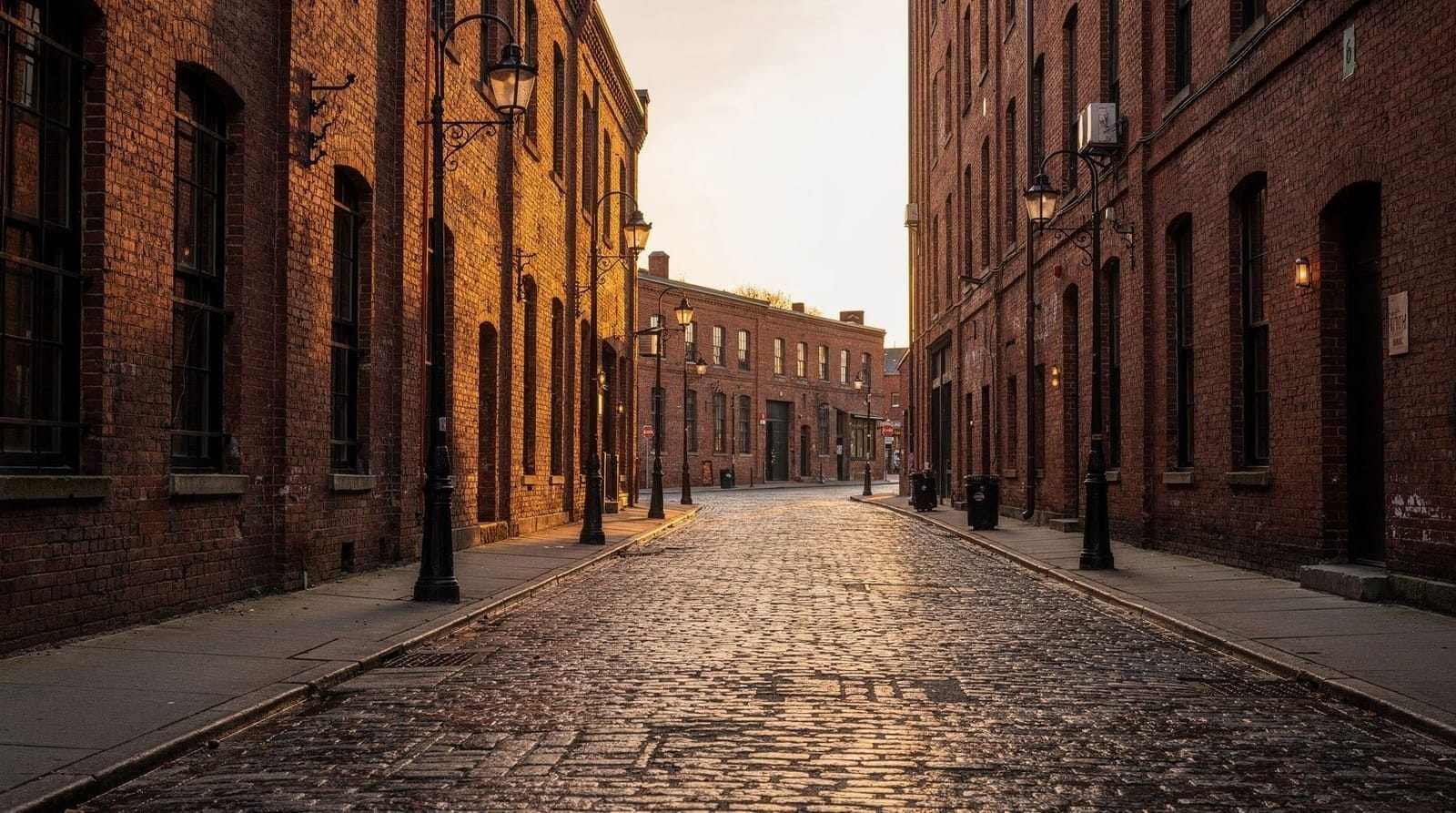
The promenade itself is flat, paved, and one of the more wheelchair- and stroller-friendly stretches in the city, without the cobblestones or uneven surfaces you’ll find in older neighbourhoods like the Distillery District. Ferry terminals and most cruise operators provide accessible boarding, though it’s worth confirming specifics with the operator in advance if mobility is a concern, since boat boarding conditions can vary with water levels and weather.
Best time to visit
Late June through September is peak season, when the promenade, patios, and Harbourfront Centre’s outdoor programming are all running simultaneously — this window also overlaps the FIFA World Cup matches in June-July 2026, which will bring extra foot traffic and events to the downtown waterfront. Shoulder months (May, October) offer a quieter version of the same walk with fewer tourists competing for cruise departures. December through February trades the cruises for free skating and a starker, emptier waterfront that some photographers actually prefer.
Seasonal programming at Harbourfront Centre
Harbourfront Centre’s year-round events calendar is worth checking regardless of when you’re visiting, since it runs distinct programming across every season rather than shutting down outside summer. Spring brings smaller performance and craft events as the outdoor spaces reopen; summer is the peak, with weekly concerts, an international festival lineup, and the weekend craft market running at full capacity; fall scales back outdoor programming but keeps indoor gallery and performance spaces active; winter shifts almost entirely to the skating rink and a scaled-down holiday market. None of it requires advance tickets for the free portions, though ticketed performances inside Harbourfront Centre’s theatres do sell out for popular acts.
The waterfront’s ongoing redevelopment
It’s worth knowing that Toronto’s waterfront has been under active, phased redevelopment for over two decades, led by a dedicated public agency tasked with modernizing the eastern and western portions beyond the core Harbourfront stretch covered here. This means sections of the broader waterfront — particularly further east toward the Port Lands, a former industrial area being transformed into new parkland and residential development — are still construction zones or newly opened with limited amenities.
The core Harbourfront stretch from the ferry terminal to roughly Bathurst Street is the mature, fully developed section most visitors should prioritize; anything further afield is worth checking current status on before making it a focal point of your visit.
Choosing which cruise fits your visit
Three cruise options depart from the same terminal, and picking the wrong one for your mood is an easy mistake to make.
| Cruise | Best for | Trade-off |
|---|---|---|
| Harbour and islands guided cruise | First-timers, daytime photos | Standard, no meal or drinks |
| Sunset sights and sips cruise | Couples, golden-hour skyline | Shorter, drink-focused rather than full dining |
| Premium harbour cruise with dining | A full evening out on the water | Costs meaningfully more than a restaurant meal |
If this is your only Toronto cruise, the standard daytime option gives the clearest photos and the best value; save the dining cruise for a trip where the boat ride itself is the whole point of the evening, not just a means of seeing the skyline.
Toronto harbour and islands guided cruiseCombining Harbourfront with the rest of downtown
Because it sits just south of Union Station, Harbourfront works naturally as a bookend to a downtown day rather than requiring its own dedicated trip. Pair a morning cruise with an afternoon in the Distillery District a short walk northeast, or finish an evening game at the Entertainment District’s Scotiabank Arena with a sunset walk along the water while the crowds thin out. It also functions as the direct staging point for the Toronto Islands, so building a day around ferry-plus-cruise rather than choosing one or the other is a realistic plan if you have a full day free.
Frequently asked questions about the harbourfront
Is Harbourfront the same as the Toronto Islands?
No. Harbourfront is the mainland waterfront district and ferry departure point; the Toronto Islands are a separate destination reached by a 10-15 minute ferry ride from here.
How long should I spend at Harbourfront?
Two to three hours covers a walk, a cruise, and a coffee stop. It pairs naturally as a half-day add-on before or after a Toronto Islands ferry trip.
Is Harbourfront skating really free?
Yes, admission to the outdoor rink at Harbourfront Centre is free; skate rentals cost extra if you don’t bring your own.
What’s the best time of day for a harbour cruise?
Morning cruises have calmer water and clearer light for photos; late-afternoon and sunset cruises trade some clarity for atmosphere and are better for a date-style outing.
Can I walk from Harbourfront to downtown?
Yes, it’s roughly a 10-15 minute walk from the ferry terminal to Union Station, entirely flat and along a pedestrian-friendly route.
Is Ontario Place open?
Ontario Place has undergone phased redevelopment in recent years with parts closed to the public; check current opening status before building a visit around it.
Should I book a harbour cruise or just walk the waterfront for free?
Both are worthwhile for different reasons — the free promenade walk covers HTO Park, the Toronto Music Garden and Sugar Beach at no cost, while a cruise adds the skyline-from-the-water perspective that the shoreline walk alone can’t replicate. If budget is tight, the walk plus a Toronto Islands ferry gets you most of the same water views without the cruise fee.
Is Harbourfront a good base for the FIFA World Cup matches in 2026?
It can work well for the atmosphere and waterfront events during the June-July 2026 window, but book well ahead — hotel rates and cruise demand both rise noticeably during major match dates, and downtown proper still offers easier access to transit for reaching BMO Field itself.
Top experiences
Bookable activities with verified prices and instant confirmation on GetYourGuide.