Muskoka
Muskoka travel guide: cottage country lakes, resorts, fall foliage, and how to plan a trip from Toronto, including getting there and when to visit.
Muskoka: High Falls, Hardy Lake & Huckleberry Rock Tour
Quick facts
- Distance from Toronto
- 175 km / 2 hours by car via Highway 11
- Major lakes
- Lake Muskoka, Lake Rosseau, Lake Joseph
- Best known for
- Cottage country, fall foliage, lakeside resorts
- Best time to visit
- June-August for lake season, late September for fall foliage
Ontario’s cottage country, two hours from downtown
Muskoka is the collective name for the lake district north of Toronto centred on three interconnected lakes — Lake Muskoka, Lake Rosseau, and Lake Joseph, known locally as the Big Three. It’s Ontario’s most established cottage country, with a summer resort tradition stretching back over a century, and it remains the default answer when a Toronto local says they’re “going up to the cottage” for a weekend. For visitors without their own family cottage or a friend’s dock to borrow, the region is entirely accessible through resorts, day-use parks, and guided tours, though the character of a Muskoka trip changes considerably depending on how you approach it.
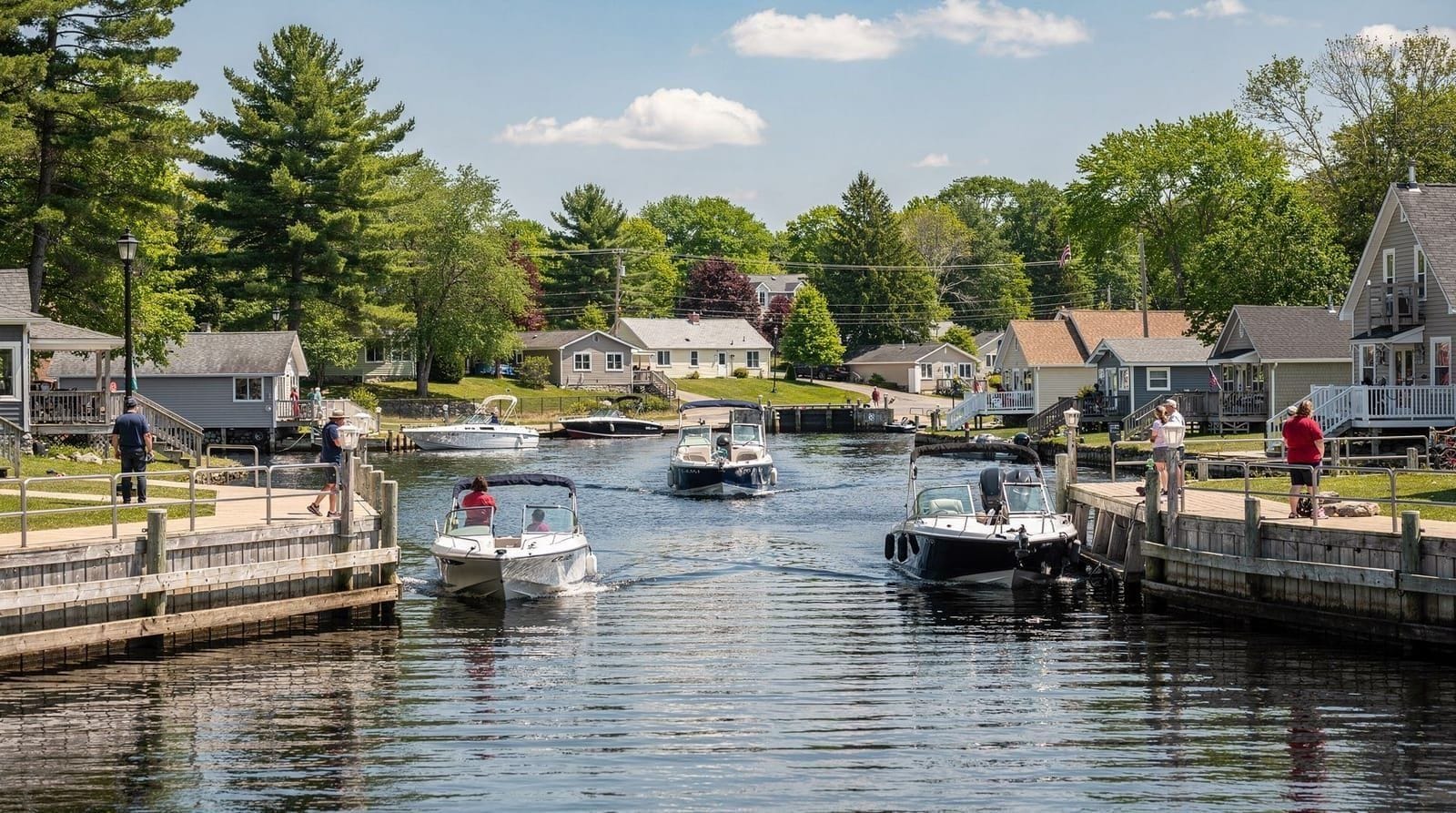
The towns of Bracebridge, Huntsville, and Port Carling anchor the region and each have a distinct role — Bracebridge as the administrative and shopping centre, Huntsville as the northern gateway toward Algonquin Park, and Port Carling as the boating hub at the narrows between the three big lakes. Muskoka as a destination page covers the region broadly; each town has its own dedicated guide for a closer look.
Getting there from Toronto
By car: about 2 hours via Highway 400 to Highway 11, the most practical and by far the most common way to reach Muskoka, since the region’s appeal is spread across lakes, trails, and small towns that aren’t connected by any meaningful public transit.
By bus: limited intercity bus service connects Toronto to Bracebridge and Huntsville, workable if you’re staying at a resort that offers pickup or if your plans don’t require moving between multiple towns.
By organized day tour: for visitors without a car or who’d rather not drive both ways in a single day, tours built around specific Muskoka experiences handle transport directly. The Muskoka day trip with Bracebridge RV-motorhome tour covers a full day including the drive from the Huntsville area, useful for travelers based further north or wanting a guided overview without renting a car.
What to actually do in Muskoka
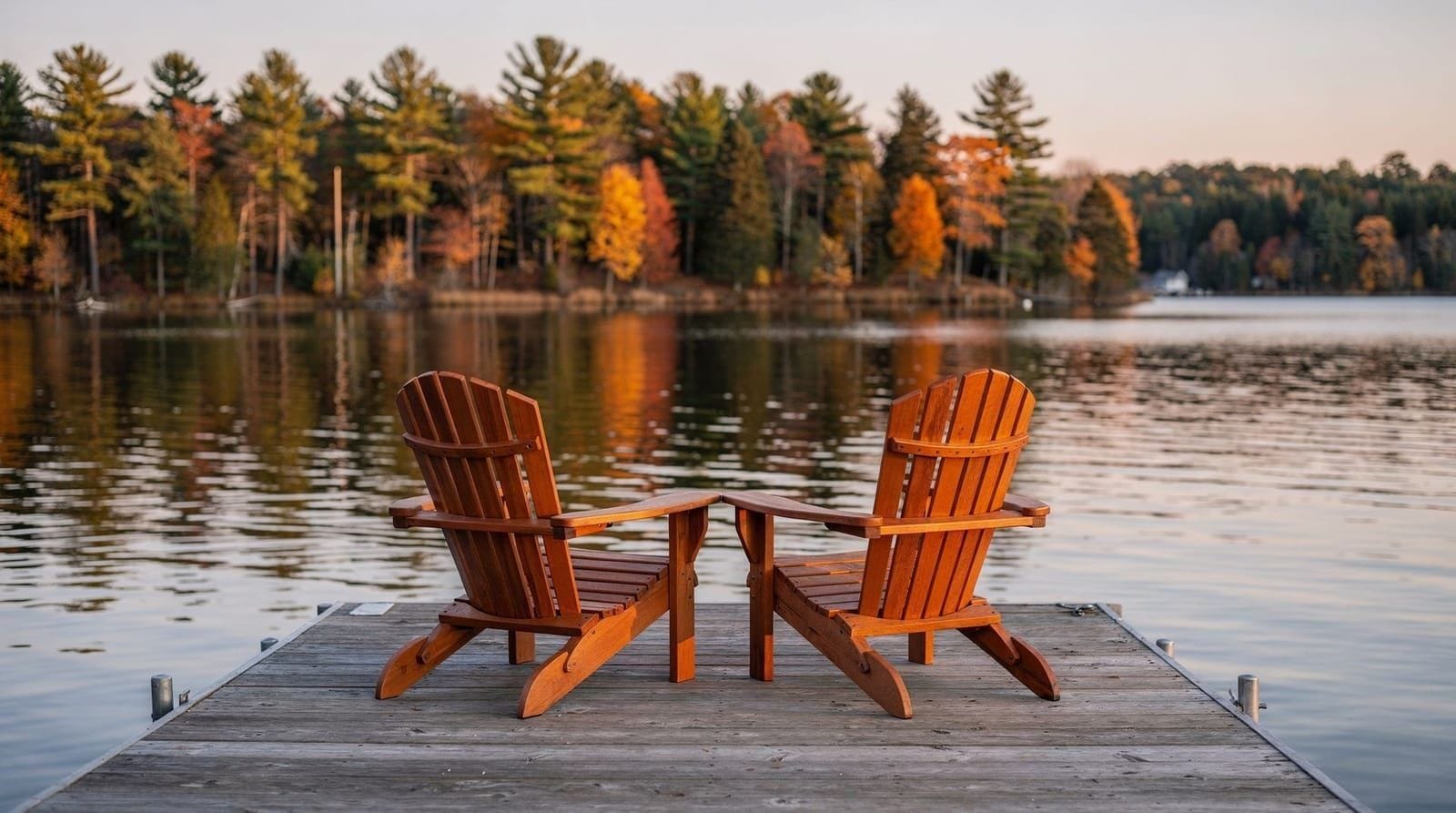
Lake time is the core Muskoka experience, whether that’s a resort stay with a private beach, a rented boat, or a public beach day at one of the region’s provincial or municipal parks. Arrowhead Provincial Park near Huntsville and Gravenhurst’s Muskoka Wharf area both offer public lake access for visitors without their own dock.
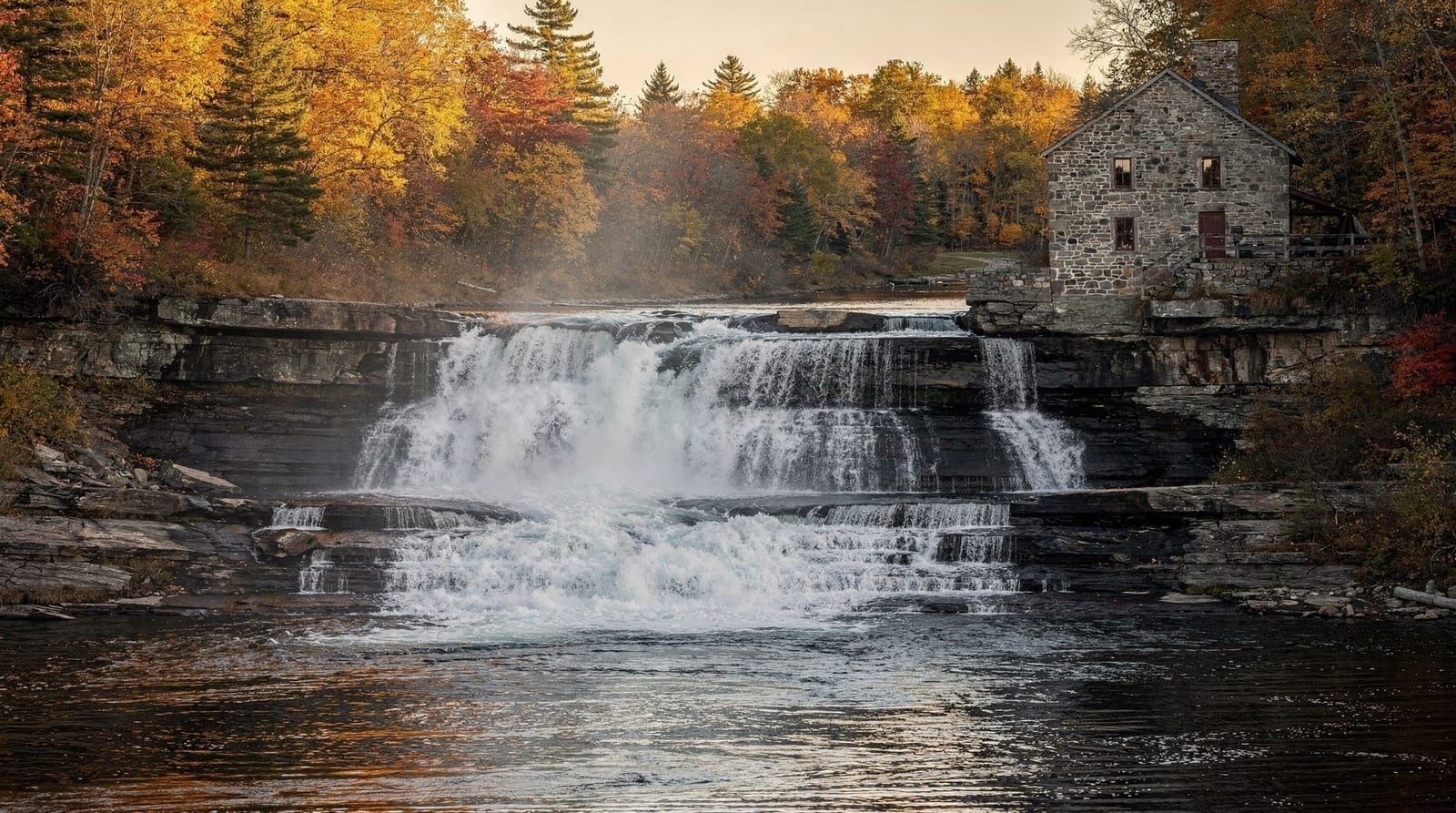
High Falls, Hardy Lake, and Huckleberry Rock form one of the region’s better hiking combinations, covering waterfall, lake, and lookout scenery in a single outing. The Muskoka High Falls, Hardy Lake and Huckleberry Rock tour guides this route for visitors who’d rather not navigate the trail network solo.
Steamship cruises on Lake Muskoka, notably aboard the RMS Segwun, one of North America’s oldest operating steamships, depart from Gravenhurst and offer a slower, historic way to see the lake without needing your own boat.
Resort culture is central to the region’s identity — from historic grand resorts with full-board dining and supervised kids’ programs to boutique lakeside inns, Muskoka’s accommodation options lean heavily toward multi-night resort stays rather than single-night hotel visits, and pricing reflects that (many resorts have minimum-stay requirements in peak summer).
Scandinave Spa Muskoka, a Nordic-style spa near Huntsville with outdoor hot and cold pools set in the forest, has become one of the region’s signature wellness draws, open year-round and particularly striking in winter with steam rising off the pools against the snow.
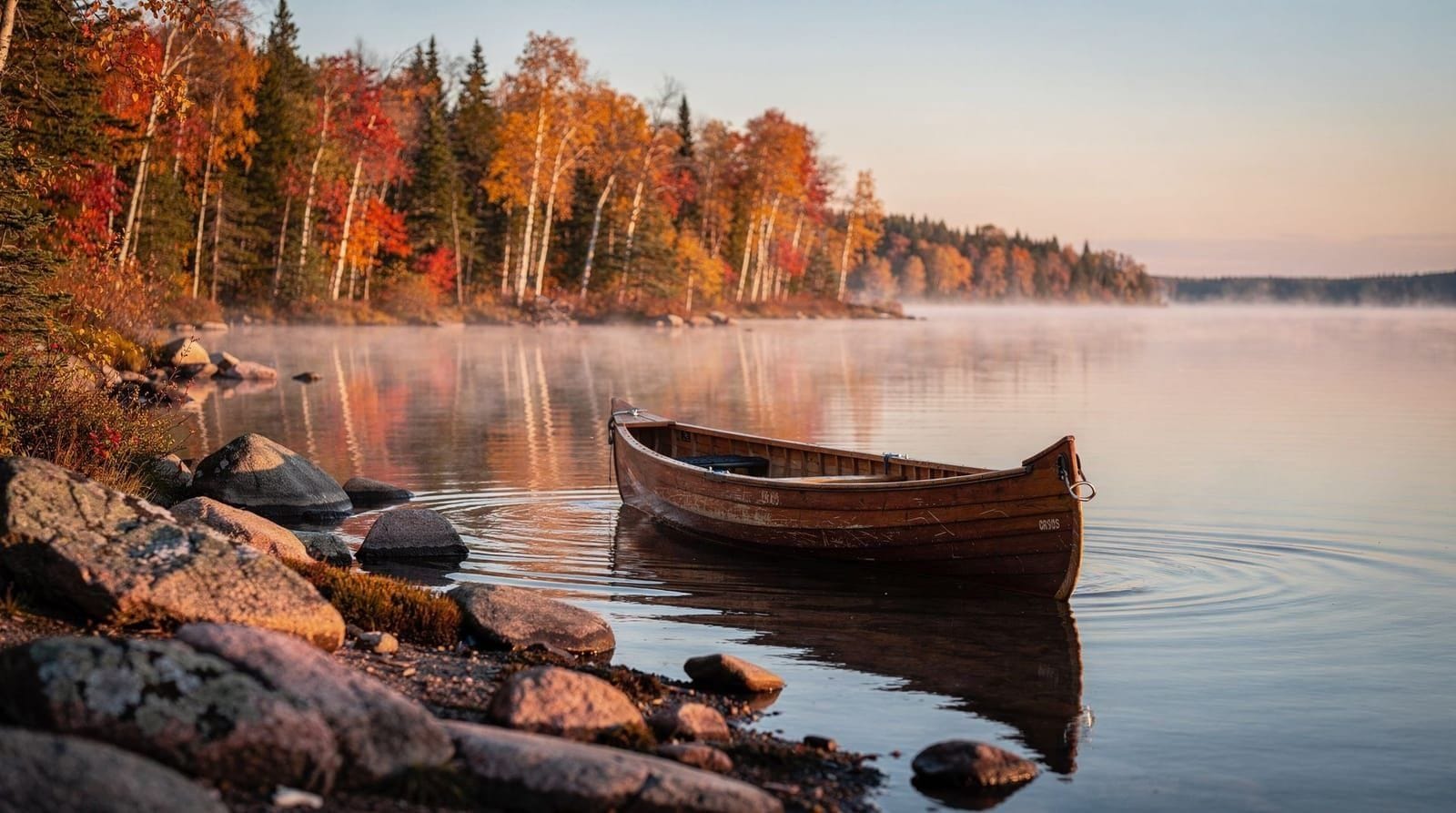
Fall foliage driving and hiking, typically peaking in late September to early October, brings a different kind of visitor than the summer lake crowd — the maple-heavy forests around the lakes turn dramatically, and the relative lack of leaf-peeping infrastructure (compared to, say, New England) keeps it lower-key and less commercialized.
Gravenhurst, the region’s southern gateway town, adds its own draws beyond the steamship cruises — a historic downtown, the Muskoka Wharf development combining shopping, dining, and public lake access, and the childhood home of Dr. Norman Bethune, a significant figure in both Canadian and Chinese medical history, preserved as a national historic site.
Where Muskoka’s resort tradition comes from
Muskoka’s identity as cottage country dates back to the late 19th century, when Toronto’s wealthier families began building summer retreats accessible by the new steamship routes on the Muskoka Lakes — a tradition that gave rise to the grand historic resorts still operating today and cemented “going up to Muskoka” as shorthand across Ontario for an idealized summer escape. That century-and-a-half of continuous resort culture is part of why the region feels more established and polished than newer cottage destinations, with a depth of hospitality infrastructure that’s had generations to refine itself.
Best time to visit
Late June through August is peak cottage season: warmest water for swimming, longest days, and every resort and attraction operating at full capacity. It’s also the most expensive and most crowded window, particularly on long weekends.
Late September into early October is the strong alternative for fall foliage — cooler but still comfortable for hiking, dramatically colored forests, and thinner crowds than summer, though lake swimming is off the table by this point.
Winter turns Muskoka into a different kind of destination — cross-country skiing, snowshoeing, and the Scandinave Spa’s outdoor pools all work well in the cold, but most resorts and dock-based activities shut down for the season, and many cottage roads become impassable or unmaintained, making a car with winter tires and local knowledge important.
Practical tips
- Book resorts well ahead for summer weekends — Muskoka’s established resorts, particularly the historic grand properties, often require multi-night minimum stays in July and August and can book out months in advance.
- A car is close to essential; the towns and lake access points are spread out enough that a car-free Muskoka trip severely limits what’s reachable.
- Cottage roads can be tricky to navigate — many are unpaved, unlit, and poorly served by GPS in the more remote areas; downloading offline maps before heading into the region is worth the extra step.
- Winter road conditions matter: some routes into more remote parts of the region become genuinely difficult in heavy snow, so checking conditions before a winter trip is more important here than for most Ontario day trips.
- Combine with Algonquin Park if you have three or more days — the two regions sit close enough together that a fall foliage trip covering both is one of Ontario’s most popular multi-day itineraries.
- Bring bug spray for late spring visits — blackflies and mosquitoes are a genuine nuisance around the lakes from mid-May through much of June, easing off by midsummer.
Where this fits in a longer trip
Muskoka pairs naturally with Bracebridge, Huntsville, and Port Carling — the three main towns anchoring the region, each covered in its own destination guide — and extends well into Algonquin Provincial Park for travelers with a car and a few extra days. It also connects loosely with Orillia, the gateway town on the way north from Toronto.
For full itinerary planning, see Muskoka cottage country escape, our dedicated multi-day itinerary, or fall foliage escape: Algonquin and Muskoka if you’re timing a trip around the fall colors. The 10-day Ontario road trip also routes through Muskoka.
Related guides: things to do in Muskoka expands on activities beyond this overview, Muskoka day trip from Toronto covers a tighter single-day version, and fall foliage in Muskoka goes deeper on peak color timing. Hikers should check Muskoka hiking and canoeing, and families can read Muskoka family resorts guide. If you’re deciding between the two neighboring wilderness regions, see Muskoka versus Algonquin guide.
Muskoka versus Kawartha Lakes for a lake weekend
Both regions sit within a comparable drive of Toronto and both are built around cottage life, but they suit different budgets and expectations. Muskoka has the century-and-a-half of resort tradition, the bigger-name lakes, and the higher price tag; Kawartha Lakes is generally more affordable for a comparable boating and lake experience, with a chain of locks (the Trent-Severn Waterway) as its own distinct draw. If the polish and brand recognition of Muskoka’s resorts matter, stay with Muskoka; if budget is the bigger constraint and you don’t need the Big Three lakes specifically, Kawartha Lakes is the honest alternative.
Muskoka by season
| Season | Water & activities | Crowds & pricing | Notes |
|---|---|---|---|
| Late June–Aug | Full lake swimming, boating, resort programs | Busiest and most expensive, especially long weekends | Book resorts months ahead |
| Late Sep–early Oct | No swimming, strong fall foliage | Thinner crowds than summer | Comfortable hiking weather |
| Winter | Cross-country skiing, Scandinave Spa | Quietest | Many resorts and docks close for the season |
Frequently asked questions about Muskoka
How many days do you need in Muskoka?
Two to three days is a reasonable minimum to get a real feel for the region — enough time for a resort stay or lake day, a hike, and a visit to at least one of the main towns. A single day trip is doable and common for Toronto locals but only scratches the surface given the driving distances between lake areas.
Do I need to stay at a resort, or can I visit Muskoka on a budget?
Resorts are the traditional Muskoka experience but far from the only option — public parks like Arrowhead Provincial Park offer beach access and camping at a fraction of resort pricing, and the towns of Bracebridge and Huntsville have standard hotels and motels for travelers not looking for a full resort package.
Is Muskoka the same as Algonquin Park?
No, though they’re often mentioned together and sit close geographically. Muskoka is the lake district built around resort and cottage culture, while Algonquin is a large wilderness provincial park focused on backcountry canoeing and hiking rather than lakeside resorts — genuinely different audiences and experiences.
What’s the best lake to visit in Muskoka?
Lake Muskoka, Lake Rosseau, and Lake Joseph (the “Big Three”) are the most developed and resort-dense, with Lake Rosseau and Lake Joseph generally considered the more exclusive, upscale lakes. Smaller lakes throughout the region offer quieter, less commercial alternatives if you’re looking to avoid the busiest resort areas.
Can you visit Muskoka without a car?
It’s difficult — limited bus service reaches the main towns, but the lakes, trailheads, and most resorts are spread out enough that a car (or a resort that includes transport) is close to necessary for a full experience. Organized day tours are the practical alternative for car-free visitors.
When does fall foliage peak in Muskoka?
Late September through early-to-mid October, though exact timing shifts by a week or two depending on the year’s weather. It’s a shorter, less crowded alternative to summer, with the maple-dominant forests around the lakes turning red and orange before the leaves drop.
Why is Muskoka called cottage country?
The name reflects a tradition dating back to the late 19th century, when wealthy Toronto families began building summer cottages on the Muskoka Lakes, reachable by the steamship routes that once connected the region to the railway. That century-and-a-half tradition of seasonal lake living gave the region its enduring identity and shaped its resort and hospitality culture.
Can I visit Gravenhurst without doing a full Muskoka trip?
Yes — Gravenhurst is the region’s most accessible southern gateway town, close enough to Toronto for a shorter day trip focused on the Muskoka Wharf, the RMS Segwun steamship, and the Bethune Memorial House, without necessarily continuing further north into Bracebridge or Huntsville.
Top experiences
Bookable activities with verified prices and instant confirmation on GetYourGuide.