Algonquin Provincial Park
Algonquin Provincial Park travel guide: canoe routes, fall foliage, hiking trails, moose spotting, and how to plan a trip from Toronto.
Algonquin Park Hiking: Adventure Tour from Toronto
Quick facts
- Distance from Toronto
- 300 km / 2.5-3 hours by car to the West Gate
- Size
- Over 7,600 square kilometres, 2,400+ lakes
- Best known for
- Fall foliage, canoe routes, moose and wildlife spotting
- Best time to visit
- Late September-early October for fall foliage, June-August for canoeing and hiking
Ontario’s most famous wilderness, and its most demanding day trip
Algonquin Provincial Park is Ontario’s oldest and most iconic provincial park, established in 1893 and covering more than 7,600 square kilometres of forest, lake, and river between Muskoka and the Ottawa Valley. It’s the park most Ontarians picture when they think “wilderness” — the maple-and-conifer forest that turns Group of Seven-painting red and orange every fall, more than 2,400 lakes threaded together by portage routes, and a genuine chance of spotting moose along Highway 60, which cuts through the park’s southern corridor and is the only paved road most visitors will ever drive here.
Algonquin is meaningfully different from Muskoka, despite sitting close by and often getting mentioned in the same breath. Muskoka is built around resort and cottage culture on developed lakes; Algonquin is a wilderness park with minimal development, centred on canoe-in camping, day hiking, and a much more rugged, self-directed style of visit. That distinction matters for planning — a Muskoka trip and an Algonquin trip require different gear, different expectations, and different amounts of driving.
| Where | West Gate off Highway 60, 300 km / 2.5-3 hrs from Toronto |
| Cost | Ontario Parks day vehicle permit, around CAD 21-24 |
| Time needed | Full day minimum, 2-3 days for a proper visit |
| Getting there | Car (Highway 400 to 11 to 60) or an organized tour from Toronto |
| Best time | Late Sept-early Oct for foliage, June-Aug for canoeing |
Getting there from Toronto
By car: about 2.5 to 3 hours to the park’s West Gate via Highway 400 to Highway 11 through Huntsville, then east on Highway 60. This is by far the most common way to reach the park, and effectively necessary given the lack of public transit within it — even once inside, the park’s attractions are strung along Highway 60 and require a vehicle to move between them.
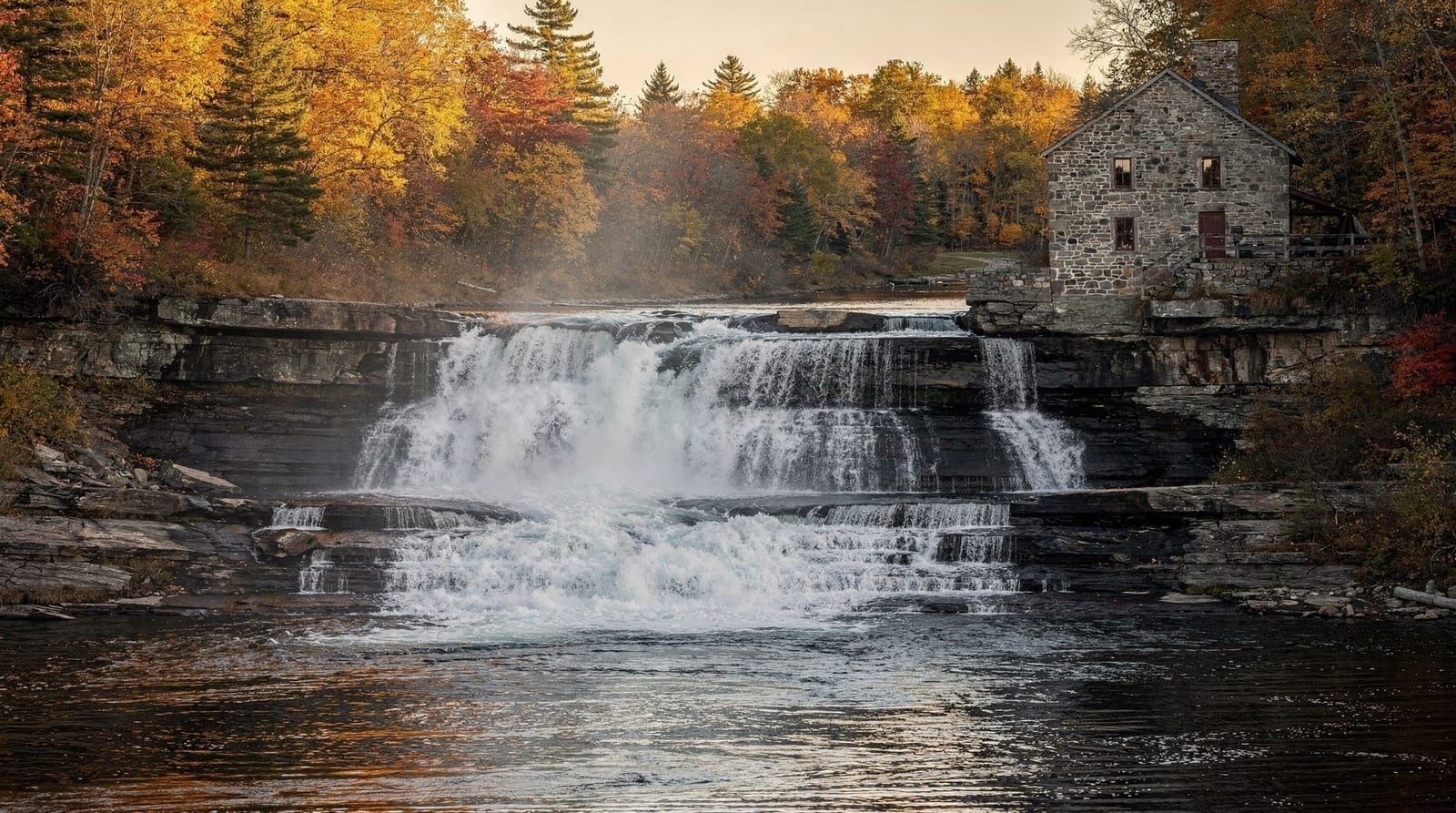
By organized day tour: for visitors without a car or who’d rather not tackle the drive and hiking logistics solo, several tours run directly from Toronto. The Algonquin Park hiking adventure tour from Toronto covers a full day including transport and a guided hike, while the Algonquin Park and Ragged Falls day trip combines a park visit with a stop at Ragged Falls, a striking multi-tiered waterfall just outside the park boundary.
Multi-day option: given the driving distance and the park’s scale, a single day trip only scratches the surface. The 3-day tour to Algonquin Park from Toronto is built specifically to allow for a proper hike, wildlife viewing at dawn or dusk (when moose sightings are most likely), and time on the water without the exhausting same-day round trip.
What to actually do in Algonquin
Highway 60 corridor day hikes: Algonquin maintains a series of well-marked interpretive trails directly off Highway 60, ranging from easy 30-minute loops to more demanding half-day hikes. Booth’s Rock Trail and Track and Tower Trail are popular moderate options with lake and forest lookout views; the Centennial Ridges Trail is one of the more challenging options for visitors wanting a real workout with a payoff view.
Canoeing, Algonquin’s signature activity, ranges from a simple rental and paddle on Canoe Lake near the park’s most-visited access point, to multi-day backcountry canoe-camping trips threading between lakes via portage trails — genuinely one of the best canoe-tripping regions in the world, and the reason many serious paddlers visit Ontario at all.
Wildlife spotting, particularly moose, is one of the park’s most-anticipated experiences. Moose are most reliably seen at dawn or dusk near roadside ponds and wetland areas along Highway 60, particularly in late spring when they’re drawn to roadside salt pools. Sightings aren’t guaranteed on any given trip, but Algonquin remains one of the more reliable places in Ontario to see one in the wild.
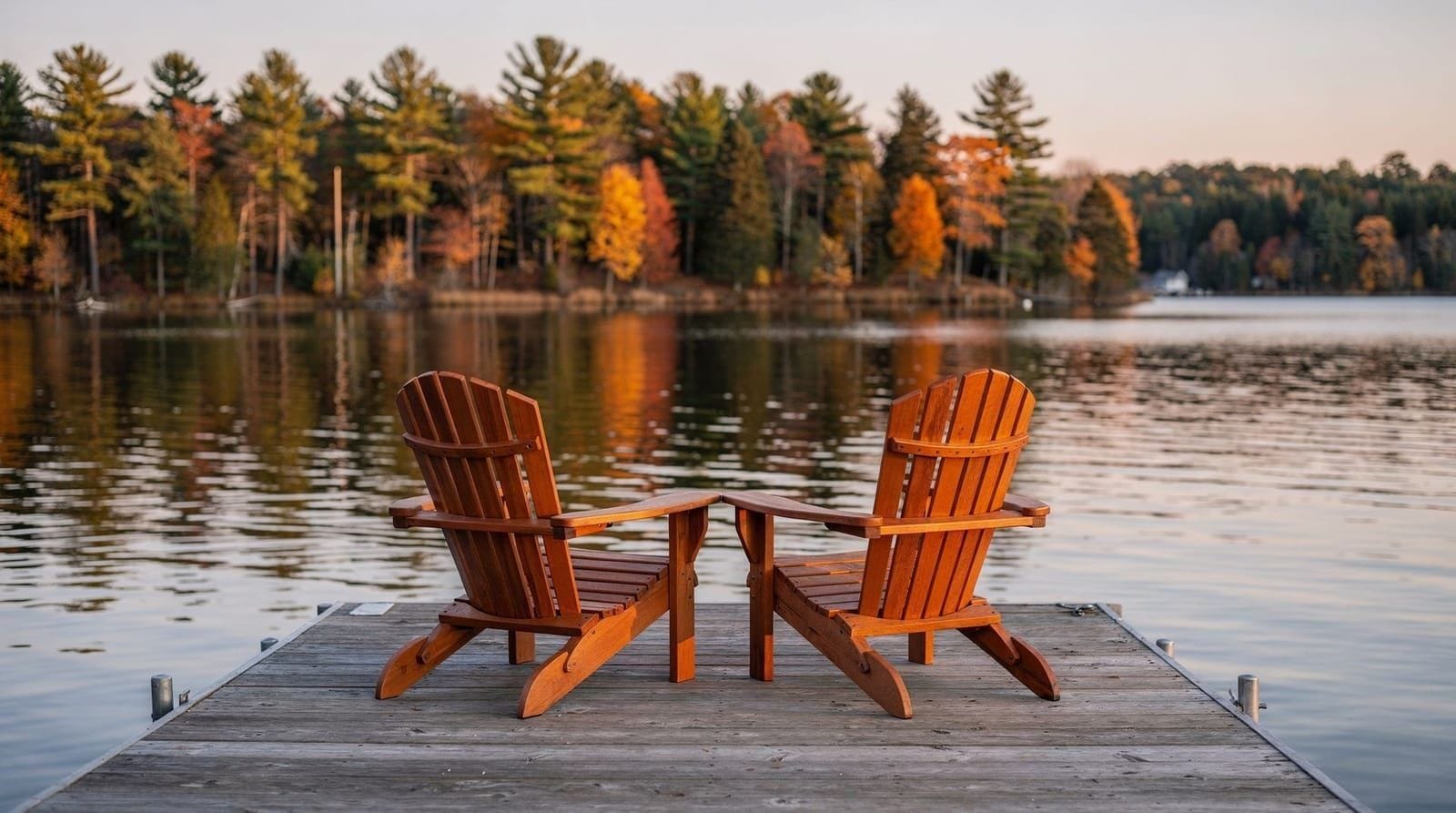
Fall foliage viewing is Algonquin’s single biggest draw, typically peaking in the last week of September into the first week of October — the park’s mix of sugar maple, red maple, and conifer forest produces some of the most vivid and widely photographed fall color in Ontario, viewable both from Highway 60 pull-offs and from the higher lookout trails.
Algonquin Visitor Centre, near the park’s east side, offers exhibits on the park’s ecology and history, plus one of the better wildlife-viewing decks in the park, looking out over a valley where moose and other wildlife are regularly spotted from the safety and comfort of an observation platform.
Algonquin Logging Museum, near the West Gate, covers the park’s earlier history as a working logging operation before conservation status was established — a useful counterpoint to the wilderness-preservation image most visitors arrive with, and a reminder that Algonquin’s forests carry a genuine industrial past.
Wolf howls, a summer program run by park naturalists on select August evenings, gathers visitors at a designated point to listen for eastern wolves responding to the naturalist’s own howl — a genuinely memorable, if unpredictable, wildlife experience specific to Algonquin’s summer calendar.
Which gate to enter from
Algonquin has several access points, but the West Gate, reached via Huntsville and Highway 60, is by far the busiest and the one nearly every Toronto-based visitor uses, since it’s the closest to the park’s main hiking trails, Canoe Lake, and the Visitor Centre. The East Gate, closer to the Ottawa Valley side, is a much longer drive from Toronto and rarely makes sense unless you’re combining Algonquin with an Ottawa trip. There’s no unstaffed “back way in” that saves meaningful time — Highway 60 is genuinely the spine of the park, and both gates feed onto it.
What a first-timer often gets wrong about scale
Algonquin’s size is easy to underestimate on a map — at over 7,600 square kilometres, it’s larger than some countries, but the paved Highway 60 corridor that almost all day visitors experience covers only a narrow strip along the park’s southern edge. The vast majority of the park’s interior is accessible only by canoe and portage, meaning a day-tripper genuinely sees a small fraction of what’s actually here. That’s not a reason to skip a day visit — the Highway 60 corridor alone has enough hiking and paddling for a full day — but it’s worth knowing that “doing Algonquin” in an afternoon means doing the corridor, not the park.
Staying overnight in the park
Algonquin’s lodging is limited relative to a resort-style destination like Muskoka, split mainly between a handful of privately run lodges along Highway 60, drive-in and walk-in campgrounds operated by Ontario Parks, and backcountry canoe-in campsites reached only by paddling and portaging. Canoe Lake and Lake of Two Rivers areas have the highest concentration of accessible camping and lodge options; anything further into the interior requires a genuine backcountry trip. Given the park’s popularity, especially around fall foliage weekends, booking campsites or lodge rooms well in advance through Ontario Parks’ reservation system is essential rather than optional.
Best time to visit
Late September into early October is peak fall foliage — the park’s most photographed and most crowded window, with weekend parking at popular trailheads filling early. Booking any accommodation or planning to arrive well before mid-morning is essential during this period.
June through August is the main canoeing and camping season, with long daylight hours and the widest range of trails and canoe routes accessible, though also the buggiest period (blackflies in late spring, mosquitoes through summer) — bug spray and appropriate clothing are not optional.
Winter transforms the park into a cross-country skiing and snowshoeing destination, with groomed trails and a genuinely different, quieter kind of wilderness experience, though most of the park’s summer infrastructure and canoe access points close for the season.
| Season | Conditions | Best for |
|---|---|---|
| Late Sept-early Oct | Peak foliage, busiest weekends | Photography, day hikes |
| June-August | Long days, buggy in early summer | Canoeing, camping, wolf howls |
| Winter | Most facilities closed | Cross-country skiing, snowshoeing |
Practical tips
- This is a full day minimum, ideally two or three — the drive alone takes up a significant chunk of a single day trip, and rushing the park undersells what it offers.
- Bring your own food and fill up on gas before entering — options inside the park are limited to a handful of small stores and the Portage Store at Canoe Lake; Huntsville is the last major town for stocking up.
- Bug spray is essential from late May through August; blackfly season (roughly mid-May to mid-June) can be genuinely unpleasant without proper protection.
- Book backcountry canoe permits in advance if planning an overnight canoe trip — Ontario Parks operates a reservation system, and popular routes and campsites fill up, especially around fall foliage weekends.
- Fall foliage weekends see real traffic and parking congestion along Highway 60 — arriving early morning or visiting on a weekday avoids much of the crowding at popular trailheads.
Wildlife etiquette and safety
Moose and black bears both live in the park, and the rules for each are different. Moose are generally safe to view from a car or at a respectful distance on foot, but approaching one on foot, especially a cow with a calf, is genuinely dangerous — treat any close encounter as a reason to back away, not move closer for a photo. Black bears are present throughout Algonquin’s backcountry; proper food storage at campsites (using the provided bear boxes or hanging food correctly) isn’t optional, and campers who skip it are the main reason bear encounters at campsites happen at all. None of this should discourage a visit — encounters that go wrong are rare precisely because most visitors follow the basic rules.
Where this fits in a longer trip
Algonquin pairs most naturally with Huntsville, the closest sizable town and the practical staging point for a trip into the park, and with the wider Muskoka region and Bracebridge for travelers combining both destinations over several days. For itinerary planning, see fall foliage escape: Algonquin and Muskoka, built specifically around this combination, or the 10-day Ontario road trip, which routes through Algonquin as part of a longer loop.
Related guides: things to do in Algonquin Park expands on trails and activities, Algonquin Park day trip from Toronto covers a tighter single-day version, and Algonquin Park hiking guide details specific trails and difficulty levels.
Fall visitors should read fall foliage in Algonquin Park for timing, and paddlers can check best canoe routes in Algonquin. If you’re deciding between Algonquin and the nearby lake district, see Muskoka versus Algonquin guide.
Frequently asked questions about Algonquin Provincial Park
Is one day enough for Algonquin Park?
A single day, including the roughly 5-to-6-hour round-trip drive from Toronto, allows for one or two Highway 60 hikes and a short canoe paddle, but it’s a rushed visit. Two or three days give real time for a proper hike, dawn or dusk wildlife spotting, and time on the water without racing back to the car.
When is the best time to see fall foliage in Algonquin?
Peak color typically falls in the last week of September into the first week of October, though exact timing shifts by about a week depending on the year’s weather. This window is also the park’s busiest, so arriving early in the day and expecting crowded popular trailheads is realistic.
Is Algonquin Park the same as Muskoka?
No — they’re neighboring but distinct regions. Muskoka is a lake district built around resort and cottage culture on developed lakes, while Algonquin is a large wilderness provincial park centred on canoe routes, hiking, and minimal development. Many trips combine both, but they offer genuinely different experiences.
How likely am I to see a moose in Algonquin?
Sightings aren’t guaranteed, but Algonquin is one of Ontario’s more reliable places to spot moose, particularly at dawn or dusk near roadside ponds and wetlands along Highway 60 in late spring when they’re drawn to roadside salt pools. Patience and early or late-day timing improve the odds considerably.
Do I need to book a permit to hike in Algonquin?
Day-use access to the Highway 60 corridor trails requires a park vehicle permit but no separate hiking reservation. Overnight backcountry canoe or camping trips do require advance reservations through Ontario Parks’ booking system, particularly for popular routes and fall weekends.
Can beginners canoe in Algonquin?
Yes — Canoe Lake and other access points near Highway 60 offer straightforward rental and paddling suitable for beginners, without needing backcountry portage skills. Multi-day canoe-camping trips into the interior require more experience and planning, but a first taste of Algonquin canoeing is accessible to most fitness levels.
Where can I stay overnight in Algonquin Park?
Options are limited relative to a resort region — a small number of privately run lodges along Highway 60, drive-in and walk-in Ontario Parks campgrounds, and backcountry canoe-in campsites for those doing a proper interior trip. Canoe Lake and Lake of Two Rivers have the highest concentration of accessible lodging and camping, and booking ahead is essential during peak fall foliage weekends.
What is a wolf howl?
It’s a summer evening program run by park naturalists, typically in August, where visitors gather at a chosen spot and the naturalist howls to try to prompt a response from Algonquin’s eastern wolf population. It’s not guaranteed to succeed on any given night, but it’s a distinctive, genuinely memorable experience unique to the park’s summer programming.
Top experiences
Bookable activities with verified prices and instant confirmation on GetYourGuide.