Ultimate Ontario road trip: 10 days
From Toronto: Algonquin Park 3-Day Tour
The deep version of an Ontario road trip
This is the itinerary for travelers who want more than cities and wineries — a route that pushes north into Muskoka’s lake country and Algonquin Provincial Park’s wilderness before turning east to the capital. It’s built for 10 days because the northern legs genuinely need more driving time than the eastern loop covered by the 7-day grand loop, and because Algonquin rewards at least two full days rather than a rushed single afternoon. Expect roughly 1,400 km of total driving across the loop — more demanding than the 7-day version, and the reason this itinerary is rated challenging rather than moderate.
| Where | Toronto → Niagara → Muskoka → Algonquin → Ottawa |
| Duration | 10 days, ~1,400 km total driving |
| Cost | around $190–260 CAD/person/day |
| Getting there | car non-negotiable |
| Best time | late May–early October |
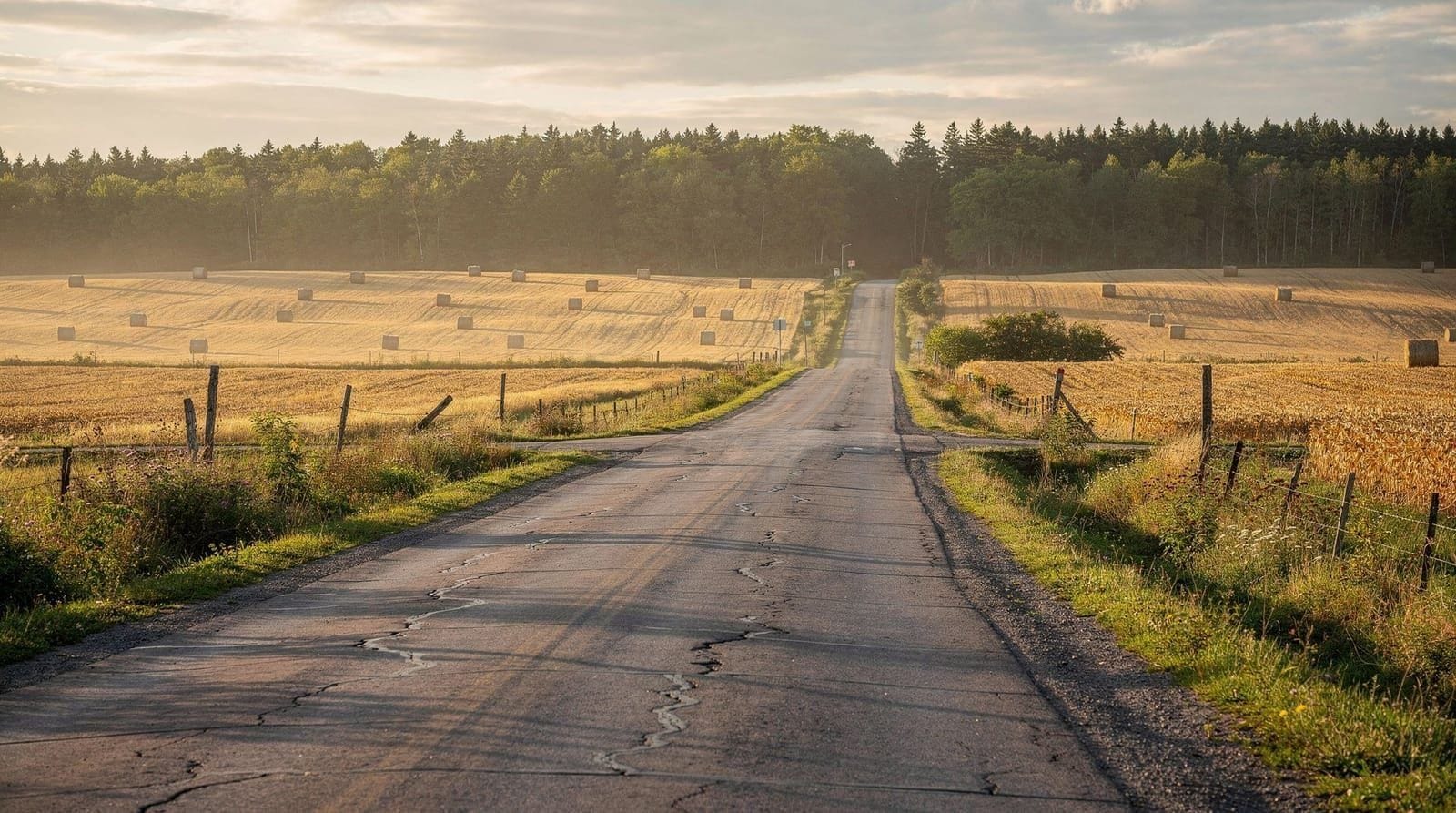
A car is non-negotiable here; Muskoka and Algonquin have essentially no public transit, and cottage-country roads require attentive driving, especially around dusk when moose and deer are more active near Highway 60 through the park. Budget roughly $190–260 CAD per person per day at a mid-range pace — Muskoka resort pricing (JW Marriott Rosseau, Deerhurst Resort) runs meaningfully higher than city hotels, and Algonquin’s limited lodging inside the park (Killarney Lodge, Arowhon Pines) books up months ahead in peak season.
Fuel and rental costs add up over 10 days more than shorter trips: figure roughly $180–220 CAD in gas across the full 1,400 km loop, plus a rental car running $70–100 CAD/day for a full 10-day period (many rental companies offer a modest per-day discount for bookings over a week, worth asking about specifically). If you already own a vehicle suited to highway and light gravel-road driving, that removes one of this trip’s larger cost variables entirely.
A realistic daily budget breakdown
Fuel is the single biggest variable cost across this loop’s roughly 1,400 km, running $180–220 CAD total depending on your vehicle and gas prices along the route, with the northern legs (Muskoka and Algonquin) tending to run slightly higher per litre than Toronto or Ottawa.
Accommodation swings the widest of any category, from $160–240 CAD/night for a straightforward Muskoka or Huntsville inn up to $350–600+ CAD/night at a full-service resort in peak season — most travelers land somewhere in between by mixing resort nights with simpler stays elsewhere on the loop. Meals add roughly $60–90 CAD per person per day at a mid-range pace, with Algonquin’s limited in-park concessions being the one stretch where packing a picnic genuinely saves money over buying food on-site.
Why this itinerary is rated challenging
The difficulty rating here reflects the trip’s demands more than any single day — 10 days of shifting between city, lake-country and wilderness settings, several days of moderate hiking, and roughly 1,400 km of driving add up to a genuinely more involved undertaking than the shorter, single-region itineraries on this site. None of it requires backcountry or technical skills, but it does require more stamina and planning than a standard weekend trip.
Days 1–2: Toronto
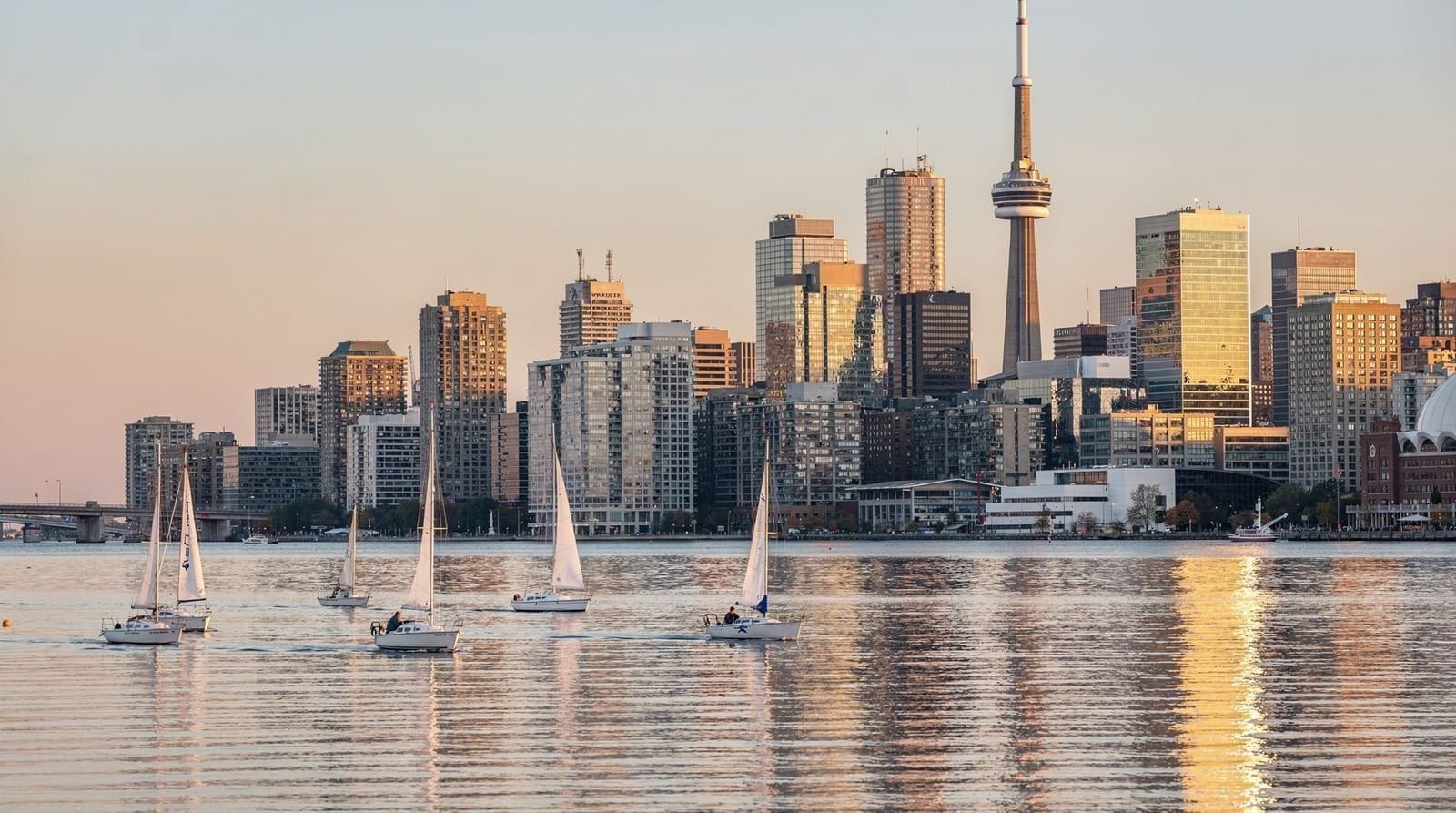
Spend two days on the city before heading out — see the Toronto weekend escape itinerary for a solid two-day downtown routine covering the CN Tower area, the Distillery District and the harbourfront. Use these two days to stock up on any road-trip essentials you didn’t pack — a cooler for cold drinks and snacks between stops is genuinely useful once you’re on the northern legs, where small-town grocery options thin out compared to the city.
Day 3: Niagara Falls
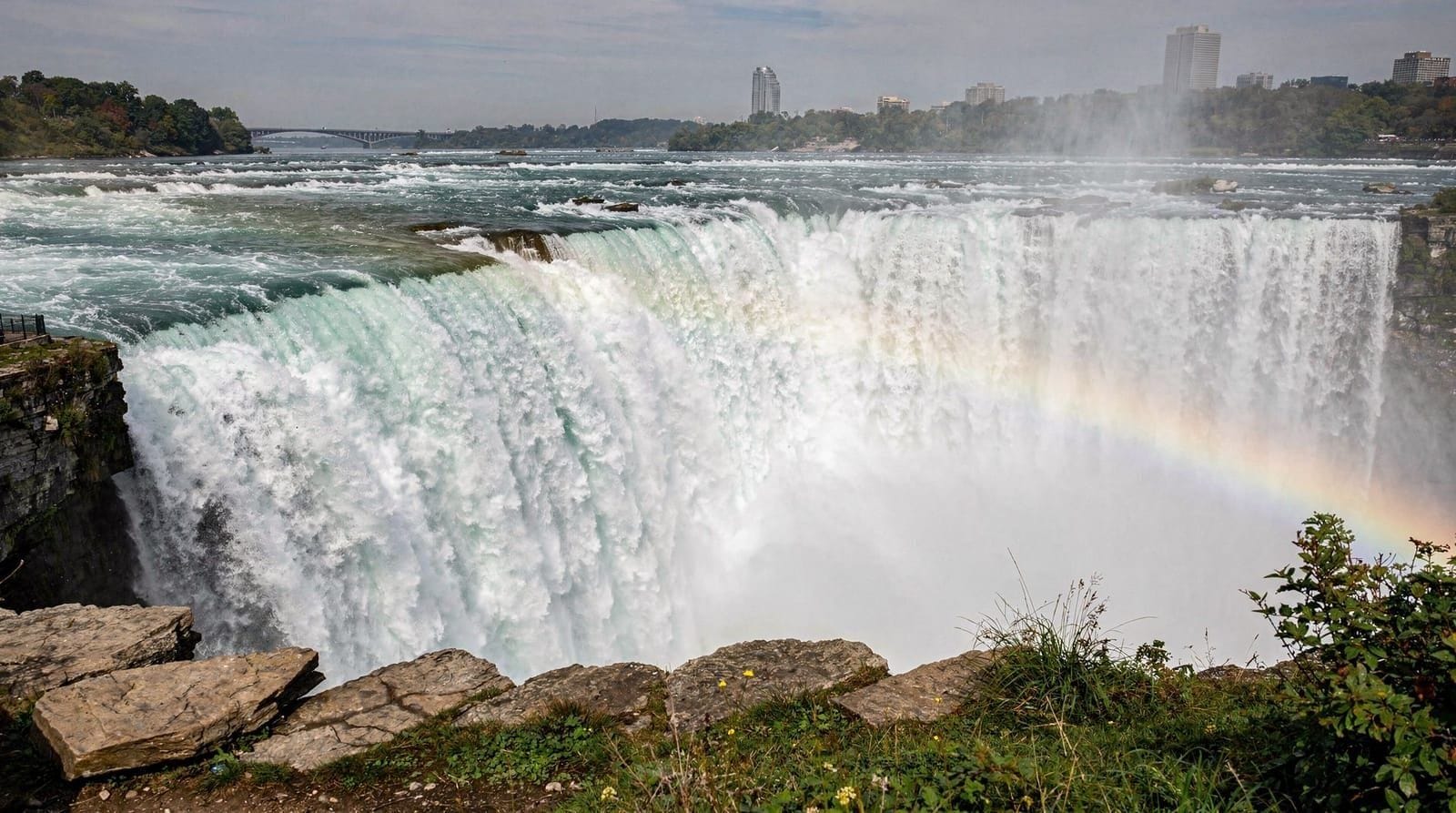
Drive about 90 minutes to Niagara Falls for a full day at the falls. The Niagara Falls Premium Tour, Boat & Journey Behind the Falls covers both signature vantage points — the boat ride at the base and the tunnel access behind Horseshoe Falls — in a single booking. This leg only works as written between roughly May and October, since both boat tours and Journey Behind the Falls close for the winter season.
Day 4: Back through Toronto to Muskoka
Backtrack toward Toronto and then head north — Niagara Falls to Muskoka is roughly a 3.5-hour drive if you route around the city rather than through it (Highway 400 north from the 401 avoids downtown traffic entirely). Arrive in Muskoka by late afternoon and settle into cottage-country pace: this region runs on lake time, and the shift from Niagara’s crowds to Muskoka’s quiet is part of the point.
Days 5–6: Muskoka lake country
Spend two full days around Bracebridge and Huntsville, Muskoka’s two main towns. The Muskoka: High Falls, Hardy Lake & Huckleberry Rock Tour covers three of the region’s best short hikes and viewpoints in a single guided outing, a good way to see the landscape’s highlights without spending days researching trailheads yourself.
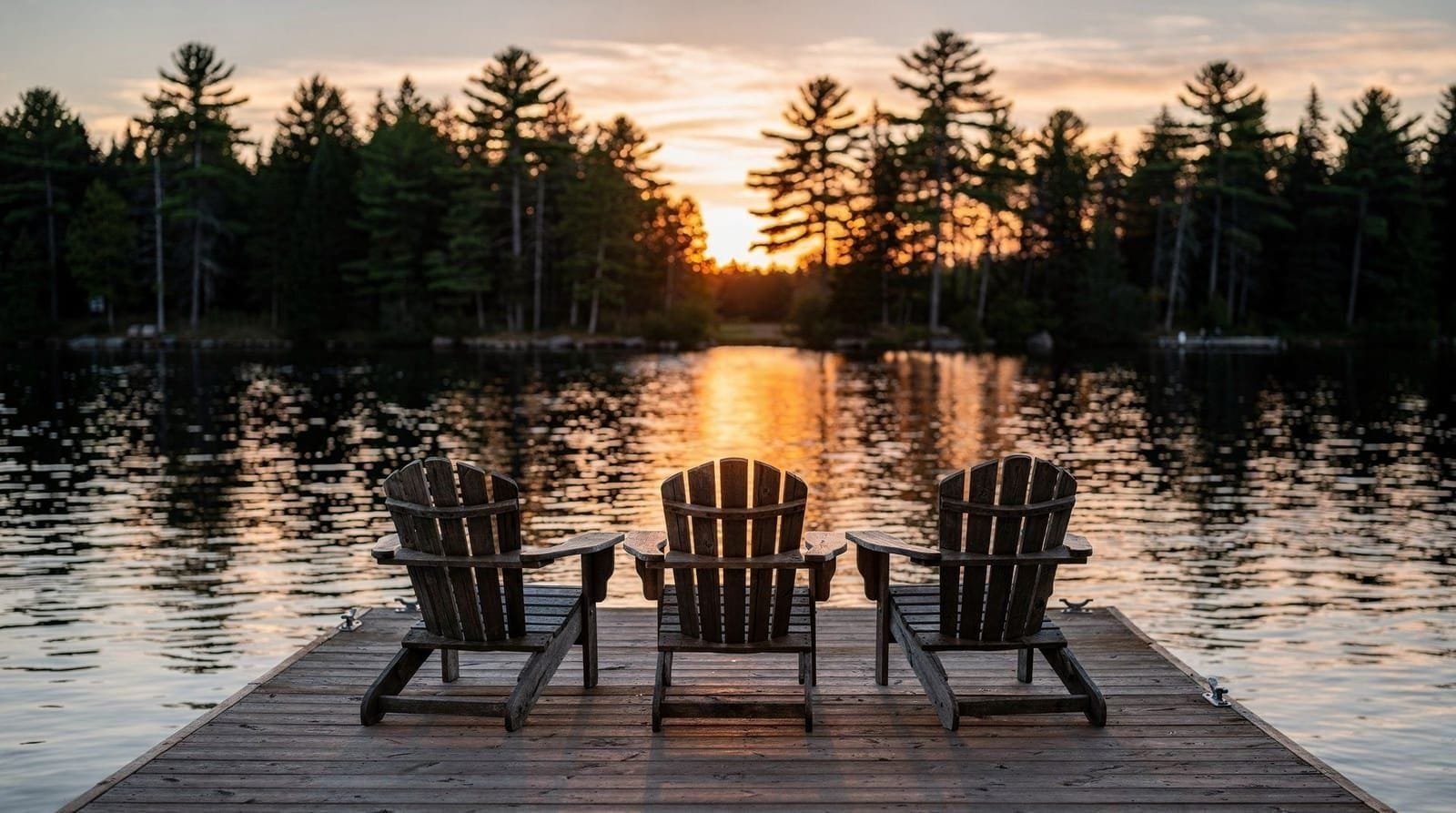
Rent a canoe or kayak on one of the lakes for at least half a day — Lake Muskoka and Lake Rosseau are the two largest and most scenic. Note that many Muskoka resorts and some restaurants operate seasonally (roughly May through October), so confirm hours if you’re visiting shoulder season. The Muskoka destination page and Muskoka hiking and canoeing guide both go deeper on trail options.
Use these two days to genuinely slow down before Algonquin’s more demanding hiking days — Muskoka’s small towns (Bracebridge and Huntsville both have walkable downtowns with cafés and independent shops) are a good excuse for an easy afternoon between the more active mornings. If the weather turns, both towns have enough indoor browsing and dining options to fill a rainy afternoon without losing much of the trip’s momentum.
Days 7–8: Algonquin Provincial Park
Drive about an hour from Muskoka to Algonquin Provincial Park, one of Ontario’s most-visited wilderness areas and the reason this itinerary exists in the first place for a lot of travelers. The Algonquin Park Hiking: Adventure Tour is a solid single-day option if you want a guided introduction to the park’s trail network along the Highway 60 corridor, which runs through the park’s most accessible section with a series of well-marked day-hike trailheads.
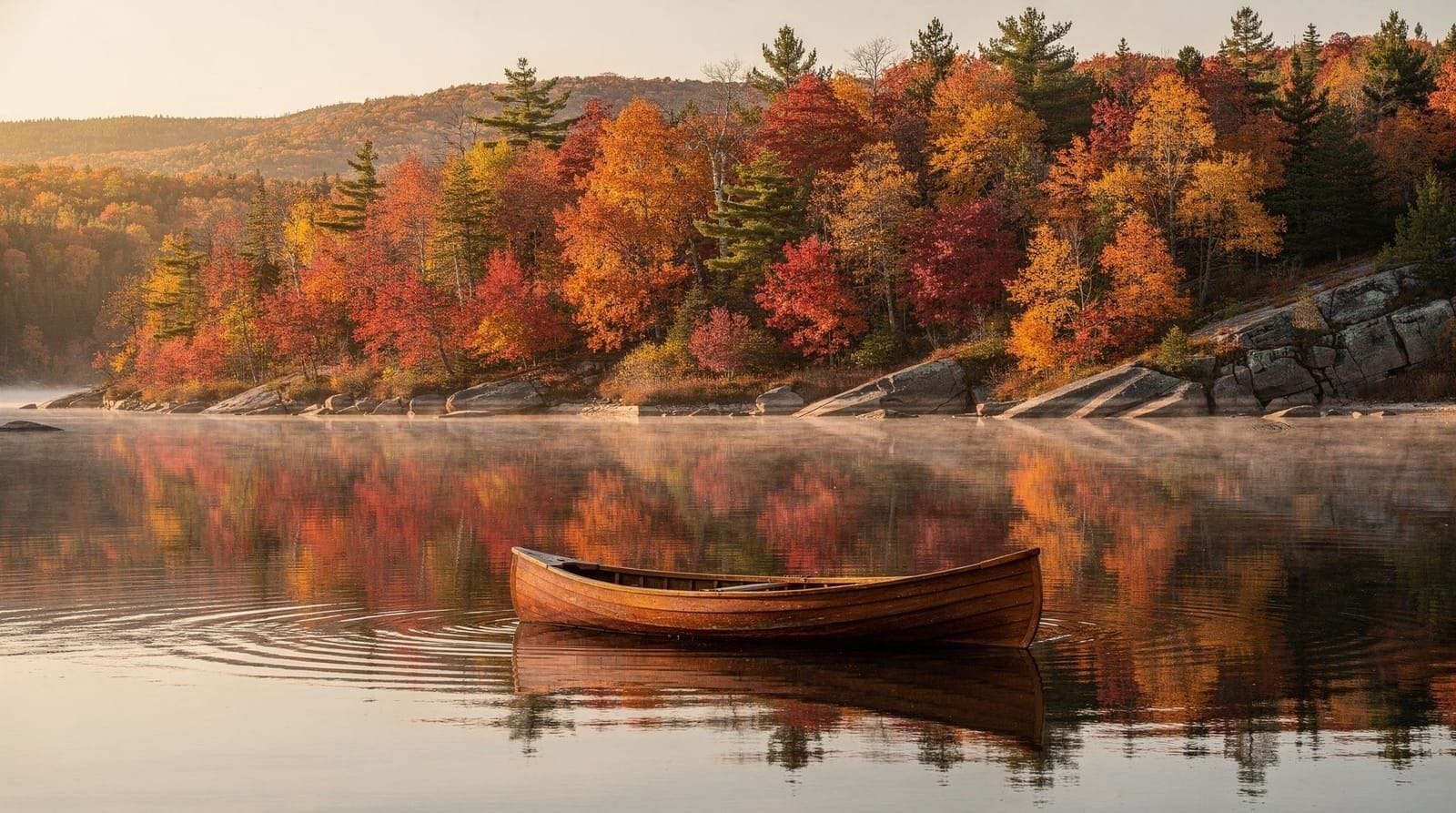
Spend the second day either canoeing one of the park’s interior lakes (Portage Store, near the Canoe Lake access point, rents canoes by the hour or day) or hiking a longer trail like Booth’s Rock or Centennial Ridges. Fall foliage here (mid-September to early October) is genuinely spectacular and the region’s single biggest seasonal draw — see the fall foliage in Algonquin Park guide if you can time your trip for it. Cottage-country and park access roads can become difficult or impassable in winter, so this leg is really a late-spring-through-fall itinerary.
If two days feels tight once you’re actually in the park, this is the leg of the trip most worth extending at the expense of a day elsewhere — Ottawa’s museums are the most flexible piece to trim if you need to free up an extra day for Algonquin instead. The park’s day-use permit system requires a vehicle permit at minimum (available at the park gates or in advance online), and interior canoe routes require a separate backcountry permit if you’re paddling beyond the day-use lakes near Highway 60.
Days 9–10: Ottawa
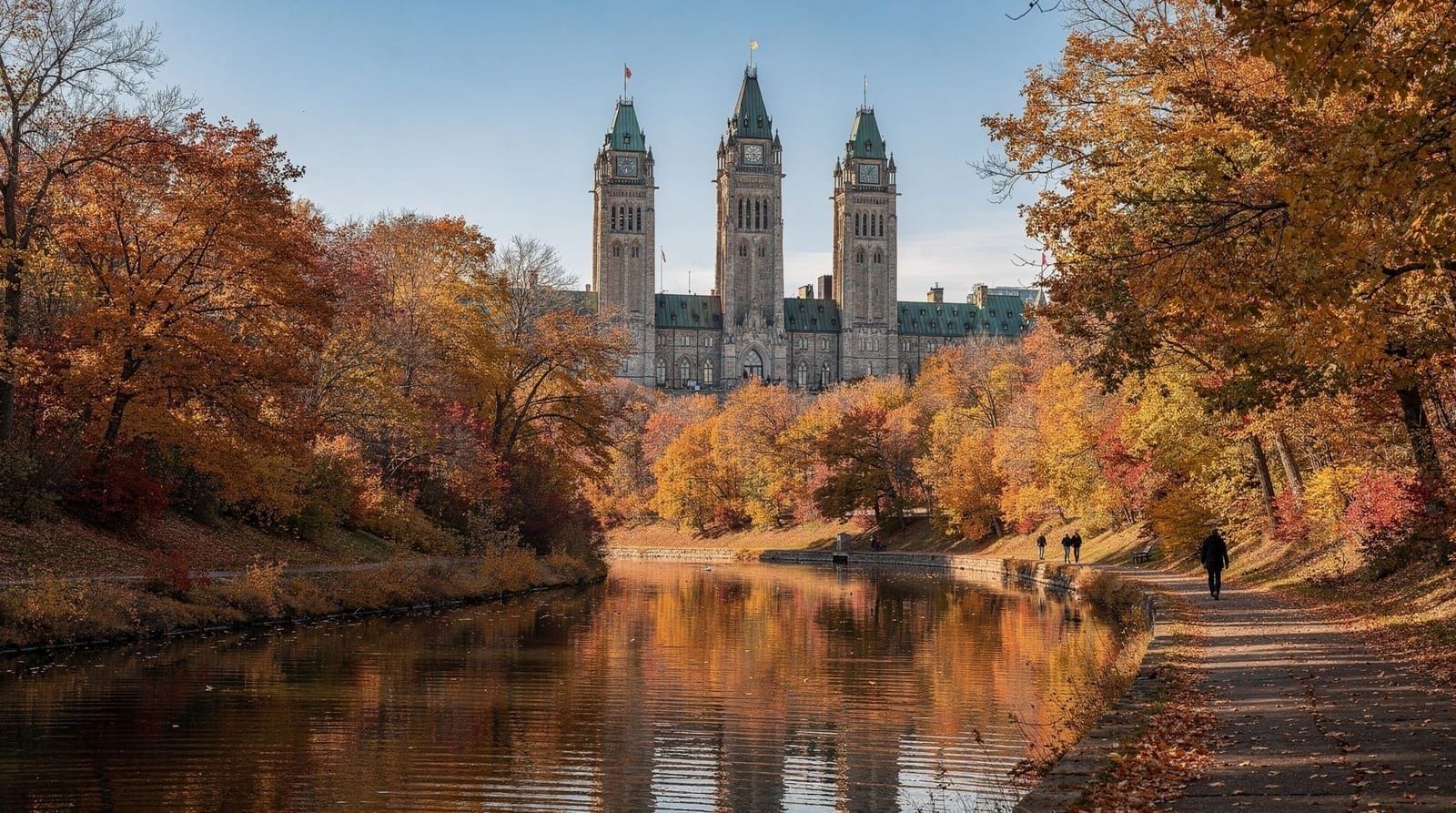
Drive roughly 3 hours from Algonquin to Ottawa, Canada’s capital. The Ottawa Scenic City Tour with Canal Cruise is a solid orientation covering Parliament Hill, the Rideau Canal and the ByWard Market in a single outing.
Spend the second day on museums (the National Gallery of Canada and the Canadian Museum of History are the two strongest picks) or a slower walk through the ByWard Market, before either the roughly 4.5-hour drive back to Toronto (about 5 hours if you route through the Kawarthas instead of the direct 401 route) or flying out of Ottawa’s airport if that’s more convenient for your route home.
If the drive feels like too much after nine days on the road, Ottawa’s airport has regular direct flights to Toronto Pearson, a genuinely reasonable option if you’d rather not add one more long highway leg to a trip that’s already covered this much ground.
Splitting the route if 10 days isn’t possible
Not every traveler has 10 full days, and this route splits reasonably cleanly into two shorter trips if needed. The Toronto-Niagara-Muskoka-Algonquin stretch (Days 1–8) works as a standalone week, ending with a direct drive back to Toronto from Algonquin (about 3.5 hours) instead of continuing to Ottawa — this trims the trip to roughly 8 days without losing the wilderness portion that distinguishes it from the shorter loops.
Alternatively, if Ottawa specifically is the priority and the wilderness legs are more flexible, the Toronto to Ottawa capital escape itinerary covers that leg on its own in a tighter format, and the fall foliage escape: Algonquin & Muskoka itinerary covers the northern wilderness portion as a standalone 4-day trip.
What to pack for the wilderness legs
Beyond the smart-casual clothing suited to Toronto and Ottawa, the Muskoka and Algonquin legs benefit from a few specific items: sturdy hiking shoes rather than sneakers, insect repellent (blackflies and mosquitoes are genuinely persistent in Algonquin from late May through July), a refillable water bottle, and a basic first-aid kit if you’re doing any of the longer trails. Layers matter here too — even summer mornings on the lakes can start cool before warming up substantially by midday. If you’re canoeing, most rental operators provide life jackets and paddles, so you don’t need to bring your own gear beyond appropriate clothing and footwear that can get wet.
10-day vs 7-day: which loop fits your trip
| 10-day loop (this itinerary) | 7-day grand loop | |
|---|---|---|
| Total driving | ~1,400 km | ~900 km |
| Regions | Niagara, Muskoka, Algonquin, Ottawa | Niagara, Prince Edward County, Thousand Islands, Ottawa |
| Focus | Wilderness and lake country | Wine country and historic towns |
| Difficulty | Challenging | Moderate |
| Best for | Nature lovers, photographers | Wine enthusiasts, couples |
If you’re deciding between the two rather than committing to this longer version upfront, the honest guidance is that they don’t overlap much beyond Niagara and Ottawa — this route is genuinely a different trip, not just a longer version of the 7-day grand loop, so pick based on whether wilderness or wine country matters more to your group.
Why this route beats a shorter version
The 7-day eastern loop is the better choice if wine country and historic towns are your priority. This 10-day version trades that for wilderness — Muskoka’s lakes and Algonquin’s backcountry are genuinely different experiences from anything in the eastern loop, and neither rewards being rushed. If 10 days feels like too much, the fall foliage escape: Algonquin & Muskoka itinerary compresses the northern half of this trip into a standalone 4-day version.
Frequently asked questions about this Ontario road trip
Is 10 days too long for an Ontario road trip?
Not for this route — the northern legs (Muskoka and Algonquin) genuinely benefit from unhurried time, and rushing them defeats much of the point of including wilderness at all. If 10 days isn’t feasible, consider the shorter 7-day grand loop, which skips Muskoka and Algonquin for an eastern-Ontario focus instead.
Do I need camping gear for the Algonquin portion?
No — this itinerary uses drive-in day hikes and canoe rentals along the accessible Highway 60 corridor, not backcountry camping. Killarney Lodge and Arowhon Pines both offer comfortable lodging inside the park if you want to stay within its boundaries rather than commuting in from Muskoka.
What’s the best time of year for this itinerary?
Late May through early October. Fall foliage (mid-September to early October) is the single best window for the Muskoka and Algonquin legs specifically, though it’s also when accommodation books up furthest in advance.
How much driving is involved per day?
Most days involve 1–3.5 hours of driving, with the Algonquin-to-Ottawa leg (about 3 hours) and the final Ottawa-to-Toronto leg (about 4.5 hours) being the longest single stretches. No single day requires more than about 4.5 hours behind the wheel.
Can I do this itinerary without stopping in Ottawa?
Yes — if the capital doesn’t interest you, ending the trip after Algonquin and looping back to Toronto directly (about 3.5 hours) shortens the itinerary to roughly 8 days without losing the wilderness portion that makes this route distinct from the 7-day eastern loop.
Is wildlife spotting likely in Algonquin?
Moose sightings are common along Highway 60 at dawn and dusk, particularly in May and June near roadside wetlands, though never guaranteed. Beavers, loons and white-tailed deer are reliably spotted with a bit of patience on any of the park’s lakes and trails.
Do I need a park permit for Algonquin?
Yes — a vehicle permit is required for day use and available at the park’s access points or in advance online; overnight backcountry camping and canoe-tripping require a separate reservation and permit, though this itinerary’s day-use structure doesn’t require the backcountry version.
Is 1,400 km of driving over 10 days too much?
It averages under 150 km per driving day, which is manageable, though the distribution is uneven — the Niagara-to-Muskoka and Algonquin-to-Ottawa legs are the longest single stretches. Spreading the route over 10 rather than 7 days specifically avoids the back-to-back long driving days that would make this itinerary genuinely tiring.
Should I book Algonquin lodging or camp instead?
This itinerary assumes lodging (Killarney Lodge, Arowhon Pines, or a hotel in nearby Huntsville) rather than camping, since it’s built around day hikes and canoe rentals rather than a backcountry trip. Camping is a valid budget alternative if you have the gear, but it changes the trip’s planning requirements significantly and isn’t assumed here.
Top experiences
Bookable activities with verified prices and instant confirmation on GetYourGuide.