Niagara Falls
Plan a trip to Niagara Falls, Ontario: boat tours, Journey Behind the Falls, Skylon Tower, seasonal closures, and how to get there from Toronto.
Niagara Falls Hornblower Boat & Power Station Tour
Quick facts
- Distance from Toronto
- 130 km / 1.5 hours by car
- Best time to visit
- May–September for boat tours, September for fewer crowds
- Currency
- Canadian dollar (CAD)
- Winter note
- Journey Behind the Falls and Hornblower cruises close November–April
Why Niagara Falls is Toronto’s default weekend escape
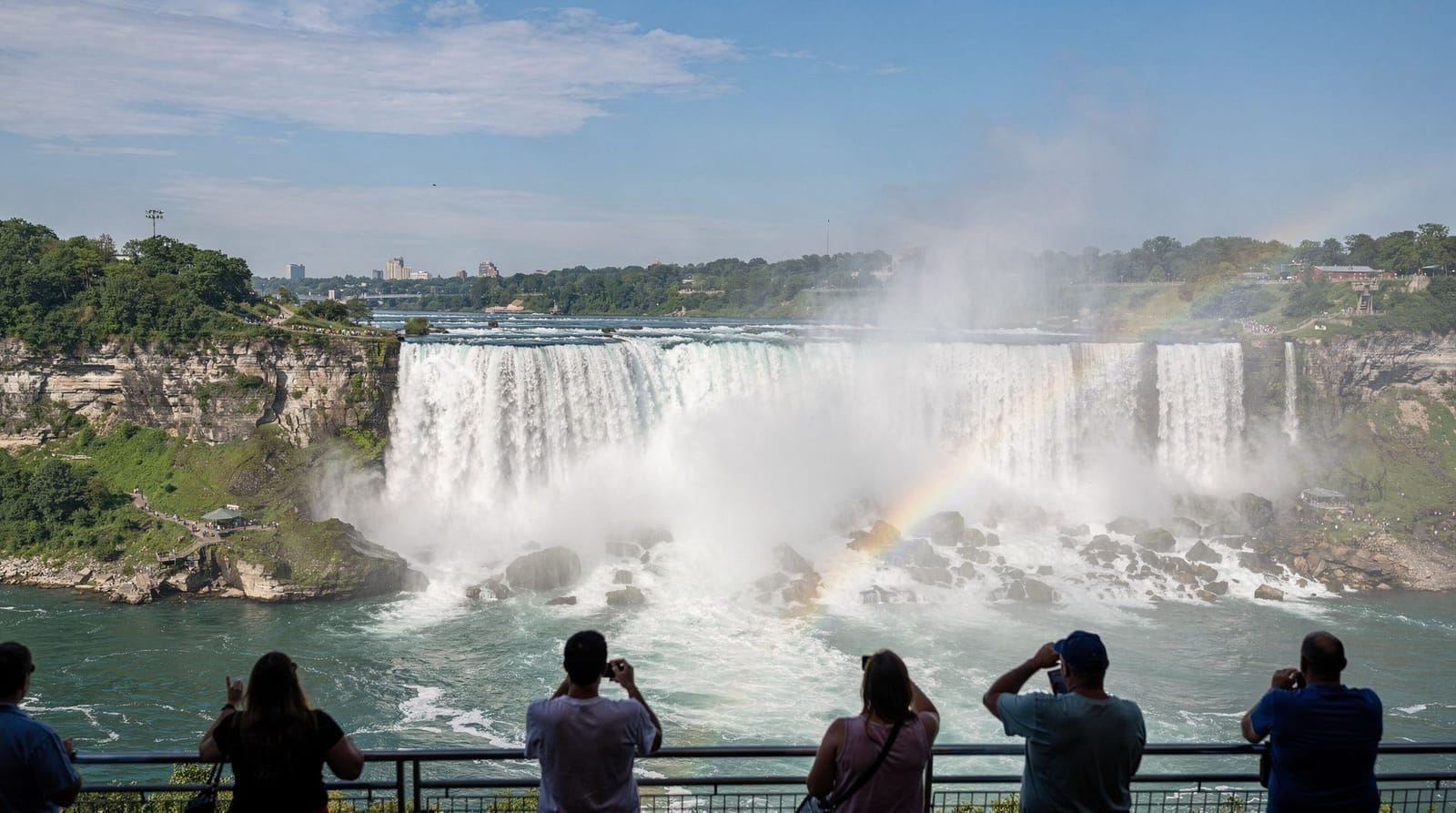
Niagara Falls sits about 130 kilometres south of Toronto, close enough for a day trip and substantial enough to fill a full weekend. Three waterfalls make up the system: Horseshoe Falls (the big one, shared with the United States and mostly on the Canadian side), American Falls, and the smaller Bridal Veil Falls. The Canadian side has the better view — you’re looking across the gorge at the curve of Horseshoe Falls rather than standing on top of it — which is the main reason most visitors, including Americans, cross the border to see it from Ontario.
| Where | Niagara Falls, Ontario, ~130 km / 1.5 hrs from Toronto |
| Cost | Around $60–100 CAD for boat tour + Journey Behind the Falls |
| Time needed | 1 full day minimum, 2 days to add wine country |
| Getting there | Car (QEW), GO Bus from Union Station, or a bundled day tour |
| Best time | Late May–September for boats; September for the same views with fewer crowds |
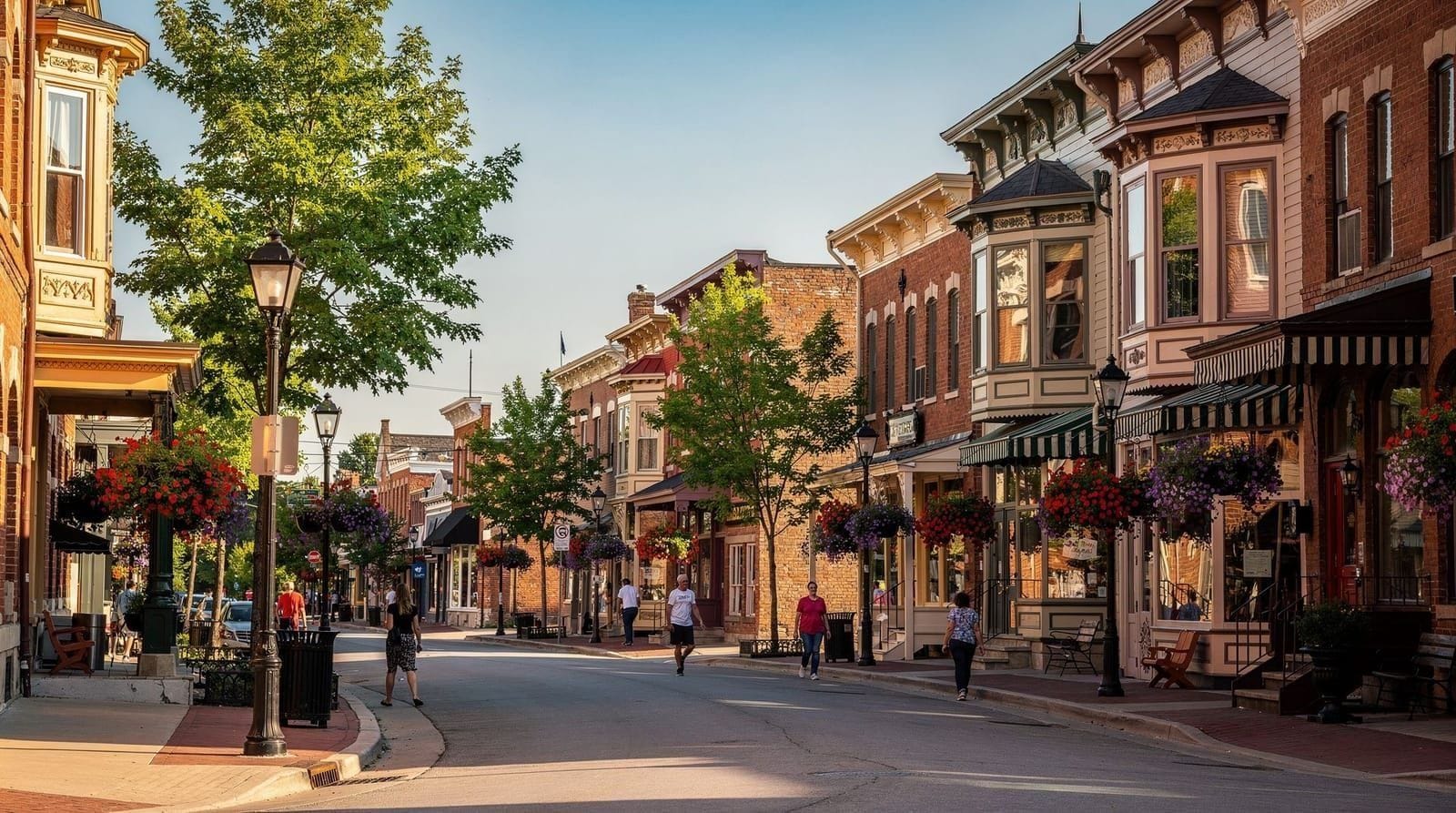
The town around the falls is split into two very different experiences. Clifton Hill, a few minutes’ walk from the falls themselves, is a strip of wax museums, mini golf, haunted houses, and fast food — unapologetically kitschy and worth exactly one evening stroll, not a whole trip. The falls themselves, the Niagara Parks trail along the gorge, and the boat tours are the actual draw, and they deliver regardless of how touristy the surrounding blocks feel.
The falls have drawn visitors for over two centuries, and the tourism infrastructure surrounding them reflects that long history in layers — 19th-century observation points, mid-20th-century towers and attractions, and a more recent wave of casino and entertainment development all sitting side by side. Understanding that Niagara Falls is simultaneously a natural wonder and one of North America’s oldest tourist traps in the neutral sense (a place literally built around channeling visitors toward a sight) helps set realistic expectations: the falls themselves are genuinely spectacular and worth the trip, while much of what surrounds them is priced and positioned specifically to extract as much as possible from a captive audience.
Getting there from Toronto
By car: the most flexible option, about 1.5 hours via the QEW. Parking at Niagara Parks lots runs roughly $30–40 CAD per day in peak season; arriving before 10am on summer weekends avoids the worst of it.
By GO Transit: GO Bus service runs from Union Station to Niagara Falls in about two hours, with connections from the GO Train network across the Greater Toronto Area. It’s the cheapest option and reasonable if you’re not trying to cram in a wine country stop the same day.
By VIA Rail: a scenic train option exists between Toronto and Niagara Falls, running along Lake Ontario, though schedules are limited and a car or bus is usually more practical for a single-day visit.
By organized tour: several GYG-listed day tours bundle transport with the boat ride and Journey Behind the Falls, useful if you’d rather not deal with parking or drive after a long day. The Niagara Falls Hornblower boat and power station tour covers round-trip transport from Toronto plus the two headline experiences in one booking.
What to actually do at the falls
Hornblower boat cruises (Canadian side; renamed Niagara Cruises seasonally but still marketed as Hornblower on most booking platforms) take you directly into the mist at the base of Horseshoe Falls. It’s the single most memorable thing to do here — genuinely loud, genuinely wet (ponchos provided), and over in about 20 minutes. Boats run roughly April through November depending on ice conditions; there is no winter boat season. The boat and power station combo pairs the cruise with a stop at the old Niagara Parks Power Station, a decommissioned hydroelectric plant you can tour underground.
Journey Behind the Falls puts you in tunnels carved into the rock behind Horseshoe Falls, with observation decks that put you at the base of the curtain of water from the inside. It closes seasonally (typically November through April, with exact dates weather-dependent) for ice safety, and reopens in spring once conditions stabilize — check the Niagara Parks site before planning a winter trip around it. The premium tour bundling the boat ride with Journey Behind the Falls is the most efficient way to do both without buying separate tickets.
Skylon Tower gives the widest overview: an observation deck roughly 160 metres up with a revolving restaurant and a clear view down the gorge toward Niagara-on-the-Lake on a good day. It’s open year-round, which makes it one of the few Niagara attractions that isn’t affected by the winter closures. The Skylon Tower observation deck ticket is worth adding on a clear day, less so in fog or heavy cloud.
Niagara Parks Butterfly Conservatory, a short drive from the falls in the Niagara Parks Botanical Gardens, houses thousands of free-flying butterflies in a tropical greenhouse — a good option with kids or on a rainy day, and one of the only indoor attractions that stays open through winter. Book the Butterfly Conservatory admission ticket ahead in peak season, as timed entry can sell out on summer weekends.
Whirlpool Aero Car and White Water Walk are less crowded alternatives a short drive north along the Niagara Parkway, both giving a view of the class-six rapids in the whirlpool basin rather than the falls proper — a good stop if you’ve already done the main attractions and want something quieter.
Best time to visit
Late May through early September is peak season: warmest weather, longest daylight, every attraction open, and the biggest crowds. Illumination of the falls at night (colored floodlights) runs year-round after dark, and fireworks are added on select summer evenings.
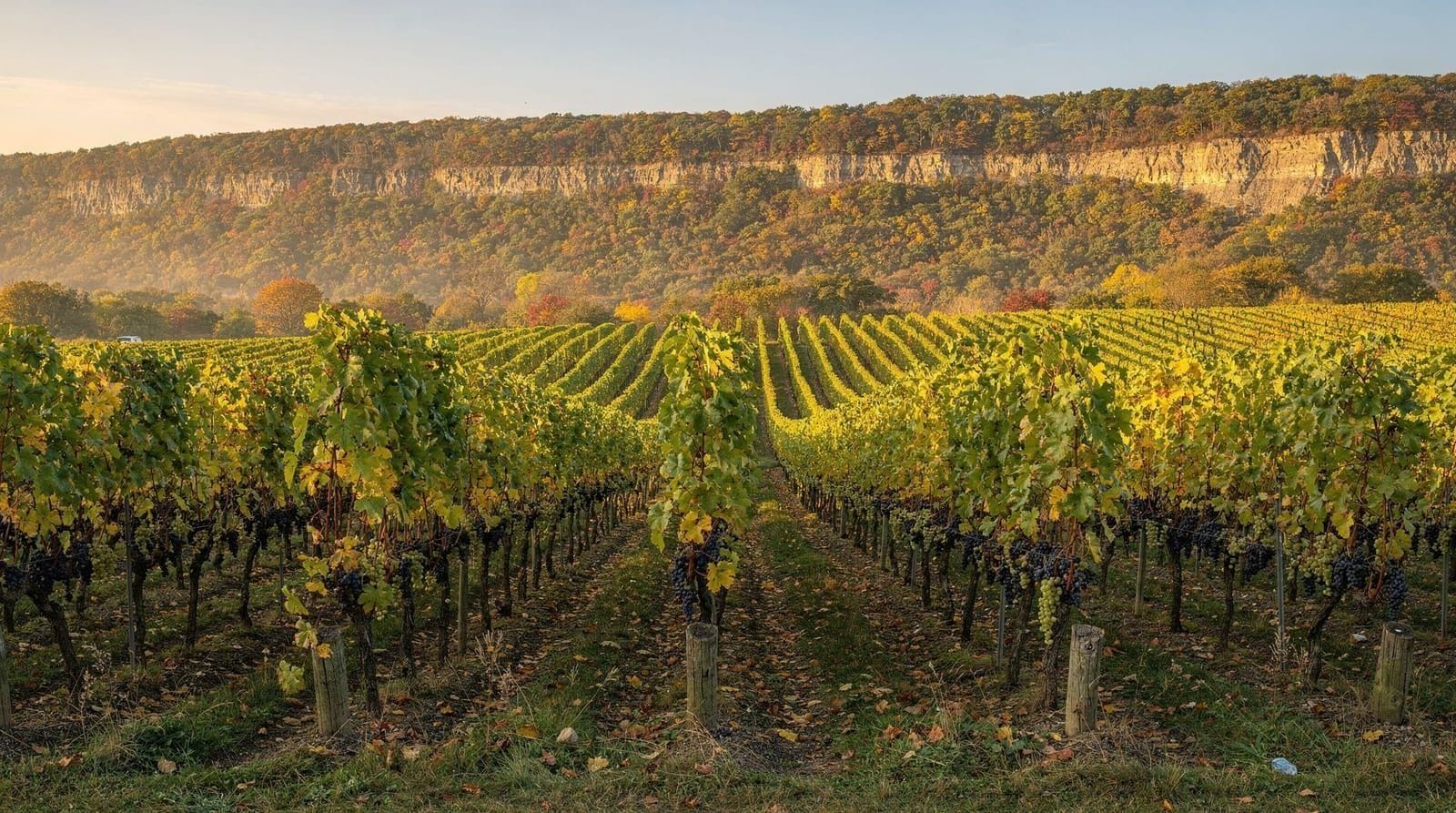
September into early October is the better value window — daytime temperatures still comfortable, boats and Journey Behind the Falls still operating, but noticeably thinner crowds after Labour Day and before the winter closures begin. This is also when Niagara Wine Country nearby hits harvest season, making it easy to combine both in one trip.
Winter (December–March) has real appeal if you don’t mind cold: the falls partially freeze into dramatic ice formations, hotel rates drop sharply, and the illumination lighting is arguably more striking against snow. The tradeoff is that Hornblower cruises and Journey Behind the Falls are both closed, so you’re limited to viewing from the gorge trail, Skylon Tower, and the Butterfly Conservatory.
| Season | Weather | Boats & Journey Behind the Falls | Crowds |
|---|---|---|---|
| Late May–early Sep | Warm, 20–28°C | Open, full schedule | Heaviest, especially weekends |
| Sep–early Oct | Mild, 12–20°C | Still open | Noticeably thinner after Labour Day |
| Nov–Mar | Cold, often below 0°C | Closed for ice safety | Lightest, but Clifton Hill also quieter |
| Apr–mid-May | Cool, variable | Reopening gradually | Light to moderate |
Where to stay and eat
Fallsview hotels put the view right in your room but charge for it; a non-view room in the same tower, or a hotel a few blocks back on Ferry Street or Victoria Avenue, can run 30–50% cheaper with a five-minute walk to the gorge. For dinner, the Fallsview dining strip and Clifton Hill both lean toward tourist-priced buffets and chain restaurants — better, less expensive meals are a short drive into the town of Niagara Falls proper, or a 20-minute drive to Niagara-on-the-Lake, which has the region’s best restaurant scene by a wide margin. If you’re staying two nights, save at least one dinner for Niagara-on-the-Lake rather than eating both nights near the falls.
Accessibility and getting around once there
The main gorge-side path, Skylon Tower, and Journey Behind the Falls elevators are all wheelchair and stroller accessible, and the Wego shuttle buses are low-floor with space for mobility devices. See our things to do in Niagara Falls guide for a fuller attraction-by-attraction breakdown. The steepest terrain is around the Whirlpool Aero Car and White Water Walk, both reached by stairs and an incline railway with limited step-free alternatives — call ahead if that matters for your visit. Strollers handle the main parkway trail easily but struggle on the Clifton Hill sidewalks during peak-season crowding.
Practical tips
- Border crossing: if you’re curious about the American side (Niagara Falls, New York), it’s a short walk or drive across the Rainbow Bridge, but bring a passport — a driver’s license alone isn’t sufficient for the crossing back into Canada.
- Clifton Hill: budget one evening here at most. The food is fast-casual and overpriced relative to Toronto; better meals are a short walk or drive away in the Fallsview area or Niagara-on-the-Lake.
- Fallsview hotels command a real premium for the view — rooms facing the falls can run double the price of an identical room facing the parking lot. If budget matters more than the view, ask specifically for a non-view room.
- Wego shuttle bus: a hop-on hop-off system connects the main attractions along the parkway, useful if you’re staying without a car and don’t want to walk the full gorge trail.
- Rainbow Bridge duty-free and the Skylon Tower gift shop are classic tourist-trap price points — not scams exactly, just marked up. Stock up on souvenirs in Toronto or Niagara-on-the-Lake instead.
Where this fits in a longer trip
Niagara Falls pairs naturally with Niagara-on-the-Lake (25 minutes north, historic town and wine country) and the wider Niagara Wine Country region for a wine-and-waterfall weekend. Travelers curious about the American perspective can add Niagara Falls, USA side, and history-minded visitors sometimes extend south to Fort Erie.
For planning the whole trip, see our Toronto and Niagara Falls in 4 days itinerary or the shorter Niagara wine country weekend getaway. If Niagara is one stop on a bigger loop, the 7-day Ontario road trip and 10-day Ontario road trip both start here.
For deeper planning, our guides cover things to do in Niagara Falls in more detail, compare Hornblower versus Journey Behind the Falls if you’re deciding between the two, and weigh Canada versus USA side if you’re not sure which side to prioritize.
Honest-planner readers should check whether you actually need a guided Niagara tour and Niagara Falls scams to avoid before booking anything on Clifton Hill. Winter travelers should read Niagara Falls in winter first, and drivers can check driving from Toronto to Niagara or how to get to Niagara Falls from Toronto for a full breakdown of transport options.
Frequently asked questions about Niagara Falls
Is one day enough for Niagara Falls?
One full day covers the highlights — the boat tour, Journey Behind the Falls, and a walk along the gorge — but it’s a rushed day, especially coming from Toronto where the round trip alone eats close to three hours. Staying one night lets you see the falls illuminated after dark and add Niagara-on-the-Lake or a winery the next morning without racing the clock.
Which side of Niagara Falls is better, Canada or USA?
The Canadian side has the better view because you’re facing Horseshoe Falls head-on across the gorge, while the American side puts you above and behind American Falls, looking mostly at the top of the water rather than the drop. Most travelers, including many Americans, base themselves in Ontario and cross for a shorter visit to the US side if they want both perspectives.
Do the falls freeze in winter?
The falls don’t fully freeze — the volume of water moving is too great — but ice builds up dramatically along the edges and in the gorge, creating a striking “ice bridge” effect some winters. Hornblower boat cruises and Journey Behind the Falls both close for the season, typically November through April, so winter visitors are limited to viewing from the gorge trail and Skylon Tower.
How much does a full day at Niagara Falls cost?
Budget roughly $60–100 CAD per adult for the boat tour and Journey Behind the Falls combined, plus $20–30 for the Skylon Tower if you add it, before meals and parking. A mid-range day covering two or three attractions, lunch, and parking typically lands around $150–200 CAD per person.
Can I visit Niagara Falls without a car?
Yes — GO Transit buses run from Union Station in Toronto, and once in Niagara Falls the Wego shuttle covers the main attractions along the parkway. A car gives more flexibility for combining Niagara-on-the-Lake or wine country the same day, but it isn’t strictly necessary for a falls-only trip.
Is Clifton Hill worth visiting?
Clifton Hill is worth a single evening walk for the neon-lit novelty of it — mini golf, wax museums, an indoor Ferris wheel — but the food and souvenirs are priced for a captive tourist crowd. Most locals and repeat visitors treat it as a photo stop rather than a place to eat dinner.
Is Niagara Falls worth it if I’ve already seen waterfalls elsewhere?
Yes — Horseshoe Falls’ volume and the close-up boat and tunnel access make it a different experience from most waterfalls, even for well-travelled visitors. The scale (over 2,800 cubic metres of water per second at peak flow) and the ability to get into the mist and behind the curtain are what set it apart from a scenic lookout you’d see elsewhere.
Top experiences
Bookable activities with verified prices and instant confirmation on GetYourGuide.