Niagara-on-the-Lake
Plan a trip to Niagara-on-the-Lake: wineries, the Shaw Festival, historic Queen Street, and how to combine it with Niagara Falls from Toronto.
Niagara-on-the-Lake: Wine Tour with Tastings and Lunch
Quick facts
- Distance from Toronto
- 130 km / 1.5 hours by car
- Distance from Niagara Falls
- 25 minutes by car
- Wineries in the area
- 30+
- Best time to visit
- June–October for wine season, September for harvest
A wine town with more history than most of Ontario combined
Niagara-on-the-Lake sits at the mouth of the Niagara River where it empties into Lake Ontario, about 25 minutes north of Niagara Falls and 1.5 hours from Toronto. It was Upper Canada’s first capital before York (Toronto) took over in 1796, and the town has held onto its 19th-century character with a discipline most heritage towns don’t manage — Queen Street’s storefronts, the Prince of Wales Hotel, and the war memorial clock tower all look close to how they did a century ago, minus the horse traffic.
| Where | Niagara-on-the-Lake, ~130 km / 1.5 hrs from Toronto, 25 min from Niagara Falls |
| Cost | Around $150–250 CAD/day incl. winery tour, lunch, dinner |
| Time needed | 1 day for a wine-and-town visit, 2 days with the Shaw Festival |
| Getting there | Car recommended; GO Bus to Niagara Falls plus taxi works too |
| Best time | June–October, September for harvest with thinner crowds |
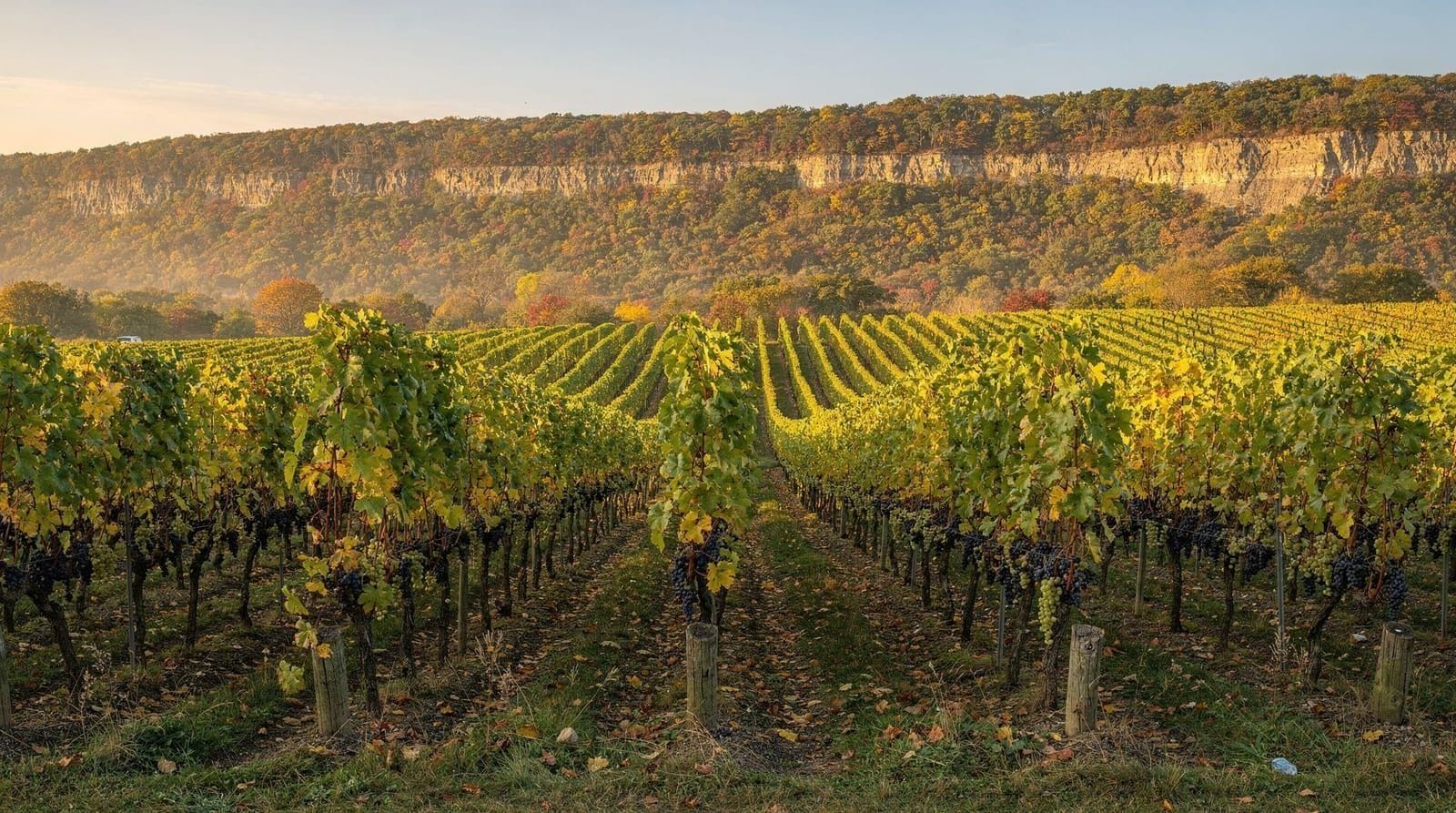
Two things drive most visits here: wine and theatre. The Niagara Peninsula is Canada’s largest wine-growing region, and Niagara-on-the-Lake sits at its centre, with more than 30 wineries within a short drive of downtown. The Shaw Festival, running roughly April through October, stages Bernard Shaw’s work alongside contemporary theatre across three venues in town, giving the destination a cultural anchor that most Ontario day-trip towns lack.
That combination of preserved 18th-century capital, working wine region, and established theatre festival gives Niagara-on-the-Lake a depth that a purely scenic small town rarely manages. It’s a place where you could reasonably spend three days without repeating an activity — a morning of wine tasting, an afternoon walk through the historic core, and an evening at the Shaw Festival — rather than exhausting the town’s appeal in a single afternoon stop.
Getting there from Toronto
By car is the practical choice: about 1.5 hours via the QEW, and necessary if you want to visit multiple wineries in a day, since most are spread along the Niagara Parkway and rural roads outside downtown rather than clustered in the town centre.
By GO Transit plus local connection: GO buses reach Niagara Falls; from there a short taxi or rideshare covers the remaining 25 minutes to Niagara-on-the-Lake. It works but adds friction for a wine-focused day.
By organized wine tour: several tours depart from Niagara Falls or include Toronto pickup, solving the obvious problem of driving after tastings. The Niagara-on-the-Lake wine tour with tastings and lunch covers three to four wineries plus a sit-down lunch, and takes the logistics off your plate entirely.
What to do in town and wine country
Queen Street is the town’s main commercial strip — independent boutiques, the Niagara Apothecary (a preserved 1866 pharmacy, now a small museum), and a concentration of ice cream shops that feels disproportionate to the town’s size but is genuinely well-earned; Niagara-on-the-Lake takes ice cream seriously.
Wine touring is the headline activity. Icewine is the region’s signature product — a dessert wine made from grapes frozen on the vine, harvested in the depths of winter, and rarer (and pricier) than table wine as a result. Most wineries offer standard tastings for $15–30 CAD per person, often waived with a purchase.
For a curated day without the logistics of driving between wineries yourself, the half-day winery tour with tastings (based just outside town) or the bicycle tour with wine tasting — a genuinely pleasant way to cover the flat vineyard roads between stops — both handle the route planning.
The Shaw Festival runs a full season of plays at the Festival Theatre, Royal George Theatre, and Jackie Maxwell Studio Theatre, generally April through October with a shorter winter program. Tickets range widely by seat and show, roughly $50–150 CAD; booking ahead in summer is worth it for popular productions.
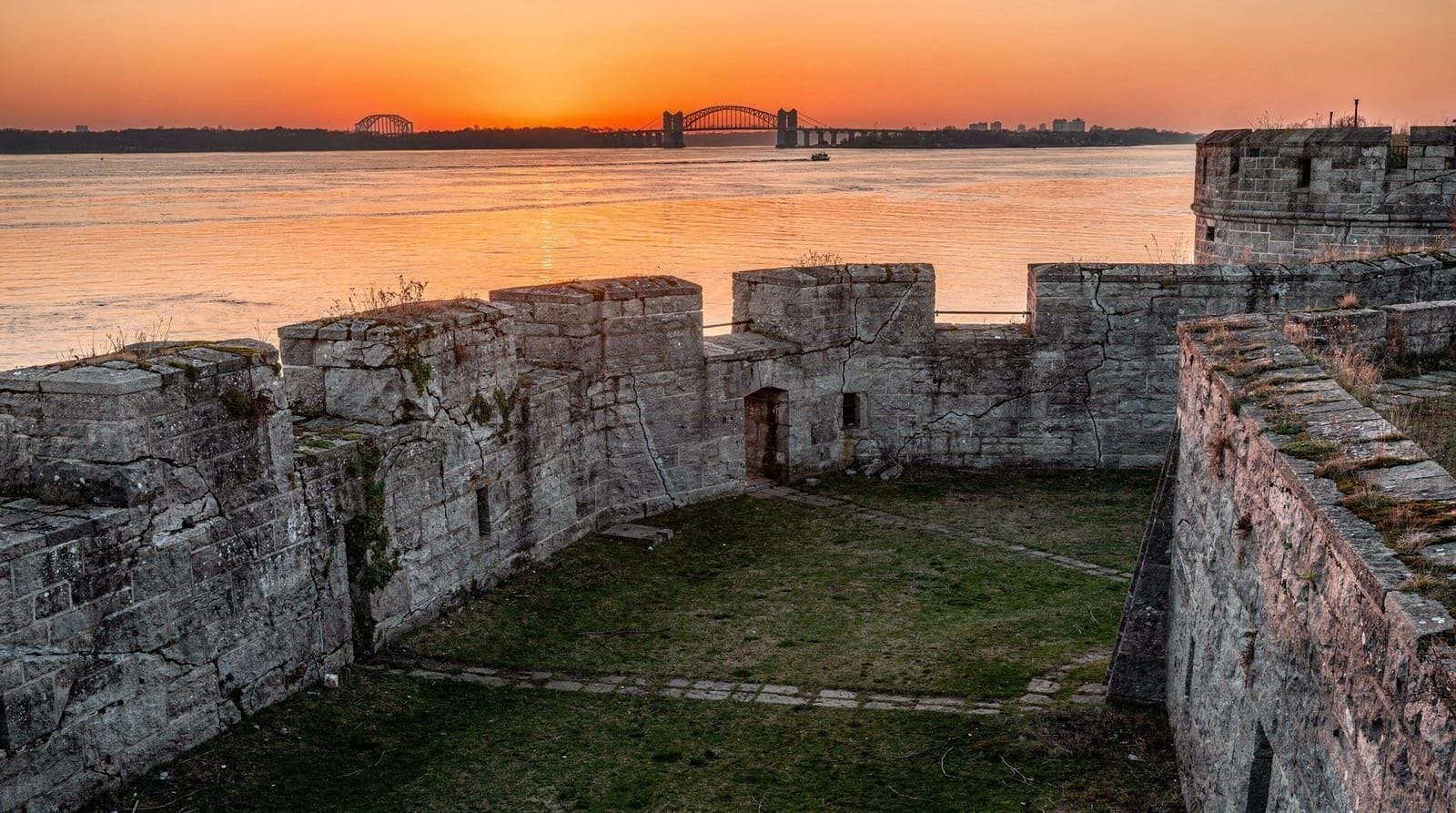
Fort George, a reconstructed War of 1812 British fort just outside downtown, offers a more grounded counterpoint to the wine-and-theatre reputation — costumed interpreters, cannon demonstrations on select days, and a clear-eyed look at the town’s role as a border flashpoint two centuries ago.
Sunset on the waterfront: the town’s small waterfront park at the mouth of the Niagara River faces Lake Ontario and the Toronto skyline on a clear day — a quiet, free way to close out an evening after dinner. For something more curated, the sunset wine tour with dinner combines the golden-hour vineyard views with a proper meal.
Niagara Parkway cycling, running along the river between Niagara-on-the-Lake and Niagara Falls, is one of the flatter, more scenic cycling routes in Ontario — a good half-day activity for visitors who’d rather see the region on two wheels than confined to a car or tour bus.
Where to eat and stay in Niagara-on-the-Lake
Several of the region’s wineries operate their own restaurants directly on-site, and a meal at one of these — Peller Estates and Ravine Vineyard among the better known — is arguably a more memorable dining experience than anything in downtown Queen Street, combining a proper tasting menu with vineyard views. Downtown itself carries a strong concentration of restaurants geared toward the Shaw Festival’s pre-theatre dinner crowd, meaning reservations around 5:30–6:30pm on performance nights book up fastest.
Accommodation in Niagara-on-the-Lake leans upscale, anchored by heritage properties like the Prince of Wales Hotel, the Pillar and Post, and a range of smaller bed-and-breakfasts occupying converted 19th-century homes. Budget travelers generally find better value basing themselves in Niagara Falls and driving the 25 minutes into town for the day, since NOTL’s own lodging rarely dips into true budget territory even in shoulder season.
Best time to visit
June through October covers the full wine season and most of the Shaw Festival’s calendar, with July and August the warmest and busiest. September is the strongest single month: harvest is underway (some wineries offer grape-picking or crush experiences), the Shaw Festival is still running, and the summer crowds have thinned noticeably after Labour Day.
Winter is quieter but not dead — several wineries stay open for icewine tastings, and the town’s holiday lights along Queen Street are genuinely charming, though many restaurants and the Shaw Festival reduce hours between January and March.
| Season | Wine touring | Shaw Festival | Crowds |
|---|---|---|---|
| Jun–Aug | Full tasting rooms, warmest weather | Full season | Busiest, book ahead |
| Sep–Oct | Harvest season, some crush experiences | Still running | Thinner after Labour Day |
| Nov–Mar | Icewine tastings only at select wineries | Reduced winter program | Quietest, best hotel rates |
| Apr–May | Reopening, patios back | Season starts | Light to moderate |
Day trips beyond the wine region
Beyond the vineyards, several travelers use Niagara-on-the-Lake as a base for a broader Niagara loop: the wider wine country region stretches west along the Beamsville Bench toward Hamilton, offering wineries with fewer crowds than the NOTL cluster itself, and Fort Erie extends the War of 1812 history a further 45 minutes south along the Niagara Parkway. Cyclists in good shape sometimes ride the full parkway between Niagara Falls and Niagara-on-the-Lake and back in a day, though renting an e-bike makes the return leg considerably easier.
Families splitting a trip between the two towns often find NOTL better suited to a slower morning — the Niagara Apothecary museum, the waterfront park, and a bakery stop on Queen Street — before an afternoon of bigger, louder attractions back at the falls. It’s a good way to balance a trip that otherwise risks being wall-to-wall sightseeing.
Practical tips
- Book winery tastings ahead in peak summer weekends; walk-ins are usually fine on weekdays but smaller boutique wineries can fill tasting slots.
- Designate a driver or book a tour — this is not a town to drive yourself around after a full day of tastings, and taxis/rideshare are limited outside the town centre.
- Parking in downtown Niagara-on-the-Lake is metered and fills up on summer weekends; the municipal lot off Wellington Street is the most reliable option.
- Bring a jacket even in summer — evenings by the lake cool down faster than inland Toronto.
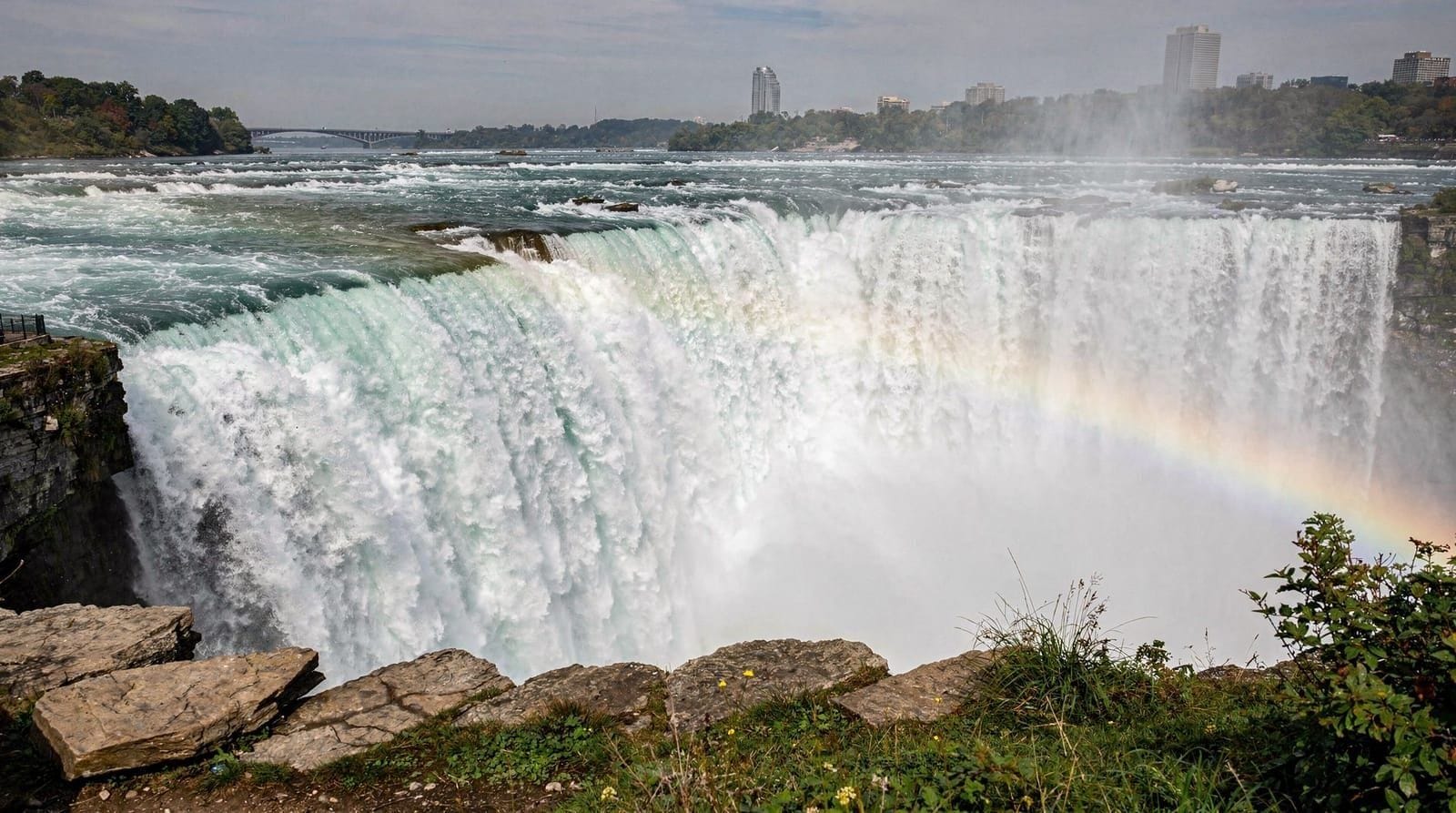
- Combine with Niagara Falls rather than treating them as separate trips: the 25-minute drive between them is one of the most scenic short drives in the region, running along the Niagara Parkway with river views most of the way.
Where this fits in a longer trip
Niagara-on-the-Lake pairs naturally with Niagara Falls for a classic two-stop Niagara trip, and with the broader Niagara Wine Country region if you want to range further afield to wineries outside town. History-focused travelers sometimes add Fort Erie to the itinerary for more War of 1812 sites. For full planning, see the Niagara wine country weekend getaway itinerary, built around exactly this town, or the Toronto and Niagara Falls in 4 days itinerary if you’re combining both destinations.
For deeper reading, our guides cover the best wineries in Niagara-on-the-Lake, compare Niagara wine tour options if you’re deciding how to structure the day, and explain wine tasting etiquette in Niagara for first-timers.
The icewine in Niagara guide is worth reading before you buy a bottle, and wine country weekend planning covers logistics in more depth. If you’re weighing this region against Ontario’s other wine destination, see Niagara versus Prince Edward County wine. The Niagara Falls day trip from Toronto guide also applies if you’re squeezing both into one day.
Frequently asked questions about Niagara-on-the-Lake
How many wineries can you realistically visit in one day?
Three to four wineries is the practical limit for a day that includes proper tastings, a lunch stop, and travel time between stops — trying to fit in more usually means rushing tastings or skipping food, neither of which makes for a good day. Organized tours typically build their itineraries around exactly this number.
Is Niagara-on-the-Lake walkable?
The town centre itself is very walkable — Queen Street, the shops, Fort George, and the waterfront are all within a 15-minute walk of each other. The wineries, however, are spread across rural roads outside town and require a car, bike, or tour to reach; you can’t wine-tour on foot.
What’s the difference between Niagara-on-the-Lake and Niagara Wine Country?
Niagara-on-the-Lake is the historic town at the centre of the wine region, with the highest concentration of well-known wineries nearby. “Niagara Wine Country” as a destination covers the broader Niagara Peninsula appellation, including wineries further from town along the Beamsville Bench and around St. Catharines, some of which are less crowded than the NOTL cluster.
Do I need reservations for the Shaw Festival?
Popular productions, especially in July and August, do sell out, so booking a few weeks ahead is safer than assuming walk-up tickets will be available. Shoulder-season shows (spring and late fall) generally have more flexibility.
Is Niagara-on-the-Lake expensive?
It skews upscale relative to nearby Niagara Falls — boutique hotels, tasting menu restaurants, and winery tasting fees add up. A mid-range day with a winery tour, lunch, and dinner typically runs $150–250 CAD per person, though a lower-key day of walking Queen Street and a single winery stop can be done for closer to $80–100.
Can you visit Niagara-on-the-Lake without visiting the falls?
Yes, and many repeat visitors do exactly that once they’ve seen Niagara Falls once — the town, wine country, and Shaw Festival stand on their own without needing the waterfall as the anchor. It’s a genuinely different kind of trip, closer to a countryside wine escape than a sightseeing day.
Are the winery restaurants worth it compared to downtown dining?
Many travelers find them the highlight of the trip — restaurants at wineries like Peller Estates or Ravine Vineyard combine a proper meal with vineyard views in a way downtown Queen Street simply can’t replicate, though they typically require reservations well ahead, especially for dinner on summer weekends.
Is Niagara-on-the-Lake a good base, or is Niagara Falls better for budget travelers?
Niagara-on-the-Lake’s accommodation leans upscale across the board, so budget-conscious travelers often base themselves in Niagara Falls, where lodging options span a much wider price range, and drive the 25 minutes into NOTL for wine touring and Shaw Festival visits during the day.
Top experiences
Bookable activities with verified prices and instant confirmation on GetYourGuide.