Wine tasting etiquette in Niagara
What's proper etiquette for wine tasting in Niagara?
Book ahead where possible, arrive on time, taste rather than gulp (spitting or using the provided dump bucket is normal and expected, not rude), ask questions rather than staying silent, and don't feel obligated to buy at every stop — most tasting rooms don't expect a purchase from every visitor.
| Where | Niagara wine country, roughly 1.5hrs from Toronto |
| Tasting fee | Around CAD $10-25 per flight, often waived with a purchase |
| Time needed | 30-45 minutes per winery, 3-4 wineries per day |
| Getting there | Self-drive, rental car, or a guided tasting tour |
| Best time | June-October for the fullest calendar; January for icewine |
Niagara tasting rooms are more relaxed than the stereotype
A lot of first-time visitors approach a wine tasting expecting a formal, intimidating ritual with unspoken rules they’re bound to get wrong. Niagara’s tasting rooms, in practice, run considerably more relaxed than that stereotype — staff are used to visitors with a wide range of wine knowledge, from serious collectors to people trying their first proper tasting flight, and nobody is judging your swirl technique. That said, a handful of practical habits make the experience smoother for you and more pleasant for the staff and other visitors around you.
Booking and arriving
Reserve ahead where the winery offers it, particularly at larger operations like Peller Estates or Jackson-Triggs on weekends during peak season (June-October) — walking in without a reservation at a busy winery on a Saturday afternoon can mean a wait or, occasionally, being turned away if the tasting room is at capacity. Arrive close to your reserved time; tasting rooms run on a schedule to manage flow through the room, and arriving significantly early or late can disrupt the next group’s booking. Our Niagara wine country guide and best wineries in Niagara-on-the-Lake are good starting points if you haven’t picked which tasting rooms to prioritize.
Deciding between self-driving and a guided tour
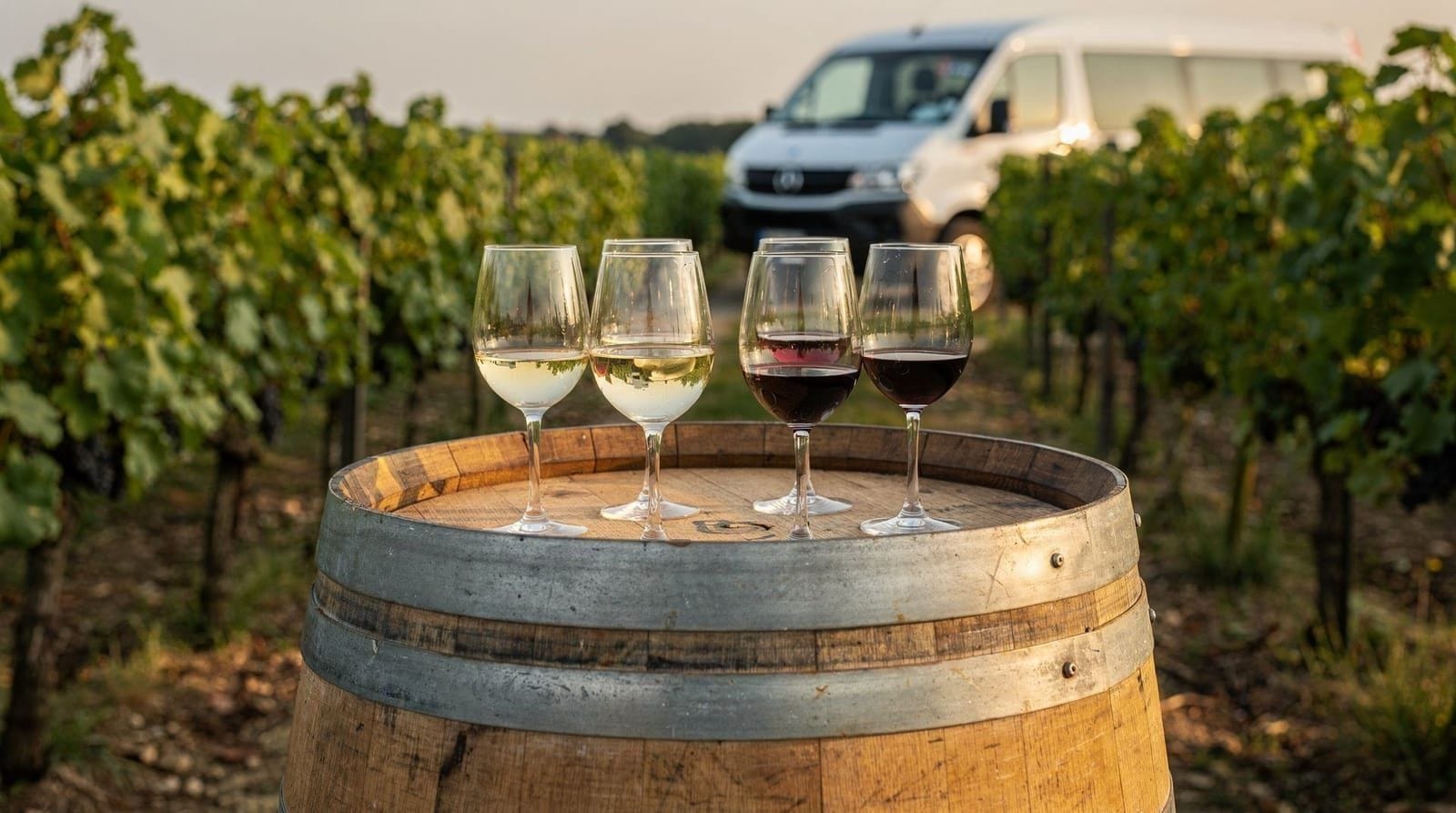
The designated-driver question shapes the whole day: a self-driven visit means one person tastes less (or not at all) so everyone else can drink comfortably, while a guided tasting tour removes that trade-off entirely by including transport between wineries.
A guided day like the half-day Niagara winery tour with tastings or the lunch-in-the-vineyard tour also tends to build in a more realistic pace than a self-planned itinerary, since the operator already knows how long each stop actually takes. Our guided Niagara tour comparison breaks down when a tour is worth it versus renting a car yourself.
How to actually taste
The standard sequence — look, swirl, smell, sip — isn’t performative snobbery, it’s genuinely how you get the most information out of a wine: swirling releases aromatic compounds, and smelling before tasting primes your palate to notice more in the sip itself. Take a small sip, let it sit on your tongue for a moment, and don’t feel pressured to say something sophisticated about it — “I really like this one” or “this isn’t for me” are both completely normal, useful responses that help tasting-room staff guide you toward what you’ll actually enjoy buying.
Spitting and the dump bucket
Every tasting room provides a dump bucket, and using it — either to spit out a taste or to pour out the remainder of a pour you didn’t finish — is completely normal, not rude. It’s the practical way to taste more wines across a full day without becoming impaired, which matters given how strictly Ontario enforces impaired driving and how many wineries you might visit in one outing. Nobody at a Niagara tasting room will think less of you for using the bucket; if anything, staff generally read it as a sign you’re taking the tasting seriously rather than treating it as a free-pour happy hour.
Buying — or not buying
Tasting fees, typically CAD $10-25 for a flight, are the wineries’ primary revenue from a tasting-room visit that doesn’t lead to a bottle purchase, and most operations understand that not every taste converts to a sale. Buying wine at some, not all, of the wineries you visit in a day is completely normal — nobody expects a purchase at every single stop, and staff won’t push you if you decline. That said, if a particular wine genuinely stands out, buying a bottle on the spot is a good way to support a smaller producer directly and often means walking away with something you can’t easily find at an LCBO store back home.
Asking questions
Tasting-room staff are generally knowledgeable and enjoy talking about the wine, the winemaking process, and the winery’s specific approach — asking questions is welcomed, not an imposition, and it’s genuinely the best way to get more out of a tasting than just working through the pours in silence. Questions about the vineyard’s soil, the winemaker’s background, or how a specific vintage differs from previous years tend to open up a more interesting conversation than a generic “what do you recommend.”
Group size and pacing
Most tasting rooms comfortably handle groups of 2-6; larger groups (8 or more) should call ahead, since some smaller wineries don’t have the tasting-room capacity for a big party without disrupting other visitors. Pace yourself across the day — 3-4 wineries with a lunch stop is a realistic, enjoyable day, while trying to squeeze in 6-7 wineries usually means shorter, rushed tastings and a less pleasant afternoon by the final stop.
Dress and other practical notes
Casual clothing is fine at nearly every Niagara winery; a handful of the more upscale tasting rooms and attached restaurants lean smart-casual, particularly for a reserved lunch seating. Avoid wearing strong perfume or cologne, which genuinely interferes with your own and others’ ability to smell the wine properly — this is one of the few etiquette points tasting-room staff will actually notice and appreciate you observing.
Etiquette differences between small and large wineries
The etiquette expectations shift somewhat depending on the scale of the winery you’re visiting. At a large, restaurant-attached operation like Peller Estates or Jackson-Triggs, tasting-room staff are used to handling a steady flow of visitors on a tighter schedule, so keeping your group moving reasonably promptly through the flight respects both the staff and the next group waiting for a table.
At a small, owner-operated winery, the pace is often more conversational and less time-boxed, and lingering to chat with the winemaker is generally welcomed rather than holding anyone up — these smaller operations often see a genuine, unhurried conversation as part of what makes a visitor more likely to become a repeat customer or wine-club member. Reading the room on arrival — is there a line forming, or is it just your group in a quiet tasting room — is the simplest way to calibrate your pace appropriately at either type of winery.
Common etiquette mistakes visitors make
A few habits genuinely do bother tasting-room staff, worth avoiding even though most etiquette here is fairly relaxed. Arriving significantly late to a reserved tasting slot without calling ahead disrupts the schedule for every group after you. Treating a tasting flight like a free-pour bar — finishing every glass rather than tasting and using the dump bucket — tends to mean you’re noticeably impaired by the second or third winery, which is both a safety concern and, frankly, makes for a less attentive, less enjoyable tasting experience for you.
And loudly comparing a winery’s product unfavorably to a competitor’s within earshot of staff, while not exactly rude, tends to read as tone-deaf given you’re standing in someone’s own tasting room. None of these are unforgivable mistakes, but avoiding them makes for a smoother day for you and for the people hosting you.
Etiquette specific to icewine and dessert wine tastings
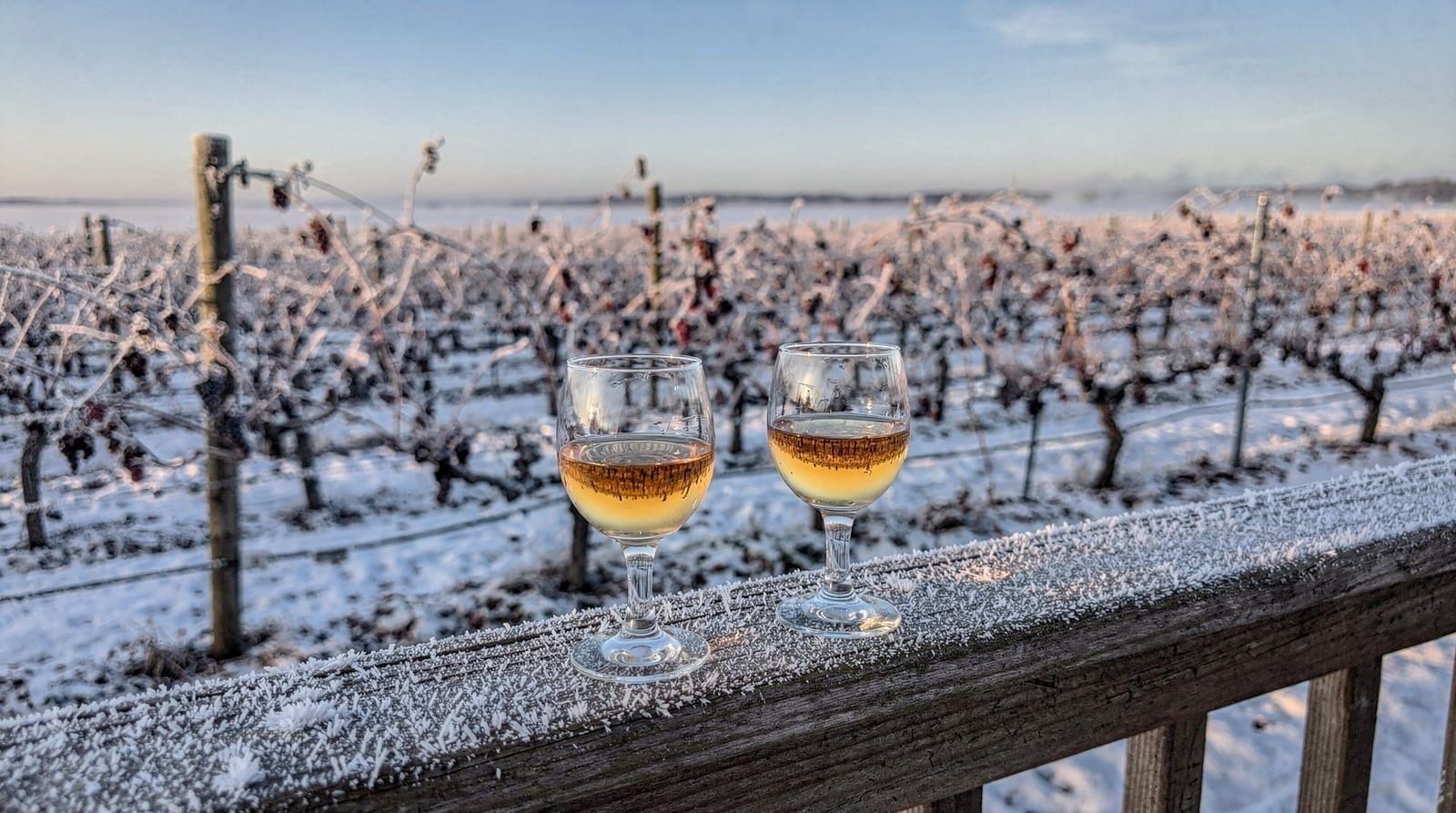
If your tasting flight includes icewine, a few additional points of etiquette are worth knowing given how different it is from tasting a standard dry wine. Because icewine is served in much smaller pours (roughly 1-2 oz versus a standard 2-3 oz regular wine pour) and priced considerably higher per bottle, it’s generally understood as the flight’s finale rather than something to rush through — take your time with it, and don’t be surprised if the tasting-room host explains the production process unprompted, since it’s a point of genuine pride for Niagara wineries given the region’s international reputation for the style.
Asking to smell before tasting matters even more with icewine than with standard wine, since the aromatic intensity is part of what makes the style distinctive, and a good host will often specifically encourage you to linger on the aroma before your first sip. The icewine guide covers the production process and the January harvest window in more depth if the style interests you beyond a single flight.
Planning a full tasting day or weekend
If you’re building a whole day or weekend around tastings rather than a single stop, our Niagara wine tour options compared lays out the practical differences between self-driving, hop-on-hop-off shuttles, and fully guided tours, and the wine country weekend planning guide covers how many wineries to realistically book per day and how to structure a two-day trip. Niagara-on-the-Lake itself is the easiest base, with the widest concentration of tasting rooms within a short drive of the town.
Frequently asked questions about wine tasting etiquette in Niagara
Is it okay to ask for a smaller pour if I’m visiting multiple wineries?
Yes, and most tasting-room staff appreciate the consideration — mentioning upfront that you’re visiting several wineries and want to pace yourself is a completely normal, welcomed request.
Do I need to know a lot about wine to enjoy a Niagara tasting?
No — tasting-room staff are used to guests across the full range of wine knowledge, and part of their role is explaining what you’re tasting in accessible terms rather than assuming expertise.
What if I don’t like a wine I’m tasting?
Simply say so and use the dump bucket for the rest of the pour — staff would rather know your honest reaction than have you force down something you don’t enjoy, since it helps them recommend something better suited to your taste for the next pour.
Is it appropriate to take photos in a Niagara tasting room?
Generally yes for personal use; ask first if you want to photograph staff or other guests, and check whether flash photography is welcome in a smaller, quieter tasting room.
Should I eat before a wine tasting?
Yes — arriving with some food in your stomach (not necessarily a full meal) helps you taste more wines comfortably across a day without the alcohol hitting too quickly, especially important given the driving considerations involved.
Is it rude to leave a tasting room quickly without buying anything?
No, though a brief, polite thank-you to staff before leaving is appreciated. Tasting rooms are used to visitors moving through multiple wineries in a day and don’t expect every stop to end in a sale.