Icewine in Niagara guide
Lunch atop the Skylon Tower + Maple Syrup & Chocolate Tour
What is icewine and why is it expensive?
Icewine is a dessert wine made from grapes left on the vine and harvested frozen, typically at -8°C or colder, usually in January. Freezing concentrates the sugars, but it takes roughly ten times more grapes to produce the same volume of wine as a regular vintage, which is why a 375ml half-bottle typically costs CAD $40-90.
Canada’s most distinctive wine export
Icewine is the wine Niagara is most internationally known for, and understanding how it’s made explains both why it tastes the way it does and why it costs what it does. Unlike a typical wine harvest, which happens in early fall when grapes reach standard ripeness, icewine grapes stay on the vine deep into winter — netted to protect them from birds — until the first night the temperature drops to at least -8°C, usually sometime in January. At that point, workers harvest the frozen grapes, often overnight or in the early morning while they’re still frozen solid, and press them immediately, before they can thaw.
| Cost | Around $40-90 CAD for a 375ml half-bottle |
| Harvest | Usually January, at -8°C or colder |
| Where to try | Niagara-on-the-Lake wineries, or LCBO stores year-round |
| Serving size | Small pours, roughly 1-2 oz, given the intensity |
| Best paired with | Rich desserts — crème brûlée, foie gras, blue cheese |
Why the process makes it expensive
Freezing concentrates the sugars and flavor compounds inside each grape while most of the water content stays frozen and gets separated out during pressing, leaving a small amount of intensely sweet, concentrated juice. The catch is volume: it takes roughly ten times more grapes to produce the same amount of finished wine compared to a standard vintage, since so little liquid comes out of each frozen grape. That’s the direct reason icewine is sold in small 375ml half-bottles rather than standard 750ml bottles, and why a bottle typically runs CAD $40-90 — the labor and grape yield simply don’t support standard wine pricing or bottle sizes.
Vidal Blanc and the grapes behind it
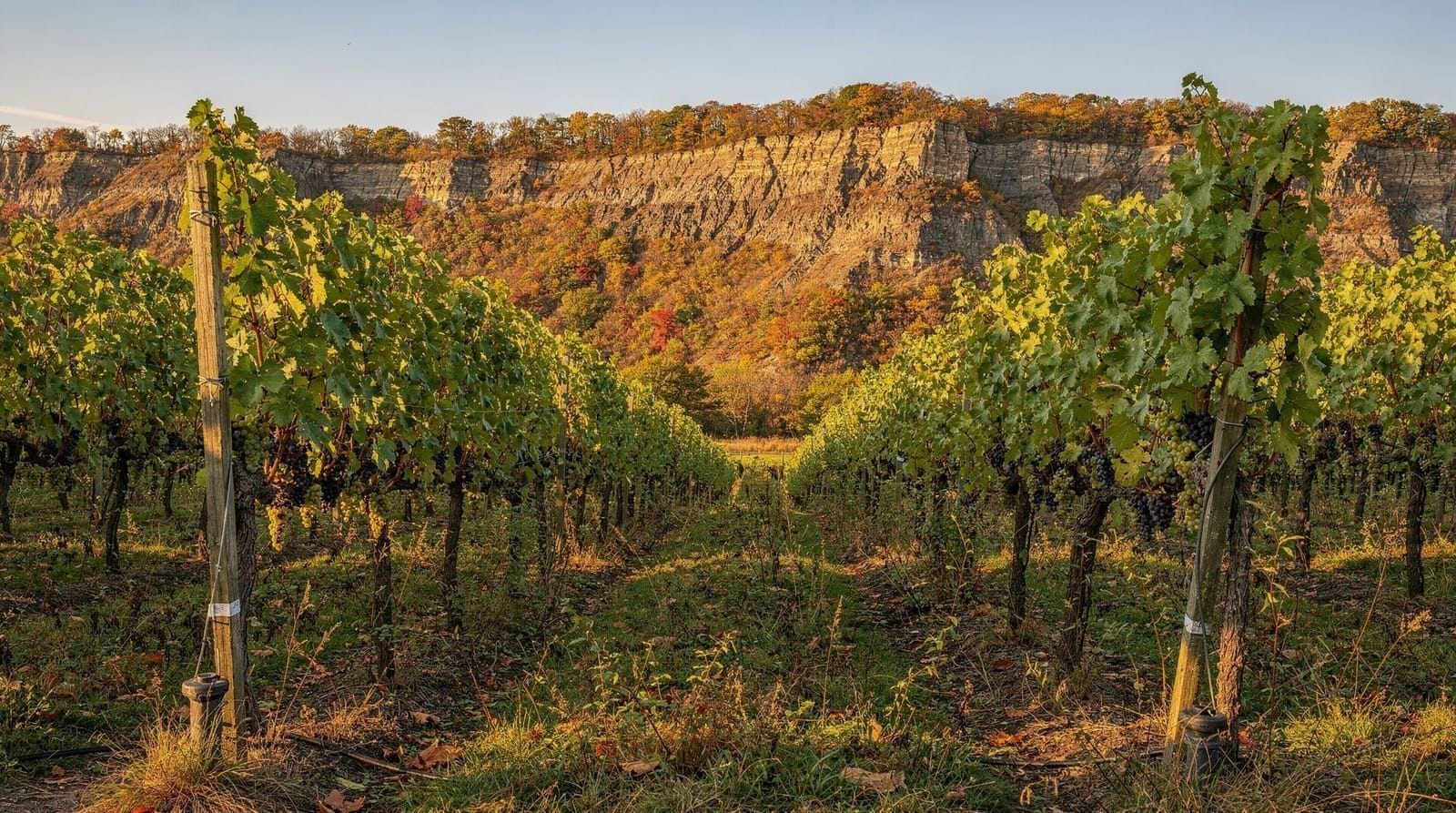
Vidal Blanc is the most widely used grape for Niagara icewine, chosen specifically for its thick skin, which holds up better through the repeated freeze-thaw cycles of hanging on the vine into January compared to thinner-skinned varieties. Cabernet Franc and Riesling icewines are also produced in smaller quantities, offering a different flavor profile — Cabernet Franc icewine, in particular, has a distinctive red-berry character that surprises visitors expecting only white or amber-colored dessert wine.
Inniskillin and Niagara’s icewine reputation
Inniskillin remains the name most closely associated with putting Canadian icewine on the international map — its 1989 Vidal Blanc icewine won the Grand Prix d’Honneur at Vinexpo in 1991, a genuinely significant moment that established Niagara icewine as a serious, internationally respected product rather than a regional curiosity. Visiting Inniskillin’s tasting room, covered in more depth in our best wineries in Niagara-on-the-Lake guide, is a reasonable way to try the style at its most historically significant source, though many other Niagara producers now make excellent icewine as well.
Trying icewine without visiting in January
You don’t need to visit during the January harvest to try icewine — it’s available for tasting and purchase at wineries and LCBO stores year-round, since the finished bottled product doesn’t need to be consumed near the harvest date. The Niagara Skylon Tower lunch with maple syrup and chocolate experience pairs Canadian culinary specialties, including icewine-adjacent treats, with a meal overlooking the falls, a reasonable way to sample Niagara’s signature sweet flavors without a dedicated winery stop.
Visiting during the actual harvest
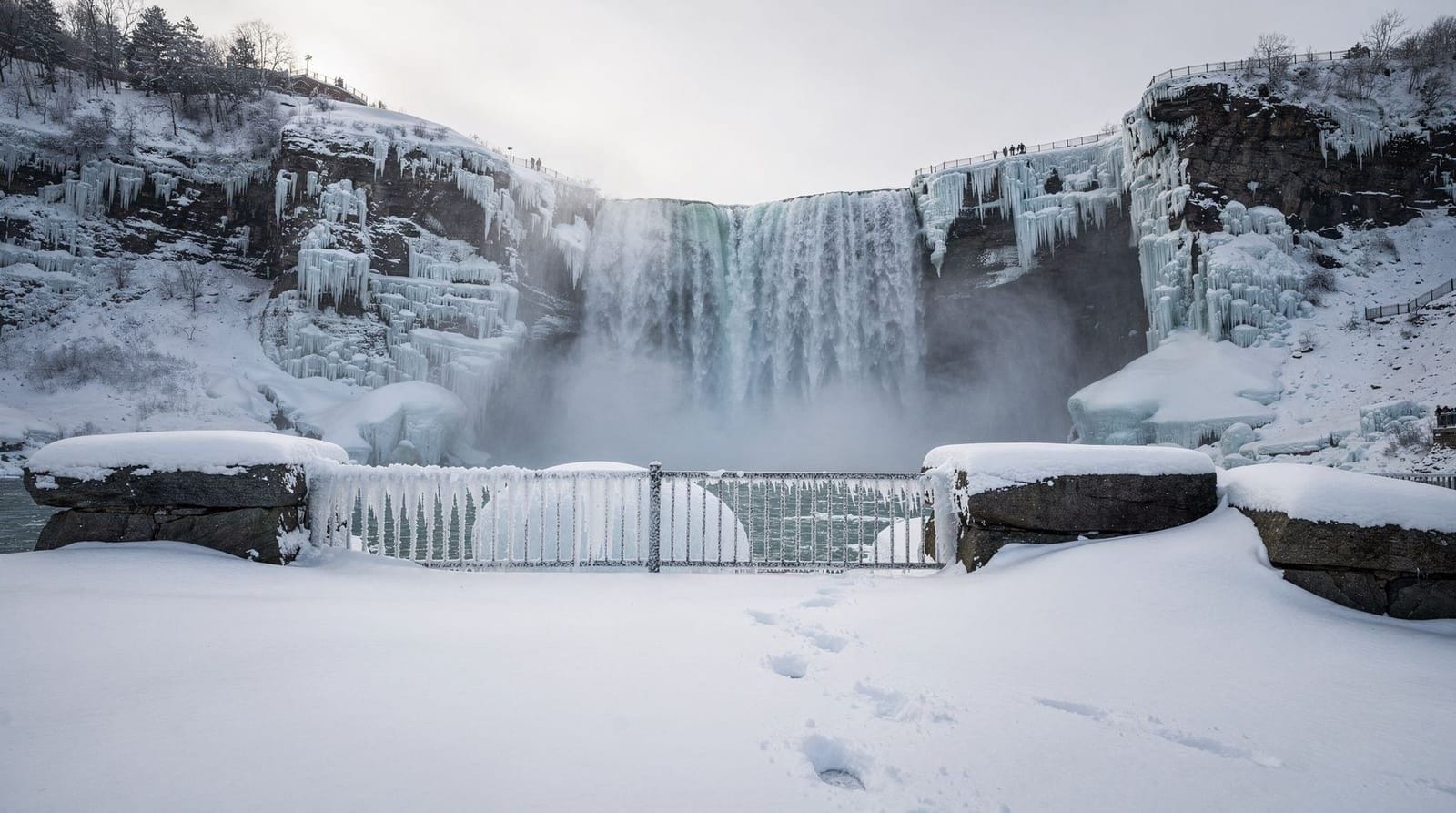
If your travel dates do allow for a January visit, the Niagara Icewine Festival, covered in our dedicated guide, times its events to the harvest season and offers a genuinely unique opportunity — some wineries invite visitors to observe or even participate in the pre-dawn grape harvest when conditions are right, a cold but memorable experience unavailable at any other time of year. Expect significantly colder, less crowded conditions than a typical Niagara visit, and dress for genuinely harsh winter weather — see our Niagara Falls in winter guide for what else is realistic to plan around a January trip.
How to serve and pair icewine
Icewine is meant to be served chilled, in small pours (roughly 2 oz) rather than a standard wine glass pour, given its intensity and sweetness. It pairs classically with rich desserts — crème brûlée, foie gras, or strong blue cheese — where the wine’s concentrated sweetness balances against the food’s richness or saltiness rather than competing with another sweet dish. Several Niagara winery restaurants offer an icewine pairing as part of a tasting menu, worth asking about specifically if you want a guided introduction to how it’s meant to be enjoyed.
How icewine differs from a late-harvest wine
Visitors sometimes confuse icewine with a general “late-harvest” or “dessert wine” category, but the distinction is specific and legally regulated in Canada. A late-harvest wine is made from grapes left on the vine longer than usual to increase sugar concentration through simple ripening, without any freezing requirement. True icewine, under Canadian VQA regulations, must be made from grapes that froze naturally on the vine at -8°C or colder and were pressed while still frozen — a specific, weather-dependent process that can’t be replicated artificially by simply picking ripe grapes and freezing them afterward in a warehouse.
This distinction matters for authenticity: genuine Canadian icewine carries a VQA designation confirming it followed the true natural-freeze process, worth checking for on the label if you want to be certain what you’re buying reflects the full traditional method rather than a cheaper imitation technique sometimes used elsewhere in the world.
Visiting wineries specifically for their icewine program
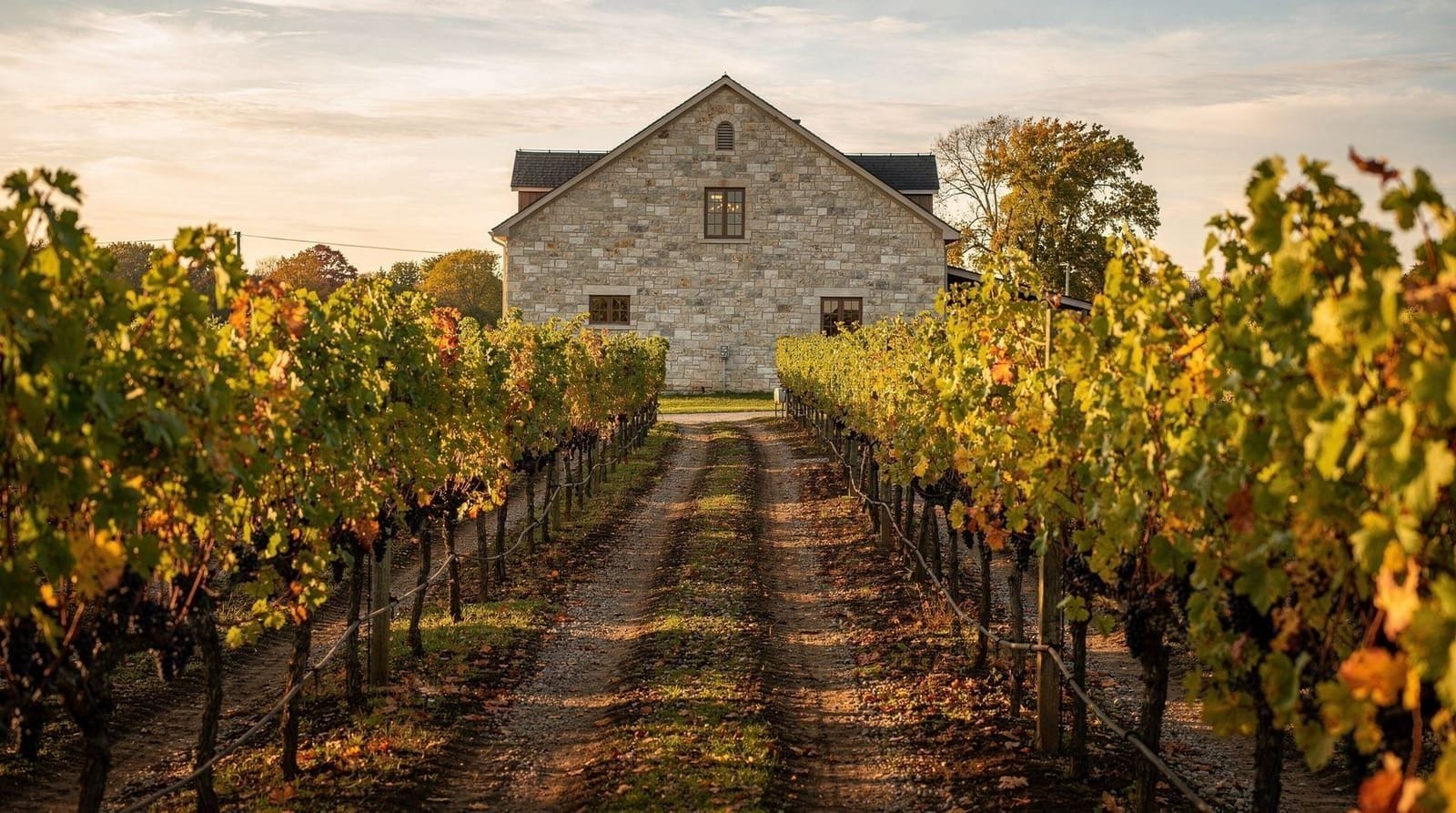
Not every Niagara winery produces icewine, given how weather-dependent and resource-intensive the process is, so if icewine is a specific priority for your visit, it’s worth confirming a winery has an active icewine program before building your day around it. Inniskillin remains the most historically significant stop, but Peller Estates, Jackson-Triggs, and several other established Niagara-on-the-Lake producers, covered in our best wineries in Niagara-on-the-Lake guide, also maintain strong icewine programs with tasting-room staff well versed in explaining the harvest and production process in detail.
Practical notes
- Buying and taking it home: Icewine travels well in checked luggage if well-packed, and most wineries can arrange shipping within Canada.
- Price expectations: CAD $40-90 for a 375ml bottle is standard; treat sticker shock as a reflection of the genuinely labor-intensive process rather than pure markup.
- Tasting portions: Expect a small pour (roughly 1-2 oz) at tasting rooms given the cost and intensity of the wine.
- January visits: Book accommodation and any harvest-viewing experiences well ahead, since availability during the Icewine Festival period is limited.
Icewine as a Toronto trip souvenir
For visitors deciding what to bring home from a Toronto or Niagara trip, icewine sits in an unusual sweet spot — genuinely distinctive to the region in a way a t-shirt or generic maple-leaf keychain isn’t, compact enough to pack given its small 375ml bottle size, and impressive enough as a gift that it tends to get remembered rather than forgotten in a cupboard.
The trade-off is fragility and cost — wrap it carefully in checked luggage, and budget realistically for the CAD $40-90 price point rather than treating it as a casual impulse buy. Several visitors buy one bottle to drink during their trip, ideally paired with dessert at a winery restaurant, and a second bottle specifically to take home, a reasonable way to experience the wine in its intended context while still having a physical souvenir of the trip afterward.
Tasting icewine as part of a winery tour
If a solo tasting room stop feels thin, a guided half-day winery tour is a reasonable way to pair icewine tasting with a broader look at the region’s other styles — most Niagara-on-the-Lake wine tours include at least one icewine pour as part of the flight, alongside the reds and whites the region is also known for. See our best wineries in Niagara-on-the-Lake guide for which producers have the strongest icewine programs specifically.
Niagara half-day winery tour with tastingsFrequently asked questions about Niagara icewine
Is icewine the same as ice cider?
No, though the concept is similar — icewine is made from frozen grapes, while ice cider uses the same freezing-concentration principle applied to apples. Both are Canadian specialties, and some Ontario cideries produce ice cider alongside their standard cider lineup.
How sweet is icewine compared to other dessert wines?
Very sweet, generally sweeter than most late-harvest or botrytized dessert wines, balanced by high acidity that keeps it from tasting cloying. It’s meant to be sipped slowly in small quantities rather than drunk like a standard glass of wine.
Can I visit Niagara specifically to see the icewine harvest?
Yes, but the exact harvest date isn’t fixed in advance — it depends on when temperatures first drop to -8°C or colder, typically sometime in January. Some wineries offer advance notice or scheduled harvest-viewing events tied to the Niagara Icewine Festival.
Is Niagara icewine considered as good as European dessert wines like Sauternes?
Niagara icewine and French Sauternes are made through entirely different processes (freezing versus noble rot) and represent distinct styles rather than direct competitors, though Niagara icewine has earned significant international recognition and awards in its own right.
How long does icewine keep once opened?
Similar to other dessert wines, an opened bottle keeps well for several days to a week if resealed and refrigerated, given its high sugar and acidity content, which act as natural preservatives.
What’s the best way to try multiple icewines without buying full bottles?
Most Niagara winery tasting rooms offer icewine by the tasting pour as part of a flight, letting you sample several styles and producers without committing to a full bottle purchase for each.
Top experiences
Bookable activities with verified prices and instant confirmation on GetYourGuide.