Best wineries in Niagara-on-the-Lake
Niagara-on-the-Lake: Wine Tour with Tastings and Lunch
What are the best wineries in Niagara-on-the-Lake?
Inniskillin, one of Canada's icewine pioneers, and Peller Estates and Jackson-Triggs, both known for polished tasting rooms and on-site restaurants, are the most-visited names. For a quieter, more boutique experience, smaller producers along the Niagara River Parkway offer tastings with less crowd and more one-on-one time with staff.
Niagara wine country’s most polished hub
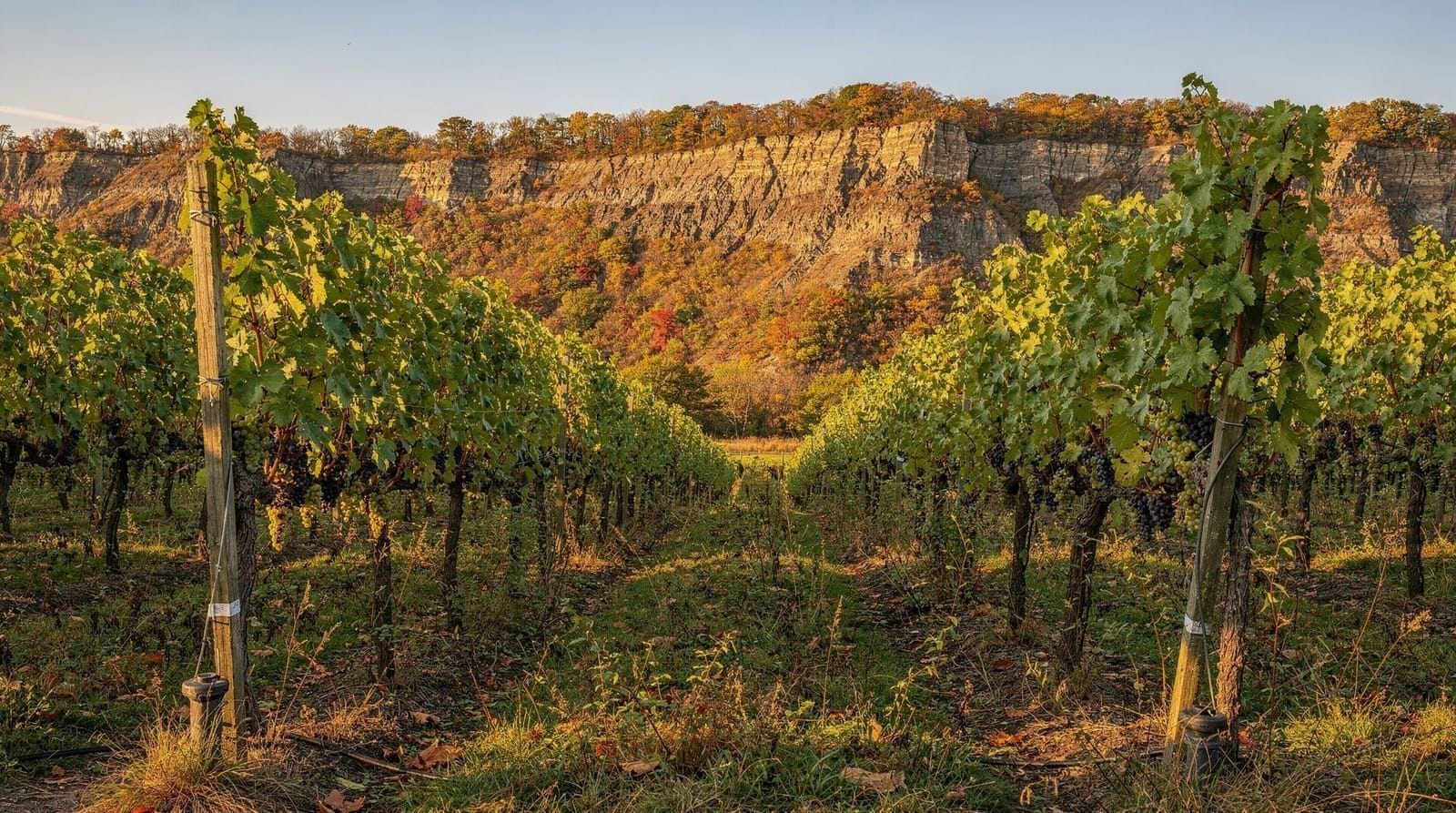
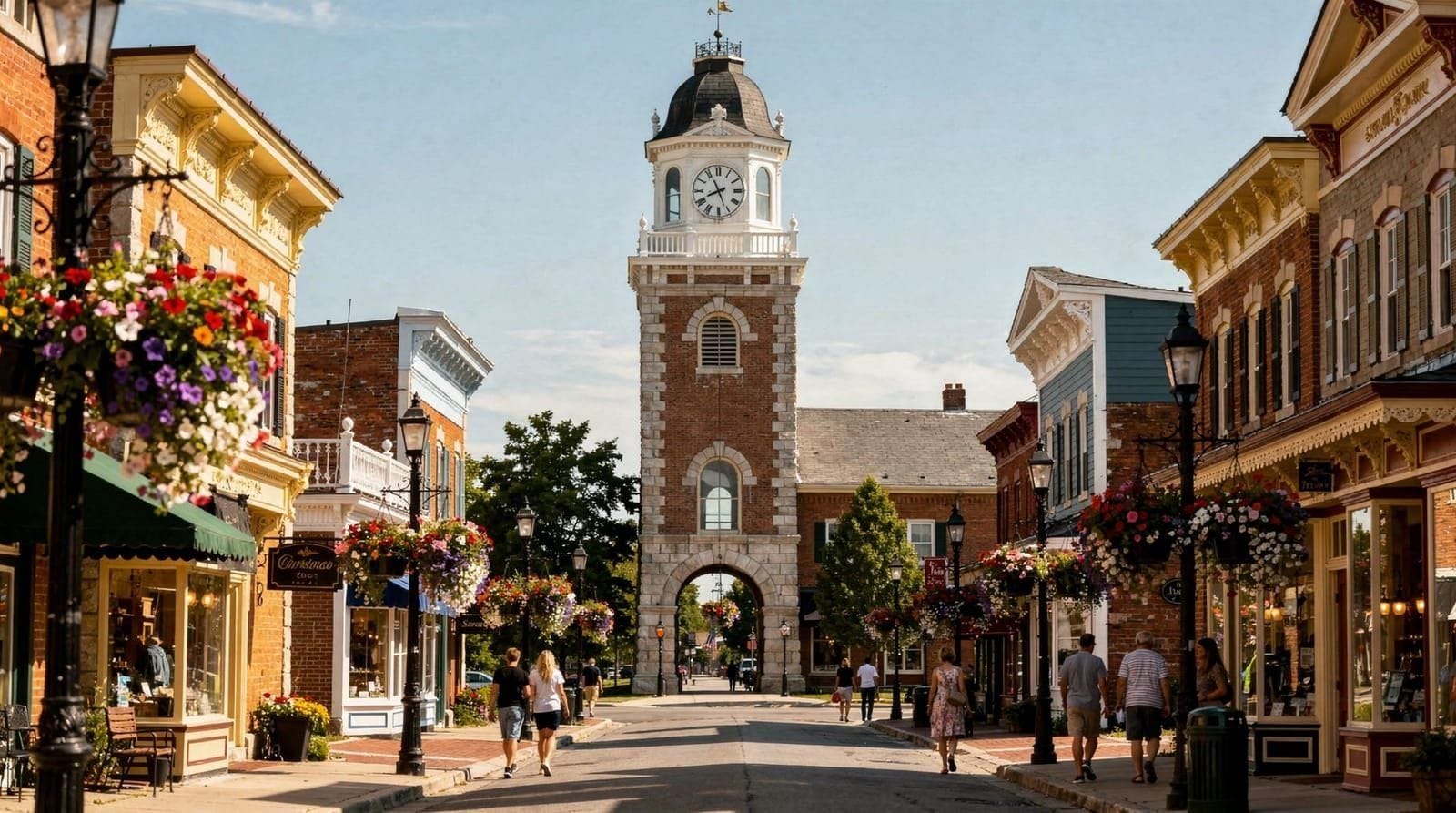
Niagara-on-the-Lake is the single most visitor-friendly cluster within Niagara’s broader wine region — a historic lakeside town with a well-preserved 19th-century main street, the Shaw Festival theatre, and a dense concentration of wineries within a short drive of downtown, many with full restaurants and vineyard-view patios built specifically for tourism. It’s the natural starting point for a first Niagara wine trip, and it holds up on repeat visits too, given how many producers operate here.
| Where | Niagara-on-the-Lake, about 20-25 minutes from Niagara Falls |
| Cost | Tastings around CAD $10-25/flight; lunch CAD $30-50/person |
| Best for | 3-4 wineries in a day; 2 if combined with Niagara Falls |
| Booking | Reserve ahead for Peller Estates, Jackson-Triggs, Inniskillin |
| Season | June-October peak; quieter, more personal November-April |
Restaurant wineries vs. tasting-only wineries
| Type | Examples | Best for |
|---|---|---|
| Restaurant winery | Peller Estates, Jackson-Triggs | Anchoring a lunch around one stop |
| Tasting-only | Smaller family-run producers | Attentive, unhurried tasting service |
| Established mid-size | Chateau des Charmes, Reif Estate | Middle ground, comfortable without crowds |
The best-known names
Inniskillin is arguably Canada’s most internationally recognized winery, having helped establish Canadian icewine’s global reputation after its 1989 Vidal Blanc icewine won a top prize at Vinexpo in 1991 — a genuine turning point for Ontario wine’s international standing. Its tasting room draws steady visitor traffic as a result, and it’s worth prioritizing if icewine specifically interests you, alongside our icewine in Niagara guide for more on how the style is made.
Peller Estates and Jackson-Triggs are two of the region’s largest and most polished operations, both running full restaurants with vineyard views that make them a reasonable anchor for a lunch stop mid-tasting-day. Their scale means larger groups are easier to accommodate here than at smaller boutique wineries, though the tasting experience is correspondingly less personal.
Chateau des Charmes and Reif Estate, both established, mid-sized producers, offer a middle ground — smaller than Peller or Jackson-Triggs but with enough infrastructure for a comfortable, well-run tasting without the biggest crowds.
Booking a guided tasting tour
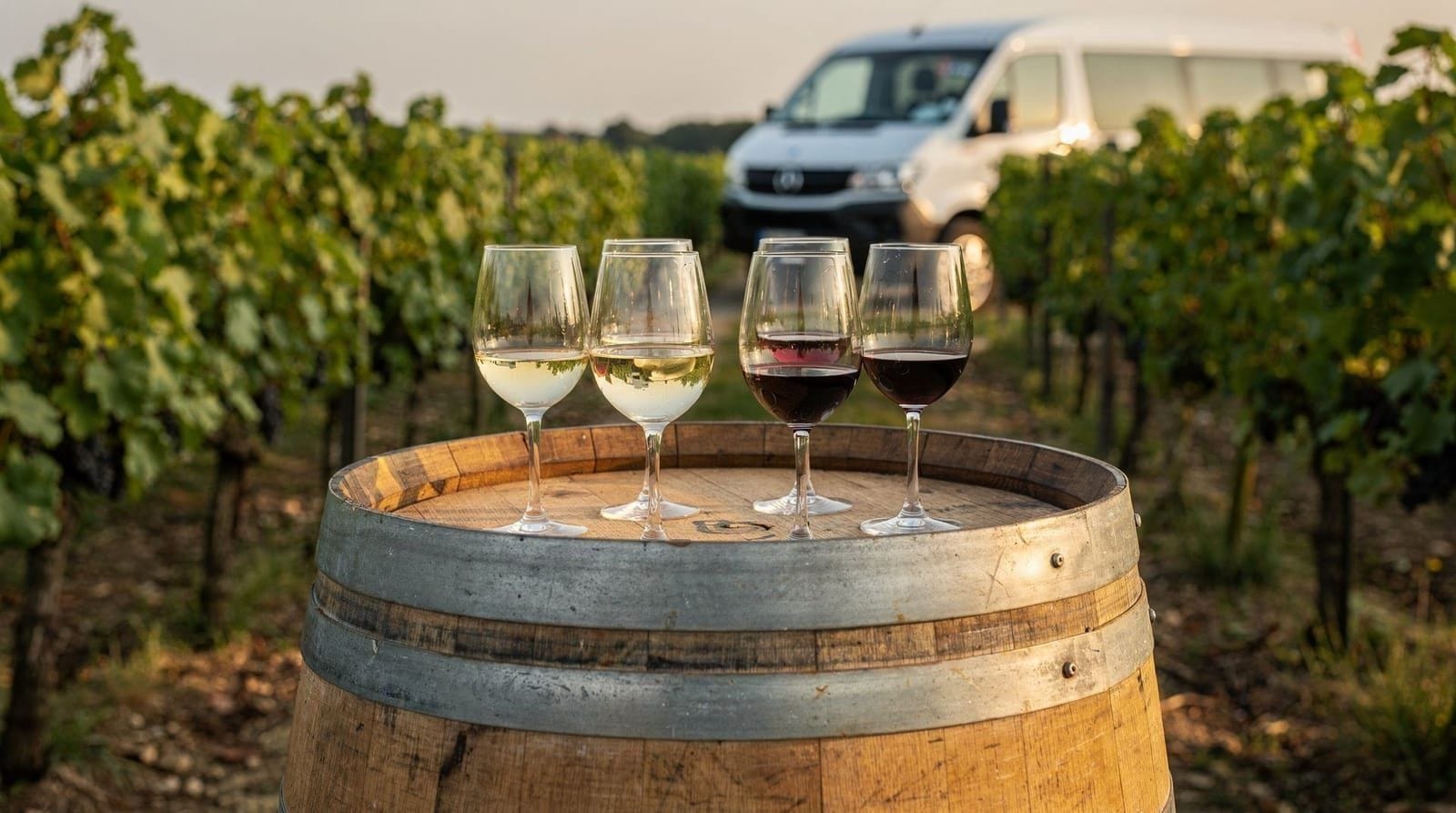
The Niagara-on-the-Lake wine tour with tastings and lunch bundles transportation, several winery stops, and a lunch reservation into one booking, removing the trip-planning overhead of arranging reservations at multiple wineries yourself. For a lighter, food-focused alternative, the Niagara-on-the-Lake wine and charcuterie day tour pairs tastings with a charcuterie-style lunch rather than a full sit-down restaurant meal, useful if your group prefers a more casual pace.
Smaller producers worth seeking out
Beyond the well-known names, smaller boutique wineries scattered along the Niagara River Parkway and further into the Niagara-on-the-Lake sub-appellation offer a quieter alternative — shorter or no lines, more direct conversation with tasting-room staff, and often a more distinct, less mass-market style of wine. These are worth building into your route on a second Niagara-on-the-Lake visit once you’ve covered the major names, or from the start if a quieter, less touristed experience matters more to you than visiting the most recognized labels.
Planning your route and timing
Niagara-on-the-Lake’s wineries sit closer together than the wider Niagara region, which makes a 3-4 winery day genuinely achievable without excessive driving between stops. Book the larger wineries ahead, especially for weekend visits June through October, and treat smaller producers as flexible fill-ins around your fixed reservations. Starting the day at 10-11am with a late-morning tasting, moving to a winery restaurant for lunch around 1pm, and finishing with one or two more stops in the afternoon is a workable structure that avoids rushing.
Combining wine with the town itself
Niagara-on-the-Lake’s main street, Queen Street, is worth an hour or two beyond the wineries — historic buildings, boutique shops, and the Shaw Festival theatre (running April through October) give the town a genuine destination feel beyond wine alone. Our Niagara-on-the-Lake day trip guide covers the town’s non-wine attractions in more depth if you’re building a fuller day around both wine and sightseeing.
Restaurant wineries versus tasting-only wineries
Niagara-on-the-Lake’s wineries split roughly into two categories worth distinguishing when you plan your route. Restaurant wineries — Peller Estates, Jackson-Triggs, and several others — invest heavily in a full dining program alongside the tasting room, with vineyard-view seating and a menu built specifically around pairing with the winery’s own wines. These are worth prioritizing if you want to anchor a meal around one stop rather than treating lunch as a separate errand.
Tasting-only wineries, more common among the smaller, family-run producers, focus their investment on the wine itself rather than a dining program, which often shows in more attentive, less rushed tasting-room service since staff aren’t also managing a restaurant floor. Neither model is objectively better — it depends on whether you want your wine day built around one anchor meal or a series of shorter, focused tastings with lunch handled separately in town.
A half-day versus full-day approach
If your Niagara-on-the-Lake visit is a half day rather than a full one — perhaps combined with a Niagara Falls morning — prioritize 2 wineries rather than trying to stretch to 3-4. A rushed half-day covering too many stops tends to blur together by the end, while 2 unhurried tastings with real conversation and a proper look at each property leaves a stronger impression. Save the fuller 3-4 winery day for a visit when wine is the day’s primary focus rather than one activity among several, and consider whether Niagara-on-the-Lake’s town itself — Queen Street’s shops, the Shaw Festival if your dates align with a performance, the historic Fort George — deserves some of that half-day instead of squeezing in one more tasting.
Signature dishes and wines to look for at winery restaurants
Beyond the tasting itself, Niagara-on-the-Lake’s winery restaurants tend to build seasonal menus around Ontario ingredients — lake-caught fish, local produce, and regional cheese — designed specifically to pair with the estate’s own wine list rather than a generic restaurant menu that happens to be located at a winery. Asking your server which dish the kitchen considers the best pairing for a specific wine you enjoyed during your tasting is a reliable way to get a genuinely thoughtful recommendation rather than guessing from the printed menu, and it’s a normal, welcomed question at these restaurants given how central the wine-food pairing concept is to their whole business model.
Practical notes
- Reservations: Book ahead for Peller Estates, Jackson-Triggs, and Inniskillin, especially weekends in peak season; smaller producers are more flexible.
- Designated driver: Essential — arrange transportation before your tasting day begins, not partway through.
- Combining with Niagara Falls: About 20-25 minutes away; doable as a combined day but often better split across two days to avoid rushing either.
- Dress: Casual is fine everywhere; a few of the more upscale winery restaurants lean smart-casual for lunch service.
Visiting Niagara-on-the-Lake wineries in the off-season
While June through October is peak season, a Niagara-on-the-Lake winery visit in the colder months has genuine advantages worth considering. Tasting rooms run considerably quieter from November through April, meaning more attentive staff time and none of the reservation pressure that defines a summer Saturday.
Several wineries also use the winter months to run smaller, more intimate events — barrel tastings, library vintage pours of older wine not normally offered — that don’t fit into the faster-paced summer schedule. The trade-off is weather: driving Niagara’s roads and walking between vineyard buildings in January or February means dressing for genuine winter conditions, and a few smaller producers reduce their hours or close entirely outside peak season, so calling ahead before a winter visit is worth the extra step.
Choosing between a guided tour and driving yourself
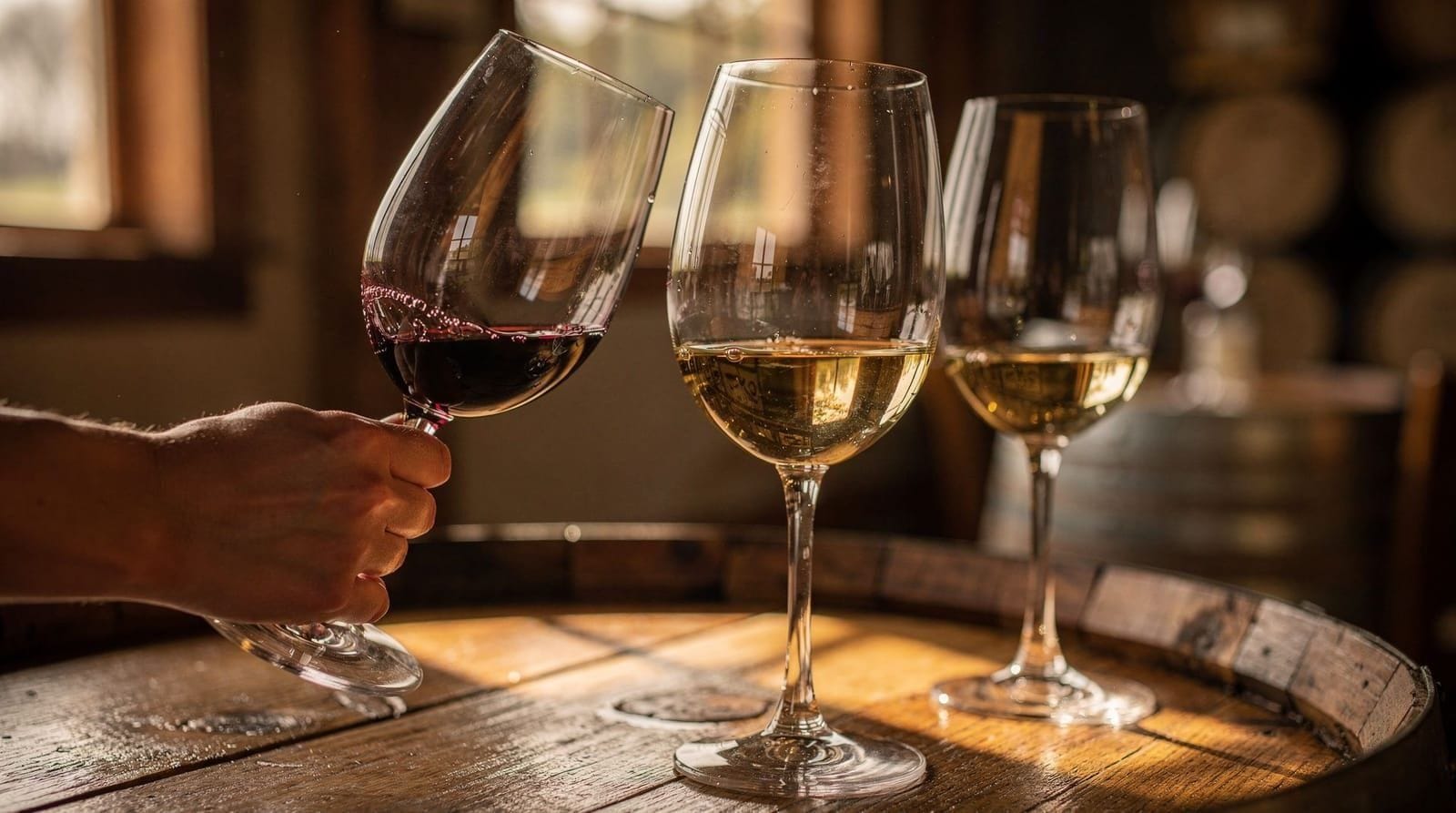
The core trade-off for a Niagara-on-the-Lake wine day comes down to whether you’d rather remove the designated-driver problem entirely or keep full control over your route. Our Niagara wine tour options compared guide breaks down the differences between the main guided formats in more detail, and the wine tasting etiquette in Niagara guide is worth a read either way if this is your first serious tasting day — knowing how to taste, spit, and pace yourself across multiple wineries makes a real difference to how much you actually get out of the day.
For the broader Niagara wine region beyond Niagara-on-the-Lake specifically, the Niagara wine country guide covers the wider appellation and how it compares.
Frequently asked questions about Niagara-on-the-Lake wineries
What’s the difference between Inniskillin and Peller Estates?
Inniskillin is best known for pioneering Canadian icewine and carries strong historical significance; Peller Estates is one of the region’s largest, most polished operations with an emphasis on its restaurant and event space alongside wine.
Should I book a guided tour or drive myself between Niagara-on-the-Lake wineries?
A guided tour removes the designated-driver problem and typically includes a curated route; self-driving offers more flexibility but requires arranging a driver who won’t be tasting, which is harder within a small group.
Are Niagara-on-the-Lake wineries good for large groups?
The larger operations — Peller Estates, Jackson-Triggs — handle groups well given their scale. Smaller boutique wineries are better suited to groups of 2-6 rather than a large party.
Is Niagara-on-the-Lake wine tasting expensive?
Tasting fees run CAD $10-25 for a flight at most wineries, often credited toward a bottle purchase. Lunch at a winery restaurant adds CAD $30-50 per person.
Can I bike between Niagara-on-the-Lake wineries?
Yes, several tour operators offer bicycle-based winery tours given the town’s relatively flat terrain and the wineries’ proximity to each other — a scenic, active alternative to a driven tour if weather and fitness allow.
What’s the best month to visit Niagara-on-the-Lake wineries?
September and October for harvest activity and fall colors, though the wineries and their restaurants operate comfortably year-round, with a quieter, more personal experience available outside the June-October peak.
Top experiences
Bookable activities with verified prices and instant confirmation on GetYourGuide.