Niagara-on-the-Lake day trip
Niagara-on-the-Lake: Wine Tour with Tastings and Lunch
Is Niagara-on-the-Lake a good day trip from Toronto?
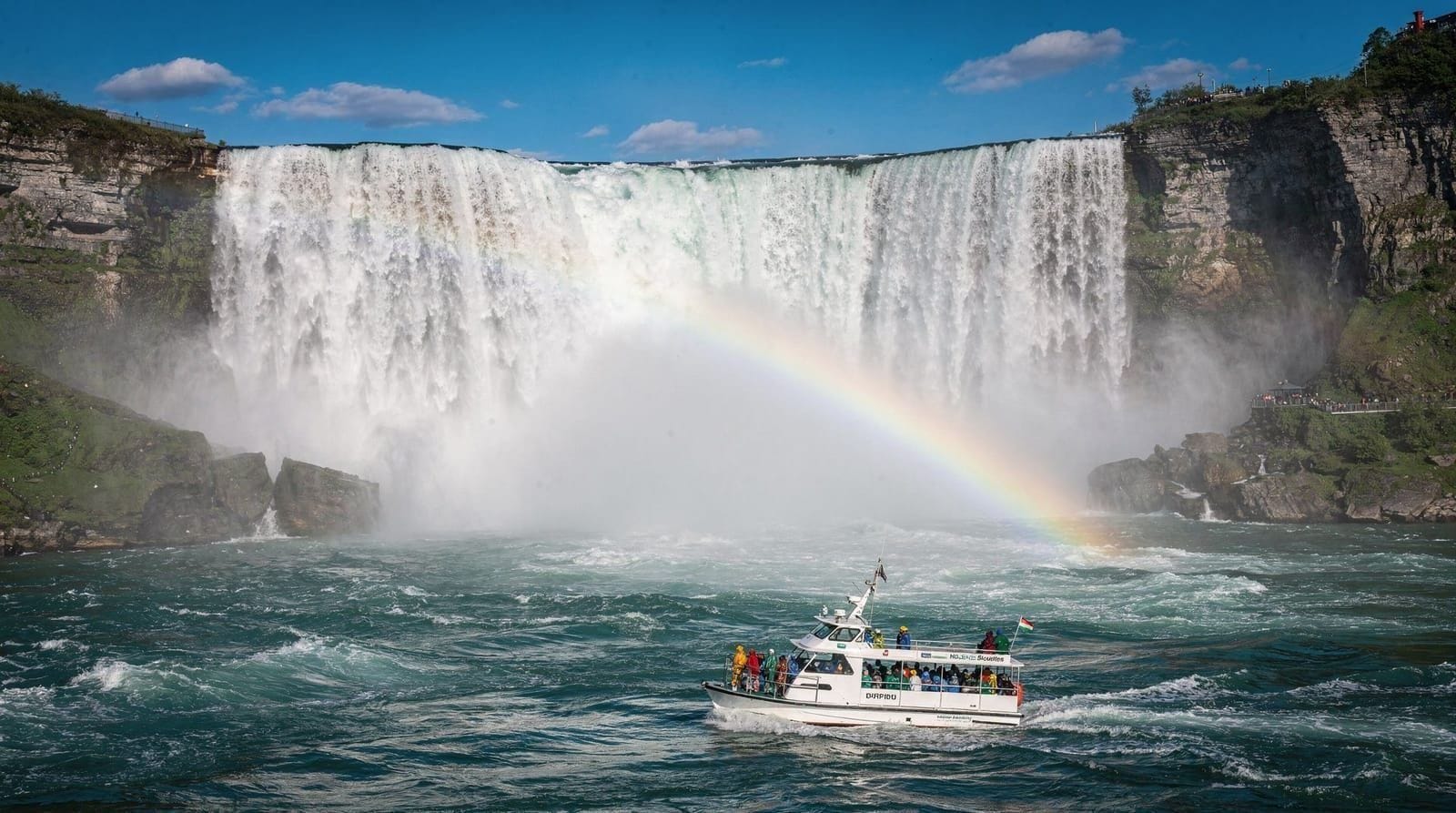
Yes, and it's a genuinely different experience from a Niagara Falls day trip — about 1.5 hours by car, focused on a well-preserved 19th-century town, Queen Street's boutiques, and the surrounding wine region rather than the falls themselves, which sit about 20 minutes further down the Niagara Parkway.
| Distance from Toronto | ~1.5 hrs by car via the QEW |
| Cost | 50–80 CAD/person (Queen St + Fort George + lunch); 100–150 CAD with wine tastings |
| Time needed | a full day, or a half-day if paired with Niagara Falls |
| Getting there | car, guided tour, or taxi/rideshare from the GO Transit stop in Niagara Falls |
| Best time | September–October for wine harvest and thinner crowds |
The prettier, quieter side of Niagara
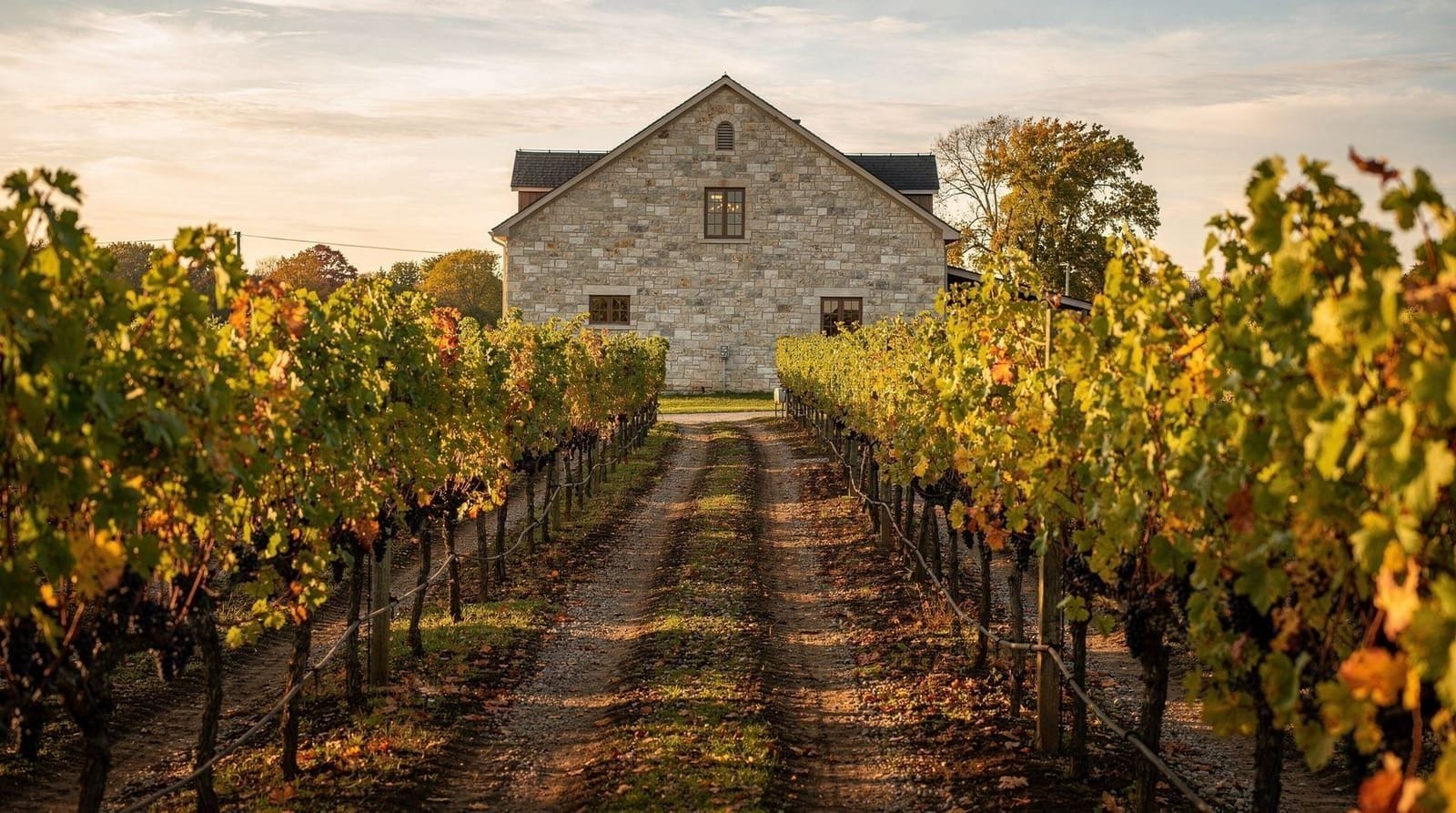
If Niagara Falls is the region’s spectacle, Niagara-on-the-Lake is its charm — a meticulously preserved 19th-century town at the mouth of the Niagara River, where the war of 1812’s legacy and a thriving wine industry have combined to create one of Ontario’s most polished small-town destinations. Queen Street, the main commercial strip, is lined with heritage buildings now housing boutiques, bakeries, and restaurants, largely free of the chain stores and fast-food strips that define so much of small-town Ontario elsewhere. It’s the kind of place that photographs beautifully and, unlike the falls twenty minutes down the road, rewards a slower, more deliberate pace.
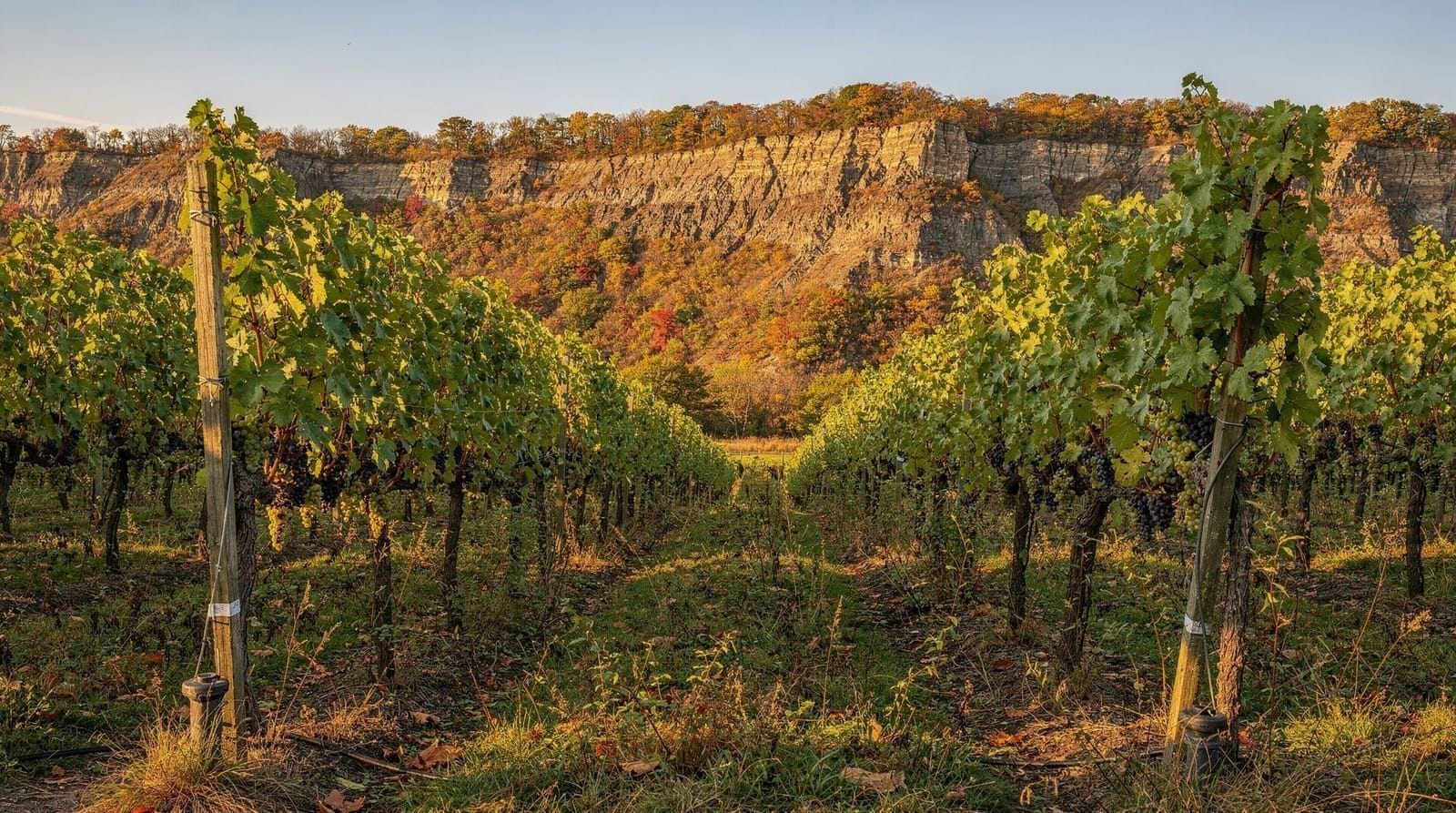
The town sits at the heart of Ontario’s largest and most established wine region, with the Niagara Peninsula’s cool-climate vineyards — benefiting from Lake Ontario’s moderating effect on temperature — producing some of Canada’s best-known wines, particularly icewine, a specialty the region has built genuine international recognition around.
Getting there
By car, the drive from Toronto takes roughly 1.5 hours via the QEW, similar to the drive to Niagara Falls itself, since Niagara-on-the-Lake sits just a further 20 minutes north along the Niagara Parkway from the falls. There’s no direct train or bus service specifically to Niagara-on-the-Lake — GO Transit’s bus service reaches Niagara Falls, and reaching Niagara-on-the-Lake from there requires a local connection, taxi, or rideshare for the final stretch, which adds enough time and uncertainty that most non-drivers opt for a guided tour instead.
The Niagara-on-the-Lake: wine tour with tastings and lunch handles the transport from Toronto and structures the day around several winery stops with lunch included, a practical option that removes both the driving and designated-driver questions that come with a self-driven wine day.
Queen Street and the historic town core
Queen Street is where most visitors start and end their day, a walkable strip of 19th-century storefronts holding an unusually dense concentration of independent shops for a town this size — fudge shops, boutique clothing stores, art galleries, and the Niagara Apothecary, a restored 1866 pharmacy museum that’s free to visit and gives a genuine sense of the town’s history. The Prince of Wales Hotel and the Pillar and Post, both historic properties turned upscale accommodations, anchor the street’s architectural character even if you’re not staying overnight. Budget an hour to ninety minutes for an unhurried walk through the core, longer if shopping is a priority.
Fort George, a reconstructed War of 1812-era British fort a short walk from downtown, is worth a stop for anyone interested in the region’s military history — this stretch of the Niagara River saw significant fighting during the war, and the fort’s costumed interpreters and cannon demonstrations (seasonal) give context to a period of Canadian history that shaped the border still in place today.
Wine touring around Niagara-on-the-Lake
This is arguably the main reason most day-trippers choose Niagara-on-the-Lake over Niagara Falls, and the region delivers: over 30 wineries operate within a short drive of the town, ranging from large, polished visitor-centre operations to smaller boutique producers. See the Niagara wine country guide for the broader regional picture beyond Niagara-on-the-Lake specifically, and best wineries in Niagara-on-the-Lake for named recommendations.
Peller Estates, Jackson-Triggs, and Trius are among the bigger, more visitor-ready wineries with substantial tasting rooms and restaurants attached, good options if you want a more structured experience with minimal planning. Inniskillin, one of the pioneers of Canadian icewine production, and Chateau des Charmes offer a similar scale with strong reputations specifically around icewine, the region’s signature dessert wine made from grapes frozen on the vine.
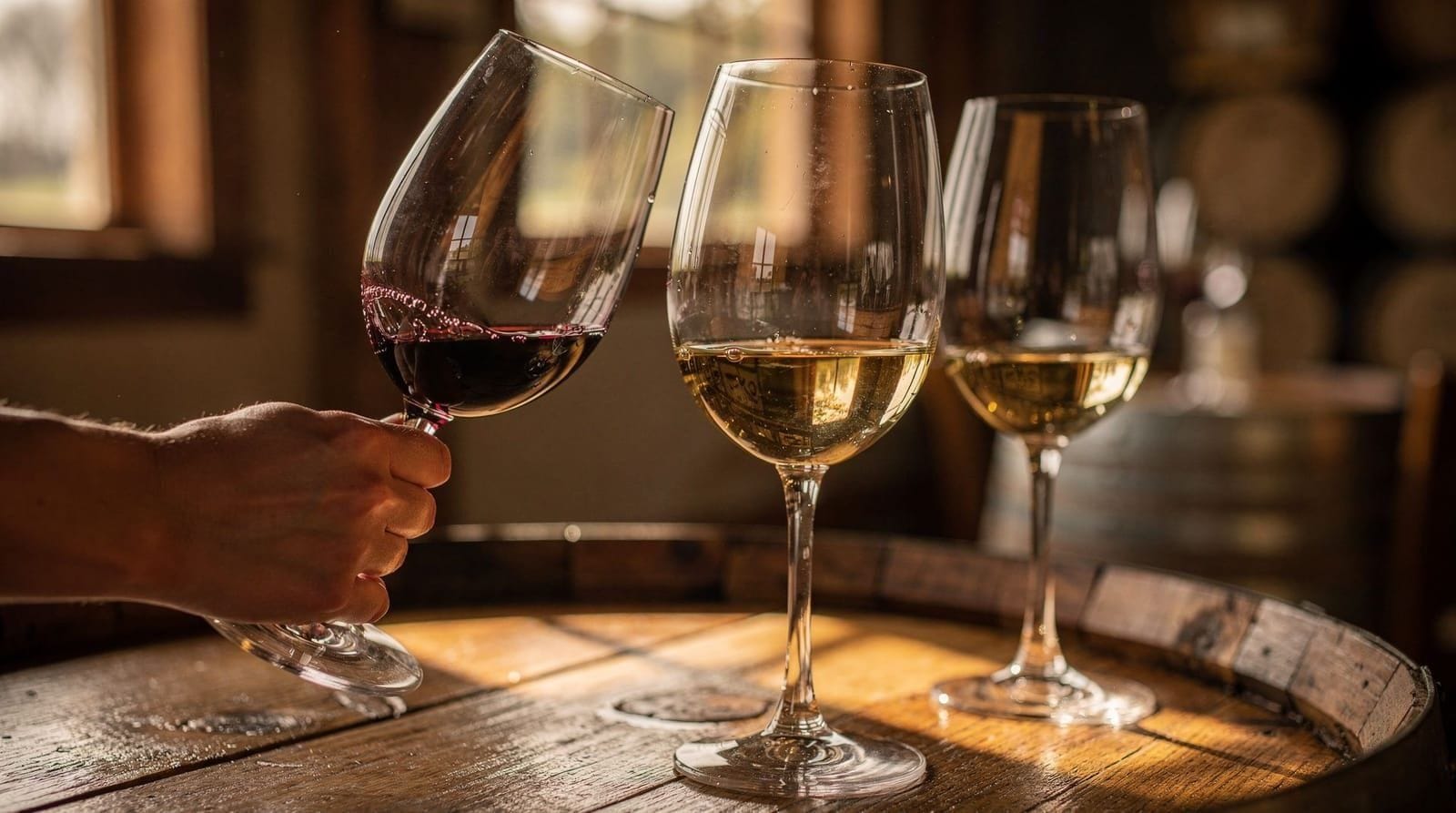
A comfortable day-trip pace covers three to four tastings, typically 15 to 25 CAD per flight, spaced with a lunch stop somewhere along the way — several wineries have their own restaurants, making it easy to combine tasting and eating without a separate drive. For an evening version of the same idea, the Niagara-on-the-Lake sunset wine tour with dinner pairs the tastings with a later timeslot and a sit-down meal.
The Shaw Festival
Niagara-on-the-Lake is also home to the Shaw Festival, a major repertory theatre company on a scale comparable to Stratford’s festival further west, focused on the works of George Bernard Shaw and his contemporaries alongside contemporary productions. The season runs roughly April through October across several theatres in town. If a performance fits your schedule, it’s worth building the day around a matinee, similar in logistics to how a Stratford day trip works — arrive with time to walk Queen Street and grab lunch before the show, rather than rushing straight from the highway into a theatre seat.
The town’s War of 1812 legacy, beyond Fort George
Niagara-on-the-Lake’s history runs deeper than its current polished, boutique-town image suggests. It served as the first capital of Upper Canada in the 1790s before the seat of government moved to York (present-day Toronto), and its position at the mouth of the Niagara River made it strategically critical during the War of 1812 — the town was burned to the ground by American forces in December 1813, an event locals still reference, and much of what visitors see today reflects the careful post-war rebuilding rather than an unbroken original streetscape.
This history is part of why the town takes historic preservation so seriously; Niagara-on-the-Lake has some of the strictest heritage building bylaws in Ontario, which is a direct reason Queen Street’s architecture reads as so consistently well-kept rather than a patchwork of eras.
What makes icewine specifically a Niagara-on-the-Lake specialty
Icewine production requires a very specific set of climate conditions — grapes left on the vine well past normal harvest, frozen solid by a hard freeze (reliably reaching at least minus 8 degrees Celsius), then pressed while still frozen to concentrate the sugars into a small yield of intensely sweet juice.
The Niagara Peninsula’s lake-moderated but still cold winters make it one of the few wine regions in the world with consistent enough annual freezes to produce icewine reliably, which is why Canadian icewine, much of it from wineries around Niagara-on-the-Lake, has built genuine international recognition as a category leader. The harvest itself typically happens in the dead of night in December or January, when temperatures finally drop enough — a detail winery staff are often happy to describe if you ask during a tasting, even though you won’t be there to see it on a summer day trip.
A realistic one-day itinerary
Arrive by late morning after the roughly 1.5-hour drive. Spend the first hour or so walking Queen Street and, if interested, Fort George. Head out to the wine region for two to three tastings through early-to-mid afternoon, with lunch at one of the winery restaurants breaking up the driving between stops. If time and interest allow, either add a short stop at Niagara Falls on the way back — the 20-minute detour is easy if you’re driving — or return directly to Toronto in the late afternoon.
Combining with Niagara Falls
Because the two are so close together, many visitors combine Niagara-on-the-Lake and Niagara Falls into a single day, particularly on guided tours built around exactly this pairing. If you’re driving yourself, this is straightforward: do the falls first thing in the morning when it’s less crowded, then head to Niagara-on-the-Lake for a calmer afternoon of wine and walking. Trying to do both by public transit alone is considerably harder, given the infrequent bus service connecting the two towns. Wine-etiquette basics — spitting, tasting order, tipping — are covered in wine tasting etiquette in Niagara if this is your first tasting-room visit.
Seasonal notes
Summer (June through August) is peak season for both wine touring and the Shaw Festival, with the busiest Queen Street crowds and the fullest schedule of winery events. Fall (September into October) is widely considered the ideal season — harvest activity at the wineries, the Shaw Festival still running, comfortable walking weather, and noticeably thinner crowds after Labour Day.
Winter sees several wineries shift to appointment-only tastings or reduced hours, and the Shaw Festival’s season typically pauses, though Queen Street’s shops and restaurants remain open and the town takes on a quieter, more intimate character with holiday decorations through December. Spring brings the wineries back to full operation gradually through April and May, alongside the Shaw Festival’s season opening.
Budget for a day trip
A day focused on Queen Street and Fort George with a casual lunch runs roughly 50 to 80 CAD per person. Adding three or four winery tastings pushes the total to 100 to 150 CAD, before any wine purchases. A guided wine tour that includes transport, tastings, and lunch typically runs higher per person but removes both the driving and the need for a designated driver, a genuine convenience for a wine-focused day.
Why the town resisted becoming another Niagara Falls
Niagara-on-the-Lake’s careful, low-density, heritage-protected development stands in deliberate contrast to Niagara Falls’ commercialized tourist strip, despite the two towns sharing a river and a regional identity. Much of this is due to zoning and heritage preservation decisions made decades ago that capped large-scale commercial development in the historic core, a choice that occasionally draws local debate over economic tradeoffs but has clearly preserved the walkable, boutique character that now forms the town’s main appeal to visitors. Understanding this deliberate contrast helps explain why the two towns, only 20 minutes apart, feel like they belong to entirely different categories of destination despite the short drive between them.
Practical notes before you go
Book winery tastings in advance for summer and fall weekends, particularly for the smaller, more limited-capacity producers. If seeing a Shaw Festival performance, book tickets a few weeks ahead for popular productions. Comfortable walking shoes matter for Queen Street and Fort George, both best explored on foot rather than by car. If wine tasting and driving in the same day, appoint a designated driver or pace tastings carefully — Ontario enforces impaired driving laws strictly, including on the rural roads connecting the region’s wineries.
The Prince of Wales and other historic hotels, even as a non-guest
Niagara-on-the-Lake’s historic hotels — the Prince of Wales, the Pillar and Post, and the Oban Inn among them — are worth a look even if you’re not staying overnight, since their public lobbies, gardens, and afternoon tea services (some by reservation) are generally accessible to non-guests and offer a genuine sense of the town’s 19th-century character beyond what a walk down Queen Street alone conveys. A short stop at one of these properties’ public spaces, even just for a coffee, is a reasonable addition to a day trip if pacing allows.
Frequently asked questions about a Niagara-on-the-Lake day trip
Is Niagara-on-the-Lake better than Niagara Falls for a first visit to the region?
For most first-time visitors, Niagara Falls remains the higher priority given its status as a globally recognized natural landmark. Niagara-on-the-Lake is the better choice for a second visit or for travelers specifically drawn to wine touring, historic architecture, and a slower pace over natural spectacle.
Do I need reservations for winery tastings?
It’s recommended, especially at smaller producers and during peak summer and fall weekends, when tasting room capacity can fill. Larger wineries like Peller Estates and Jackson-Triggs generally accommodate walk-ins more easily given their scale, but booking ahead removes the risk entirely.
Is Niagara-on-the-Lake walkable?
Yes — the downtown core, including Queen Street and Fort George, is compact and easily explored on foot. The wine region surrounding the town requires a car or tour transport, since the wineries are spread across the surrounding countryside rather than clustered downtown.
What’s the best month to see the wineries at their most active?
September and October, during harvest, offer the most visible winery activity and often special harvest-season events, alongside the season’s best weather for an outdoor tasting patio. Icewine harvest, notably, happens later — typically after the season’s first hard freeze, usually December or January.
Can I visit Niagara-on-the-Lake without renting a car?
It’s difficult without a guided tour, since public transit connections from Toronto and onward from Niagara Falls to Niagara-on-the-Lake are limited. A guided wine tour or private transfer is the most practical no-driving option for a day trip.
Top experiences
Bookable activities with verified prices and instant confirmation on GetYourGuide.