Art Gallery of Ontario guide
Toronto: Art Gallery of Ontario General Admission Ticket
What is the Art Gallery of Ontario known for?
The AGO holds one of Canada's strongest collections of Canadian and Indigenous art, including a dedicated Group of Seven room, alongside European masters and a Frank Gehry-designed building. Adult admission runs around $30 CAD, with free entry for visitors 25 and under and free evening hours on select Wednesdays.
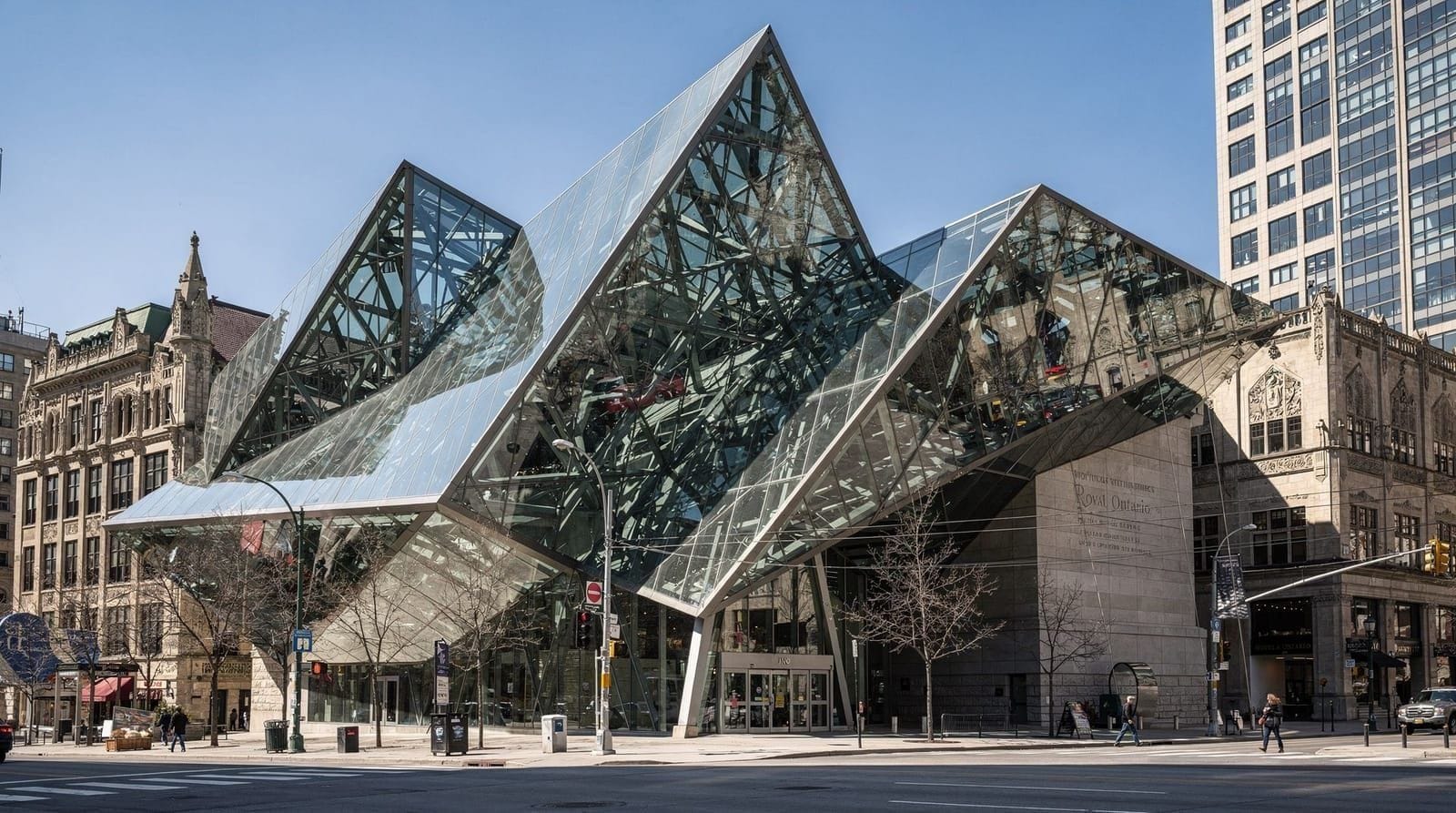
A Frank Gehry building that’s worth seeing even before you get inside
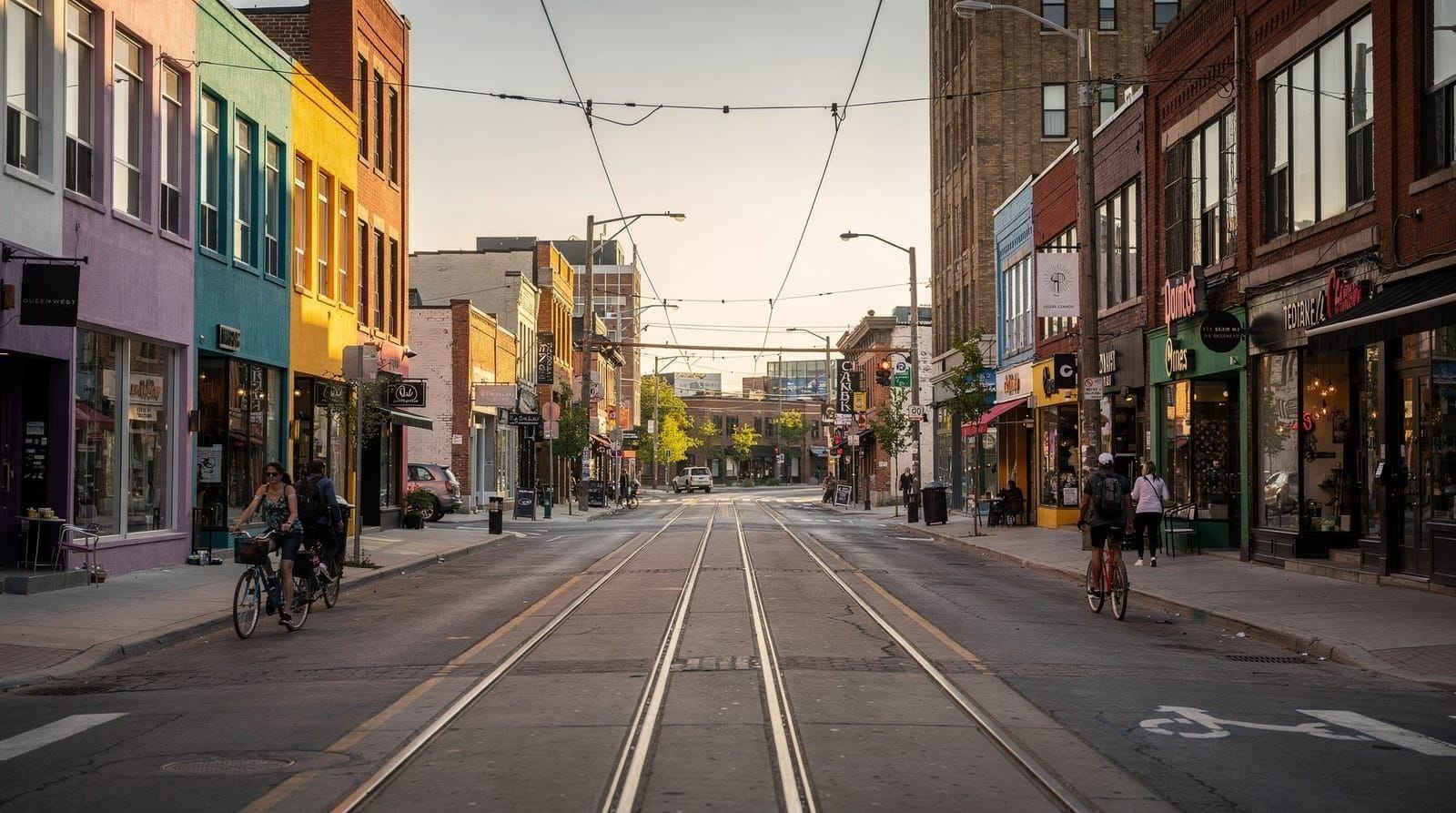
The Art Gallery of Ontario sits on Dundas Street West, a short walk from Chinatown and a slightly longer one from Queen West, and the building itself is part of the draw.
| Where | 317 Dundas St W, walkable from Chinatown/Queen West |
| Cost | around $30 CAD adult, free for ages 25 and under |
| Time needed | 1.5-2 hours highlights, ~3 hours full visit |
| Getting there | St. Patrick or Osgoode subway (Line 1) |
| Best time | weekday mornings; free select Wednesday evenings |
Toronto-born architect Frank Gehry redesigned the gallery’s facade in 2008, wrapping the Dundas Street side in a swooping blue titanium and glass structure that looks nothing like the more conventional gallery it houses. If you’ve seen Gehry’s work elsewhere — Bilbao’s Guggenheim, the Walt Disney Concert Hall — the AGO’s version is a smaller, quieter iteration, but distinctly his.
Inside, the AGO holds roughly 95,000 works spanning European Old Masters, Canadian historical and contemporary art, Inuit and First Nations art, and photography, making it one of the largest galleries in North America by collection size — though the useful comparison for planning purposes isn’t size, it’s focus: where the ROM spreads across natural history and world cultures, the AGO is dedicated fine art, with real depth in a handful of areas rather than breadth across everything.
What’s actually worth prioritizing
The Group of Seven room is the AGO’s signature Canadian collection — landscape paintings by the early 20th-century artists (Tom Thomson, Lawren Harris, A.Y. Jackson, and others) who defined a distinctly Canadian painting style around dramatic wilderness scenes, many of them depicting the exact Muskoka and Algonquin landscapes covered elsewhere on this site. If you’re planning a trip to Algonquin Provincial Park or Muskoka after your Toronto stay, seeing the paintings first adds real context to the landscape once you’re there in person.
The Indigenous and Inuit art collections are genuinely strong and increasingly central to how the AGO presents itself — recent renovations have expanded gallery space specifically for Indigenous art, moving it from a peripheral note to a core part of the visitor route. See Indigenous culture in Ontario guide for broader context on where else in the province this history is presented.
The European collection includes Rembrandt, Rubens, and a genuinely well-regarded selection of 19th and 20th-century European painting, concentrated enough that it doesn’t require the multi-hour commitment a larger European survey collection elsewhere might.
Henry Moore’s sculpture collection, the largest public holding of his work anywhere, occupies its own dedicated gallery — the AGO built its relationship with Moore directly, and the depth here (not just a handful of representative pieces, but a genuine survey of his career) surprises visitors who don’t expect a Toronto museum to hold this much of a British sculptor’s output.
Ticket prices and free admission windows
Adult general admission runs around $30 CAD. The AGO offers free admission for anyone 25 and under, a policy that’s genuinely unusual among major North American galleries and worth knowing if you’re traveling with teenagers or young adult children. The gallery also runs free evening hours on select Wednesdays — check ago.ca for the current schedule, since it shifts around exhibition calendars and isn’t every Wednesday.
For general admission covering the permanent collection:
Art Gallery of Ontario general admission ticketMajor touring exhibitions (blockbuster shows on loan from international collections) are ticketed separately on top of general admission and tend to sell out closer to closing dates for popular runs — worth checking what’s currently showing before you finalize your visit day if a specific exhibition is the draw.
How much time to budget
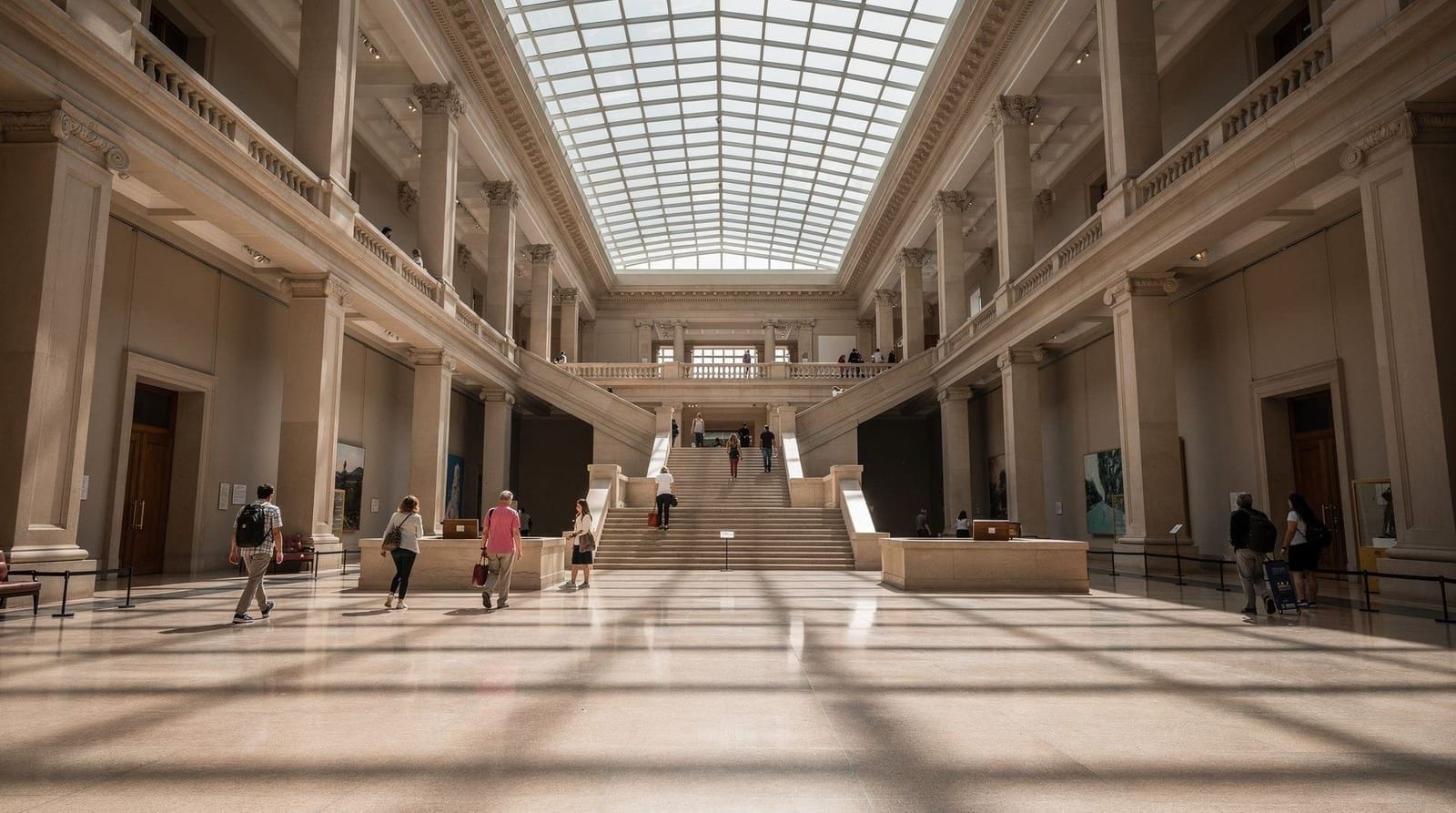
Ninety minutes to two hours covers the highlights listed above at a reasonable pace. Art enthusiasts who want to work through the full building, including rotating contemporary galleries, should budget closer to three hours. The AGO’s layout spans multiple wings connected at different levels, and it’s easy to lose track of what you’ve already seen — picking up the gallery map at the entrance desk helps more here than at most museums, since the Gehry renovation created some genuinely non-obvious connections between older and newer wings.
Best time to visit
Weekday mornings are consistently the quietest, similar to most Toronto museums. Free Wednesday evenings, when scheduled, draw noticeably larger crowds than a typical paid visit — worth it for the cost savings, but expect busier galleries and less breathing room in front of the Group of Seven room specifically, which tends to be the most-visited single gallery in the building.
Getting there and what’s nearby
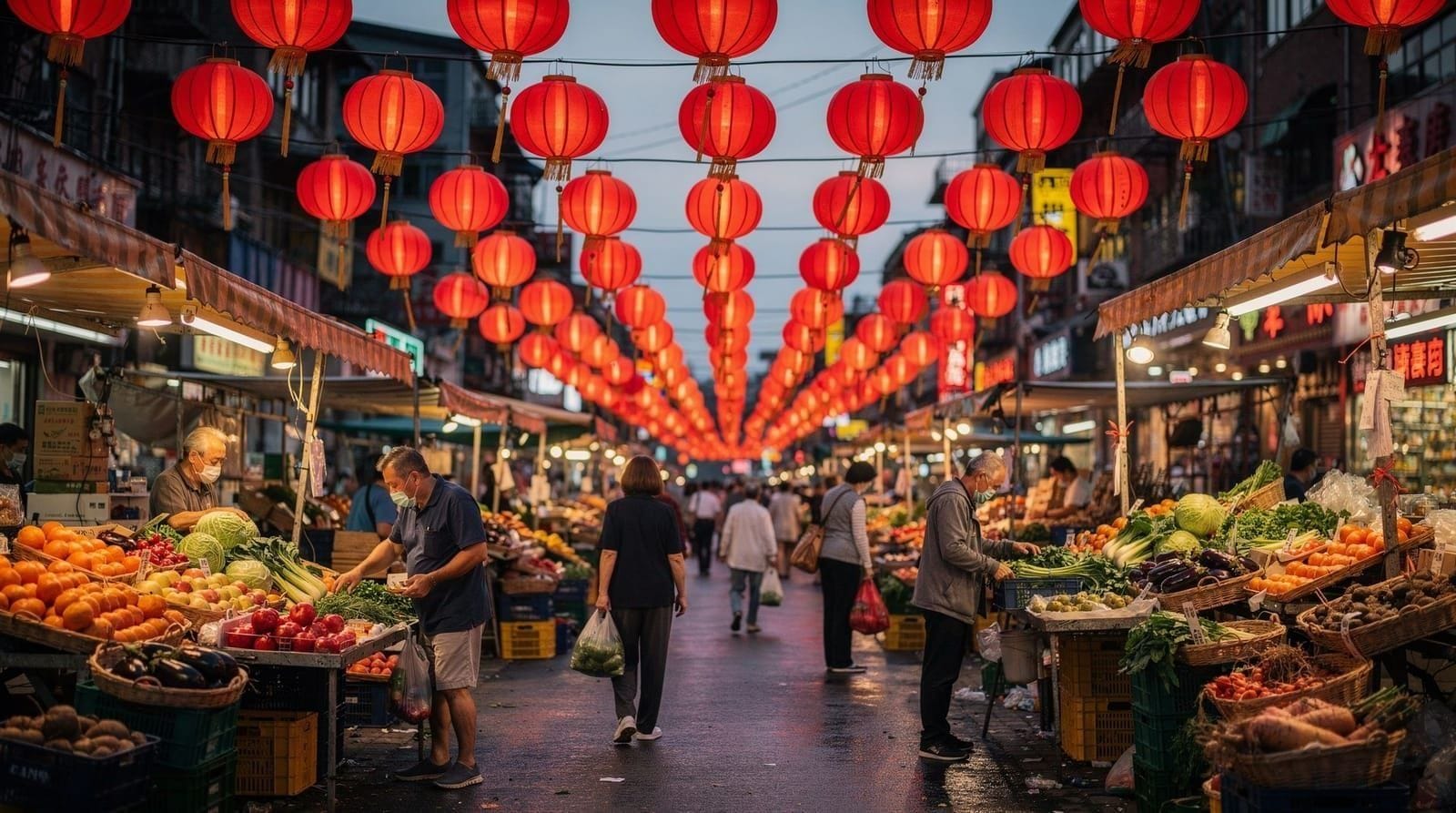
The AGO sits a short walk from both St. Patrick and Osgoode subway stations on Line 1, and it’s genuinely walkable from Chinatown — combining the two into one afternoon works well, with the gallery’s Frank Gehry facade providing a natural photo stop on the walk over. Kensington Market is a further 10-minute walk if you want to extend the loop into a full afternoon of neighborhood exploring plus one museum, rather than trying to pair the AGO with the ROM, which sits a considerable distance north and makes for a rushed day if you attempt both.
The Gehry renovation and what it changed
Frank Gehry grew up a short walk from the AGO in the Grange neighborhood, and his 2008 redesign was framed partly as a homecoming project, distinct from his higher-profile international commissions. Rather than replacing the existing building, Gehry wrapped and reworked it — the Dundas Street facade got the swooping blue titanium and glass treatment that’s now the building’s signature image, while a new south-facing wing in Douglas fir gives the galleries facing Grange Park a warmer, more understated feel than the street-facing side suggests.
The project also added the sculptural spiral staircase in the main atrium, itself become one of the more photographed interior details in the building, and expanded total gallery space by roughly 47,000 square feet, giving curators room to display considerably more of the permanent collection than the pre-renovation building could hold.
Contemporary and rotating exhibitions
Beyond the permanent Group of Seven, European, and Indigenous collections, the AGO runs an active program of contemporary and touring exhibitions across its rotating gallery spaces — recent programming has included major retrospectives of individual artists alongside thematic shows drawing on loaned international collections. These change several times a year and are ticketed separately from general admission for the higher-profile shows, so it’s worth checking the current exhibition calendar on ago.ca before finalizing your visit date if a specific show is part of your reason for going.
The AGO’s photography and design collections
Less heavily marketed than the Group of Seven room but genuinely worth seeking out, the AGO holds a substantial photography collection spanning historical and contemporary work, alongside a growing design collection covering furniture, textiles, and decorative arts. These galleries tend to draw smaller crowds than the headline Canadian and European painting rooms, making them a good option if you want a quieter stretch of the visit or have already covered the main highlights and have time to spare.
Dining, shop, and amenities
The AGO’s on-site restaurant, FRANK, occupies part of the Gehry-designed south wing and offers a more formal dining option than a typical museum café, alongside a more casual espresso bar near the main entrance for a quicker break between galleries. The gift shop, concentrated near the Dundas Street entrance, carries an unusually well-curated selection of art books, exhibition catalogues, and Canadian design objects — genuinely worth a browse even for visitors who don’t typically buy museum souvenirs.
Accessibility and practical logistics
The AGO is largely wheelchair and stroller accessible throughout its main galleries, with elevators connecting the building’s different levels and wings. Coat check is available near the main entrance, and the museum offers free WiFi throughout. The AGO’s layout, spanning both the original heritage building and Gehry’s newer additions, can feel disorienting on a first visit since older and newer sections connect at slightly different floor levels — picking up the printed gallery map at the entrance desk is worth the extra minute it takes.
AGO vs. ROM: which one if you only have time for one?
If your Toronto visit only has room for a single museum, the choice comes down to interest rather than one being objectively better. The AGO is the stronger pick for anyone specifically interested in Canadian art history, the Group of Seven, or fine art generally. The ROM is the better all-rounder for families or anyone wanting natural history and world cultures alongside art. See the Toronto museums guide for a fuller comparison if you’re deciding between the two, or trying to fit both into one visit.
The Grange: Toronto’s oldest surviving building, hidden inside the AGO
Few visitors realize that the AGO physically incorporates The Grange, a Georgian-style manor house built in 1817 that predates the rest of the gallery by nearly a century and is recognized as one of Toronto’s oldest surviving buildings. The Grange was the original home of the Boulton family, prominent figures in early Toronto’s political and social life, before being donated to the fledgling Art Museum of Toronto (the AGO’s earlier name) in the early 1900s, effectively founding the institution. Restored period rooms within The Grange give a genuinely different sense of place than the rest of the gallery’s contemporary architecture — worth seeking out specifically if 19th-century Toronto history interests you as much as the art collections.
How the AGO’s Canadian collection differs from what you’ll see elsewhere
Toronto’s museums each take a distinct angle on Canadian history and culture, and it’s worth understanding how the AGO’s approach differs before deciding how much time to allocate here versus elsewhere.
Where the ROM presents Canadian history through a natural-history and world-cultures lens, and Casa Loma offers a single wealthy family’s early-1900s domestic life, the AGO’s Canadian galleries are explicitly art-historical — tracing how Canadian visual art developed as a distinct tradition, most visibly through the Group of Seven’s break from European landscape painting conventions toward a style meant to capture something specifically Canadian about the country’s wilderness. Seeing this collection before a trip to Algonquin or Muskoka genuinely changes how you look at those landscapes once you’re there.
Is it kid-friendly?
The AGO runs family programming on weekends and school breaks, including hands-on activity stations aimed at younger visitors, but it’s a more adult-oriented experience overall than the ROM’s dinosaur galleries — older children and teenagers with some interest in art tend to get more out of a visit than very young kids. Free admission for visitors 25 and under makes it a genuinely accessible stop for family groups with teenagers specifically.
Dining and amenities
The AGO has an on-site café and a more formal restaurant space, both reasonable options for a museum-day lunch without leaving the building. The gift shop, concentrated near the Dundas Street entrance, carries a genuinely well-curated selection of art books and Canadian design objects rather than generic tourist merchandise.
Pairing the AGO with a fuller downtown culture day
Beyond Chinatown and Kensington Market, the AGO sits within a reasonable transit ride of the Royal Ontario Museum if you want a two-museum day rather than choosing one, though most visitors find pairing the AGO with a single neighborhood — rather than a second major museum — makes for a less rushed afternoon. For a broader sense of how a museum day slots into a wider Toronto itinerary, things to do in Toronto covers the fuller spread of downtown attractions, and downtown Toronto walking guide lays out a walkable route connecting several of them.
If it’s raining, or you’re short on daylight
The AGO is one of the more reliable indoor options on a Toronto trip with unpredictable weather — see things to do in Toronto on a rainy day for how it compares to the ROM or Ripley’s Aquarium as a wet-weather pivot. Because the building is entirely indoors and connects multiple wings without needing to step outside, it’s a genuinely comfortable full-afternoon option regardless of season.
Frequently asked questions about the Art Gallery of Ontario
Is the AGO free for anyone?
Visitors 25 and under enter free year-round, and the gallery runs free admission on select Wednesday evenings — check ago.ca for the current schedule before planning around it.
How long should I spend at the AGO?
Ninety minutes to two hours covers the Group of Seven room, Indigenous and Inuit collections, and the Henry Moore sculpture gallery at a comfortable pace. Art enthusiasts wanting the full building should budget closer to three hours.
Is the AGO or the ROM better for a first visit to Toronto?
Neither is objectively better — the ROM suits families and anyone wanting breadth across natural history and world cultures, while the AGO suits visitors specifically interested in fine art and Canadian painting. See the Toronto museums guide for how to choose or combine both.
What is the Group of Seven, and why does the AGO have a dedicated room for them?
The Group of Seven were early 20th-century Canadian landscape painters who developed a distinctly Canadian style depicting the wilderness landscapes of Ontario and beyond, including areas covered by this site like Algonquin and Muskoka. The AGO holds one of the largest collections of their work anywhere.
Can I combine the AGO with Chinatown or Kensington Market in one afternoon?
Yes, easily — the AGO sits within a comfortable walk of both neighborhoods, making a combined museum-plus-neighborhood afternoon one of the more efficient half-days in downtown Toronto.
Are photography and bags allowed inside?
Photography without flash is generally permitted in the permanent collection, though some touring exhibitions restrict it. Large bags need to go through a bag check near the entrance.
Is the AGO a good rainy-day option in Toronto?
Yes — it’s entirely indoors and large enough to comfortably fill two to three hours, making it one of the more reliable pivots on a Toronto trip with unpredictable weather.
Can I visit the AGO and the ROM on the same day?
It’s possible but rushed — the two sit a considerable distance apart, and most visitors get more out of dedicating a full afternoon to each rather than splitting one day between both.
Top experiences
Bookable activities with verified prices and instant confirmation on GetYourGuide.