Royal Ontario Museum guide
Royal Ontario Museum Admission Ticket
Is the Royal Ontario Museum worth visiting?
Yes — the ROM is Canada's largest museum, with strong dinosaur, Egyptian, and world culture galleries inside a distinctive crystal-shaped addition on Bloor Street. Budget 2-3 hours, book Plan Ahead Pricing online to save a few dollars over walk-up rates, and go on a weekday morning to avoid school-trip crowds.
Canada’s largest museum, and the one with the strangest facade
The Royal Ontario Museum sits at the corner of Bloor Street and Avenue Road in Yorkville, a five-minute walk from the subway station of the same name, and it’s impossible to miss — the Michael Lee-Chin Crystal, a jagged glass-and-aluminum addition bolted onto the original 1914 heritage building in 2007, still divides opinion nearly two decades later. Some visitors find it a bold architectural statement; others think it clashes badly with the Romanesque original next door. Either way, it’s become one of Toronto’s most photographed buildings, and it’s worth seeing in person even if you’re not planning to go inside.
Once you are inside, the ROM is genuinely Canada’s largest museum by collection size, spanning natural history, world cultures, and art across six floors. It’s not a quick in-and-out stop — treat it as a half-day anchor for your museum time in Toronto rather than a 45-minute add-on between other attractions.
| Where | 100 Queen’s Park, corner of Bloor St W & Avenue Rd, Yorkville |
| Cost | Around $26-30 CAD adult (Plan Ahead Pricing online) |
| Time needed | 2 hours highlights, 3 hours with kids or deep interest |
| Getting there | Museum station, Line 1 — exit is directly across the street |
| Best time | Weekday mornings, Tuesday-Thursday before 11am |
What’s actually worth prioritizing inside
The ROM’s collections are broad enough that trying to see everything in one visit leads to museum fatigue by hour two. If you only have 90 minutes to two hours, prioritize these:
The dinosaur galleries on Level 2 are the ROM’s signature draw, with a genuinely impressive collection of mounted skeletons, including several Canadian finds from Alberta’s badlands. Kids gravitate here immediately, and it’s worth the crowds.
The Bat Cave, a recreated limestone cave with over 3,000 replica bats and genuine bat specimens, is a smaller but memorable stop that’s easy to walk past if you don’t know it’s there — it’s tucked on Level 1 near the dinosaur gallery entrance.
The Egyptian gallery houses mummies, sarcophagi, and artifacts spanning several millennia, and consistently ranks among visitors’ favorites alongside the dinosaurs. The Gallery of Korea is smaller but distinctive — the ROM holds one of the more significant Korean art collections outside Korea itself, a legacy of early 20th-century missionary and diplomatic collecting.
The Gems and Minerals gallery, easy to underestimate from the name, is one of the most visually striking rooms in the building — cut stones, raw crystals, and meteorite fragments lit dramatically in a dark room that photographs better than almost anything else in the museum.
Ticket prices and how to book
Adult admission through Plan Ahead Pricing (booked online in advance) typically runs $26-30 CAD, with walk-up prices at the door running a few dollars higher. Youth and senior rates are discounted, and children under 3 enter free. The ROM also runs free admission on the third Tuesday evening of most months (check rom.on.ca for the current schedule, since it shifts around exhibition openings) — worth planning around if your visit dates are flexible and you’re traveling on a tighter budget.
For a straightforward entry ticket that skips the need to queue at the box office:
Royal Ontario Museum admission ticketSpecial ticketed exhibitions (major touring shows — Egyptian, dinosaur, or art blockbusters) run on top of general admission and sell out closer to their closing dates, so check what’s currently showing before you land if a specific exhibit is the reason for your visit.
Guided tour vs. going it alone
The ROM’s permanent galleries are well-labeled enough that a self-guided visit works fine if you’re comfortable navigating on your own — pick up a floor map at the entrance and prioritize dinosaurs, Egypt, and gems if time is short. But the museum’s scale means it’s genuinely easy to miss context on why a given piece matters, particularly in the world cultures galleries where the connections between rooms aren’t always obvious from the labels alone.
A guided walk-through adds that context and typically covers the highlights in a tighter, more efficient loop than wandering on your own:
ROM Revealed: a guided tour through historyBest time to visit and how to avoid the crowds
Weekday mornings, particularly Tuesday through Thursday before 11am, are consistently the quietest window — school groups tend to arrive slightly later and clear out by early afternoon. Weekends, especially Saturday afternoons and any day during a major touring exhibition, get considerably busier, with the dinosaur gallery and the Crystal’s main staircase forming natural bottlenecks. If you’re visiting during a Toronto school break (March break, late June, or the winter holidays), expect noticeably higher weekday crowds than usual, since families fill the gap left by school trips.
How much time to budget
Two hours covers the highlights comfortably if you stick to the sections above. History and culture enthusiasts, or anyone visiting with kids who want to linger in the dinosaur gallery, should budget closer to three hours. The ROM’s galleries span six floors connected by both stairs and elevators, and the layout isn’t entirely intuitive on a first visit — grabbing the paper floor map at the entrance desk saves real time over relying on memory or app navigation partway through the building.
Getting there and what’s nearby
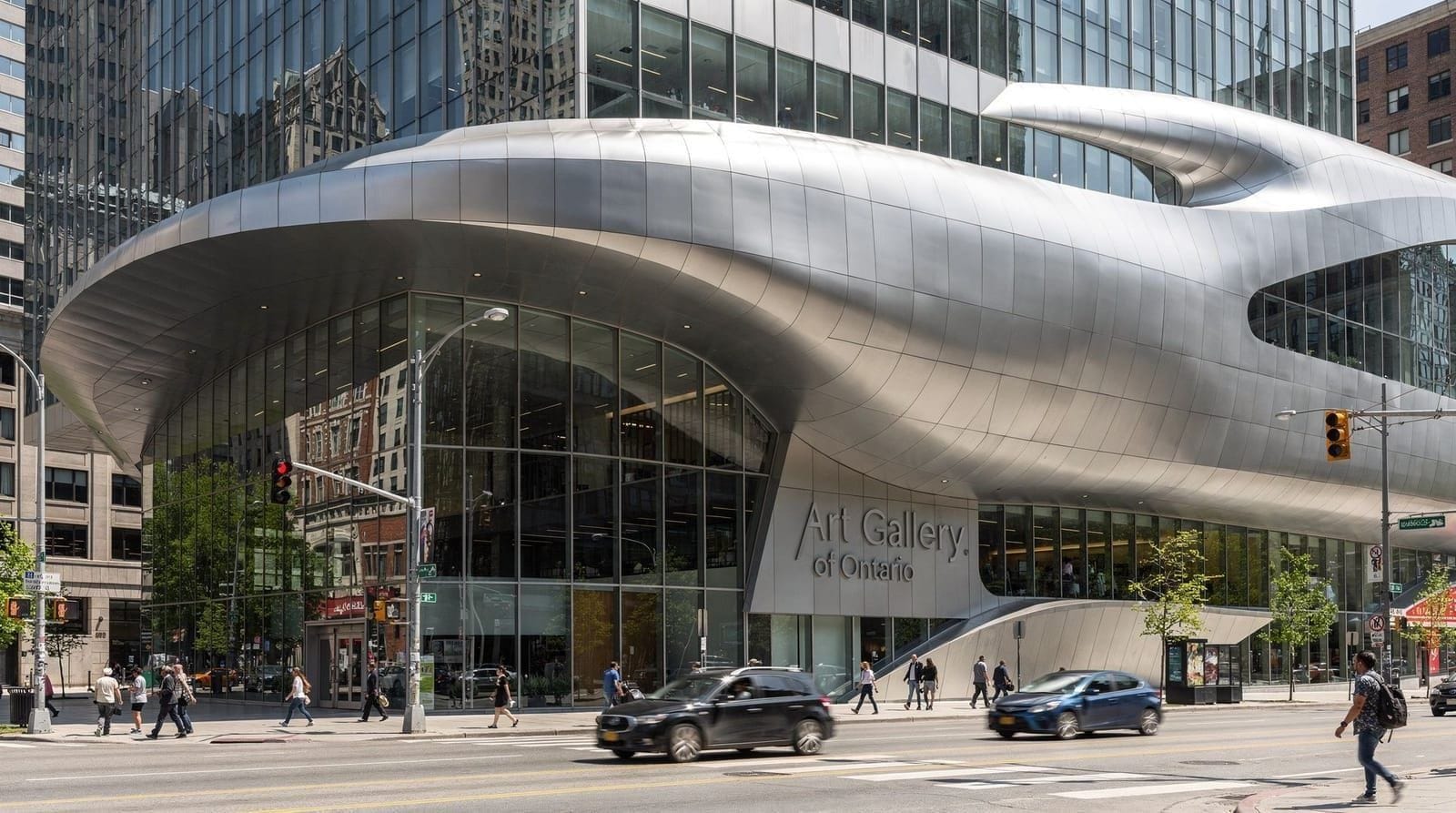
The ROM sits directly across from the Museum subway station on the Line 1 (Yonge-University) route, making it one of the most transit-accessible major attractions in the city — no bus transfers or long walks required from downtown. Once you’re finished, Yorkville is a two-minute walk north, with upscale dining and shopping if you want to extend the afternoon, and the Art Gallery of Ontario is a 15-minute walk or short streetcar ride south if you’re stacking multiple museums into one day — though pacing that combination in a single afternoon is ambitious; see the Toronto museums guide for a realistic two-museum itinerary.
Is it kid-friendly?
Genuinely yes, more so than most of Toronto’s paid attractions aimed at adults. The dinosaur gallery and Bat Cave are the obvious draws for children, and the museum runs family-oriented programming and activity stations on weekends and school breaks. Strollers are permitted throughout most galleries, though the Crystal’s angled walls and stairs create a few awkward spots — the elevators handle those sections if you’re navigating with a stroller or mobility considerations. For a broader roundup of family attractions in the city, see things to do with kids in Toronto.
Photography and what you can’t bring in
Photography without flash is generally permitted in the permanent galleries, though some touring exhibitions restrict it entirely — signage at each exhibition entrance makes this clear. Large bags and backpacks need to go through a bag check near the entrance, which adds a few minutes during busy periods but is rarely a real bottleneck.
The Crystal addition: why it’s controversial
The Michael Lee-Chin Crystal, named for the Jamaican-Canadian financier who funded much of its construction, opened in 2007 after nearly a decade of planning and roughly $270 million CAD in redevelopment costs. Architect Daniel Libeskind designed the addition as a deliberate contrast to the original 1914 Romanesque building, with five interlocking crystalline volumes clad in glass and aluminum that jut out over Bloor Street at odd angles.
Toronto’s architecture critics were split at the time — some praised it as one of the boldest civic buildings in North America, others called it an aggressive mismatch with the heritage structure it’s attached to. Whatever your own reaction, it’s worth walking the full block along Bloor Street to see the Crystal from multiple angles before heading inside, since the interior spaces (particularly the Hyacinth Gervais Family Gallery and the dramatic angled stairwells) only make sense once you’ve registered how unconventional the exterior geometry actually is.
World cultures galleries beyond Egypt and Korea
Beyond the headline Egyptian and Korean collections, the ROM’s broader world cultures holdings cover Chinese art and archaeology (one of the museum’s founding strengths, dating back to early 20th-century collecting expeditions), African art, and a substantial collection tied to the history of the Americas, including Indigenous artifacts from across Canada. These galleries tend to get less foot traffic than the dinosaurs or the Crystal’s showcase spaces, which makes them a genuinely good option if you’re visiting during a busy period and want a quieter stretch of the museum to slow down in.
The ROM’s biodiversity and earth sciences galleries
Beyond dinosaurs, the ROM’s natural history side includes dedicated galleries on biodiversity, minerals, and Ontario’s own geological history — useful context if you’re planning to visit Ontario’s natural landscapes like Algonquin Provincial Park or the Niagara Escarpment later in your trip, since several exhibits explain the geological forces (glacial movement, the Niagara Escarpment’s limestone formation) that shaped the landscapes you’ll actually be walking through elsewhere in the province.
Dining and museum amenities
The ROM has an on-site restaurant and a more casual café, both reasonable options for a mid-visit break without leaving the building — a genuine convenience given how much ground the museum covers. The gift shop, near the main Bloor Street entrance, carries a well-curated mix of books, replica artifacts, and Canadian design items rather than generic souvenirs, and it’s worth a browse even if you’re not planning to buy anything, since several items reference specific gallery pieces you’ll have just seen.
Accessibility and practical logistics
The ROM is largely wheelchair and stroller accessible, with elevators connecting all public floors, including the angled sections of the Crystal. Coat and bag check is available near the main entrance, useful in winter when bulky coats make navigating the galleries considerably more awkward. Free WiFi is available throughout the building, and the ROM’s own app offers self-guided audio content for visitors who want more depth than the wall labels provide without booking a live guided tour.
Is the ROM worth it compared to other Toronto museums?
For most first-time visitors with only one museum slot in their itinerary, yes — the ROM’s breadth (natural history plus world cultures plus art) makes it the single best value if you’re only doing one. If you have time for two, pairing it with the Art Gallery of Ontario gives you a natural history and world-culture museum alongside a dedicated fine-art collection, a genuinely complementary combination rather than overlapping ground. See the Toronto museums guide for how to prioritize if your time or budget only stretches to one or two stops citywide.
Membership vs. a single ticket
If you’re spending more than a few days in Toronto, or you’re a returning visitor, it’s worth doing the math on an annual ROM membership rather than a single Plan Ahead ticket — the individual membership rate typically pays for itself in two or three visits and includes reciprocal discounts at some partner institutions, plus early entry on select mornings. For a single-visit tourist trip, though, the standard admission ticket remains the simpler and cheaper option; membership only makes sense if a return visit within twelve months is genuinely likely. Compare that against the Art Gallery of Ontario, which runs a similar membership structure, if you’re planning to hit both museums more than once.
Where to eat near the ROM
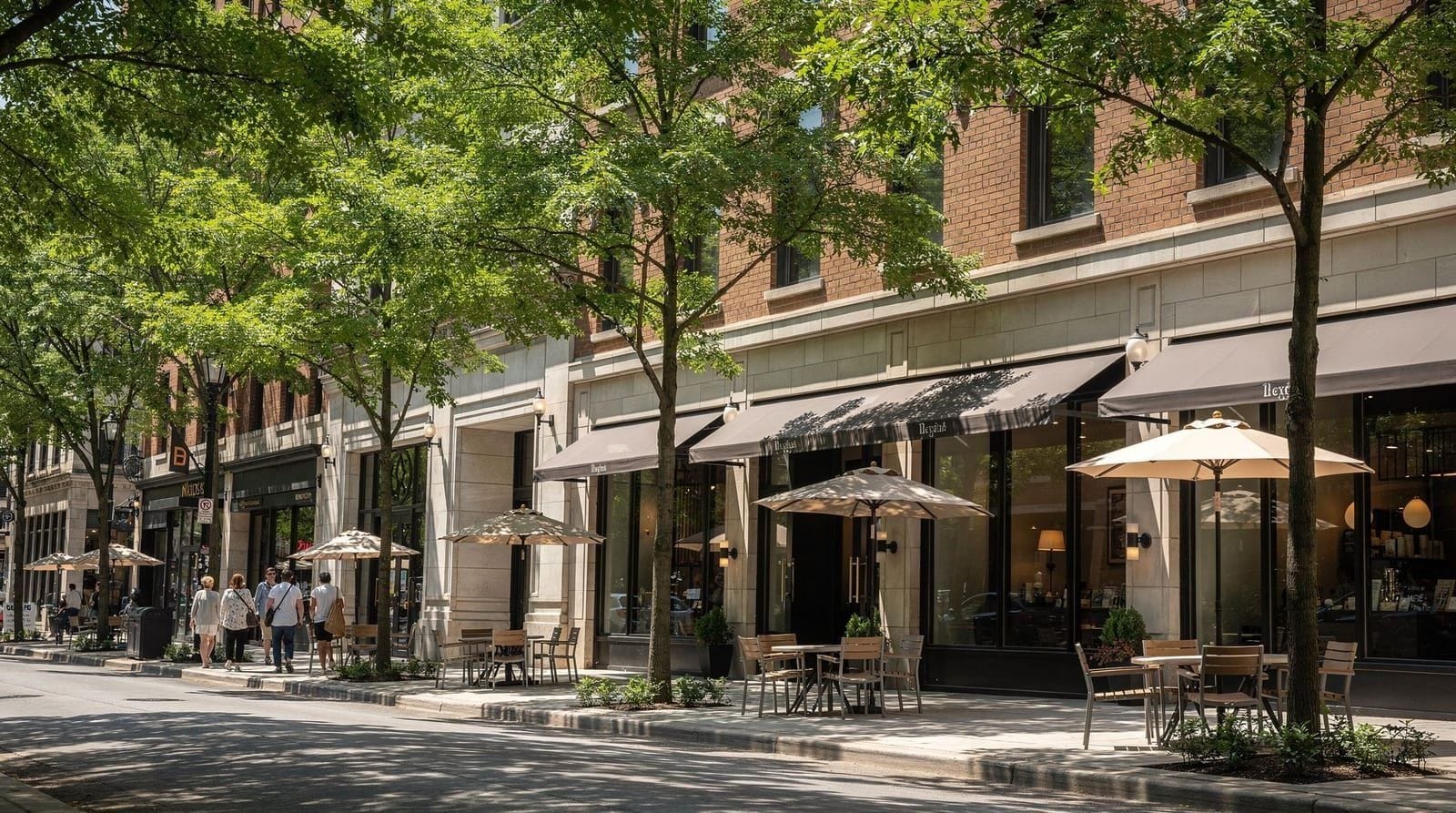
The museum’s own café covers a quick coffee-and-sandwich break well, but if you want a proper sit-down meal, Yorkville — a two-minute walk north — has the densest concentration of restaurants near the museum, ranging from casual bistro fare to some of Toronto’s more upscale dining rooms. Bloor Street itself, running along the museum’s front entrance, also has a handful of quicker lunch options if you’re squeezing the ROM between other stops rather than making an afternoon of the neighbourhood. Budget an extra 45 minutes to an hour if you’re planning a sit-down lunch or dinner around your visit rather than grabbing something quick.
Comparing the ROM to Toronto’s other big-ticket family museums
Families weighing multiple museum options often compare the ROM against the Ontario Science Centre and the Toronto Zoo. The ROM leans toward natural history, world cultures, and static galleries best suited to kids roughly six and up who can engage with labels and exhibits at a museum pace; the Science Centre is more hands-on and interactive, generally the better pick for younger children or a rainy-day visit where physical engagement matters more than quiet observation; the Zoo is the outdoor, animal-focused option and needs the most walking.
Doing all three in one trip is ambitious — most families do well picking one, maybe two, rather than trying to fit all three into a single Toronto visit. If castles and grand interiors appeal alongside museum time, Casa Loma rounds out a strong three-stop cultural day for older kids and adults.
Frequently asked questions about the Royal Ontario Museum
Is the ROM free on any day?
The ROM typically offers free admission on the third Tuesday evening of most months (hours and exact schedule vary by season — check rom.on.ca before planning around it). Otherwise, admission is paid year-round, with Plan Ahead Pricing online running slightly cheaper than walk-up rates.
How long should I spend at the ROM?
Two hours covers the dinosaur gallery, Bat Cave, Egyptian collection, and Gems and Minerals gallery comfortably. History enthusiasts or families with kids who want to linger should budget closer to three hours.
Is the ROM good for young children?
Yes — the dinosaur gallery and Bat Cave are genuinely engaging for kids, and the museum runs family programming on weekends. Strollers are permitted in most galleries, with elevators available for the Crystal’s angled sections.
Do I need to book tickets in advance?
It’s not strictly required outside of major touring exhibitions, but Plan Ahead Pricing online is slightly cheaper than the walk-up rate and avoids a line at the box office during peak weekend hours.
How does the ROM compare to the Art Gallery of Ontario?
They’re complementary rather than overlapping — the ROM covers natural history and world cultures across a huge collection, while the AGO is dedicated fine art with a strong Canadian and Indigenous focus. See the Toronto museums guide for how to combine or choose between them.
What’s the closest subway station to the ROM?
Museum station on Line 1 (Yonge-University) sits directly across the street from the entrance — one of the most transit-convenient major attractions in downtown Toronto.
Is an annual membership worth it for a short trip?
Generally no for a single-visit tourist trip — a standard Plan Ahead Pricing ticket is cheaper unless you’re confident you’ll return within twelve months. Membership pays off faster for locals or repeat visitors rather than a one-time trip.
Top experiences
Bookable activities with verified prices and instant confirmation on GetYourGuide.