Indigenous culture in Ontario guide
Where can I learn about Indigenous culture and history in Toronto?
The Royal Ontario Museum and Art Gallery of Ontario both hold significant First Nations, Métis, and Inuit collections, and the AGO's Indigenous and Canadian galleries are a strong starting point. Beyond museums, Native Canadian Centre of Toronto and First Nations-led cultural tours offer more direct, community-led engagement.
Toronto sits on land with a much longer history than the city itself
Toronto’s name derives from a Mohawk word, “tkaronto,” referring to a passage of water between lakes near what’s now Lake Simcoe — a reminder that the region carries Indigenous history stretching back thousands of years before European settlement, not simply a backdrop to the city’s more recent colonial-era story.
The land the city occupies is covered by Treaty 13 and the Williams Treaties, and is the traditional territory of the Mississaugas of the Credit, the Anishinaabeg, the Chippewa, the Haudenosaunee, and the Wendat peoples, among others. Most public events and civic gatherings in Toronto now open with a land acknowledgment referencing this history — worth understanding not as a formality but as a starting point for engaging more seriously with Indigenous culture during your visit.
| Where | ROM and AGO downtown; First Story tours citywide |
| Cost | Free land acknowledgment context; museum admission varies |
| Time needed | 1-2 hours for a museum gallery; a half-day for a walking tour |
| Beyond Toronto | Woodland Cultural Centre (Brantford, ~90 min) |
| Best approach | Prioritize Indigenous-owned and Indigenous-led experiences |
Museum collections worth prioritizing
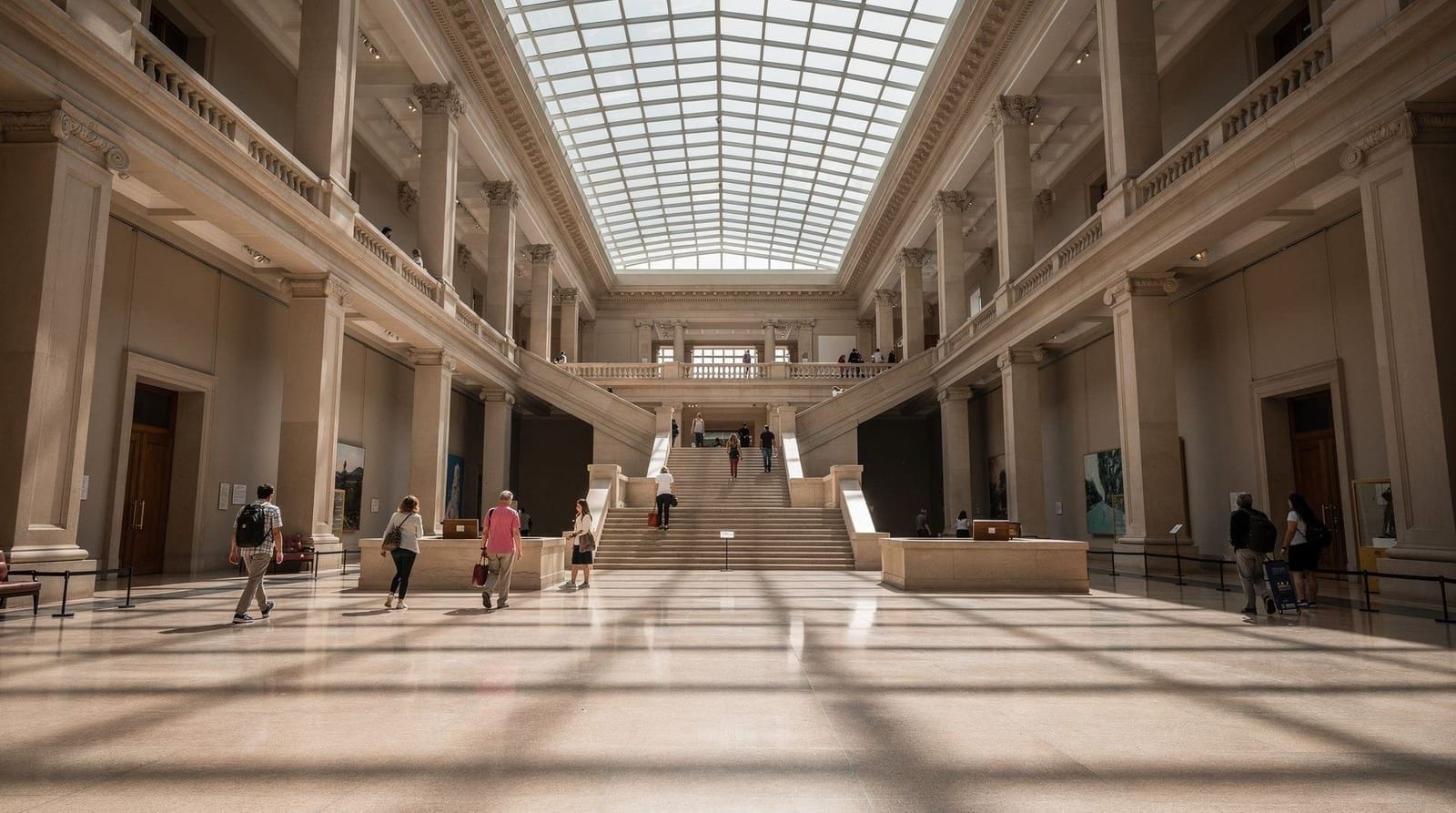
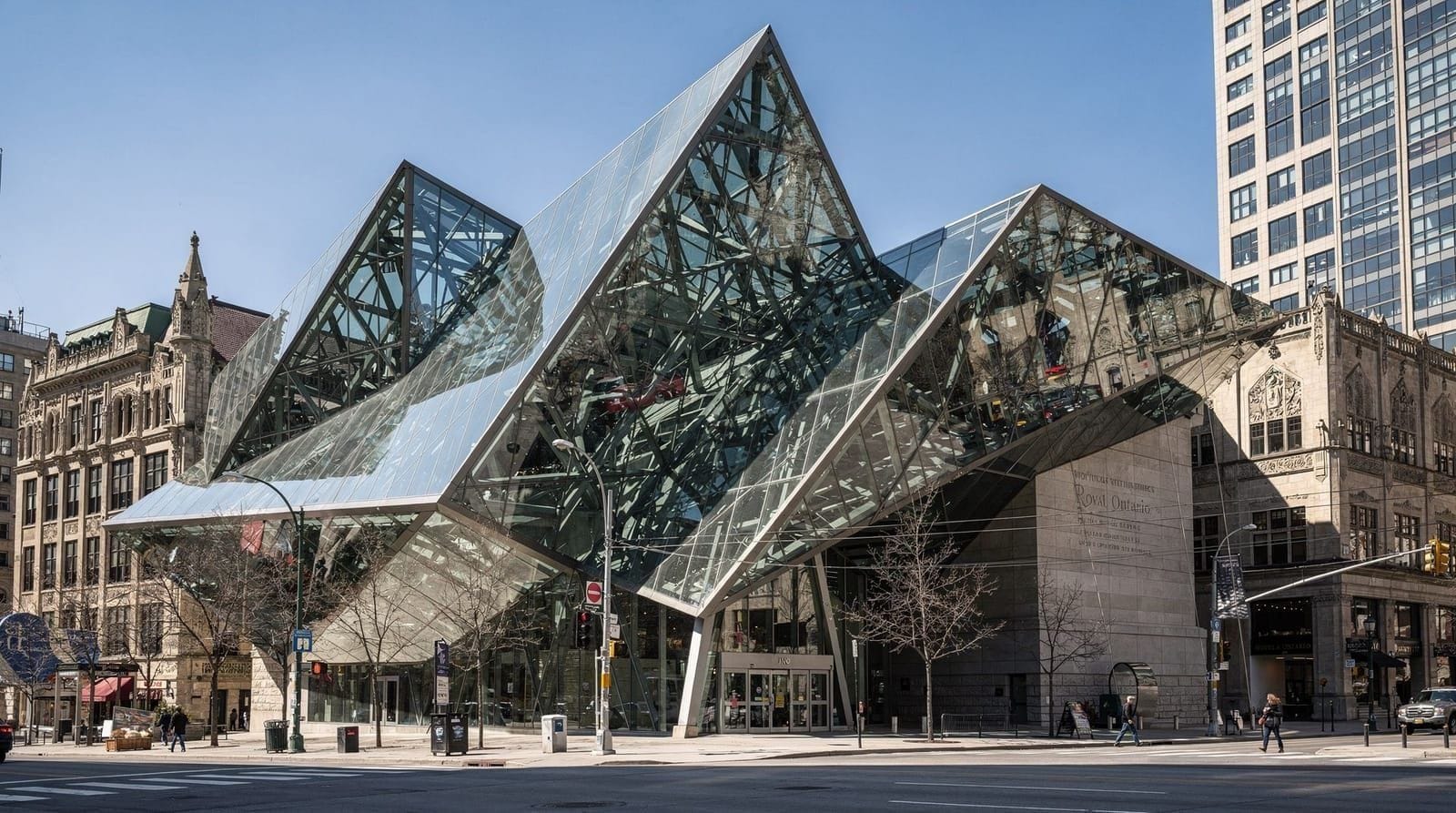
The Royal Ontario Museum holds substantial First Nations and Indigenous collections within its broader world cultures galleries, including artifacts from across Canada spanning historical and contemporary Indigenous art and material culture. See the Royal Ontario Museum guide for how these galleries fit into a broader museum visit.
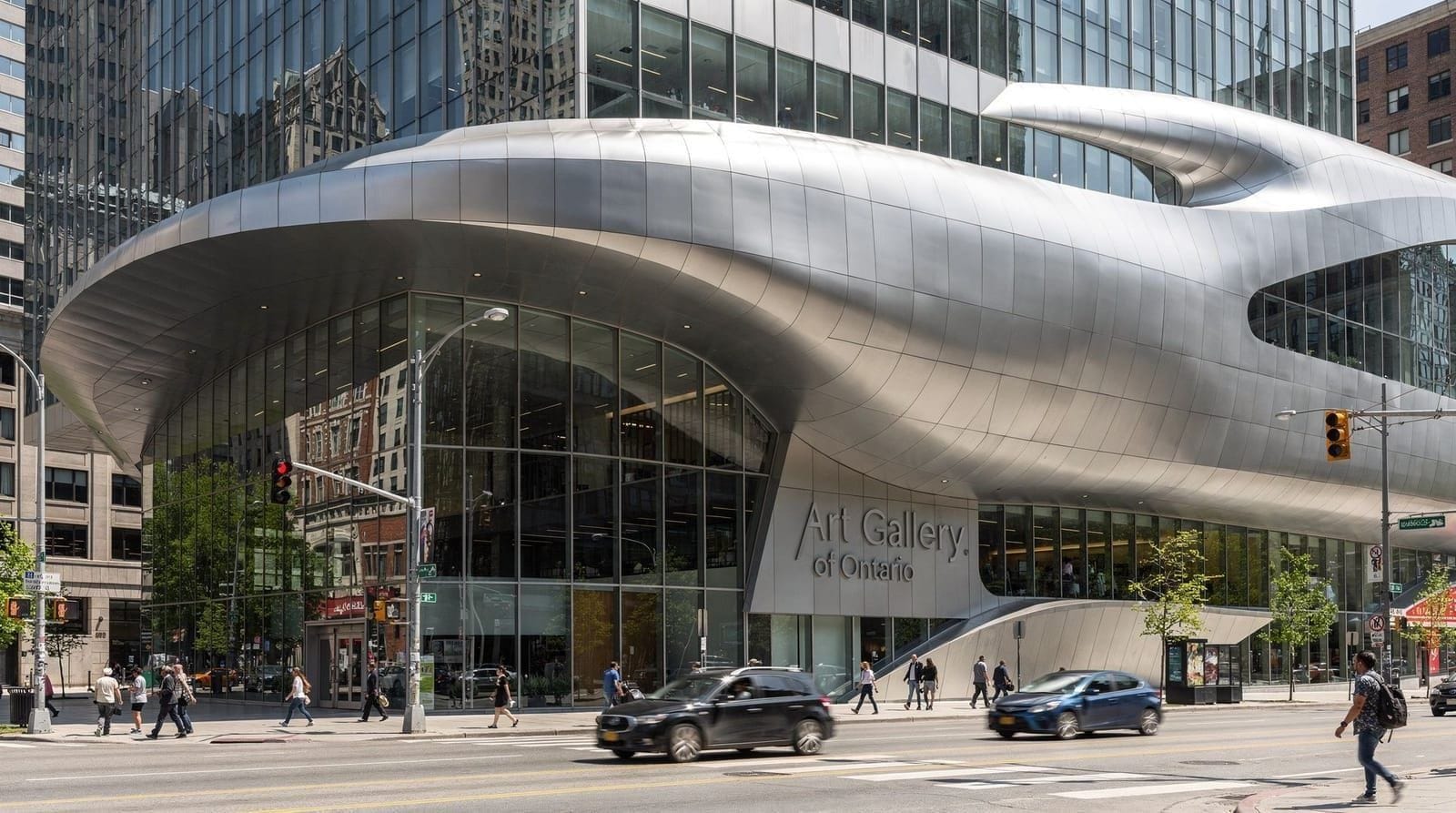
The Art Gallery of Ontario has meaningfully expanded its Indigenous and Inuit art programming in recent years, moving these collections from a peripheral note to a core part of the visitor route through the building — a deliberate curatorial shift reflecting broader conversations in Canadian museums about how Indigenous art has historically been presented and contextualized. See the Art Gallery of Ontario guide for what’s currently on display.
Community-led cultural centres and organizations
Beyond museum collections curated by non-Indigenous institutions, Toronto has several Indigenous-led community organizations that offer more direct engagement. The Native Canadian Centre of Toronto, one of the city’s longest-running Indigenous community hubs, hosts cultural events, markets, and educational programming throughout the year — check their current event calendar before your visit, since programming is community-driven and varies considerably month to month rather than running as a fixed daily attraction.
First Story Toronto offers guided walking tours specifically focused on the city’s Indigenous history and sites, led by Indigenous guides, and is a genuinely different experience from a standard downtown walking tour, since it reframes familiar landmarks and neighborhoods around a much older layer of history than most city tours cover.
Indigenous cuisine in Toronto
Beyond museums and walking tours, Indigenous-owned restaurants and food vendors offer another genuine way to engage with the culture during your visit. Toronto’s food scene includes a small but growing number of Indigenous-owned restaurants and market stalls serving dishes rooted in First Nations, Métis, and Inuit culinary traditions — bannock, wild game, and foraged ingredients feature prominently at several.
These businesses are worth actively seeking out rather than assuming they’ll appear on a standard “best restaurants” list, since Indigenous cuisine remains underrepresented in most mainstream Toronto food coverage relative to the city’s other, more heavily marketed culinary scenes. Checking Native Canadian Centre of Toronto listings or searching specifically for Indigenous-owned restaurants before your trip is the most reliable way to find current options, since openings and closures in this smaller segment of the restaurant scene shift more quickly than the city’s larger, more established food media tends to track.
Engaging with Indigenous culture beyond Toronto
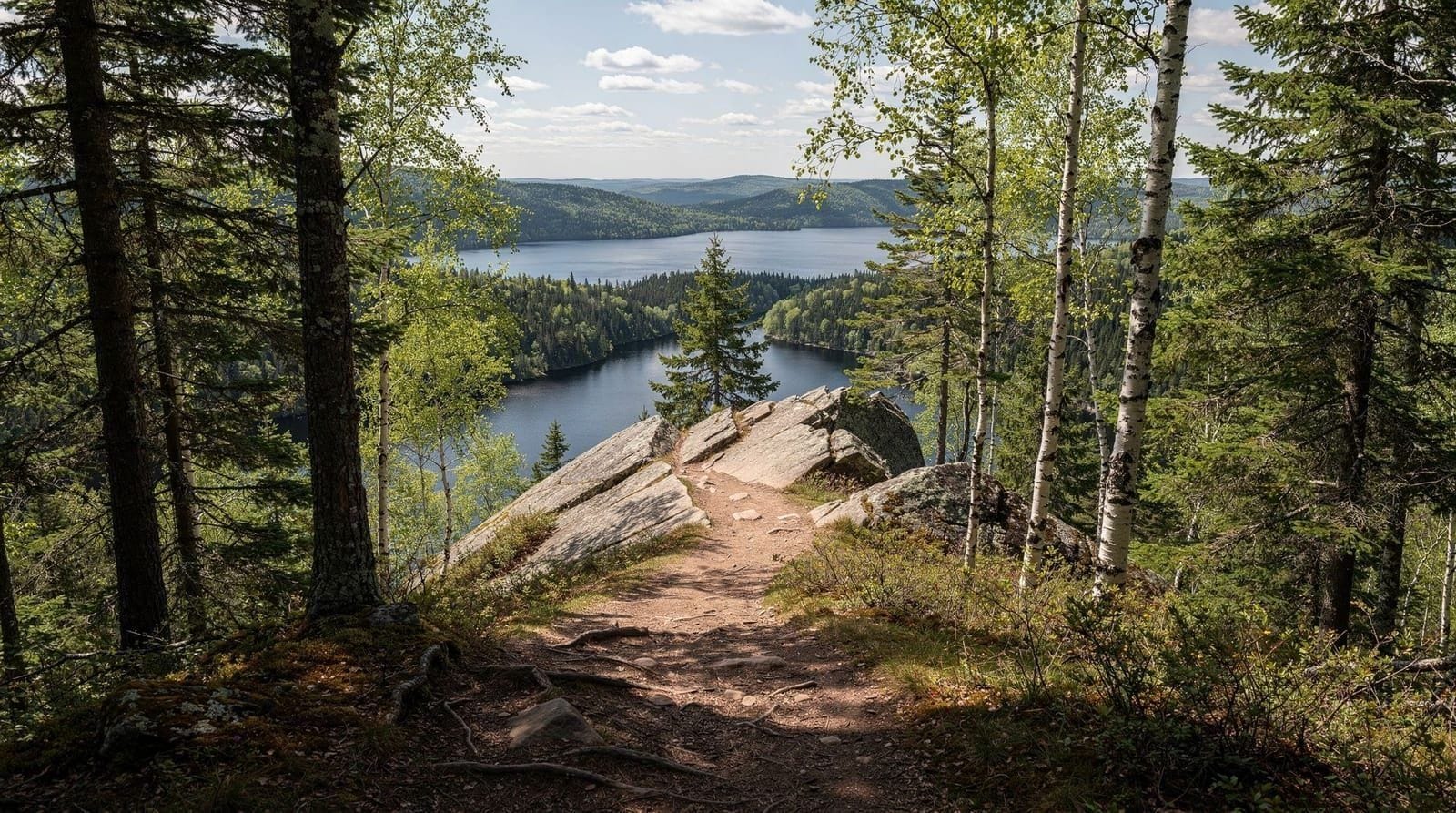
Ontario’s Indigenous history and living communities extend well beyond the city. Algonquin Provincial Park and the broader Muskoka and Algonquin region carry deep Anishinaabe history connected to the land’s lakes and forests — several hiking trails and canoe routes in the park pass through or near sites with documented Indigenous historical significance, and some outfitters and guides in the region incorporate this context into their tours.
See the Algonquin Park hiking guide for trail-specific information, and consider seeking out Indigenous-owned or Indigenous-guided outdoor operators specifically if deeper cultural engagement, not just scenery, is part of what you’re looking for from a visit to the park.
The Thousand Islands and Kingston region carries significant Haudenosaunee and Anishinaabe history connected to the St. Lawrence River as a historical trade and travel corridor, predating the region’s more commonly told colonial and military history (Fort Henry, the War of 1812) by many centuries.
What to know before visiting
A few practical notes for engaging respectfully and meaningfully with Indigenous culture during an Ontario visit: prioritize Indigenous-owned and Indigenous-led experiences where they exist over generic “Indigenous-themed” attractions run by non-Indigenous operators, since the difference in authenticity and the direct economic benefit to Indigenous communities is real.
Purchasing art or craft directly from Indigenous artists or Indigenous-owned galleries, rather than mass-produced souvenirs marketed as “Native-style,” supports actual community livelihoods rather than appropriative imitation — Toronto has several Indigenous-owned galleries and shops, concentrated in and around the downtown core, worth seeking out specifically for this reason.
Terminology worth understanding
Canada’s Indigenous peoples are legally and culturally distinguished into three broad groups: First Nations, Métis, and Inuit, collectively referred to as Indigenous peoples (the term “Aboriginal,” once common, has largely fallen out of official and community use). Ontario is home to many distinct First Nations communities, each with their own languages, histories, and governance, rather than a single homogeneous culture — a useful thing to keep in mind, since museum exhibits and cultural programming often represent specific nations’ traditions rather than a generalized “Indigenous culture” umbrella.
Seasonal events and powwows
Powwows — gatherings featuring traditional dance, drumming, and craft that are open to respectful public attendance — take place at various points throughout the year at locations across the Greater Toronto Area and wider Ontario, though scheduling varies considerably year to year and isn’t centrally published the way a typical tourist festival calendar would be. Checking with the Native Canadian Centre of Toronto or First Nations community event listings closer to your travel dates is the most reliable way to find out if a powwow or similar community event coincides with your visit.
The Woodland Cultural Centre and sites beyond the GTA
For visitors with more time and a genuine interest in Indigenous history beyond a single museum visit or walking tour, the Woodland Cultural Centre in Brantford, roughly 90 minutes southwest of Toronto, offers one of the most significant dedicated Indigenous cultural and historical sites in Ontario, including exhibits addressing the residential school system through the preserved former Mohawk Institute building on the same grounds. It’s a more involved day trip than most standard Toronto-area itineraries include, but it’s worth knowing about specifically for visitors whose primary interest in the region is Indigenous history and culture rather than the city’s more commonly marketed attractions.
How this fits into a broader Toronto and Ontario itinerary
Rather than treating Indigenous culture as a single dedicated stop, the most meaningful approach for most visitors is layering it across a trip — a First Story walking tour early in a Toronto visit reframes how you see the rest of the city, a stop at the AGO’s Indigenous galleries adds art-historical depth, and awareness of the land’s history while visiting Algonquin or the Thousand Islands adds context to landscapes that otherwise read as simply scenic. See things to do in Toronto for how to build a broader itinerary that makes room for this alongside the city’s more commonly covered attractions.
Language and place names worth knowing
Many Ontario place names derive from Indigenous languages, often with meanings that add context to the landscape once you know them — beyond Toronto itself, “Muskoka” is believed to derive from an Anishinaabe chief’s name, “Ontario” comes from a Huron-Wendat or Iroquoian word generally translated as referring to a large or beautiful lake, and “Niagara” derives from a Haudenosaunee term for the thundering water. Recognizing this layer of naming across the province is a small but meaningful way to stay aware of the deeper history underlying places that are often presented purely in terms of their present-day tourist appeal.
Books and resources for deeper reading before your trip
If you want to go beyond a single museum visit or walking tour, several accessible starting points exist for learning more before you arrive: the Truth and Reconciliation Commission of Canada’s final report (widely available online) provides essential context on the residential school system and its ongoing impact, information genuinely relevant to understanding contemporary Indigenous-Canadian relations rather than only historical or artistic culture.
Local library systems in Toronto and across Ontario typically maintain curated Indigenous studies sections, and many Indigenous authors — including several Ontario-based writers — have works widely available that offer first-person perspective in a way museum exhibits, however well-curated, cannot fully replicate.
Building a half-day around Indigenous history in downtown Toronto
If you only have half a day to dedicate to this specifically, a reasonable sequence is: start with a First Story Toronto walking tour or a self-guided walk referencing the treaties covered above, follow it with the AGO’s Indigenous and Canadian galleries or the ROM’s world cultures collections, and close with a meal at an Indigenous-owned restaurant or market stall if you’ve found one through the Native Canadian Centre’s listings. This sequence moves from history and land context, to curated art, to a direct economic connection with the community — a more complete picture than any single stop offers alone.
Frequently asked questions about Indigenous culture in Ontario
What Indigenous nations have historical ties to the Toronto area?
The land is covered by Treaty 13 and the Williams Treaties, and is the traditional territory of the Mississaugas of the Credit, the Anishinaabeg, the Chippewa, the Haudenosaunee, and the Wendat peoples, among others.
Where can I see Indigenous art in Toronto museums?
The Art Gallery of Ontario’s Indigenous and Canadian galleries and the Royal Ontario Museum’s world cultures collections both hold significant Indigenous art and material culture — see the Toronto museums guide for how to prioritize a visit.
Are there Indigenous-led tours in Toronto?
Yes — First Story Toronto offers guided walking tours led by Indigenous guides focused specifically on the city’s Indigenous history, reframing familiar downtown landmarks around a much older layer of history.
What’s the difference between First Nations, Métis, and Inuit?
These are the three legally and culturally distinguished groups collectively referred to as Indigenous peoples in Canada, each with distinct histories, cultures, and governance — Ontario is home to many separate First Nations communities rather than one unified culture.
How can I support Indigenous communities respectfully while traveling in Ontario?
Prioritize Indigenous-owned and Indigenous-led tours, galleries, and shops over generic “Indigenous-themed” attractions, and purchase art or craft directly from Indigenous artists rather than mass-produced imitation souvenirs.
Are there Indigenous cultural sites near Algonquin Park or Muskoka?
Yes — the Algonquin and Muskoka region carries deep Anishinaabe history tied to its lakes and forests, and some outfitters and guides in the region incorporate this context directly into hiking and canoe tours.
Is the Woodland Cultural Centre worth visiting from Toronto?
For visitors with a serious, dedicated interest in Indigenous history, yes — it’s roughly a 90-minute drive southwest to Brantford and offers one of Ontario’s most significant sites for understanding both Haudenosaunee culture and the history of the residential school system.
Do Toronto museums acknowledge the land they’re built on?
Most major Toronto cultural institutions, including the ROM and AGO, now include formal land acknowledgments in their public programming and signage, referencing the treaties and nations connected to the land, alongside their broader efforts to expand Indigenous curatorial representation within their permanent collections.