High Park trails guide
How long are the trails in High Park?
High Park's paved and unpaved trail network totals roughly 7 km, with the main loop around Grenadier Pond and through the oak savannah taking about 1.5-2 hours on foot. Shorter walks focused on the gardens or the pond alone can be done in under an hour.
Toronto’s biggest green space is more than a cherry blossom photo op
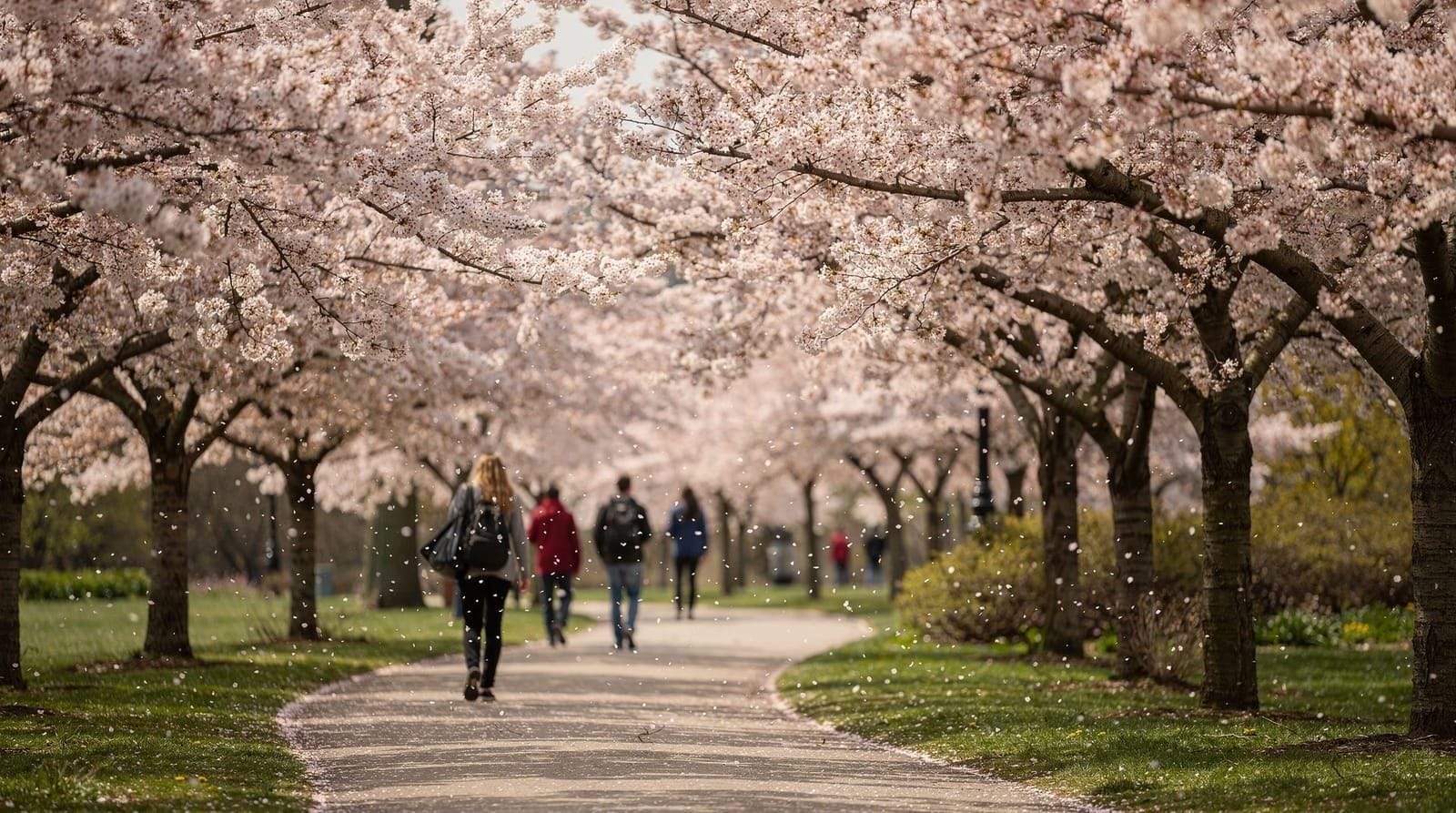
At roughly 160 hectares, High Park is Toronto’s largest park by a wide margin, and while it draws its biggest crowds each spring for the Sakura cherry blossoms near Bloor Street, the park’s trail network and ecology extend well beyond that one grove. This guide covers the fuller walking network — Grenadier Pond, the rare oak savannah, Hillside Gardens, and the quieter southern sections most cherry-blossom visitors never see.
| Where | Roncesvalles/High Park, west end of downtown Toronto |
| Cost | Free; Colborne Lodge charges a modest museum admission |
| Time needed | 1 hour for the pond loop, 2-3 hours for the full network |
| Getting there | High Park subway station (Line 2), or streetcar/bus to the edges |
| Best time | Weekday mornings, or fall for quiet, colourful walking |
The main loop: Grenadier Pond and the western trails
Grenadier Pond, on the park’s western edge, is High Park’s largest water feature and the anchor for its most popular walking loop — a mostly flat, well-maintained path circling the pond with views across to the CN Tower skyline on clear days. In winter, when conditions allow, the pond has historically been used for informal skating, though ice conditions vary year to year and should never be assumed safe without local confirmation. The loop around the pond alone runs about 3 km and works well as a self-contained walk if you don’t have time for the whole park.
Black oak savannah — a genuinely rare ecosystem
Much of High Park’s interior sits on black oak savannah, a fire-dependent grassland-and-scattered-oak ecosystem that was once common across southern Ontario and is now globally rare, surviving in only a handful of protected pockets. The City of Toronto manages this habitat with regular prescribed burns (conducted by trained crews, typically in spring) to maintain the open, grassy character the ecosystem needs — a detail worth knowing if you visit and see scorched ground, since it’s deliberate restoration work, not damage. Trails through the savannah sections, mostly in the park’s central and eastern portions, are less manicured than the pond loop but offer a genuinely different landscape from anywhere else in the city.
Hillside Gardens and Colborne Lodge
Near the park’s Bloor Street entrance, Hillside Gardens is a formal, terraced garden space that’s popular for photos year-round, not just during cherry blossom season — spring bulbs, summer perennials, and fall colour each bring their own draw. Colborne Lodge, the restored 1837 home of John and Jemima Howard (the couple who donated the land that became High Park), sits nearby and operates as a small museum with period furnishings, offering a break from walking and a bit of the park’s origin story.
High Park Zoo — free and easy to miss
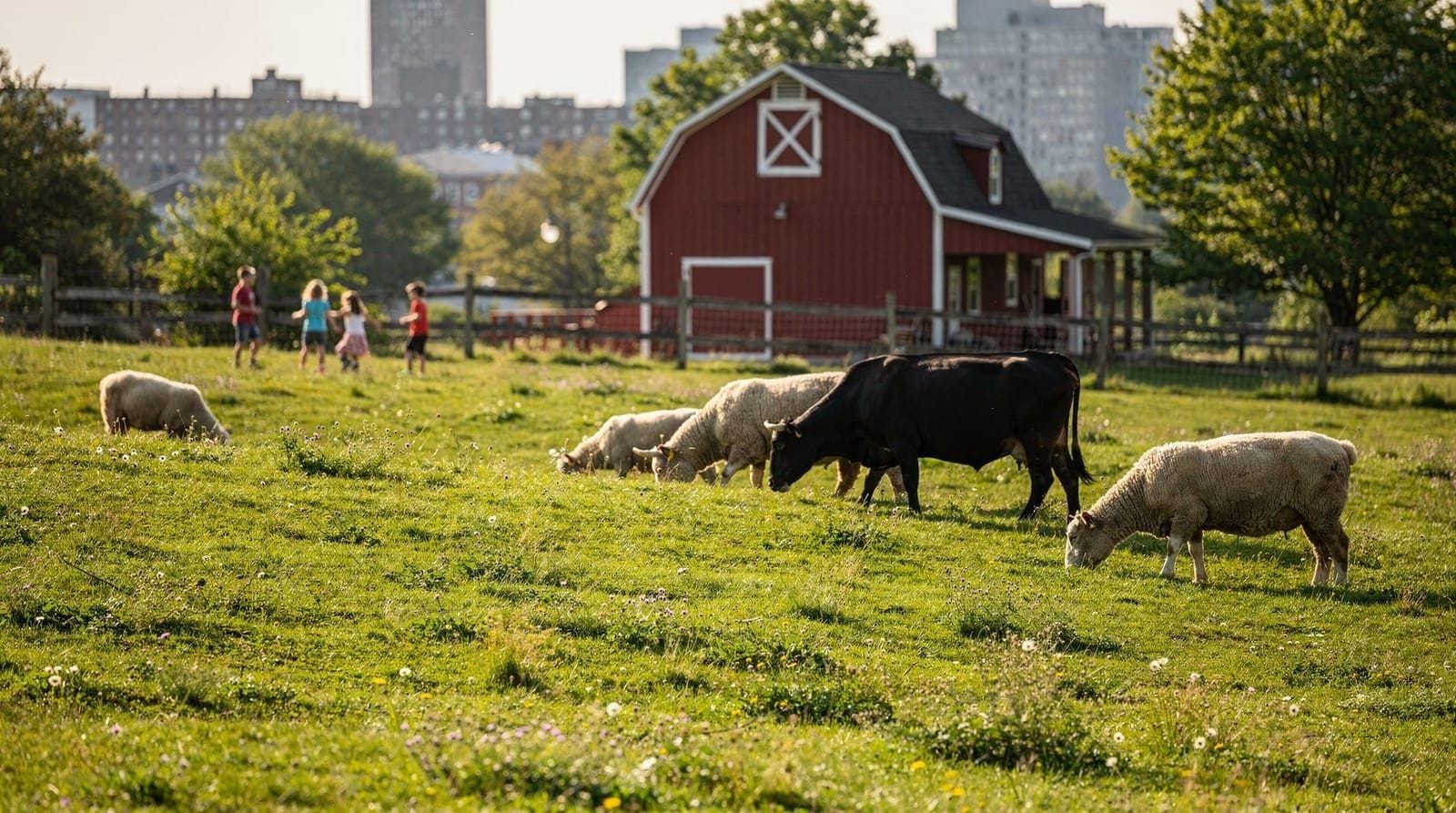
A small, free zoo sits within the park’s eastern section, home to bison, llamas, and a handful of other species — modest compared to Toronto’s full-scale zoo out in Scarborough, but a pleasant, no-admission stop if you’re already walking through that part of the park with kids.
Grenadier Restaurant and picnic areas
Along the western trails near the pond, several designated picnic areas with tables and grills make High Park a genuine destination for a full afternoon rather than just a passing walk — popular on summer weekends, so arriving early secures a spot in the more sought-after grove areas. A seasonal restaurant near the pond offers a sit-down option if you’d rather not pack a picnic.
The southern trails toward Lake Ontario
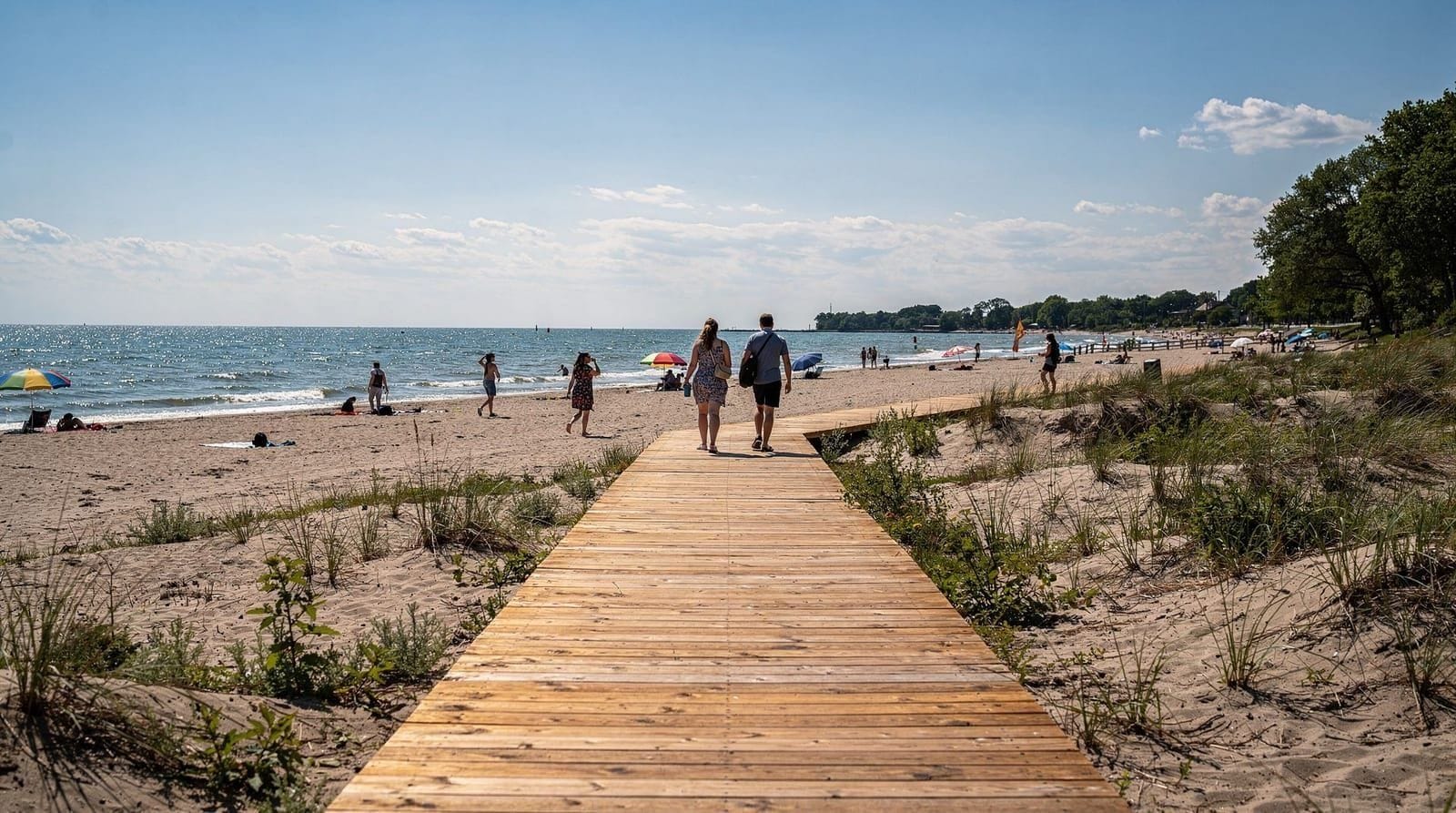
Less visited than the pond loop or the savannah trails, the park’s southern edge connects toward the Lake Ontario shoreline via a pedestrian bridge over the Gardiner Expressway and rail corridor, linking High Park to the waterfront trail system. This stretch sees a fraction of the foot traffic of the park’s interior and offers a way to extend a High Park visit into a longer waterfront walk without backtracking.
Wildlife and what to expect
High Park’s size and habitat diversity support a genuine range of urban wildlife — coyotes are resident in the park and occasionally seen, particularly around dawn and dusk; give them distance and never feed them if encountered. Raccoons and a wide variety of bird species (including migratory warblers during spring and fall passage) are common throughout. Off-leash dog areas are designated in specific zones — check posted signage, since much of the park, including the savannah restoration areas, requires dogs on leash.
The prescribed burn program in detail
The city’s spring prescribed burns, typically conducted in April before new growth emerges, are a genuinely rare sight for an urban park — trained fire crews burn sections of the savannah in rotation over several years, clearing invasive species and woody undergrowth that would otherwise crowd out the native grasses and wildflowers the ecosystem depends on. Visitors who happen to be in the park during or shortly after a burn will see blackened ground that looks alarming out of context but represents deliberate, carefully managed restoration work rather than damage — a detail worth knowing before assuming something has gone wrong.
Fall colour and off-peak seasons
While spring cherry blossoms get the crowds, High Park’s fall colour — driven by its mature oak, maple, and beech canopy — is a quieter, arguably more photogenic season with none of the blossom-viewing congestion. Autumn weekday mornings are close to empty even in the park’s most popular sections, a sharp contrast to the peak blossom period. For the specific timing and crowd-management details of cherry blossom season, see the dedicated High Park cherry blossoms guide.
The park’s history as a donated estate
High Park exists today because John George Howard, a 19th-century architect and city surveyor, donated his 165-acre estate to the City of Toronto in 1873 on the condition it remain a public park in perpetuity — an unusually large and early act of civic philanthropy that shaped the city’s green space planning for generations after. Colborne Lodge, the Howards’ home within the park, is the direct physical link to this origin story, and the park’s unusually large size relative to most city parks traces directly back to the scale of that original donation.
Getting there and getting around
High Park is directly served by the TTC’s Line 2 subway (High Park station) and several streetcar and bus routes, making it one of the most transit-accessible major green spaces in the city — no car needed. Within the park, a free shuttle bus (Segway rentals were previously available but check current operator status) loops the main road during peak season for visitors who don’t want to walk the full distance between the pond, the gardens, and the zoo.
Comparing High Park to the city’s other green spaces
High Park’s mix of formal gardens, a large pond, rare savannah habitat, and a small zoo makes it more varied than most single Toronto parks, closer in character to a full day-trip destination than a neighbourhood green space. For a wilder, more forested walking experience within the same city, the Toronto ravines guide covers a completely different kind of trail network — narrower, more hidden, and threaded through residential neighbourhoods rather than concentrated in one large park.
Practical notes
Public washrooms are available near the main entrances and at a few points along the central road, though they can be limited during peak spring weekends. Bring water, especially for the full loop in summer heat, since shaded sections are inconsistent depending on route. The park stays open year-round, and winter walking — with far fewer visitors — is genuinely pleasant on clear, cold days, provided paths aren’t icy.
For Toronto’s other major urban trail network, see the Toronto ravines guide, which covers the city’s extensive system of forested valley trails beyond High Park. And for a lakeside walking alternative on the city’s east side, guide to The Beaches covers the boardwalk trail along Lake Ontario.
Suggested route for a first visit
If you only have a couple of hours, enter near High Park station, walk the Grenadier Pond loop first (about an hour, mostly flat and paved), cut through Hillside Gardens on your way back toward the entrance, and detour past the zoo if you’re travelling with kids. This covers the park’s two most distinctive features — the water and the gardens — without needing the full 2-3 hours the entire trail network takes, and it avoids backtracking. Save the savannah trails and the southern stretch toward the lake for a return visit if hiking, rather than a quick park stop, is the actual goal.
Frequently asked questions about hiking High Park
How long does it take to walk all of High Park’s trails?
Covering the full network — the Grenadier Pond loop, savannah trails, and gardens — takes roughly 2-3 hours at a relaxed pace. The pond loop alone, a shorter self-contained walk, takes about an hour.
Are High Park’s trails stroller and wheelchair accessible?
The paved sections around Grenadier Pond and Hillside Gardens are largely accessible, but many of the savannah and interior trails are unpaved with uneven terrain, less suited to strollers or wheelchairs.
Is High Park free to visit?
Yes, the park itself, its trails, and the small zoo within it are all free to enter. Colborne Lodge charges a modest admission fee for its museum exhibits.
Can I see coyotes in High Park?
Coyotes are resident in the park and occasionally spotted, particularly around dawn or dusk. They generally avoid people but should never be approached or fed if encountered.
Is High Park busy outside cherry blossom season?
No, outside the roughly two-week blossom peak in late April to early May, the park is considerably quieter, and weekday visits at any other time of year rarely feel crowded even in popular sections.
How do I get to High Park without a car?
TTC’s Line 2 subway stops directly at High Park station, and several streetcar and bus routes also serve the park’s edges, making it one of Toronto’s most transit-accessible major parks.
Can I have a picnic in High Park?
Yes, several designated picnic areas with tables and grills are scattered through the park, particularly near Grenadier Pond. They fill up on summer weekends, so arriving in the morning improves your odds of a good spot.
Does High Park connect to the Lake Ontario waterfront trail?
Yes, a pedestrian bridge on the park’s southern edge crosses over the Gardiner Expressway and rail corridor, connecting High Park directly into the city’s waterfront trail system for a longer combined walk.