Toronto budget travel guide
How much does it cost to visit Toronto per day?
Budget travelers spend $80-120 CAD per day (hostels, casual food, transit, free attractions), mid-range travelers $130-200 CAD (hotels, restaurant meals, paid attractions), and luxury travelers $250 CAD or more (4-star hotels, fine dining, private tours). Accommodation is the single biggest lever for controlling overall cost.
Three budget levels, and where your money actually goes
Toronto isn’t a cheap city — it consistently ranks among Canada’s most expensive for accommodation and dining — but it’s genuinely manageable at a range of budget levels if you know where the flexible spending actually is. This guide breaks down realistic daily costs at three levels and, more usefully, where you can cut spending without cutting the experience.
| Budget | $80-120 CAD/day — hostel, street food, transit, free sights |
| Mid-range | $130-200 CAD/day — 3-star hotel, restaurants, 1-2 paid attractions |
| Luxury | $250 CAD+/day — 4-star hotel, fine dining, private tours |
| Biggest lever | Accommodation (~42% of the daily total) |
| Cheapest season | Winter (Dec-Feb), 30-40% below summer peak |
The three budget tiers
Budget ($80-120 CAD per day): hostel dorm or budget guesthouse ($30-50 CAD), street food and casual restaurant meals, public transit, and a heavy reliance on free attractions and neighborhood exploration over paid admissions. Mid-range ($130-200 CAD per day): a mid-range hotel ($150-300 CAD, often split across two travelers), sit-down restaurant meals ($15-30 CAD per meal), one or two paid attractions, and occasional taxi or rideshare use alongside transit. Luxury ($250 CAD or more per day): 4-star-and-up hotels ($300 CAD or more), fine dining including some of Toronto’s MICHELIN-recognized restaurants, private tours, and minimal cost-consciousness around transport or activity choices.
Across all three tiers, the rough spending split holds fairly steady: accommodation runs about 42% of the total budget, food 25%, transport 19%, and attractions and activities 14% — meaning accommodation is genuinely the single biggest lever if you’re trying to bring your overall daily cost down.
Cutting accommodation costs
Toronto hotel prices vary considerably by neighborhood and season — downtown core hotels near the CN Tower and Union Station command a premium over comparable properties in slightly further-out but still transit-connected neighborhoods. Booking well in advance for peak summer dates (particularly during FIFA World Cup matches or TIFF in September) matters more in Toronto than in many cities, since major events genuinely spike rates across the entire city, not just nearby hotels.
Hostels are a legitimate option even for travelers who wouldn’t normally consider one — Toronto has several well-reviewed properties in central, transit-accessible locations, and private rooms at hostels often undercut budget hotel rates while offering a similar level of privacy.
Cutting food costs without eating badly
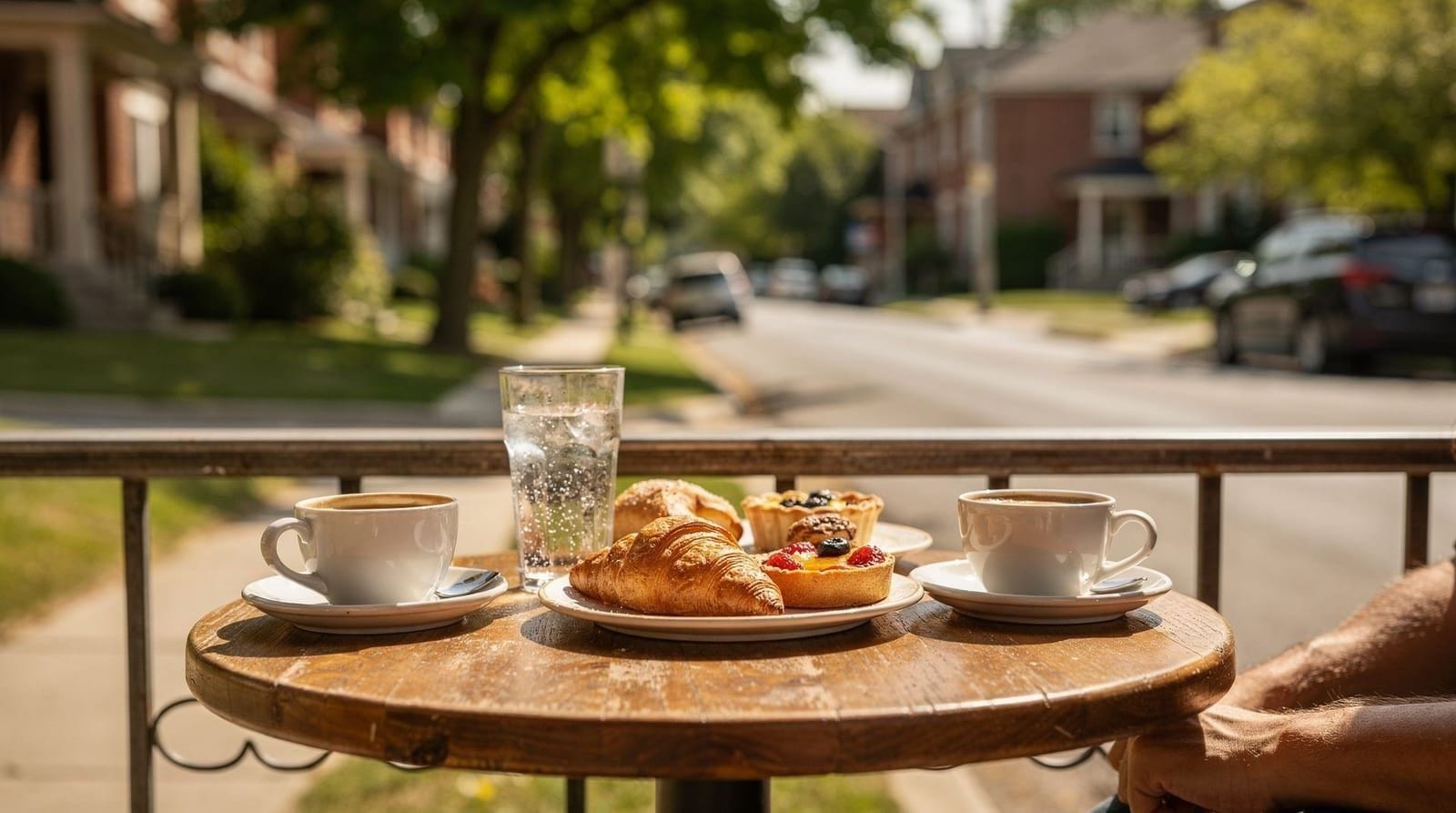
Toronto’s food scene rewards budget-conscious exploration rather than punishing it. St. Lawrence Market offers genuinely excellent, reasonably priced meals from dozens of vendors under one roof — see the St. Lawrence Market food guide for specific stall recommendations. Kensington Market and Chinatown both offer dense concentrations of inexpensive, high-quality ethnic food that consistently outperforms tourist-zone restaurants on both price and authenticity.
Skipping alcohol at restaurants (Ontario’s markup on wine and cocktails is substantial) and instead visiting a brewery or wine bar separately, where pricing is more transparent, is a genuine cost-saver over a full night of restaurant drinking. See best brunch spots in Toronto for reasonably priced options that don’t sacrifice quality.
Cutting transport costs
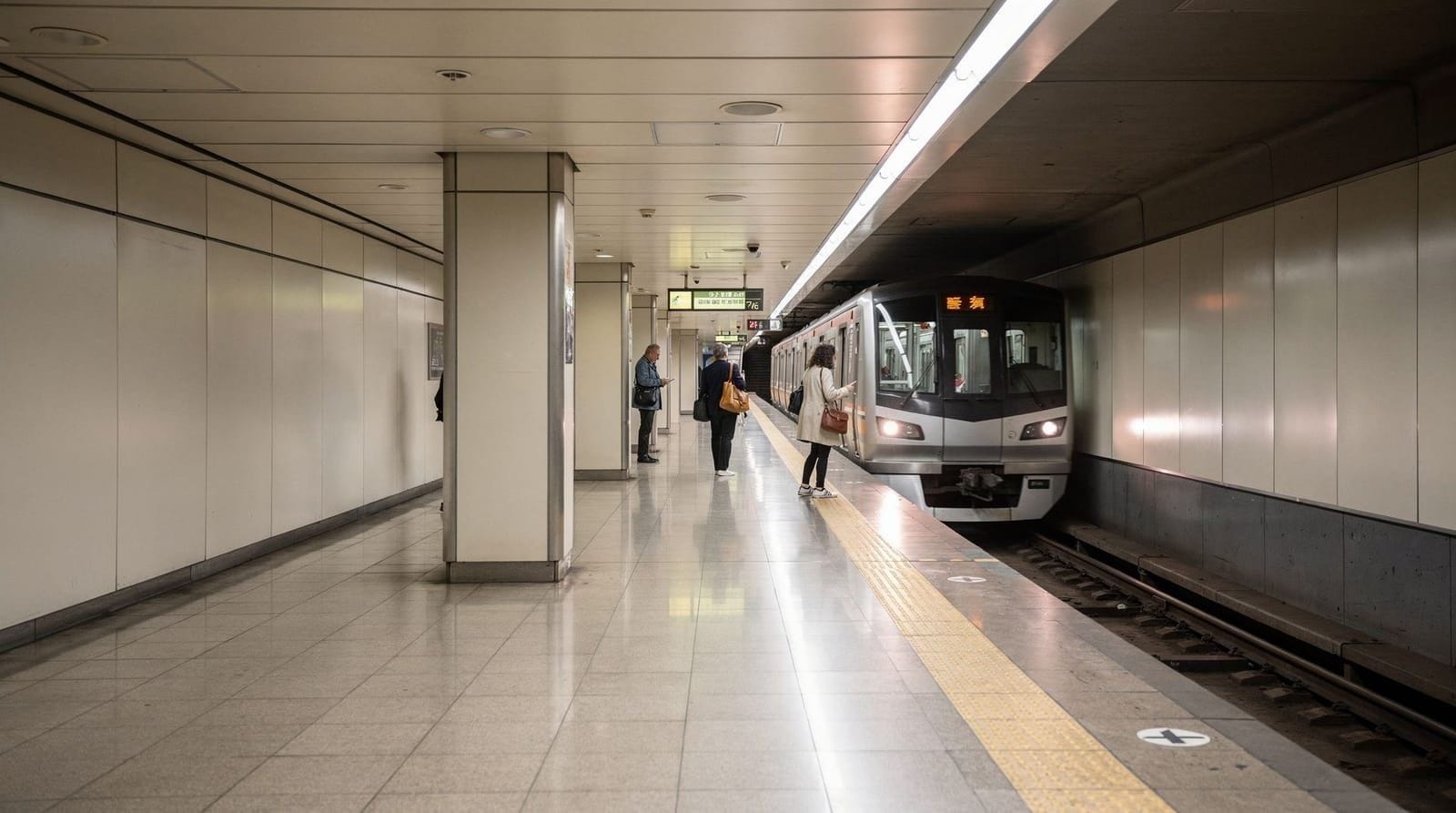
A TTC day pass at $13.50 CAD covers unlimited rides and beats paying per-ride once you’re taking more than four trips in a day, which is typical for most sightseeing itineraries. Walking between nearby attractions rather than defaulting to transit or taxis for short hops — downtown Toronto is genuinely compact and walkable — cuts both cost and, honestly, gives you a better sense of the city than moving underground on the subway between every stop. Avoid taxis and rideshares for anything the TTC covers directly; they’re convenient but add up fast relative to transit fares.
Cutting attraction costs
Free museum windows matter: the ROM offers free admission on select third-Tuesday evenings, and the AGO offers free entry for visitors 25 and under plus select free Wednesday evenings — see the Toronto museums guide for current schedules. Toronto CityPASS bundles several major paid attractions at a meaningful discount over individual tickets if you’re planning to visit three or more.
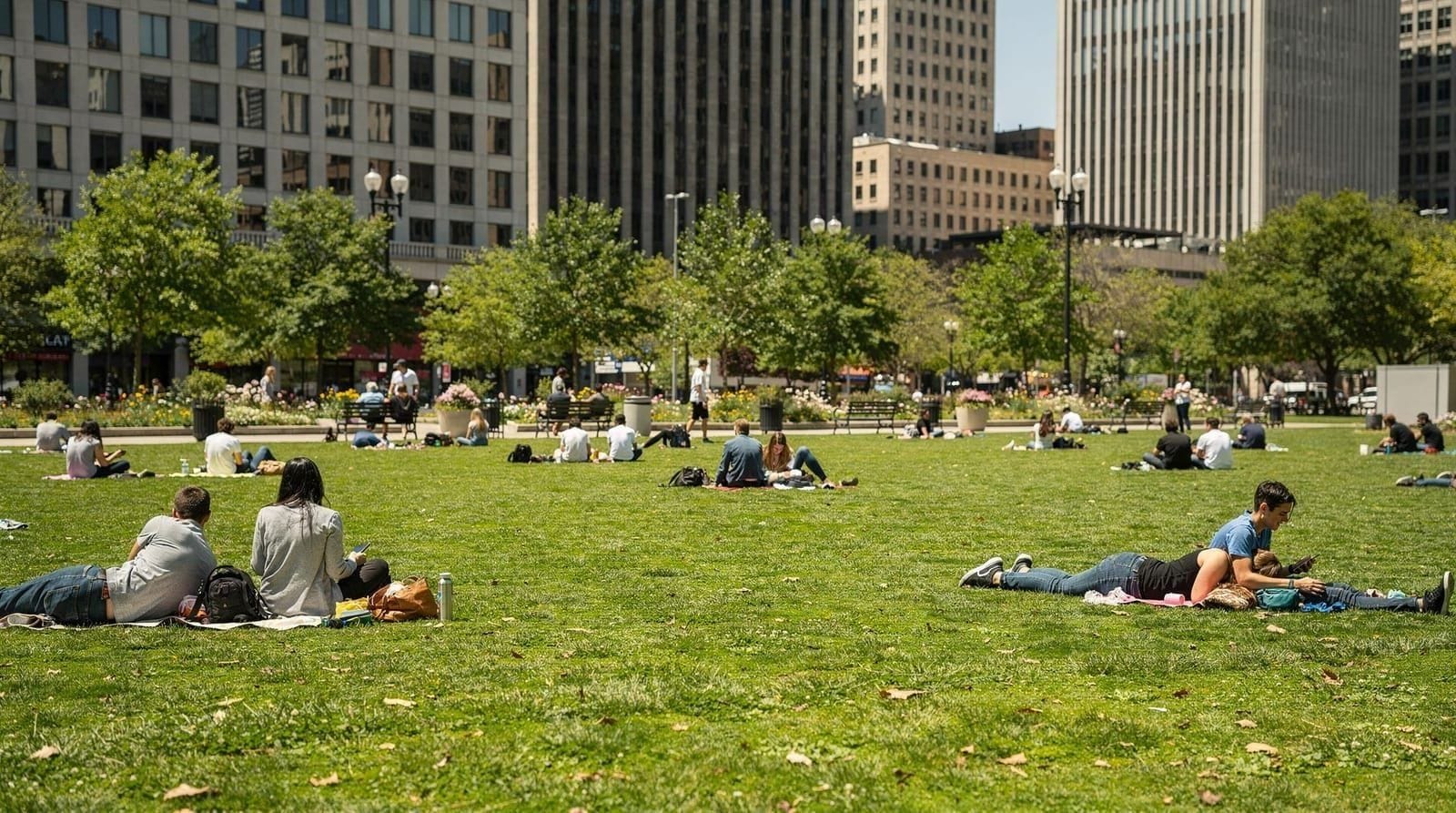
And a genuinely large share of what makes Toronto worth visiting costs nothing at all — see free things to do in Toronto for a full list, including the Toronto Islands ferry (a few dollars, not free, but close), neighborhood walks through Kensington Market and the Distillery District, and High Park.
Budget-friendly neighborhoods to explore for free
Beyond paid attractions, several of Toronto’s most memorable experiences are simply walking and looking: Kensington Market’s vintage shops and street murals, the Distillery District’s Victorian-era architecture, Harbourfront’s waterfront promenade, and The Beaches’ boardwalk all cost nothing beyond the transit fare or walk to get there.
Seasonal budget considerations
Visiting during shoulder seasons — spring (April-May) or fall (September-October) — genuinely reduces costs compared to peak summer, with lower hotel rates and fewer crowds at popular attractions, without sacrificing much in terms of weather or what’s open. Winter (December-February) offers the lowest prices of all, though several outdoor attractions and some day-trip destinations (particularly Niagara’s boat cruises, closed November through April) are unavailable or limited during this window — factor that trade-off into your decision if budget is the primary driver of your travel dates.
Day-trip budget planning
If your Toronto trip includes regional day trips, GO Transit fares to Niagara Falls or Hamilton are considerably cheaper than a guided tour or rental car for a solo traveler or couple, typically in the $12-25 CAD range each way. Guided tours cost more but include transport, commentary, and sometimes meals, which can offset the price difference if you’d otherwise be paying separately for all of those. See best day trips from Toronto by train for a fuller cost breakdown by destination.
Free walking routes worth building a whole day around
Beyond individual free attractions, it’s worth planning at least one full day around a self-guided walking route rather than budgeting for paid attractions at all — a route from Harbourfront through the Distillery District to St. Lawrence Market covers roughly 3-4 km of genuinely varied, photogenic city, costing nothing beyond whatever you choose to eat along the way.
A second free-day option runs from Kensington Market through Chinatown toward the Art Gallery of Ontario, where you could stop outside or step in only if the free-admission window applies to your visit. Building one or two zero-admission days like this into a longer trip meaningfully lowers your average daily spend without cutting into the experience.
A sample budget day in Toronto
A realistic budget-tier day: TTC day pass ($13.50), a market lunch at St. Lawrence Market ($12-15), an afternoon walking Kensington Market and the Distillery District (free beyond transit), a Toronto Islands ferry round trip ($9.57), and a casual dinner in Chinatown ($15-20) — totaling roughly $50-60 CAD for a full day of activity beyond accommodation, comfortably within the budget tier’s daily target once lodging is added.
Traveling with a group vs. solo budgeting
Group travel changes the budget math considerably in Toronto. Hotel rooms, taxis, and even some restaurant meals become cheaper per person when split across three or four travelers rather than booked solo — a mid-range hotel room splitting to roughly $40-75 CAD per person per night for a group of four is a meaningfully different proposition than the same room booked by a solo traveler. Guided tours and rental cars follow the same logic: a day-trip rental car split four ways often beats individual GO Transit fares, flipping the usual budget-tier recommendation for solo travelers.
Booking timing and how it affects your budget
Toronto hotel rates fluctuate significantly with demand, and booking 2-3 months ahead for peak summer dates, or immediately after a major event’s schedule is announced (FIFA World Cup matches, TIFF dates), typically locks in meaningfully lower rates than booking closer to your travel date. Conversely, last-minute bookings during shoulder season (spring or fall, outside of major event dates) sometimes turn up genuine discounts as hotels fill remaining inventory — worth checking both strategies depending on how flexible your travel dates are.
Currency and card fees eating into your budget
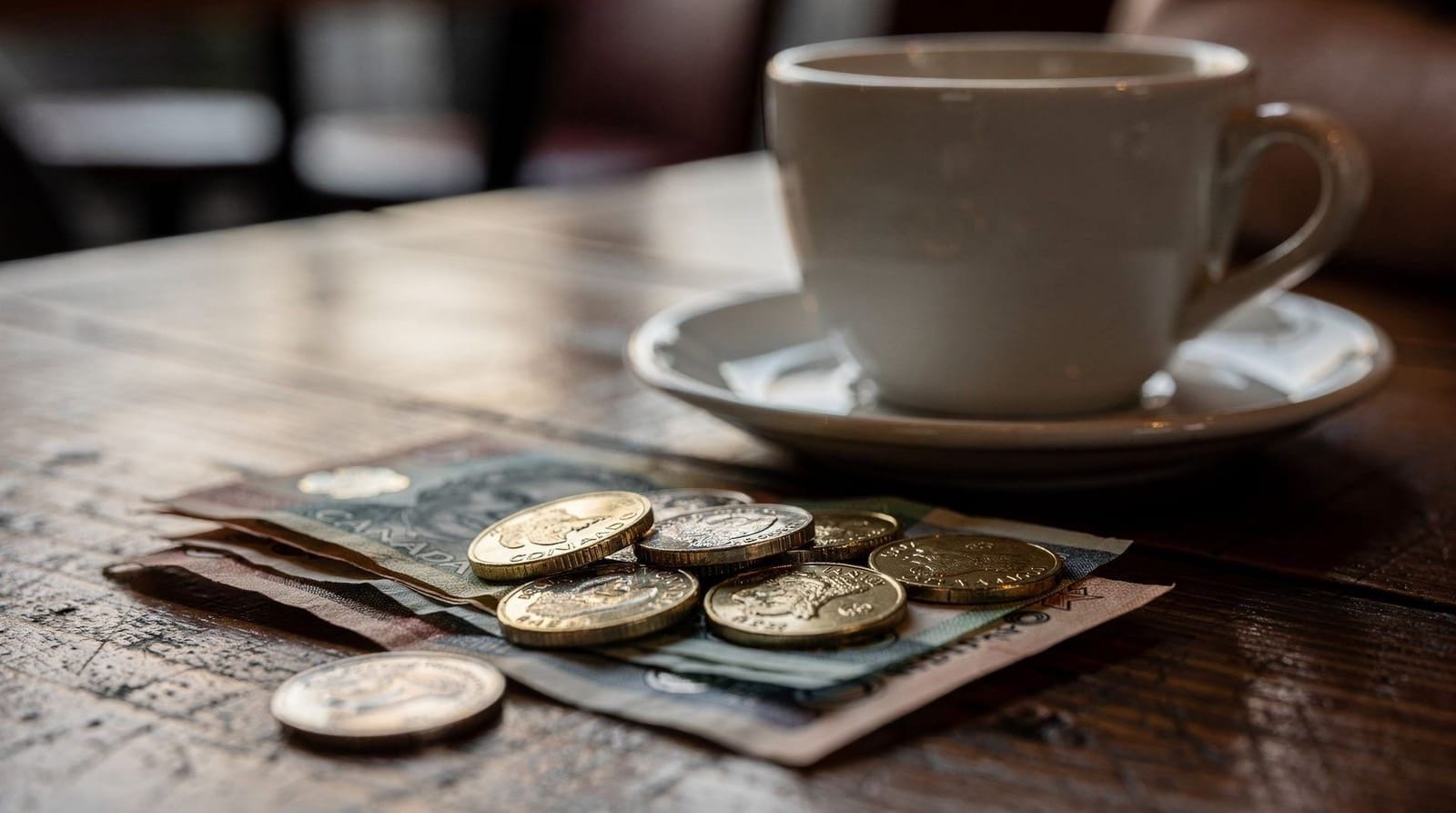
Foreign transaction fees on credit cards, and unfavorable currency exchange rates at airport kiosks or tourist-area exchange counters, are an easy way to quietly lose several percent of your total trip budget without noticing. See the currency and tipping in Toronto guide for how to minimize these costs — using a no-foreign-transaction-fee credit card and withdrawing cash from a bank ATM rather than a tourist-area currency exchange both make a genuine difference over the course of a multi-day trip.
Taxis and rideshare vs. transit: the real cost gap
Toronto’s TTC beats taxis and rideshare on almost every trip that isn’t airport-to-downtown or a late-night return when the subway’s stopped running — see the taxi vs. Uber honest guide for a full breakdown of when each option actually wins. As a rule of thumb, any trip the TTC covers directly costs a fraction of the equivalent rideshare fare, and the gap widens further during surge pricing around big events like TIFF or a Blue Jays game.
Someone else’s real numbers
If the tiers above feel abstract, our Toronto on a budget: real numbers post walks through an actual traveler’s day-by-day spending, which is a useful gut check against the ranges quoted here — real trips rarely land perfectly on the average, and it’s worth seeing where one traveler over- or under-spent relative to the tiers above.
A rainy-day budget contingency
Toronto’s weather doesn’t always cooperate, and a rained-out day can quietly wreck a tight budget if it forces you into a paid indoor attraction you hadn’t planned for. The things to do in Toronto on a rainy day guide leans heavily on free or low-cost indoor options — the PATH network, library branches, and free museum windows — worth bookmarking before you travel rather than improvising with the nearest paid attraction.
Frequently asked questions about budgeting for Toronto
How much should I budget per day for a mid-range Toronto trip?
$130-200 CAD per day covers a mid-range hotel, restaurant meals, transit, and one or two paid attractions, based on typical Toronto pricing.
What’s the biggest way to save money on a Toronto trip?
Accommodation, which represents roughly 42% of a typical travel budget — booking early, considering neighborhoods slightly outside the core, or choosing a well-located hostel over a hotel are the most impactful levers.
Are Toronto’s museums ever free?
The ROM offers free admission on select third-Tuesday evenings, and the AGO offers free entry for visitors 25 and under plus select free Wednesday evenings — check each museum’s current schedule before planning around them.
Is Toronto cheaper to visit in winter?
Yes, generally — hotel rates and crowds both drop considerably in winter, though some outdoor and day-trip attractions (particularly Niagara’s boat cruises) are closed or limited from November through April.
How much does a day trip to Niagara Falls cost on a budget?
GO Transit’s bus fare each way typically runs in the $12-25 CAD range, considerably cheaper than a guided tour or solo car rental for a single day trip.
Is Toronto walkable enough to skip transit most days?
Downtown Toronto is genuinely compact and walkable for a lot of core sightseeing, though a TTC day pass is worth it once your day includes more than a few longer hops between neighborhoods.
Does traveling as a group save money in Toronto?
Yes, significantly — hotel rooms, taxis, rental cars, and some restaurant meals all become cheaper per person when split across three or four travelers, sometimes flipping the usual solo-traveler recommendation toward driving over transit for day trips.
Are credit card foreign transaction fees a real budget concern in Toronto?
Yes — foreign transaction fees and unfavorable airport currency exchange rates can quietly erode several percent of a trip budget. A no-foreign-transaction-fee card and bank ATM withdrawals both help minimize this.
Are taxis ever worth it over transit in Toronto on a budget?
Rarely, except for late-night trips after the subway stops running or heavy luggage to and from the airport — for nearly everything else, the TTC is considerably cheaper, and the gap widens during surge pricing around big events.