Winterlicious & Summerlicious guide
What are Winterlicious and Summerlicious in Toronto?
They are Toronto's twice-yearly prix-fixe restaurant promotions, run by the city each January-February (Winterlicious) and July (Summerlicious), where several hundred restaurants offer fixed-price lunch and dinner menus so diners can try higher-end kitchens at a set, predictable cost. Reservations open a few weeks ahead and the most popular restaurants book out fast.
| When | Winterlicious: late Jan-Feb; Summerlicious: July |
| Cost | Lunch ~CAD $23-33; dinner ~CAD $33-53 per person |
| Booking | Opens 2-3 weeks ahead; popular spots fill within days |
| Where | Distillery District, King West, Yorkville, Kensington Market |
| Extras | Tax (13% HST), tip, and drinks add roughly 40-50% on top |
The two weeks that make Toronto’s expensive restaurants accessible
Toronto has a genuinely deep restaurant scene, but many of its best-regarded kitchens run at prices that put a casual visit out of reach for a lot of travelers. Winterlicious and Summerlicious exist to solve that: for roughly two weeks each, the city coordinates several hundred participating restaurants around fixed-price menus, so a dinner that might otherwise run 90 to 150 CAD per person becomes a known, capped cost. It’s a genuinely good deal when you pick the right restaurant and a mediocre one when you don’t — the format rewards a bit of research over just booking whatever’s still available the week before.
How the pricing structure works
Both events use the same tiered pricing model. Lunch prix-fixe menus are typically offered at three price points — around 23, 28, and 33 CAD per person — for two or three courses, while dinner menus run at roughly 33, 43, and 53 CAD per person for three courses. These prices are for the food only; tax, tip, and drinks are added on top, and it’s worth budgeting an extra 40 to 50% of the base menu price once those are included. Higher-end restaurants — the kind that would normally charge 150 CAD or more for a tasting menu — tend to sit at the top tier, while more casual spots use the lower tiers to draw in diners who might not otherwise walk through the door.
When each event runs
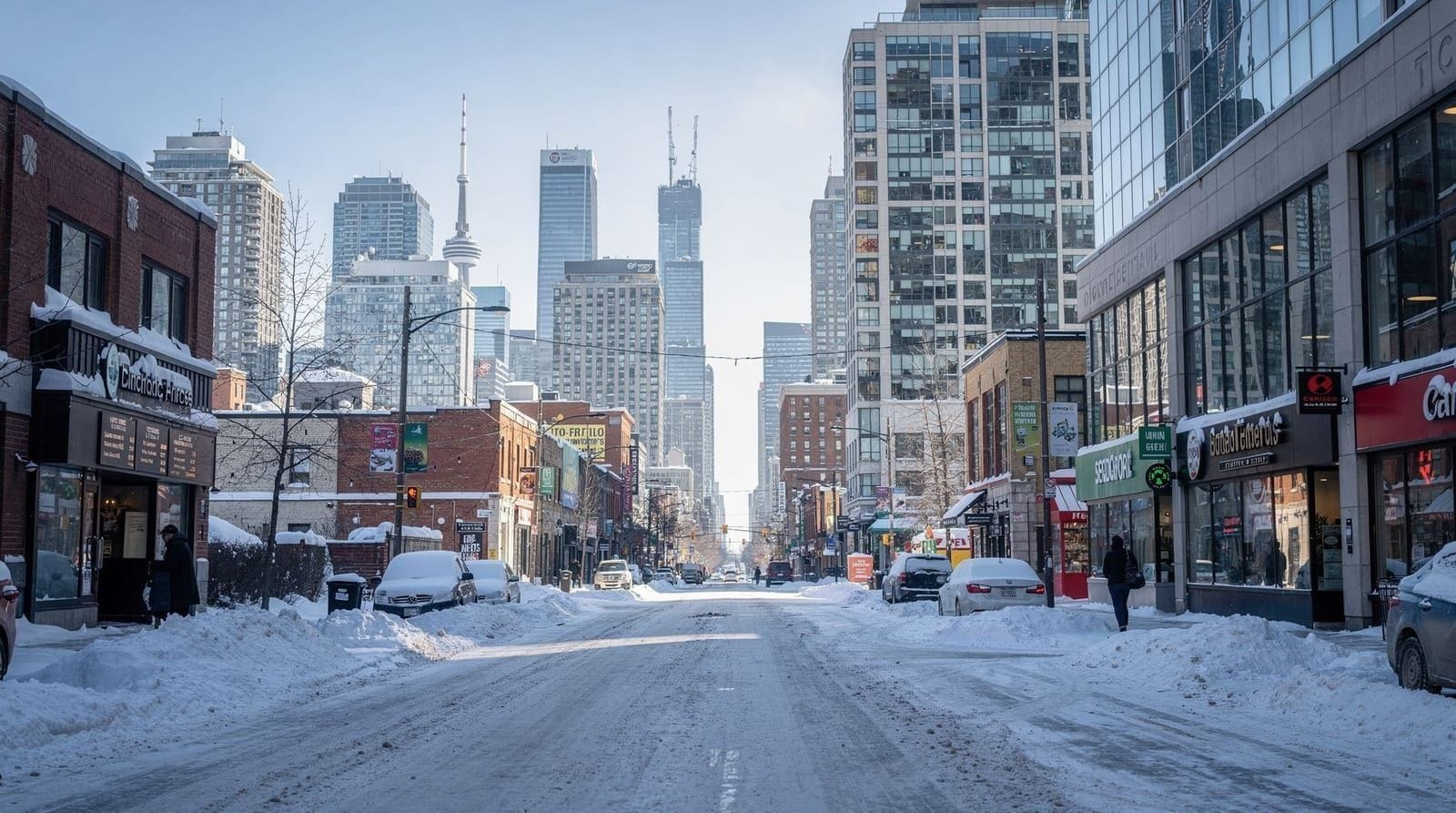
Winterlicious takes place in late January into February, timed to fill restaurants during the city’s slowest, coldest stretch of the year — it’s one of the better reasons to visit Toronto in that otherwise-quiet window covered in the Toronto in winter guide. Summerlicious runs in July, overlapping with the city’s busiest tourist season and giving visitors a structured way to try well-regarded restaurants without having to navigate an unfamiliar menu cold. Exact dates shift by a week or two year to year, so check the current schedule on the City of Toronto’s website before locking in a trip specifically around the promotion — but the general windows are reliable enough to plan around.
Booking strategy
Reservations for both events typically open two to three weeks before the promotion starts, and the most talked-about restaurants — the ones that show up in every “best of Winterlicious” list — book out within days, sometimes hours, of reservations opening. If there’s a specific restaurant on your list, set a reminder for the exact date bookings open rather than checking a week later and finding nothing available.
Walk-ins are possible at less in-demand restaurants throughout the event, but that approach works better for a spontaneous weeknight dinner than for a trip built around trying a specific kitchen. Some restaurants only offer the prix-fixe menu at certain times (early dinner seatings, for instance, rather than prime 7 or 8pm slots), so check the exact terms before assuming full flexibility.
Picking restaurants that reward the format
The best Winterlicious and Summerlicious experiences tend to come from restaurants where the fixed menu is close to what you’d order anyway, rather than a stripped-down version built to hit a price point. Restaurants in the Distillery District, King West, and Yorkville tend to lean into the promotion with genuinely representative menus, since they’re competing for repeat customers, not just a one-off booking.
It’s worth reading recent reviews specifically mentioning the current or previous Winterlicious or Summerlicious menu rather than general reviews, since the prix-fixe offering can differ meaningfully from the regular à la carte experience. A short walk through the Distillery District or downtown core the day before, scouting a few options in person, is a reasonable low-effort way to narrow the list if you haven’t pre-booked.
Combining it with the rest of a Toronto trip
Winterlicious pairs naturally with the city’s other winter draws — the free outdoor rink at Harbourfront, the holiday lights that linger into January, and generally lower hotel rates than the shoulder or peak seasons. Summerlicious, by contrast, competes for attention with a packed festival calendar, so it’s worth treating it as one component of a broader summer trip rather than the centerpiece — the summer festivals guide covers what else is running in July, including overlap with events like Pride and the lead-up to the Canadian National Exhibition.
If your trip falls outside both windows, Toronto’s regular restaurant scene remains strong without the promotional pricing — the food halls guide is a useful lower-cost alternative for sampling a range of cuisines in one visit.
Where the value is strongest
The clearest value tends to be at restaurants whose regular menu already sits close to the prix-fixe price point, since you’re getting essentially the same experience with slightly more structure and, sometimes, a modest discount. The bigger financial win is at the high end — restaurants that would normally require a 150-200 CAD dinner become accessible at 43 to 53 CAD for the prix-fixe dinner tier, tax and tip aside.
That’s the segment worth prioritizing if the goal is trying a kitchen you’d otherwise skip on price alone. Conversely, some lower-tier participants use the event mainly for volume and offer a noticeably smaller portion or a more limited selection than their regular menu — checking a current-year menu photo or recent review before booking helps avoid that outcome.
Dietary restrictions and group bookings
Most participating restaurants will accommodate common dietary restrictions on request, but the prix-fixe format has less flexibility than an à la carte order — call ahead if you have specific needs rather than assuming substitutions on the day. For groups larger than four, some restaurants cap prix-fixe reservations or require the whole table to order from the same tier, so it’s worth confirming group policy when booking rather than assuming everyone can mix and match.
Neighborhoods with the strongest participating restaurant clusters
Certain Toronto neighborhoods consistently show up with a disproportionate number of participating restaurants, which makes them worth targeting if you haven’t pre-booked a specific spot. King West and the Entertainment District draw a heavy concentration of higher-end participants given the density of fine dining in that pocket, while Yorkville tends to skew toward the top pricing tier given the neighborhood’s overall positioning.
Kensington Market and Queen West lean more toward mid-tier, chef-driven restaurants that use the promotion to introduce diners to a slightly more casual but still ambitious kitchen. The Distillery District participates less heavily than the core downtown clusters but tends to offer a stronger atmosphere-to-price ratio for a first Winterlicious or Summerlicious experience, particularly for visitors who want to combine dinner with an evening walk through the cobblestone lanes beforehand.
How the promotion compares across a Toronto trip’s overall food budget
For a traveler already budgeting for Toronto’s food halls and casual dining most nights, building in one or two Winterlicious or Summerlicious dinners as a splurge night works well financially, since the fixed pricing caps what would otherwise be an unpredictable high-end tab. It’s a different value proposition than an everyday casual meal in the downtown core — that’s about affordability, while the prix-fixe weeks are about accessing kitchens that don’t normally offer an entry-level price point at all. Treating one as a replacement for the other misses the point of each; they solve different budget problems within the same trip.
Combining a Winterlicious dinner with other winter activities
Because Winterlicious runs during Toronto’s quietest, coldest stretch, it pairs naturally with other cold-weather activities that also benefit from lower crowds — an evening skate at the free outdoor rink covered in the ice skating in Toronto guide followed by a Winterlicious dinner nearby is a reasonable way to structure a winter evening without much additional planning. If your trip overlaps with the tail end of the holiday season, some restaurants and public spaces retain their holiday lighting into late January, adding a bit of atmosphere to what’s otherwise Toronto’s most subdued season for visitors.
What it costs beyond the menu price
Alcohol is rarely included in the prix-fixe price and can meaningfully change the total bill — a bottle of wine or a couple of cocktails per person can easily double the base menu cost at a higher-end restaurant. Tax in Ontario runs 13% (HST), and tipping 15 to 20% is standard practice at sit-down restaurants, so a realistic per-person budget for a top-tier Winterlicious dinner is closer to 75 to 90 CAD once tax, tip, and a drink or two are factored in, rather than the 53 CAD headline menu price. For a fuller picture of how that fits into a daily Toronto budget, see the best time to visit Toronto guide, which breaks down typical daily spending by season and travel style.
Summerlicious against the backdrop of Toronto’s busiest season
Because Summerlicious runs during Toronto’s peak tourist season, it competes for both restaurant availability and your own itinerary time against a packed calendar of outdoor events — Pride, patio season, and the run-up to the Canadian National Exhibition all overlap with July’s Summerlicious window. Booking a Summerlicious dinner earlier in the promotion, before the overlapping events draw more visitors into the same restaurant neighborhoods, tends to make securing a preferred reservation easier than waiting until the final week.
Using the promotion as a way to explore an unfamiliar neighborhood
Because participating restaurants are listed publicly with their menus ahead of time, Winterlicious and Summerlicious double as a low-risk way to justify visiting a Toronto neighborhood you might not otherwise prioritize — booking a dinner in an area like Yorkville gives you a built-in reason to walk the surrounding streets beforehand, turning a single restaurant booking into a small neighborhood exploration rather than a one-off meal.
What to do if your first-choice restaurant is already booked
Reservations for the best-known participants disappear fast, but that isn’t the end of the plan. Check back a few days before the promotion starts — cancellations open up spots that looked fully booked at launch. Widening the search to a second or third neighborhood pick, rather than fixating on one restaurant, usually turns up something still available; the Distillery District and Kensington Market clusters tend to hold availability longer than King West’s marquee names. Weeknight dinners and lunch seatings are consistently easier to book than a Friday or Saturday dinner slot, so shifting the day or the meal is often simpler than switching restaurants entirely.
A simple day-by-day booking plan
Two to three weeks before: Note the exact date reservations open for your target restaurants (it’s usually announced on the City of Toronto’s site) and set a reminder — the most in-demand tables can go within hours.
Booking day: Book your top choice first, then a backup in a different neighborhood in case the first falls through closer to the date.
The week before: Re-check availability at any restaurant you skipped initially; cancellations are common as other diners’ plans firm up.
Day of: Confirm the reservation is still on the books, especially for restaurants that only offer the prix-fixe menu at specific seating times.
Do I need a reservation for Winterlicious or Summerlicious?
It’s strongly recommended for popular restaurants, since the best-known participants book out within days of reservations opening. Less in-demand restaurants often accept walk-ins throughout the event, but that’s a less reliable strategy if you have a specific restaurant in mind.
How much does a Winterlicious dinner actually cost?
The menu itself runs 33, 43, or 53 CAD per person depending on the restaurant’s tier, but once tax, tip, and drinks are added, a realistic total is closer to 60 to 90 CAD per person for the higher tiers.
Is Summerlicious the same as Winterlicious?
Yes — same city-run format and pricing structure, just scheduled in July instead of late January to February, and often featuring a slightly different, more seasonal set of participating restaurants and menus.
Can I use Winterlicious or Summerlicious for lunch instead of dinner?
Yes, both events run separate lunch and dinner prix-fixe menus, and lunch is meaningfully cheaper — typically 23, 28, or 33 CAD per person — making it a lower-cost way to try a restaurant that’s out of budget for dinner.
Are these events only for restaurants, or is there other programming?
The core promotion is restaurant-focused, but Winterlicious in particular sometimes overlaps with other winter city programming, like the Harbourfront rink and holiday lighting still up in late January. Summerlicious runs alongside the city’s much busier summer festival calendar.
Do I need to be a Toronto resident to book Winterlicious or Summerlicious?
No, both events are open to anyone and reservations are typically made directly through each restaurant’s own booking system or phone line, not through a centralized city portal requiring residency.