Ice skating in Toronto guide
Where can I ice skate in Toronto for free?
The Harbourfront Centre rink, on natural ice along the lake, and the Nathan Phillips Square rink outside City Hall are both free to the public with no admission charge, though skate rentals cost extra at both if you don't bring your own. The Distillery District runs a smaller, ticketed rink with a more curated holiday-market setting layered around it.
The one winter activity that doesn’t require a car or a day trip
Ice skating is the most accessible outdoor winter activity Toronto has to offer — no drive to Blue Mountain required, no seasonal permit, and at two of the city’s best-known rinks, no admission charge at all. That combination of accessibility and cost makes it a reasonable default activity for a winter afternoon regardless of how the rest of a day is planned, and the honest differences between the city’s main rinks come down mostly to setting and crowd levels rather than any meaningful difference in skating quality.
| Where | Harbourfront, Nathan Phillips Square, Distillery District |
| Cost | Free at the two civic rinks; the Distillery District rink is ticketed |
| Time needed | 45 minutes to an hour per session |
| Season | Late November/early December through mid-March |
| Best time | Weekday afternoons, outside the December holiday rush |
Harbourfront Centre
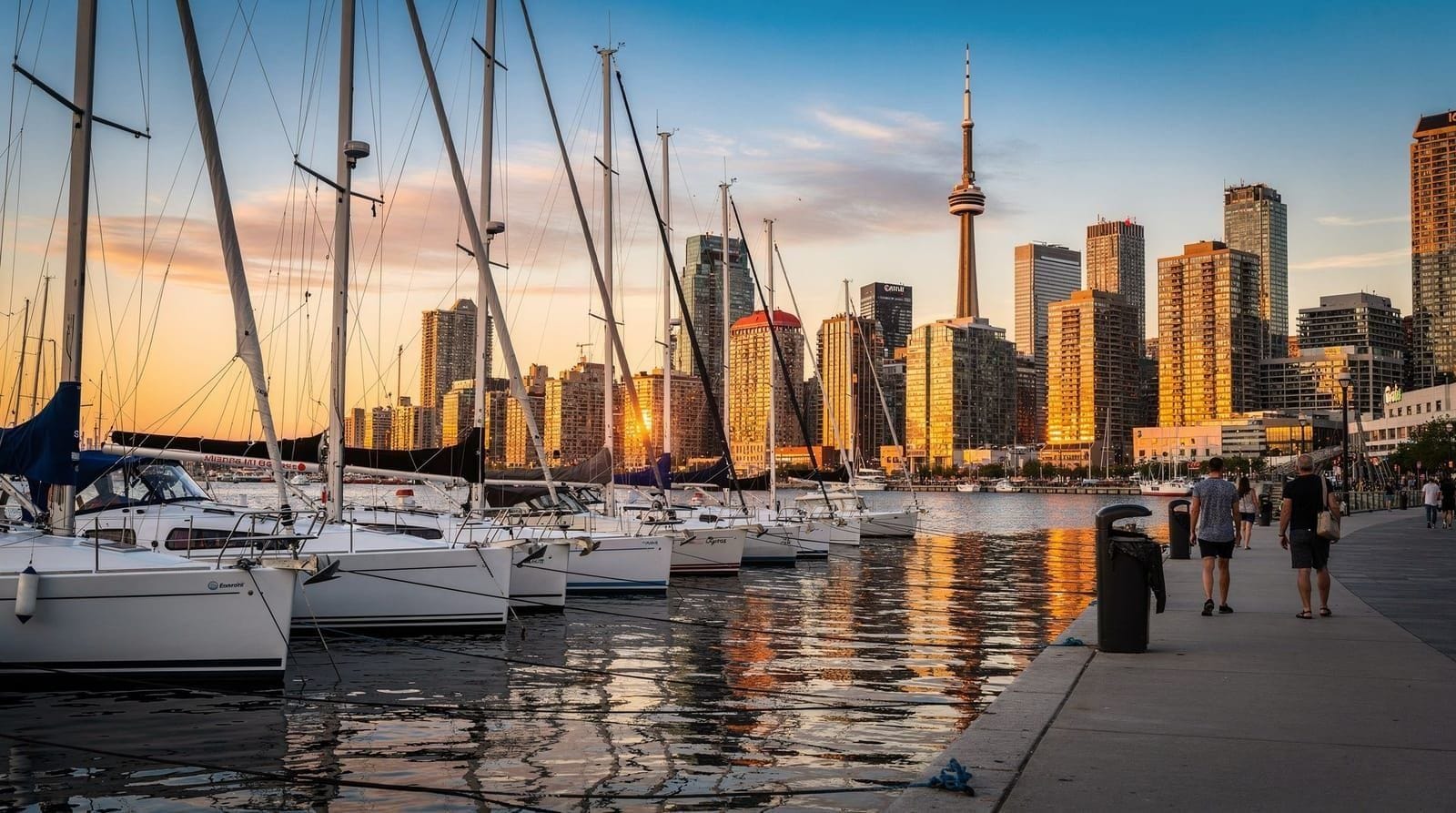
The Harbourfront Centre rink sits directly along Lake Ontario and skates on natural ice, giving it a genuinely different feel from an artificial rink — the surface responds more to outdoor temperature swings, and the open lakefront setting means more direct exposure to wind than a more sheltered downtown rink. It’s free to skate, with rentals available on-site for a modest fee, and its lakefront location makes it easy to pair with a broader visit to the surrounding Harbourfront area, including its galleries, shops, and waterfront path.
The rink’s size and generally lower crowd levels than the more centrally located Nathan Phillips Square make it a solid pick for skaters who want more open space to actually skate rather than navigate a packed surface. For more on the surrounding neighborhood and what else it offers across the year, see the Harbourfront Toronto guide.
Nathan Phillips Square
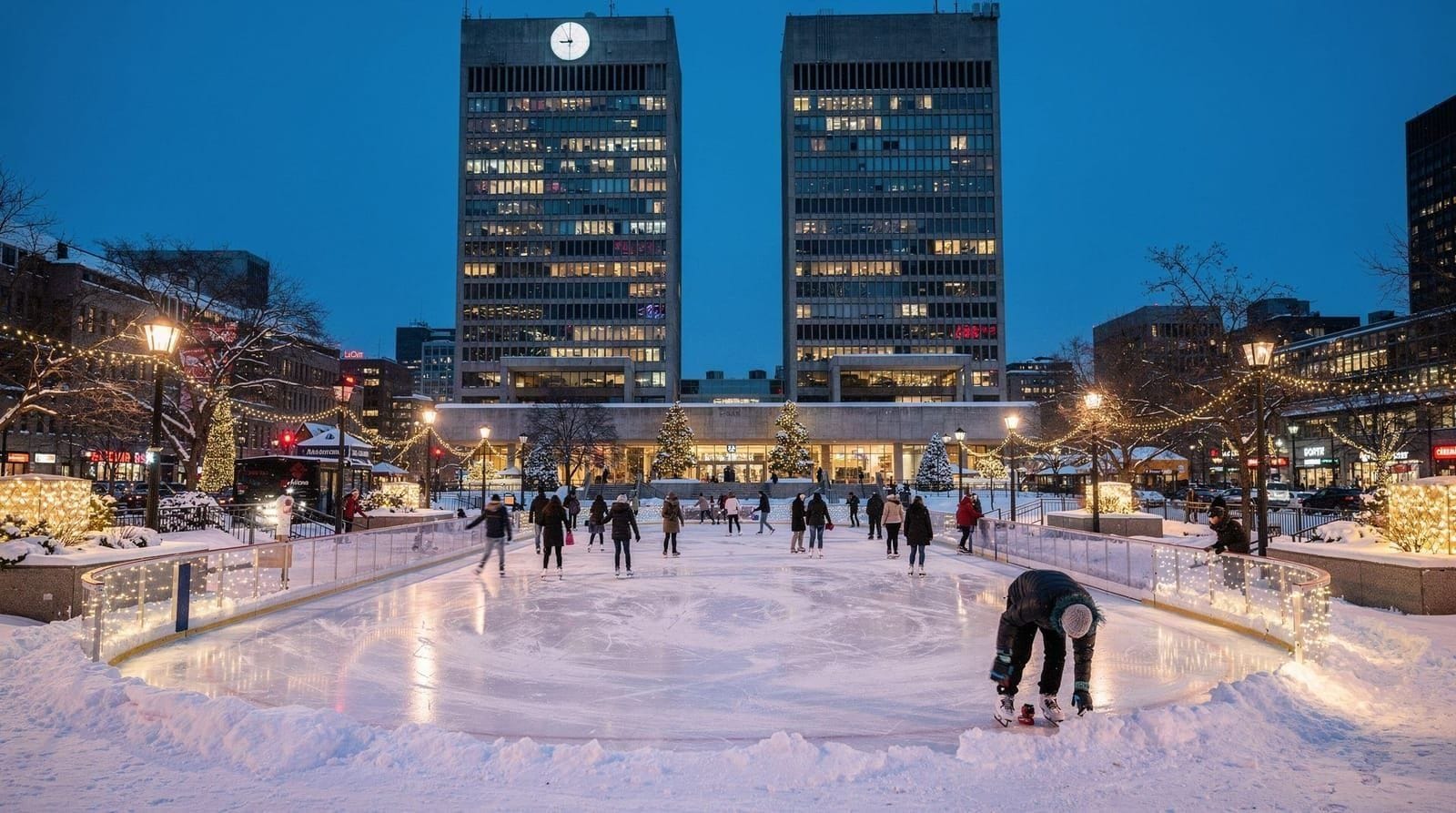
Outside City Hall in the heart of downtown, the Nathan Phillips Square rink is Toronto’s most iconic and most photographed skating spot, framed by the distinctive City Hall towers and, during the holiday season, the Cavalcade of Lights display and decorated tree. It’s also free, with on-site rentals, and its central location — a short walk from the subway and most downtown hotels — makes it the most convenient option for visitors without a car or without plans to venture toward the waterfront. The trade-off is crowding: its central location and photogenic backdrop mean it draws larger numbers of skaters, particularly on weekend afternoons and throughout the holiday season, than Harbourfront’s more spread-out lakefront setting.
Distillery District Winter Village
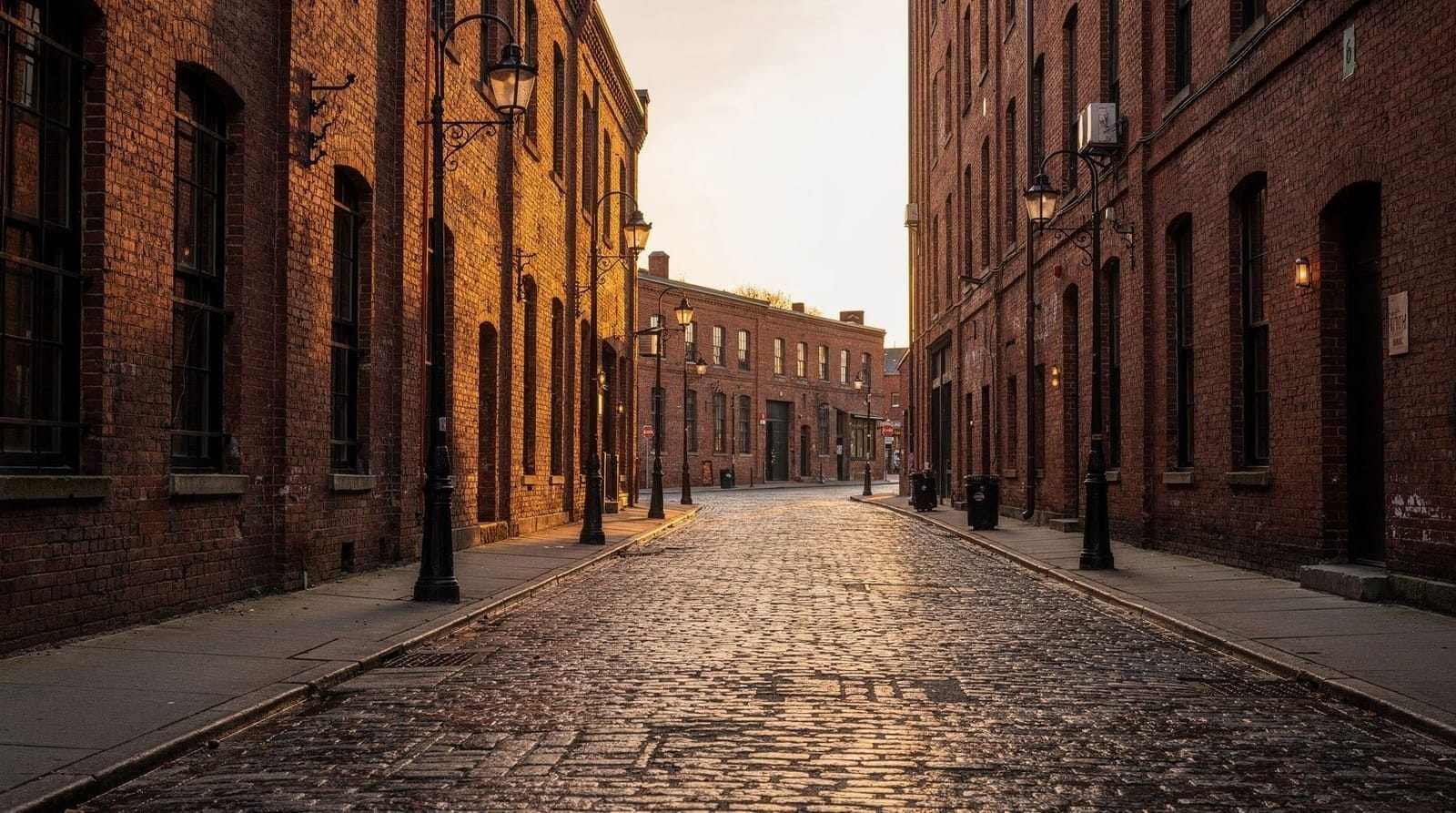
The Distillery District runs its own seasonal rink as part of its broader Winter Village programming, a smaller artificial ice surface set within the neighborhood’s cobblestone lanes and heritage brick warehouses. Unlike the two civic rinks, this one charges admission, layered into the same ticketed experience as the neighborhood’s Toronto Christmas Market during the holiday season.
The atmosphere is more curated and arguably more photogenic in a storybook sense, given the historic architecture and market stalls surrounding the ice, but it comes at a real cost premium over the free alternatives for what is, mechanically, the same activity. It’s worth the ticket for visitors who want the fuller market-and-skating combined experience in one setting rather than treating skating and holiday shopping as separate outings. See the Christmas in Toronto guide for how the rink fits into the broader Winter Village and Christmas Market experience.
Comparing the three
For a purely budget-focused skating outing, Harbourfront and Nathan Phillips Square are functionally equivalent in cost — both free, both offering rentals — and the choice between them comes down to whether a lakefront or a downtown-civic setting appeals more, and how much crowding a given visitor is willing to tolerate.
Nathan Phillips Square wins on convenience and photogenic backdrop but loses on crowd levels; Harbourfront wins on space and a quieter lakefront setting but sits slightly further from the downtown hotel core. The Distillery District rink is the clear choice only for visitors specifically drawn to its Winter Village and Christmas Market setting and willing to pay for that combined experience rather than treating skating as a standalone free activity.
What skating actually costs
Both Harbourfront Centre and Nathan Phillips Square charge nothing for rink access itself, with skate rentals available on-site typically running a modest per-session fee for visitors without their own equipment. The Distillery District’s rink, by contrast, charges admission as part of its ticketed Winter Village, making it noticeably more expensive for what amounts to the same core activity — worth factoring in if skating itself, rather than the surrounding market atmosphere, is the priority for a given visit.
What to bring versus what’s provided
Beyond skates themselves — available to rent at all three main locations if you don’t own a pair — the rinks don’t provide much else, so bringing your own hat, gloves, and a warm base layer is worth planning for rather than assuming the venue supplies anything beyond the ice and rental equipment. A small locker or bag-check option exists at some locations for storing regular shoes and a bag while skating, though it’s worth confirming availability at the specific rink rather than assuming it, particularly at the smaller community rinks that may not have the same facilities as the three main locations.
Season and timing
Toronto’s outdoor rinks typically operate from late November or early December through mid-March, with exact opening and closing dates shifting year to year based on temperature and ice conditions — a milder early winter can delay opening, while a particularly cold stretch can extend the season slightly. Weekday visits, particularly outside the after-work and weekend rush, offer noticeably more open ice at any of the three rinks than a Saturday afternoon during the December holiday stretch, when all three see their heaviest crowds of the year.
Dressing for an hour on the ice
Real winter layers matter more for skating than for most other winter activities, given the direct, sustained exposure to cold and wind rather than the intermittent outdoor stretches of a typical sightseeing day. A warm hat, gloves that still allow enough dexterity to lace skates, and a windproof outer layer make the difference between an enjoyable hour and a miserable one, particularly at the more exposed Harbourfront rink. Most rinks have some kind of warming area or nearby indoor space — Harbourfront Centre’s building itself, or the shops and restaurants surrounding Nathan Phillips Square — to retreat to between skating sessions.
What skating in Toronto doesn’t compare to
Visitors expecting a mountain-town or European Christmas-market-scale skating experience should calibrate expectations somewhat — Toronto’s rinks are genuinely enjoyable and, in the case of Harbourfront and Nathan Phillips Square, free, but they’re civic amenities rather than destination attractions in their own right. The appeal is convenience and cost rather than scale or novelty, which suits a visitor looking to add an hour of activity to an existing winter itinerary far better than someone specifically traveling to Toronto for its skating scene alone.
Pairing a skating session with the rest of a winter day
Skating works well as a mid-afternoon activity bookended by indoor time on either side — a museum visit or St. Lawrence Market browse beforehand, followed by an early dinner reservation afterward, matches the broader rhythm of a Toronto winter day discussed in the Toronto in winter guide. Given how central all three rinks are to downtown, none requires significant additional travel time to fold into an existing sightseeing itinerary.
Neighborhood and community rinks beyond the big three
Beyond Harbourfront, Nathan Phillips Square, and the Distillery District, Toronto operates a network of smaller outdoor community rinks scattered across neighborhoods throughout the city, run by the city’s parks department and generally free to use with more limited or no rental options.
These lack the polish and photogenic backdrop of the three main rinks but offer a genuinely local, uncrowded alternative for visitors staying outside the downtown core or looking to skate somewhere with essentially no lines even on a busy holiday weekend. They’re worth considering for anyone whose accommodation sits closer to a residential neighborhood than to downtown, since a five-minute walk to a quiet local rink often beats a longer trip to a crowded central one.
Indoor skating as a backup option
On days when the cold or wind makes outdoor skating uncomfortable, particularly with young children, Toronto has a number of indoor arenas that offer public skating sessions on a scheduled basis, run by the city’s recreation programs. These lack the atmosphere of the outdoor rinks but provide a genuine backup for extreme cold days or for visitors who simply prefer a controlled indoor temperature over the elements. They typically charge a modest admission fee and rentals are usually available, similar to the outdoor options.
Lessons and skate aids for beginners
Both Harbourfront Centre and the city’s recreation programs periodically offer group lesson sessions for beginners, though drop-in skating rather than structured lessons is the norm at all three main rinks for casual visitors. For young children just learning, skate aids — stabilizing frames that function like a walker on ice — are available for rent or purchase at some rink locations and make a genuine difference for a first-time skater’s confidence and safety, worth asking about at the rental counter specifically if traveling with a child skating for the first time.
Basic safety notes for outdoor skating
All three main rinks are professionally maintained and monitored, so ice thickness and surface quality aren’t a concern the way they would be on a natural pond or lake — this isn’t backcountry skating, and the rinks are resurfaced regularly through the operating day. The bigger practical safety consideration is simply crowd density on a busy day, when a packed rink surface increases the chance of a collision, particularly for less confident skaters. Sticking closer to the rink’s perimeter railing during busy periods, and being mindful of faster skaters passing on the inside, reduces the risk of an awkward fall on a crowded evening session.
Frequently asked questions about ice skating in Toronto
Is the Harbourfront rink actually made of real ice from the lake?
It’s a natural ice surface maintained on-site rather than lake ice itself, which means it responds to outdoor temperature the way a frozen pond would, unlike an artificial refrigerated rink. This gives it a slightly different feel and occasionally affects surface quality during unusually mild stretches within the season.
Can adults without much skating experience use these rinks comfortably?
Yes, particularly at Nathan Phillips Square, which has railings around much of its perimeter for beginners to hold onto. All three rinks accommodate a mix of skill levels, from casual first-timers to more confident skaters, without any formal skill requirement to skate.
Is it worth paying for the Distillery District rink if the free options exist?
It depends on whether the Winter Village and Christmas Market setting itself is part of the appeal. For skating alone, the free rinks offer the same core activity at no cost; the Distillery District’s premium buys the specific historic-lanes-and-market atmosphere layered around the ice.
How long do people typically skate for at these rinks?
Most visitors skate for 45 minutes to an hour at a time, which balances the activity itself against the sustained cold exposure. Longer sessions are possible but generally benefit from a warm-up break partway through.
Are the rinks open during the day or only in the evening?
All three typically operate from daytime through evening hours across the winter season, with evening sessions — particularly at Nathan Phillips Square with its lit backdrop — generally drawing the largest crowds during the December holiday stretch specifically.
What to pair a skating session with
Skating is a short, self-contained activity, which makes it an easy add-on rather than a full day out. Nathan Phillips Square pairs naturally with a City Hall photo stop and the nearby Toronto museums, while Harbourfront pairs with the Toronto Islands ferry if the weather is clear enough for both. If skating is specifically the highlight of a winter trip, our Toronto in winter guide sequences it alongside the Christmas Market and other cold-season activities.