Toronto summer festivals guide
What are Toronto's main summer festivals?
The core lineup runs from June through early September: Pride Toronto (June 25–28), the Toronto Jazz Festival in June, Caribana's parade weekend in late July or early August, and the Canadian National Exhibition (August 21–September 7), which closes out the season. 2026 adds FIFA World Cup matches at BMO Field during the June-July window, a one-time addition to the usual calendar.
The calendar that turns Toronto’s summer into its busiest, most expensive stretch
Toronto’s summer festival calendar runs almost continuously from mid-June through early September, and it’s the primary reason summer is both the most exciting and the most expensive season to visit the city. Rather than a handful of scattered events, the season builds a near-continuous run: the Toronto Jazz Festival in June, Pride Toronto’s parade weekend at the end of the same month, Caribana’s Caribbean carnival parade in late July or early August, and the Canadian National Exhibition closing things out from late August into early September.
Layered on top of the usual 2026 calendar is Toronto’s hosting of FIFA World Cup matches at BMO Field during the June-July window — a one-time addition that will push demand and pricing in that specific stretch beyond even a typical summer peak.
| June | Toronto Jazz Festival, FIFA World Cup window begins |
| Late June | Pride Toronto (June 25–28) |
| Late July-early Aug | Caribana parade weekend |
| Late Aug-early Sept | Canadian National Exhibition (Aug 21–Sept 7) |
| Booking | 2-3 months ahead for anything near a festival zone |
Pride Toronto (June 25–28)
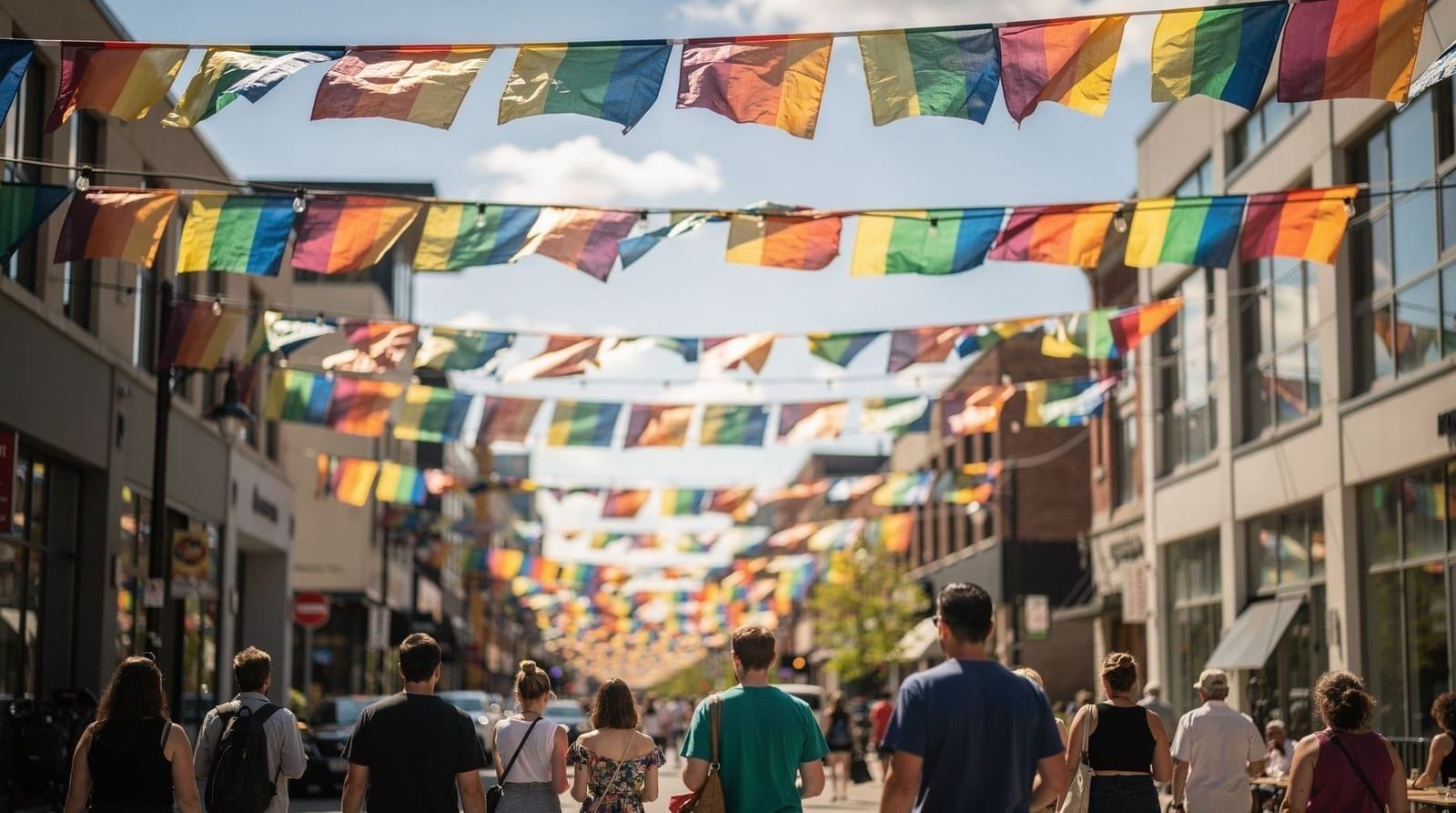
Pride Toronto anchors the last weekend of June with a parade down Yonge Street, a multi-day street festival in the Church-Wellesley Village, and programming that extends across the city for the surrounding week. The parade and most street festival elements are free and open to the public, though the area gets genuinely packed — arriving early for a good viewing spot along the parade route is worth doing if that’s a priority.
Hotel rates in the downtown core and Church-Wellesley area specifically spike for this weekend, and booking two to three months ahead is advisable for anything close to the festival zone. For a full breakdown of the parade route, the surrounding week’s events, and where to stay, see the Pride Toronto guide.
Toronto Jazz Festival (June)
Running earlier in June, before the Pride crowds arrive, the Toronto Jazz Festival programs both free outdoor stages — typically around Yorkville and Nathan Phillips Square — and ticketed indoor club shows across the city. It’s a lower-key, less crowded festival than Pride or the CNE, making it a reasonable pick for visitors who want a taste of the summer festival atmosphere without the scale of the city’s largest events.
FIFA World Cup matches (June–July 2026)
Toronto is hosting matches at BMO Field during the June-July 2026 window, a genuinely unusual addition to the city’s normal summer calendar and one that will reshape pricing and crowd levels for the entire stretch, not just around the stadium itself. Match tickets require advance purchase and will sell out well ahead of the tournament for the more popular fixtures. Visitors not specifically attending matches should expect elevated hotel rates and larger-than-usual crowds throughout downtown and around Exhibition Place during this window, and may want to consider shifting a non-World-Cup summer visit slightly earlier or later in the season to avoid the pricing spike entirely.
Caribana (late July–early August)
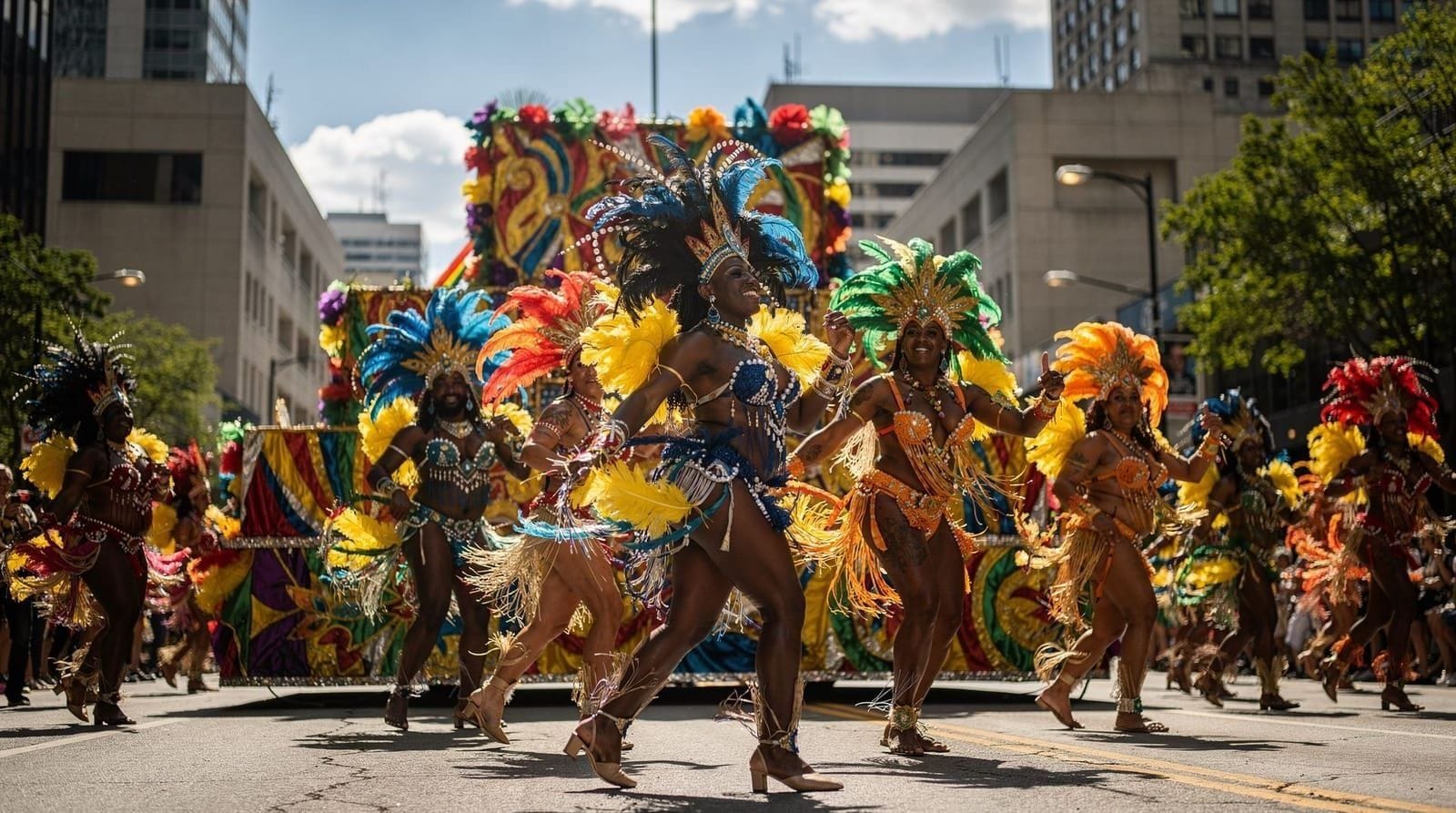
Caribana, Toronto’s Caribbean carnival festival, centres on a grand parade along Lake Shore Boulevard featuring elaborate costumes, steel pan and soca music, and a route that draws large crowds along its full length. The festival extends across a full week or more of related events beyond the parade day itself, including boat cruises, live music, and food vendors concentrated in the surrounding neighborhoods. Parade-day viewing is free along the public route, though the best spots fill early and the area around the route gets tightly packed by mid-morning. The full rundown of parade timing, route, and the surrounding week’s events is in the Caribana Toronto guide.
Canadian National Exhibition (August 21–September 7)
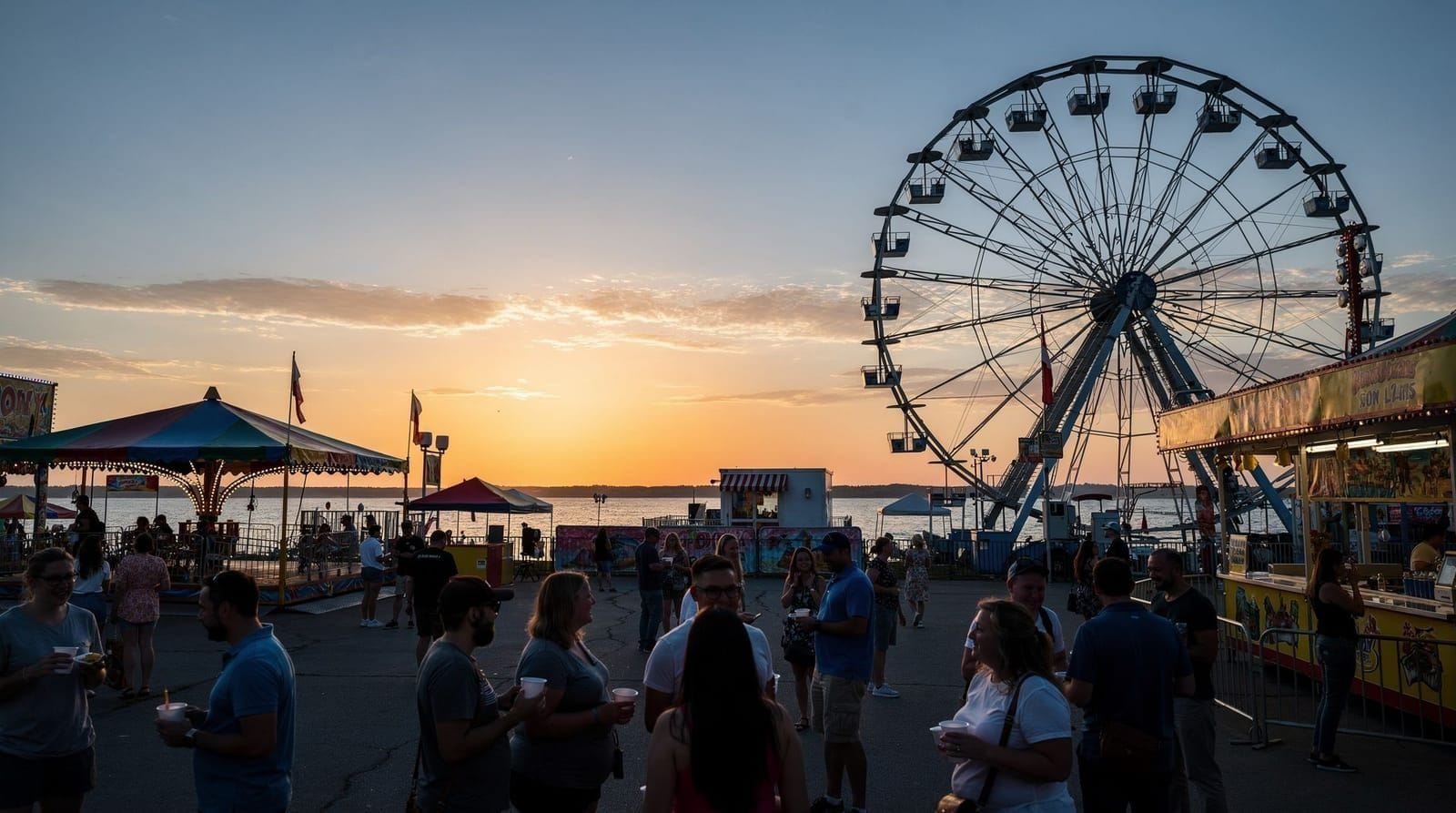
The CNE, often just called “the Ex,” closes out the summer at Exhibition Place with a mix of midway rides, an air show over the waterfront, food vendors known for elaborate and often over-the-top offerings, and daytime programming that skews more family-friendly than the city’s other major summer events.
General admission is charged at the gate, with ride passes and food priced separately on top, and it’s worth budgeting for — a family day at the CNE with rides and food can run considerably more than the base admission alone once everything is added up. The full breakdown of admission pricing, what’s actually worth doing, and what’s an overpriced tourist-trap version of a midway attraction is in the Canadian National Exhibition guide.
How the festival calendar affects pricing and crowds
Each of these events pushes hotel rates and crowd levels up in its immediate window, but the effect compounds across the full summer given how densely packed the calendar is between mid-June and early September. A visitor who lands in Toronto during any of these specific weekends should expect to pay noticeably more for accommodation than a visit scheduled for a gap week between festivals, and should book well ahead regardless of which event is drawing them. The 2026 World Cup window is the clearest outlier — expect pricing closer to the city’s absolute annual peak rather than a typical summer weekend, driven by both ticket-holders and the general spike in demand that major tournaments bring to a host city.
Planning a trip around — or away from — the festival calendar
Travelers specifically drawn to one of these events should build a trip around its dates and book accommodation as early as possible, ideally two to three months out for anything close to the festival zone. Travelers who’d rather avoid the crowds and pricing entirely have real options: the gaps between festivals, particularly early-to-mid June before Pride and the Jazz Festival ramp up, or shifting a visit to early September just after the CNE wraps but before fall’s cooler weather sets in, both offer a version of Toronto summer with meaningfully thinner crowds.
For a broader look at how summer compares to the rest of the year on price and weather, see the best time to visit Toronto guide, and for a quieter, cheaper alternative season, the Toronto in fall guide covers what opens up once the festival calendar winds down.
Getting around during festival weekends
Major festival weekends bring temporary road closures, particularly around Yonge Street for Pride and Lake Shore Boulevard for Caribana, and the TTC subway and streetcar network becomes the more reliable way to move through the city during these events rather than driving. The Canadian National Exhibition, held at Exhibition Place along the western waterfront, is well served by streetcar routes directly to the grounds, avoiding the parking challenges that come with driving to a venue expecting hundreds of thousands of visitors over its run.
What summer festivals mean for a first-time visitor’s itinerary
For a first Toronto visit, timing a trip to overlap with one major festival — rather than trying to catch several — tends to produce the better experience, since each event benefits from a full day or more of unhurried attention rather than being squeezed between other sightseeing. Pride and the CNE both work well as the centrepiece of a broader Toronto Islands, downtown walking, and neighborhood-exploring itinerary, since neither demands the entire trip be built around it the way a specific ticketed World Cup match does.
Smaller festivals worth knowing about
Beyond the four or five marquee events, Toronto’s summer calendar has a layer of smaller, less crowded festivals that don’t require the same level of advance planning. Taste of the Danforth, a multi-day street festival in Greektown, closes off a stretch of the Danforth for food vendors and live entertainment, typically drawing a strong local crowd without approaching Pride or CNE-scale numbers.
Toronto’s various neighborhood street festivals — smaller cultural and food-focused events scattered across summer weekends in areas like Little Italy and Little Portugal — offer a lower-key, more local version of the same festival-city atmosphere without the crowding or pricing spikes of the major events. These smaller festivals are generally free to attend and work well for visitors who want a taste of Toronto’s summer energy without building an entire trip around a single large event.
Food at the festivals
Festival food deserves its own honest note, since it varies enormously in both price and quality across the summer calendar. The CNE in particular is known for elaborate, often over-the-top food offerings — and equally known for marking them up well above what the same items would cost outside the fairgrounds, a genuine tourist-trap dynamic worth budgeting for rather than being surprised by.
Caribana and neighborhood street festivals tend to offer more reasonably priced food from local vendors and restaurants, often a better value and a more authentic taste of the specific cultural community the festival celebrates. Bringing some cash and setting a rough food budget before arriving at any of the larger ticketed events helps avoid the compounding effect of a handful of individually modest purchases adding up to a surprising total.
Accommodation strategy for festival season
Given how tightly booked and expensive downtown hotels get during major festival weekends, staying slightly outside the immediate festival zone — in a neighborhood connected by a short subway or streetcar ride rather than directly in Church-Wellesley Village or right by Exhibition Place — often produces meaningfully better rates without much added inconvenience given how well-connected the transit network is. This matters most during the 2026 World Cup window and Pride weekend specifically, when downtown-core rates spike hardest; it matters less during quieter stretches like the Toronto Jazz Festival, when even central accommodation remains reasonably priced.
Getting to and from festival venues by transit
Toronto’s TTC subway and streetcar network is the most reliable way to reach every major summer festival venue, and it’s worth using deliberately rather than defaulting to a rideshare given how much surface traffic these events generate. Exhibition Place, home to the CNE, is served directly by streetcar routes running along Lake Shore Boulevard, avoiding the parking crunch a car-based visit would face on a day drawing hundreds of thousands of people.
The Church-Wellesley Village for Pride and the Lake Shore Boulevard route for Caribana are both a short walk from multiple subway stations, and building in extra transit time on the actual event days — since even the TTC runs busier and sometimes slower service during these peaks — is a reasonable expectation rather than a worst-case scenario.
First-timer’s cheat sheet: matching a festival to your travel style
If you want maximum energy and don’t mind crowds, book around Pride or Caribana’s parade weekend — both deliver an unmistakable, only-in-Toronto atmosphere in a single concentrated day. If you’re travelling with young kids, the CNE’s daytime midway and air show programming fits a family schedule better than either parade-day event. If your priority is food, music, and film rather than parades, the quieter Toronto Jazz Festival in June or TIFF in early September deliver a lower-crowd version of the city’s cultural calendar. And if avoiding festival pricing altogether is the priority, the first two weeks of June or the first two weeks of September are the calendar’s quietest, cheapest windows in the warm-weather half of the year.
Looking ahead to fall: TIFF
The festival calendar doesn’t fully stop when summer ends — the Toronto International Film Festival (TIFF) runs in early September, overlapping slightly with the CNE’s final days. It draws a very different crowd than the summer’s street-festival lineup: film industry professionals, premieres, and red-carpet events concentrated around the King Street entertainment district rather than a single outdoor parade route. Visitors whose trip stretches into early September should check the TIFF Toronto guide for how it affects downtown hotel rates and King Street crowding in that specific window.
Getting rideshare and taxis during peak festival crowds
Surge pricing on rideshare apps spikes hard immediately after a festival’s biggest moments end — the Pride parade’s conclusion, Caribana’s parade finish, or a CNE closing-night crowd all trigger a temporary demand spike that can make a short downtown trip briefly cost several times its normal rate. Waiting 20-30 minutes after a major event lets out, or walking a few blocks away from the immediate festival zone before requesting a ride, often avoids the worst of it — see the Toronto taxi vs Uber honest guide for the fuller comparison of when each option makes sense.
Frequently asked questions about Toronto’s summer festivals
Which festival is the most beginner-friendly for a first visit?
The Canadian National Exhibition works well for a first visit since it’s a self-contained, ticketed event with clear opening hours and doesn’t require navigating a parade route or booking ahead the way Pride weekend or a World Cup match does. Its daytime, family-oriented programming also makes it easier to fit around a broader sightseeing itinerary.
Are any of Toronto’s summer festivals free to attend?
Pride’s parade and street festival, most of the Toronto Jazz Festival’s outdoor stages, and Caribana’s parade-day route viewing are all free. The CNE charges gate admission, and FIFA World Cup matches require a purchased ticket.
How much should I budget extra for a trip during festival season?
Expect accommodation costs alone to run 20 to 40 percent above a non-festival summer visit during Pride, Caribana, or CNE weekends, and considerably more during the 2026 World Cup window specifically. Food, ride passes, and any ticketed events are additional costs on top of the higher baseline.
Can I see more than one festival in a single trip?
Given how tightly the summer calendar is packed, a visit spanning several weeks could realistically catch parts of two or three events, but a shorter trip is better served by picking one and building the itinerary around it. Trying to force multiple major festivals into a short visit usually means experiencing each one only partially.
Does the festival calendar affect Niagara or Muskoka day trips?
Not directly, though the elevated citywide demand during major festival weekends can make it harder to find last-minute transport or tour availability for regional day trips booked at the same time. Booking Niagara or Muskoka day-trip tours ahead of a festival weekend visit is a reasonable precaution.
Does TIFF overlap with any of the summer festivals?
Slightly — the Toronto International Film Festival runs in early September, overlapping briefly with the CNE’s final days. It draws a different crowd than the street-festival lineup and concentrates around the King Street entertainment district rather than an outdoor parade route.