Toronto Jazz Festival guide
When is the Toronto Jazz Festival?
The TD Toronto Jazz Festival runs annually in late June, mixing free outdoor stages around Yorkville and other downtown locations with ticketed indoor performances at clubs and theatres across the city. It's one of Canada's largest jazz festivals, drawing international headliners alongside a strong roster of Canadian jazz musicians.
A major stop on the international jazz festival circuit
The TD Toronto Jazz Festival has run annually since the late 1980s and has grown into one of the largest jazz festivals in Canada, drawing a mix of major international headliners and a deep roster of Canadian jazz talent each late June. What sets it apart from a typical single-venue concert series is its structure — rather than concentrating everything in one festival ground, programming spreads across multiple downtown locations, combining free outdoor stages with ticketed performances at established clubs, theatres, and concert halls throughout the city.
That structure means a jazz festival visit looks different depending on your budget and how deep into the genre you want to go. A visitor with no ticket budget at all can still catch a meaningful slice of the festival simply by showing up to the free outdoor stages; a serious jazz fan willing to buy tickets to headline club shows gets access to performances that would otherwise require traveling to a much smaller number of major jazz cities to see.
| When | Roughly a week in late June |
| Where | Yorkville and other downtown spots; clubs/theatres city-wide |
| Cost | Free outdoor stages; ticketed club/theatre shows vary widely |
| Getting there | Line 1/2 subway, Bay and Bloor-Yonge stations |
| Booking | Book marquee ticketed shows well ahead; free stages need no ticket |
Free outdoor programming
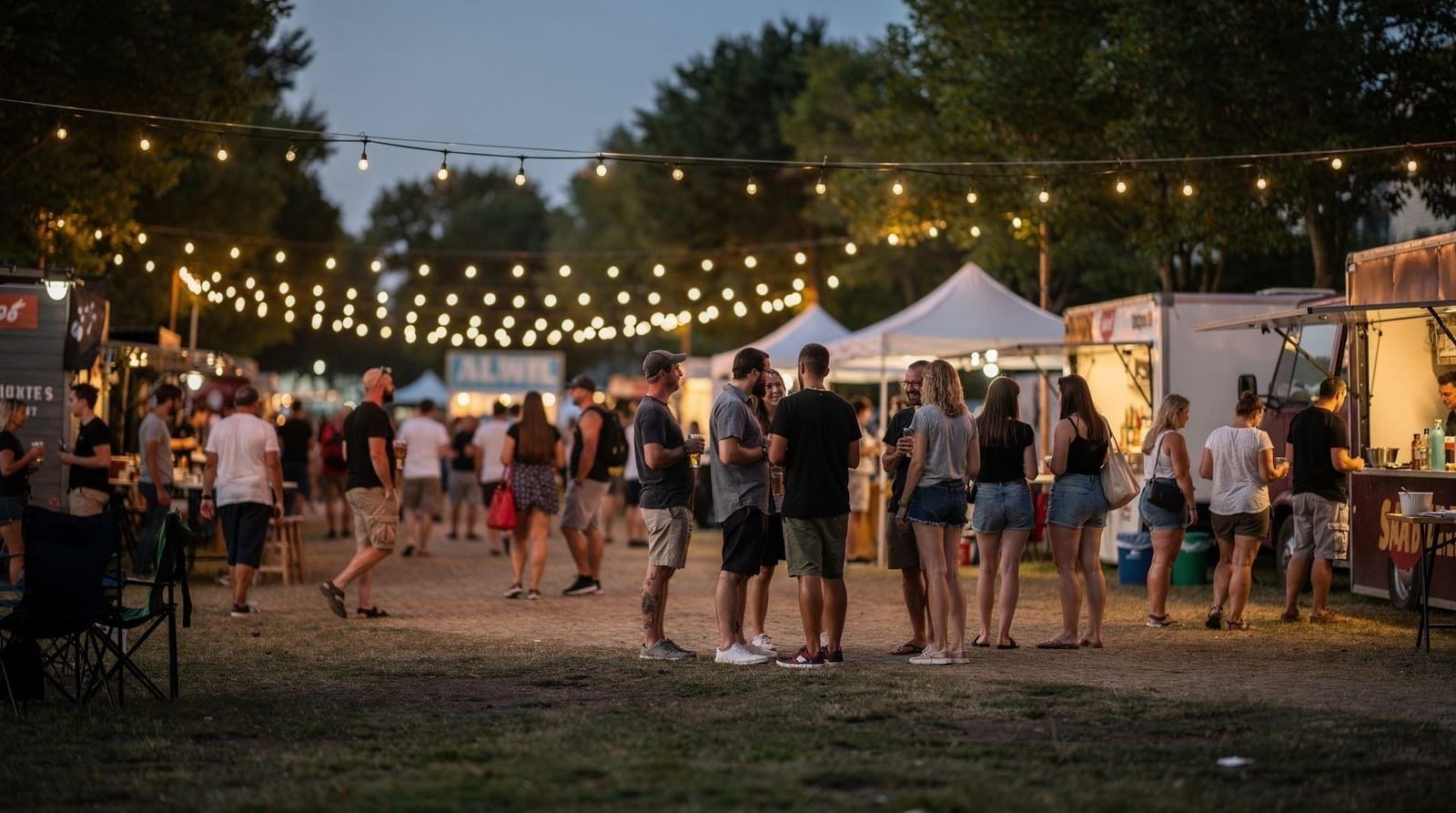
Free outdoor stages, historically concentrated around Yorkville and other central downtown locations, form the festival’s most accessible layer — daytime and early-evening sets that don’t require a ticket or advance planning beyond simply showing up. These stages tend to book a mix of emerging Canadian jazz acts and more crossover-friendly programming, making them a reasonable entry point even for visitors without deep jazz knowledge. Popular sets do draw crowds, so arriving with some buffer time before a specific act you want to see is worth doing, particularly on weekend afternoons and evenings.
Ticketed club and theatre shows
The festival’s higher-profile international headliners typically perform at ticketed indoor venues — established jazz clubs, concert halls, and theatres across the city rather than a single dedicated festival venue. These shows carry real ticket prices, sometimes significant for major international names, and the smaller, more intimate club venues in particular can sell out well before the festival’s actual dates, especially for well-known headliners. Checking the festival’s official lineup and on-sale dates ahead of a visit matters if there’s a specific artist you’re hoping to see rather than just soaking in the general atmosphere.
Booking for the festival’s marquee ticketed shows typically begins many months ahead of the festival dates, with programming announced in stages rather than all at once, so checking the festival’s official channels periodically in the lead-up to your visit, rather than only right before you travel, gives the best shot at catching an in-demand headliner before their show sells out. International artists on major touring cycles frequently route a Toronto date around the festival specifically, using it as an anchor stop on a broader North American tour, which is part of why the festival’s lineup often includes names that aren’t necessarily touring Canada extensively otherwise.
Some of the venues tied to Toronto’s jazz history are still active today, most notably the Rex Hotel Jazz & Blues Bar on Queen Street West, which has run live jazz nightly for decades and remains one of the most reliable places in the city to hear the genre outside the festival window entirely.
During festival week, several of these year-round venues fold into the official jazz festival programming, hosting ticketed sets alongside their regular calendar, which means a visitor who discovers a club during the festival can often return to the same room later in the year and catch comparable programming without needing to time a trip around the festival dates specifically. That continuity, a genre with living, working rooms rather than just a once-a-year festival footprint, is part of what distinguishes Toronto’s jazz scene from cities where the local scene effectively goes quiet outside a single annual event.
How it differs from the Beaches jazz festival
Toronto actually runs two separate jazz festivals each summer, and visitors sometimes confuse the two. The TD Toronto Jazz Festival, covered here, is the larger, downtown-centered event in late June with major international bookings. The Beaches International Jazz Festival, held in July in the separate Beaches neighborhood on the city’s east side, is a smaller, more neighborhood-scale event — genuinely different in feel, closer to a summer block party than a formal festival circuit stop. Our guide to The Beaches covers that separate event and neighborhood in more detail; many serious jazz fans visiting Toronto in summer try to catch both if their trip dates allow it.
What else is happening around the same time
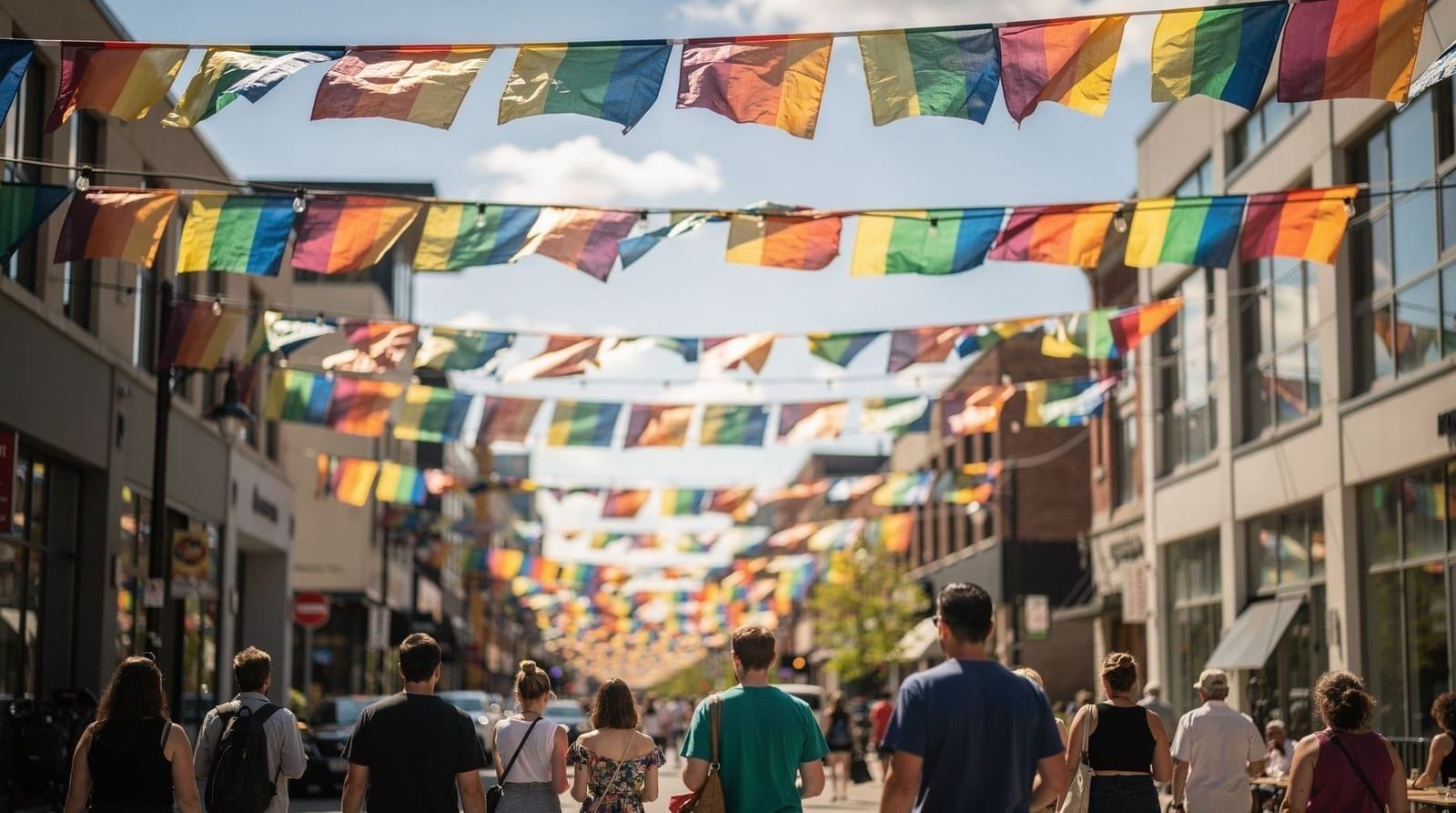
Late June is one of the busiest stretches on Toronto’s annual events calendar — the jazz festival’s run typically overlaps with the tail end of Pride Toronto’s programming, and it sits at the front edge of the city’s broader summer festival season, which continues through Caribana in July and the Canadian National Exhibition in late August. Our Toronto summer festivals guide rounds up the full sequence if your visit spans multiple events, and it’s worth knowing that hotel demand and downtown energy both run higher than usual across this entire stretch of the calendar.
Where the festival’s Yorkville stages fit into a visit
Because a significant share of the festival’s free outdoor programming has historically centered on Yorkville, pairing a jazz festival afternoon with the neighborhood’s other draws — the Royal Ontario Museum, the Art Gallery of Ontario, and Yorkville’s boutique shopping strip — makes for an efficient combined day. Our guide to Yorkville covers the neighborhood’s layout and other attractions in full, useful context if the festival is only one part of your day there.
Getting there and around
Yorkville and most of the festival’s other downtown venues are well served by the subway’s Line 1 and Line 2, with the Bay and Bloor-Yonge stations putting you within walking distance of the Yorkville-area stages specifically. Given the concentration of evening programming, expect busier-than-usual transit and street traffic downtown throughout the festival’s run, particularly on weekend evenings when both free and ticketed shows overlap.
When to go and what to expect
The festival’s roughly week-long run in late June coincides with some of Toronto’s most reliably pleasant weather — warm, rarely oppressively humid the way July and August can be, and generally comfortable for an evening of outdoor listening. Weekday programming tends to be less crowded than weekend dates, useful to know if you’re mainly there for the free outdoor stages and want more breathing room. If a specific ticketed headliner is your priority, though, the actual performance date matters more than which day of the week it falls on, since popular shows can sell out regardless.
The clubs that built Toronto’s jazz scene before the festival existed
The TD Toronto Jazz Festival, which launched in the late 1980s under an earlier corporate title before eventually taking on its current sponsor name, didn’t create Toronto’s jazz culture from nothing — it gave an existing, decades-old scene a concentrated annual showcase. Toronto had a real jazz club circuit going back to the mid-20th century, when Yonge Street’s stretch of nightclubs and taverns regularly hosted touring American jazz musicians crossing the border as part of wider North American tours.
The Colonial Tavern, a Yonge Street club active for several decades in the mid-1900s, became one of the city’s most storied jazz venues, hosting major touring names from the American jazz circuit at a time when Toronto was a regular, if secondary, stop on that broader touring map. Other rooms, including the Town Tavern and later George’s Spaghetti House, a restaurant-club hybrid that built a long-running reputation for booking serious jazz acts alongside its dinner service, kept the scene going through changing musical fashions over subsequent decades.
Toronto’s jazz scene also grew a genuine homegrown talent pipeline over time, rather than remaining purely a stop on the American touring circuit. Postsecondary jazz programs, notably at Humber College, developed a strong reputation for jazz performance training starting in the later 20th century, producing graduates who went on to build careers both in Canada and internationally; the University of Toronto’s music faculty developed its own jazz studies programming as well.
That educational infrastructure meant that by the time the festival launched, Toronto already had a deep bench of skilled local jazz musicians, not just a market for touring headliners passing through, a distinction that shows up in the festival’s programming today, which mixes major international names with a substantial roster of Canadian, and often specifically Toronto-based, performers.
The festival’s own sponsorship history reflects broader shifts in how Canadian arts festivals have been funded over the decades. Corporate title sponsorship supporting large-scale cultural festivals became increasingly common through the late 20th century as public arts funding tightened, and Toronto’s jazz festival, like many similar events across Canada, has carried different sponsor names at different points in its run as those corporate partnerships changed.
What’s stayed consistent underneath the changing branding is the basic structure established early on: free outdoor stages paired with ticketed club and theatre shows, a hybrid model that balances accessibility with the kind of revenue a festival of this scale needs to book major international headliners each year.
Practical notes
- Cost: Free outdoor stage programming costs nothing; ticketed club and theatre shows vary widely by artist and venue, with major headliners commanding premium pricing.
- Booking window: Book ahead for high-demand ticketed shows, particularly smaller club venues with limited capacity.
- Weather: Late June in Toronto is typically warm and comfortable; outdoor stage areas offer limited shade, so sun protection matters for daytime sets.
- Crowds: Weekend evenings at popular free stages draw the biggest crowds; weekday and early-afternoon sets are considerably calmer.
The Toronto Jazz Festival rewards a mixed approach — build your schedule around one or two ticketed shows you genuinely want to see, then fill the rest of your visit with the free outdoor programming and whatever else Yorkville or downtown has going on that day.
Frequently asked questions about the Toronto Jazz Festival
Is the Toronto Jazz Festival free?
Many of the festival’s outdoor stage performances are free to attend, particularly earlier and mid-afternoon sets. Headline evening performances at ticketed indoor venues carry separate admission costs, often significant for the festival’s biggest international names.
Where does the Toronto Jazz Festival take place?
Programming is spread across multiple downtown locations rather than a single festival ground, with outdoor stages historically set up around Yorkville and other central spots, alongside performances at established jazz clubs and concert venues throughout the city. That spread-out structure is part of what distinguishes it from a single-site festival ground like Exhibition Place.
How is the Toronto Jazz Festival different from the Beaches International Jazz Festival?
The TD Toronto Jazz Festival is the larger, downtown-centered event with major international headliners and a mix of free and ticketed programming. The Beaches International Jazz Festival, held in July in the separate Beaches neighborhood, is smaller and more neighborhood-block-party in feel, with its own free outdoor stages along Queen Street East.
Do I need to book tickets in advance for jazz festival shows?
For the festival’s marquee ticketed performances, yes — popular shows at smaller club venues can sell out, particularly for well-known headliners. Free outdoor stage sets generally don’t require booking, though arriving early for a good spot is worth it for popular acts.
Is the Toronto Jazz Festival good for casual fans, or is it mainly for jazz enthusiasts?
It’s accessible to casual fans — the free outdoor programming in particular is built around a general audience, not just serious jazz listeners, with a broad range of styles represented from traditional jazz to more crossover-friendly acts. Serious jazz enthusiasts get more out of the ticketed club shows, where the programming skews toward more specialized, harder-to-find performers.
What else is happening in Toronto during the jazz festival?
Late June overlaps with the tail end of Pride Toronto’s programming and the general start of Toronto’s summer festival season, meaning downtown carries a particularly high concentration of events and energy during this stretch of the calendar. Hotel demand tends to run higher than usual as a result, so booking accommodation a little earlier than you otherwise might is worth considering.
Can I combine the jazz festival with sightseeing in Yorkville?
Yes, easily — since much of the free outdoor programming has historically centered on Yorkville, pairing a festival afternoon with the neighborhood’s museums and boutique shopping covered in the guide to Yorkville makes for an efficient combined day.