Honest review: Toronto hop-on hop-off bus
Toronto: City Sightseeing Hop-On Hop-Off Bus Tour
Is the Toronto hop-on hop-off bus worth it?
It's a reasonable option for visitors with limited time who want an easy overview of downtown's major landmarks with narration, but it's genuinely vulnerable to Toronto's downtown traffic, which can turn the advertised route time into something considerably longer during rush hour or major events. For most visitors staying more than a day or two, a TTC day pass plus walking covers the same ground for less money with more flexibility.
What the hop-on hop-off bus actually gets you
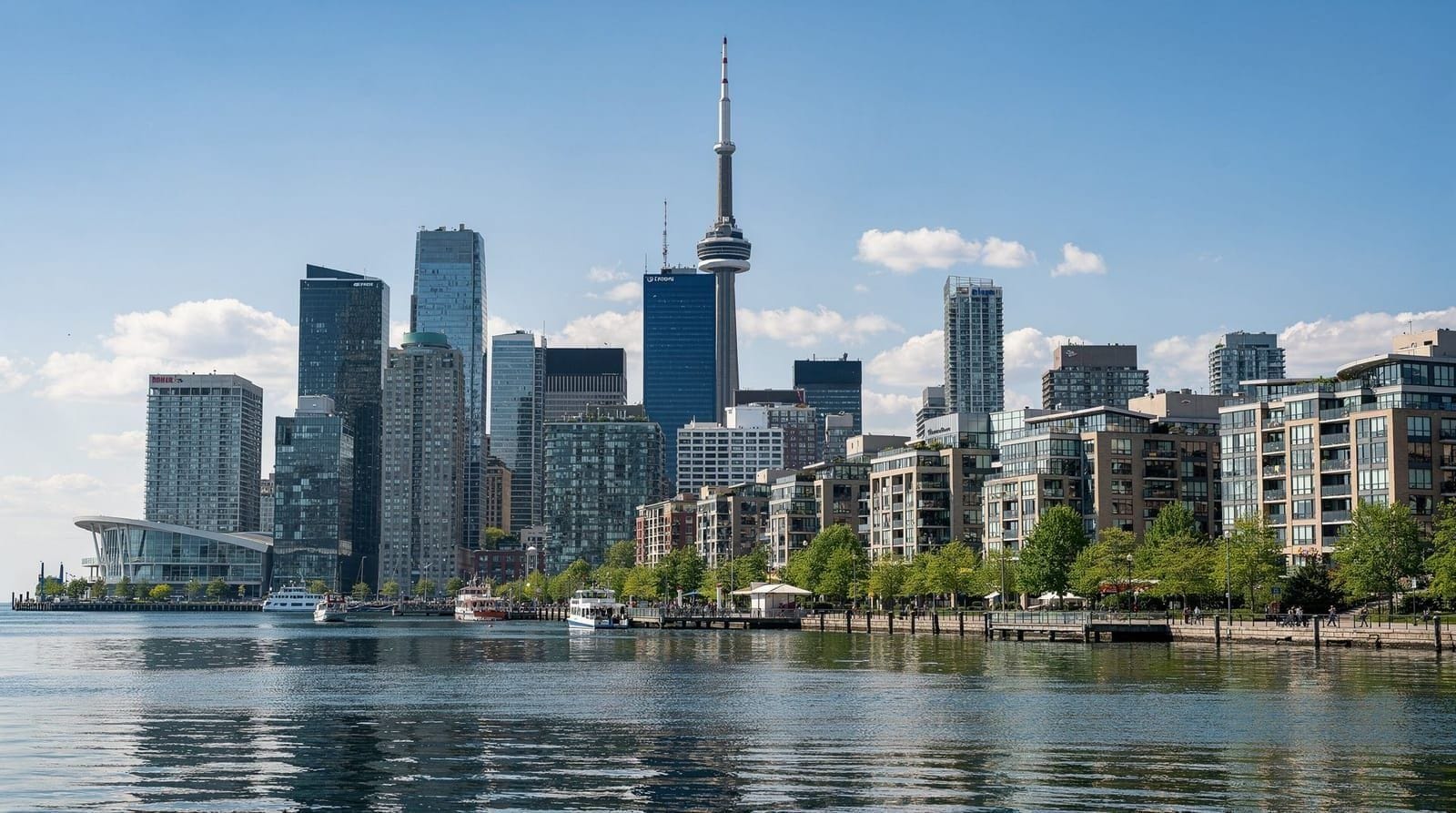
Toronto: city sightseeing hop-on hop-off bus tour runs an open-top double-decker bus on a fixed loop through downtown’s major landmarks — typically covering stops near the CN Tower, the Distillery District, Kensington Market, Casa Loma, and the waterfront — with recorded or live narration and unlimited reboarding for the duration of your ticket (usually 24 or 48 hours). It’s a legitimate, widely used product in most major cities, and Toronto’s version delivers what it advertises. The question isn’t whether it works, but whether it’s the best way to spend your sightseeing budget and time.
| Cost | Around CAD $50-60 for 24 hours, more for 48 hours |
| Route | Fixed downtown loop, roughly 2 hours end to end |
| Best for | First-timers with 1-2 days and no interest in transit navigation |
| Skip if | Staying 3+ days and comfortable with the TTC |
| Season | Strongest May-September; open-top exposure hurts in winter |
The real advantage: zero navigation effort
For a first-time visitor with limited time, the bus removes every logistics question — which subway line, which stop, how far the walk is — and replaces it with “get on, get off where you want, get back on.” That’s genuinely valuable for visitors overwhelmed by an unfamiliar transit system, traveling with people who tire easily on foot, or simply prioritizing efficiency over cost. The narration, while formulaic in the way all recorded tour narration tends to be, does add historical and contextual detail most visitors wouldn’t otherwise get.
The real drawback: Toronto traffic doesn’t care about your itinerary
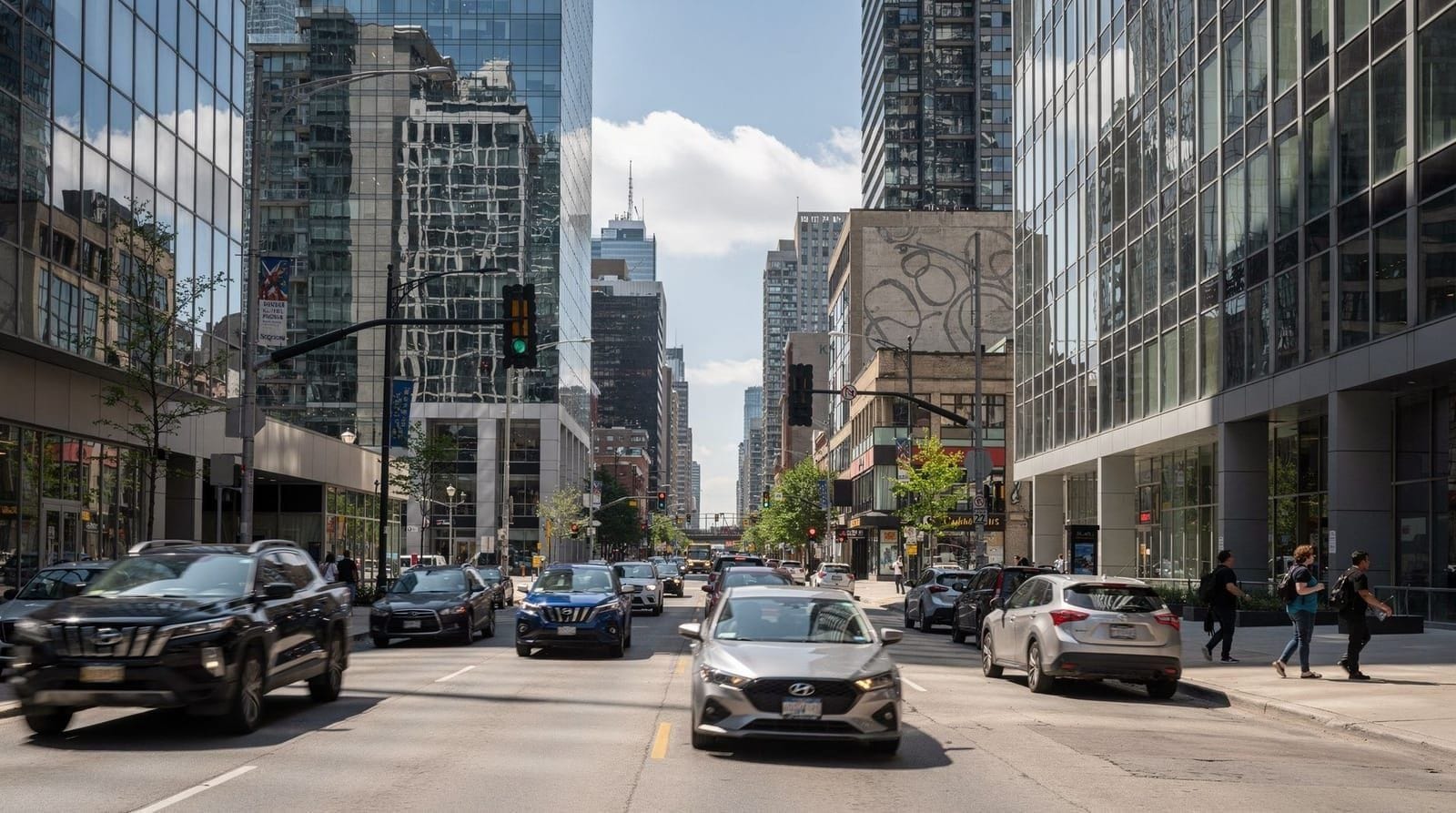
Downtown Toronto has genuine, chronic traffic congestion, particularly on weekday afternoons and during any of the city’s frequent street closures for festivals, construction, or events. A hop-on hop-off loop advertised as taking roughly 2 hours to complete can stretch considerably longer during a bad traffic window, which matters if you’re planning a tight day around specific reboarding times. This isn’t a flaw unique to the Toronto operator — it’s a structural weakness of any bus-based sightseeing product in a congested downtown core — but it’s worth knowing before you build your day around precise timing.
Price versus a TTC day pass
A hop-on hop-off ticket typically runs CAD $50-60 for a single day, or somewhat more for a 48-hour option. A TTC day pass costs a fraction of that (roughly CAD $13.50 at time of writing) and covers the entire subway, streetcar, and bus network — considerably more of the city than the fixed tourist loop, including neighbourhoods the bus route doesn’t reach at all, like Kensington Market’s interior streets or Chinatown. The tradeoff is that TTC requires you to actually navigate — which stop, which direction, where to transfer — something the bus is specifically designed to eliminate.
How the route stops compare to walking the same ground
Several stops on the hop-on hop-off route sit close enough together that walking between them, rather than waiting for the next bus, is often faster in practice — particularly downtown, where reboarding wait times can exceed the actual walking distance between two adjacent stops. Treating the bus as a way to cover the longer gaps (say, from downtown out to Casa Loma) while walking the tighter clusters of stops is a reasonable hybrid approach that gets around some of the traffic-delay drawback.
Comparing to hop-on hop-off products in other cities
Toronto’s version follows the same basic template used in most major cities running this product — a fixed loop, recorded narration, unlimited reboarding — and delivers a comparable experience to what you’d find in a city like Vancouver or Montreal. Visitors who’ve used a similar product elsewhere and found it worthwhile will likely have a similar experience in Toronto; visitors who found it underwhelming elsewhere are likely to feel the same way here, since the core product doesn’t differ meaningfully by city.
Who the bus genuinely makes sense for
Visitors with only a single day in Toronto and no interest in transit navigation, families managing young kids who tire from walking, and travelers who specifically value narrated context over cost savings are the clearest cases where the hop-on hop-off bus is worth the price. It also works well as a first-morning orientation tool — riding the full loop once to get a sense of the city’s layout before deciding which neighbourhoods to return to on foot later.
Who is better off without it
Visitors staying more than a couple of days will get more value walking and using the TTC directly, both financially and in terms of actually experiencing neighbourhoods rather than viewing them from a moving bus. Budget-conscious travelers, and anyone reasonably comfortable with a transit app, will find the TTC covers the same ground (and more) for a fraction of the price. Photographers and anyone wanting to linger at a specific spot will find the bus’s fixed schedule and open-top exposure to weather more limiting than helpful.
What the narration actually covers
Recorded commentary generally touches on landmark history, notable buildings, and a bit of city trivia as the bus passes each stop, delivered through onboard headphones with multiple language options in most cases. It’s genuinely informative for a first visit but formulaic in structure — the same kind of general-audience narration used in most cities’ equivalent tours, prioritizing breadth over depth. Visitors wanting more specific, in-depth context on a particular neighbourhood are better served by a dedicated walking tour of that area specifically.
Weather is a real factor
Toronto’s summer humidity and occasional heavy rain, and its cold, wind-exposed winters, both meaningfully affect the open-top bus experience in ways that don’t apply to walking or transit, where you can duck indoors at will. Checking the forecast before committing to a specific day is worth doing if the bus is your plan, more so than for most other sightseeing options in this guide.
Multi-day tickets and repeat use
The 48-hour ticket option makes more sense for visitors planning to use the bus as ongoing transport between neighbourhoods over two days rather than a single orientation loop — spreading the cost over more actual rides improves the value calculation meaningfully compared to a single-day pass used for one full loop and little else. If your plan is genuinely a single loop for orientation followed by walking and TTC for the rest of your stay, the 24-hour ticket is the more sensible purchase.
The honest verdict
The Toronto hop-on hop-off bus does what it advertises and isn’t a scam or a trap in any real sense — it’s a legitimate convenience product priced at a real premium over doing the same thing yourself with a transit pass and a map. Whether that premium is worth paying comes down to how much you value not having to navigate, weighed against a meaningfully higher price and vulnerability to Toronto’s traffic. For a full walking-based alternative covering the same core downtown landmarks, see the downtown Toronto walking guide.
How it compares to booking individual attraction tickets
Visitors sometimes assume the bus ticket bundles attraction admission, but it doesn’t — it’s transport and narration only. If your plan is the CN Tower, Casa Loma, or the Ripley’s Aquarium, you’ll still need separate tickets for each, covered in our dedicated guides on is the CN Tower worth it and the Toronto tourist traps guide, which flags a few nearby attractions worth skipping regardless of how you get there.
Frequently asked questions about the Toronto hop-on hop-off bus
How much does the Toronto hop-on hop-off bus cost?
Typically CAD $50-60 for a 24-hour ticket, with 48-hour options priced somewhat higher. Prices vary by season and how far in advance you book.
Does the hop-on hop-off bus cover all of downtown Toronto?
No — it follows a fixed loop covering major landmarks (the CN Tower area, Distillery District, Casa Loma, the waterfront) but misses many neighbourhoods, including the interior streets of Kensington Market and Chinatown, which are better explored on foot.
Is the hop-on hop-off bus affected by Toronto traffic?
Yes, significantly at times. Downtown Toronto has chronic congestion, especially on weekday afternoons and during festivals or street closures, which can extend the advertised loop time considerably.
Is a TTC day pass a better value than the hop-on hop-off bus?
For cost alone, yes — a TTC day pass is a fraction of the bus ticket price and covers more of the city, though it requires you to navigate the transit system yourself rather than following a guided loop.
Is the hop-on hop-off bus good in winter?
It’s open-top and exposed to Toronto’s cold, wind-exposed winter weather, which meaningfully affects comfort. It’s a stronger option in the warmer months (roughly May through September).
Is the hop-on hop-off bus worth it for a single day in Toronto?
For visitors with only one day and no interest in navigating transit themselves, it’s a reasonable option that removes all planning effort. For longer stays, walking and TTC generally deliver better value and a fuller experience of the city.
Should I walk or ride between hop-on hop-off stops?
For stops that are close together, particularly downtown, walking is often faster than waiting for the next bus. Using the bus mainly for longer gaps between distant stops (like reaching Casa Loma) while walking tighter clusters is a reasonable hybrid approach.
Is the Toronto hop-on hop-off bus similar to ones in other cities?
Yes, it follows the same general format used in most major cities offering this product — a fixed loop with recorded narration and unlimited reboarding — so your experience with a similar product elsewhere is a reasonable predictor of how you’ll feel about Toronto’s version.
Top experiences
Bookable activities with verified prices and instant confirmation on GetYourGuide.