Toronto tourist traps guide
What are the biggest tourist traps in Toronto?
Yonge-Dundas Square's surrounding chain stores and street hawkers, overpriced 'skip the line' resellers for major attractions, and restaurants directly adjacent to the CN Tower and Ripley's Aquarium tend to be the worst value-for-money in the city. None of these are outright scams — they're just priced for one-time tourist traffic rather than repeat local business, and better alternatives usually sit a few blocks away.
The difference between a tourist trap and a legitimate attraction
Not everything popular with tourists is a trap — the CN Tower and Casa Loma are genuinely worthwhile despite being firmly on the tourist circuit. A tourist trap, for the purposes of this guide, is somewhere priced or positioned to extract money from one-time visitors who won’t return and won’t compare prices — meaning quality or value drops in ways a repeat local customer would never tolerate. Toronto has fewer of these than a lot of major tourist cities, but the ones that exist are worth knowing about before you’re standing in front of them with your wallet out.
| Trap | Real cost | Better alternative |
|---|---|---|
| ”Skip the line” resellers | Markup over official price | Book direct or via GetYourGuide |
| Restaurants at CN Tower/Ripley’s | Inflated, mediocre food | Walk 5-10 min into the Entertainment District |
| PATH “underground tour” | Paid tour of a shopping corridor | Walk it yourself; it’s free |
| Airport transfer booths | Well above metered/rideshare rate | Compare against a live rideshare quote |
| Yonge-Dundas Square souvenirs | Real markup vs a few blocks away | Compare prices before buying |
A practical test before spending
A useful gut-check before paying for anything unfamiliar in a tourist zone: would a local Torontonian, who has dozens of alternatives and no urgency, choose to spend money here? If the honest answer is no — if the only reason the business survives is one-time visitors with no basis for comparison — treat the price and quality with real skepticism. Nearly every trap identified in this guide fails that simple test, while the genuinely worthwhile attractions (the CN Tower, Casa Loma, the ROM) pass it easily, since locals do visit and recommend them repeatedly.
Yonge-Dundas Square’s immediate surroundings
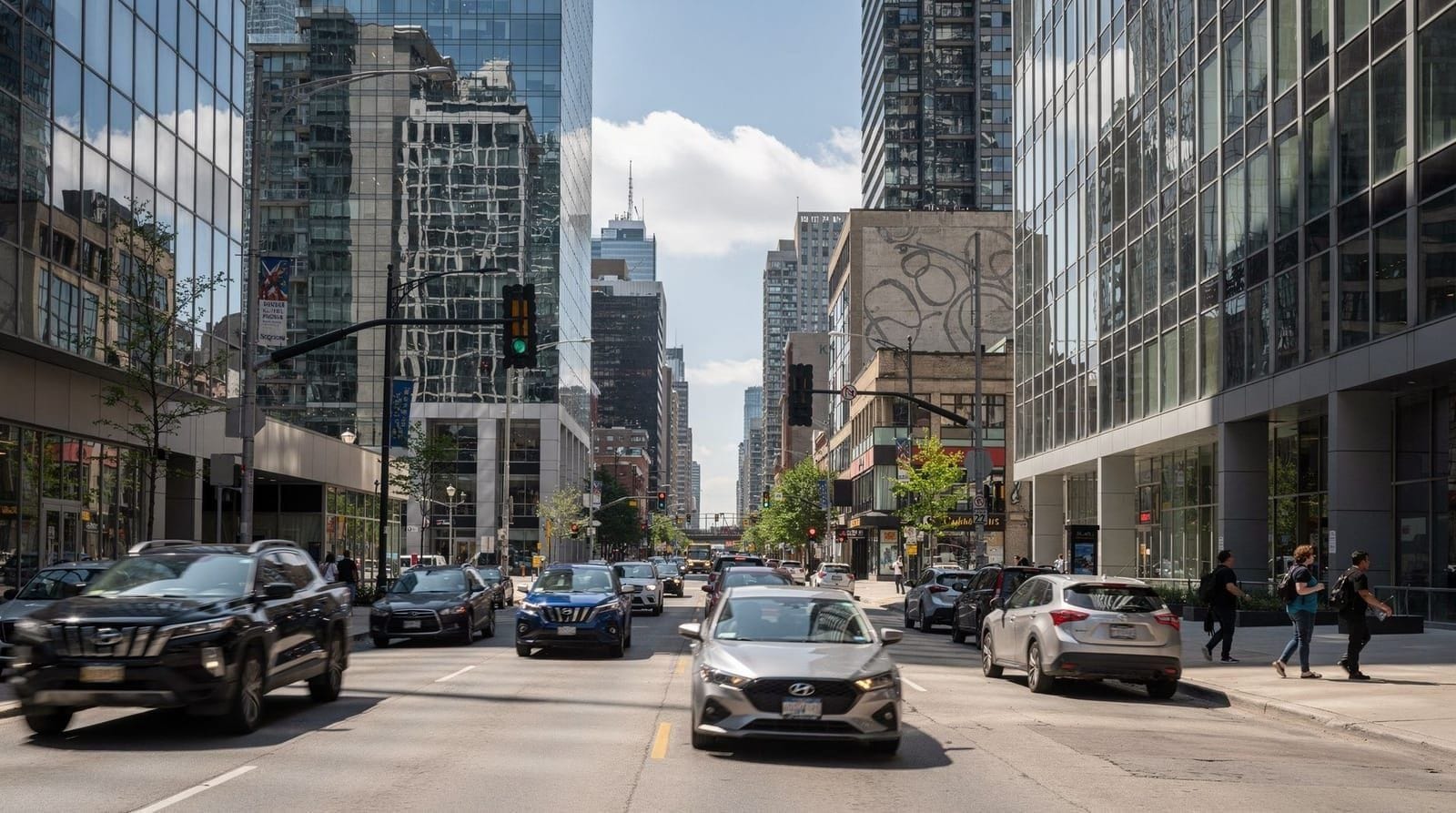
Yonge-Dundas Square itself is a legitimate public space and a reasonable stop for the Times-Square-adjacent energy, but the streets immediately around it — particularly the stretch of Yonge Street just south — are dense with chain souvenir shops, mediocre chain restaurants at inflated prices, and occasionally aggressive street vendors selling low-quality merchandise at tourist markups. None of it is dangerous or outright fraudulent, it’s simply the least representative, least good-value slice of food and shopping Toronto has to offer, concentrated in the one spot most visitors pass through first.
”Skip the line” ticket resellers
Third-party ticket resellers advertising “skip the line” access to major attractions (the CN Tower, Ripley’s Aquarium, the Royal Ontario Museum) frequently charge a markup over booking directly with the attraction itself, sometimes substantial, for a benefit — a shorter queue — that official online booking usually provides anyway at the standard price. Booking directly through the attraction’s own website, or through an established platform like GetYourGuide that clearly discloses pricing, is almost always the better move than an unfamiliar third-party reseller site found through a generic search.
Restaurants directly adjacent to major attractions
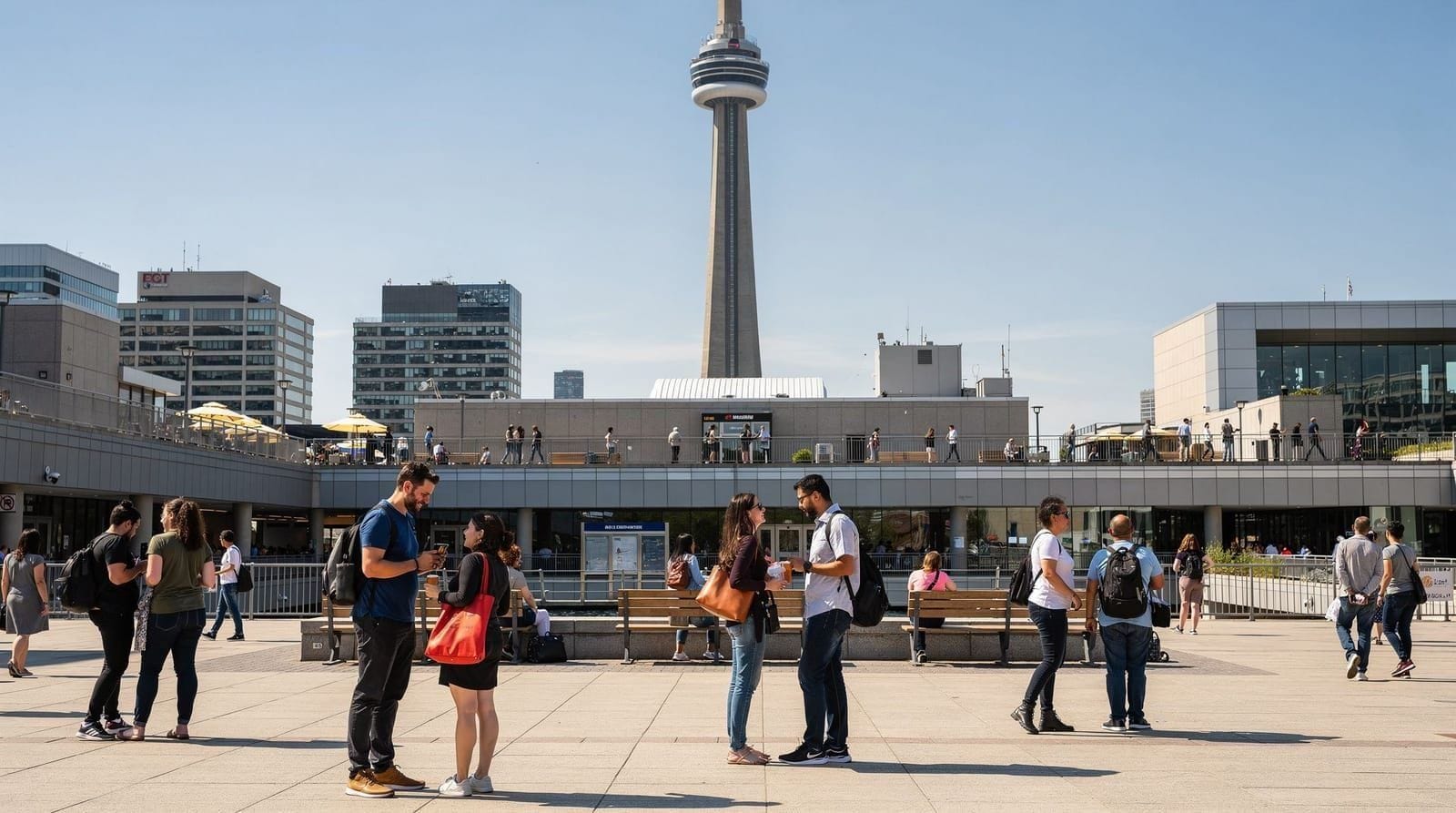
The restaurants and cafés positioned literally next to the CN Tower, Ripley’s Aquarium, and the Rogers Centre charge a real premium for the location, with food quality that generally doesn’t match the price — a pattern true of nearly every major city’s marquee attractions, not unique to Toronto. Walking five to ten minutes into the surrounding neighbourhood (the Entertainment District has genuinely good options at normal prices) almost always improves both the food and the bill.
The “underground tour” pitch
Toronto’s PATH system — a genuinely useful 30-kilometre underground walkway connecting downtown buildings, useful for avoiding winter weather — occasionally gets oversold to tourists as a must-do attraction in itself, sometimes via paid “underground tour” offerings.
The PATH is a practical transit and shopping corridor, not a sightseeing destination; walking a portion of it as a way to get somewhere in bad weather is genuinely useful, but paying specifically for a guided tour of what is, functionally, an underground mall corridor is poor value compared to what else the same money could buy elsewhere in the city. A guided walking tour of downtown’s actual above-ground landmarks delivers far more genuine sightseeing value for a similar price point.
Toronto 2-hour downtown walking tourOverpriced airport transfer offers
Booths and individuals near Union Station and downtown hotels occasionally offer “convenient” pre-arranged airport transfers at a flat rate well above what a metered taxi, rideshare, or the UP Express train would cost for the same trip. As with most flat-rate pitches aimed at tourists, comparing the quoted price against a quick rideshare app estimate before committing avoids a real markup — see Pearson Airport to downtown guide for the full range of legitimate options and their actual costs.
Novelty photo-op merchandise near landmarks
Street vendors near the CN Tower, the Toronto sign at Nathan Phillips Square, and other frequently photographed spots often sell low-quality branded merchandise (magnets, keychains, t-shirts) at a real markup compared to shops even a few blocks away. None of this is deceptive exactly — it’s simply priced for convenience and impulse purchase rather than value, the same pattern found at nearly every famous landmark worldwide.
St. Lawrence Market’s tourist-facing stalls
St. Lawrence Market is a legitimate, excellent food market and not a trap overall, but a handful of stalls positioned closest to the main entrances lean harder into tourist pricing than the vendors deeper into the market or on the upper level. Wandering past the first row of stalls before buying, and checking the upper level (where the antique market and additional food vendors operate with less foot traffic pressure), generally turns up better prices for comparable quality.
Overpriced “photo op” experiences
A handful of pop-up “immersive experience” or novelty photo-op attractions cycle through downtown Toronto at various times — themed installations charging admission for what amounts to a series of Instagram backdrops. These aren’t scams exactly, but the value proposition (paying $30-40 for photo backdrops) is worth scrutinizing against reviews before booking, since quality varies enormously and isn’t always reflected in the marketing.
What’s genuinely worth it despite being touristy
To be clear about what this guide isn’t saying: the CN Tower, the Toronto Islands ferry, St. Lawrence Market’s core stalls, Casa Loma, and the Royal Ontario Museum are all popular with tourists and all deliver real value for the admission price. Being popular with visitors doesn’t automatically make something a trap — see the overpriced Toronto attractions guide for the more specific list of attractions where price genuinely outpaces what you get, as distinct from the location-based traps covered here.
Why Toronto has fewer traps than some comparable cities
Toronto’s relatively small, concentrated tourist core — most major attractions sit within a compact downtown area rather than spread across a sprawling old-town district — means there’s less physical space for a large trap-heavy tourist zone to develop compared to cities with a bigger historic core built specifically around foot traffic. That said, “fewer” doesn’t mean “none,” and the traps that do exist concentrate predictably around the highest-foot-traffic single points: Yonge-Dundas Square and the immediate CN Tower perimeter above all.
How to avoid the traps as a general rule
Booking attraction tickets directly through official sites or well-established platforms rather than unfamiliar resellers, eating a short walk away from the exact footprint of a major landmark, and treating any unsolicited street offer (a “free” tour, a “discount” ticket from someone stopping you on Yonge Street) with default skepticism covers most of what’s needed to avoid Toronto’s specific traps. None of this requires paranoia — Toronto is a genuinely low-scam city by North American standards — just the same consumer awareness you’d apply at home.
For Niagara Falls’ considerably more aggressive tourist-trap landscape, see the Niagara Falls tourist traps guide, and for the transportation-specific version of this honesty, Toronto taxi vs Uber honest guide covers where ground transport pricing gets inflated near tourist zones.
Currency exchange booths near tourist zones
Currency exchange booths clustered around Yonge-Dundas Square and other high-foot-traffic tourist areas often post noticeably worse exchange rates than a bank or a well-reviewed exchange service a few blocks away, or a straightforward ATM withdrawal from a Canadian bank machine, which typically applies a more competitive rate than a currency booth’s posted spread. This is a low-stakes trap compared to some cities’ currency-exchange scams, but comparing a booth’s posted rate against your card’s foreign-transaction rate before exchanging a meaningful sum is worth the extra minute.
”Free” walking tour pressure tactics
Toronto has a small number of “free” walking tours that operate on a tip-only model, which is a legitimate and common business structure worldwide, not a trap in itself. The version worth watching for is a guide who pressures the group hard for a specific inflated tip amount at the end, or who steers the group toward a specific restaurant or shop for a kickback rather than genuinely useful recommendations. A tip-based tour with a relaxed, no-pressure close is a normal and often excellent budget option; one that feels like a hard sell at the end is worth rating honestly and avoiding on a repeat visit.
Frequently asked questions about tourist traps in Toronto
Is Yonge-Dundas Square itself a tourist trap?
No, the square itself is a legitimate public space worth a brief stop. The issue is specifically the chain restaurants and souvenir shops concentrated on the surrounding blocks, which charge tourist-level prices for below-average quality.
Should I book CN Tower tickets through a reseller site?
Generally no — booking directly through the CN Tower’s official site or an established platform like GetYourGuide is usually cheaper or equal in price to third-party resellers advertising “skip the line” access, which is typically included in standard advance booking anyway.
Is St. Lawrence Market overpriced for tourists?
The market overall offers genuine value and isn’t a trap, but a handful of stalls closest to the main entrances lean into tourist pricing more than vendors deeper inside or on the upper level.
Is the PATH underground walkway worth visiting?
It’s genuinely useful as a way to get around downtown in bad weather, but paying specifically for a guided “underground tour” of it is generally poor value compared to other things the same money could buy in the city.
Are there a lot of scams targeting tourists in Toronto?
Toronto is a comparatively low-scam city by North American standards. Most of what qualifies as a “trap” here is overpriced convenience rather than outright fraud, unlike some destinations with more aggressive scam activity.
What’s a better alternative to eating near the CN Tower?
Walking five to ten minutes into the surrounding Entertainment District turns up considerably better food at normal prices than the restaurants positioned directly at the tower’s base.
Should I book an airport transfer through a hotel or downtown booth?
Comparing the quoted flat rate against a rideshare app estimate or the UP Express price first is worth the extra minute — booth and hotel-arranged transfers sometimes charge well above what a metered taxi or rideshare would cost for the same trip.
Is buying souvenirs near the CN Tower a bad idea?
Not a scam, but expect a real markup compared to shops even a few blocks away. If souvenir shopping is part of your plan, comparing prices at a couple of stops before buying is worth doing.
Are currency exchange booths near tourist areas a bad deal?
Generally yes — booths near Yonge-Dundas Square and similar tourist zones tend to post worse rates than a bank, a well-reviewed exchange service, or a straightforward ATM withdrawal. Comparing the posted rate against your card’s foreign-transaction rate before exchanging a meaningful sum is worth the extra minute.