Things to do in Blue Mountain
Collingwood: Blue Mountains Wine and Cider Tasting Tour
What are the best things to do in Blue Mountain?
Ski or hike the Niagara Escarpment in winter, walk the pedestrian Village at the base for shops and dining year-round, and hike the Singhampton caves or tour local wineries and cideries in the warmer months.
Ontario’s ski hill that works in every other season too
Blue Mountain, on the Niagara Escarpment above Georgian Bay, built its reputation as Ontario’s most developed ski destination — the province’s largest vertical drop and a purpose-built pedestrian village at the base. What’s less obvious from the marketing is that the area works just as well from May through October, when the ski runs turn into mountain-bike trails and the surrounding escarpment opens up for hiking, caving, and a genuinely strong wine-and-cider scene. This guide covers both halves of the year.
The mountain sits about 2 hours northwest of Toronto, next to the town of Collingwood, which functions as the region’s dining and lodging hub beyond the resort’s own village.
| Where | Blue Mountain Village, near Collingwood, ~2hrs from Toronto |
| Winter | Skiing/snowboarding, roughly Dec-March |
| Summer | Mountain Coaster, hiking, caves, wine/cider tours, roughly May-Oct |
| Getting there | Car recommended; no regular train or bus service |
| Best time | Winter for skiing, September-October for foliage and orchards |
The Blue Mountain Village
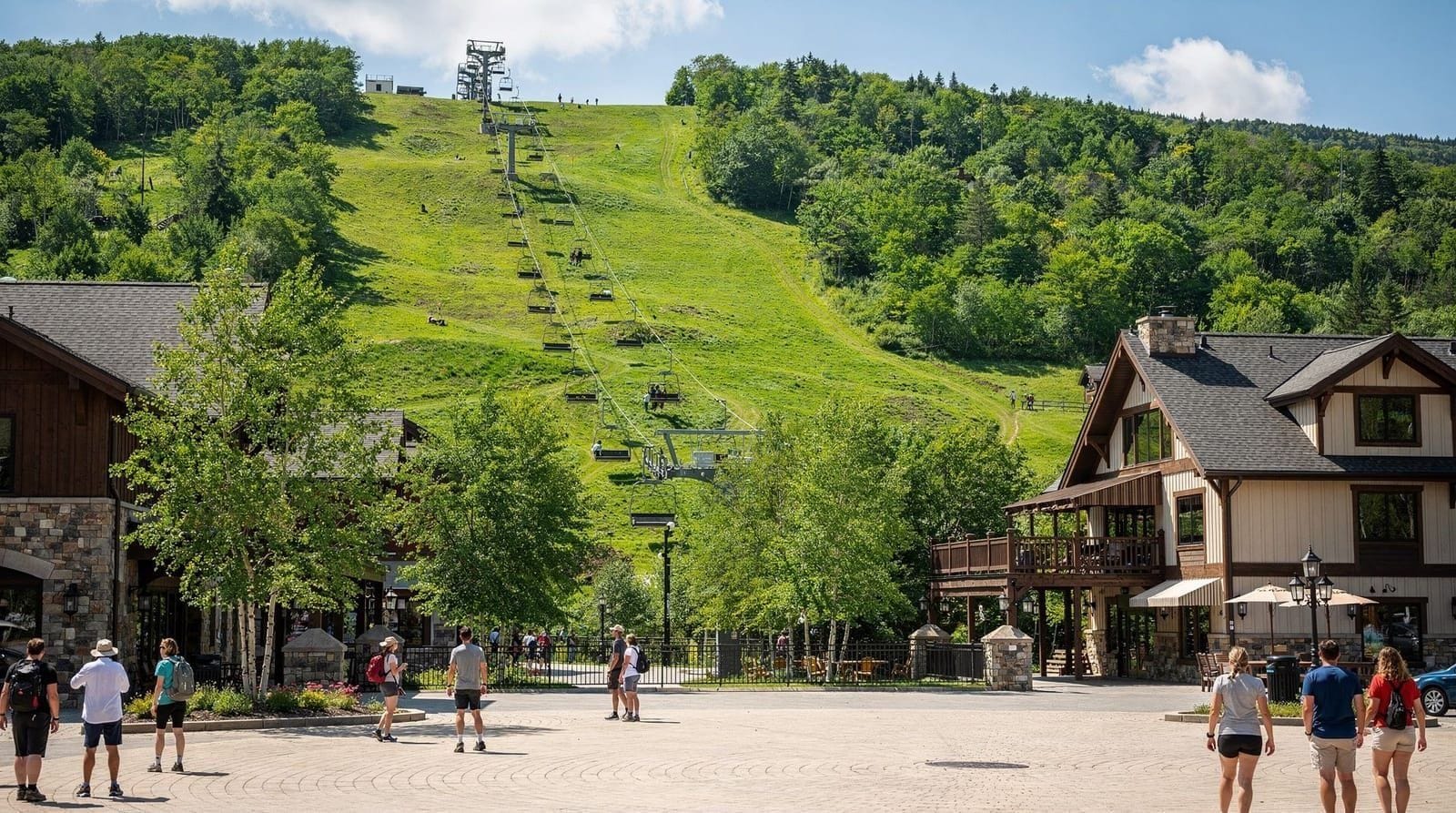
At the base of the ski hill, the Village is a car-free pedestrian zone of restaurants, shops, and patios that stays open and busy year-round, not just during ski season. In summer it adds a mountain coaster, ropes course, and open-air concerts; in winter it’s the après-ski centre with fire pits and a genuinely festive atmosphere on weekend evenings. It’s worth an hour or two of wandering regardless of what else is on your itinerary.
Accommodation directly in the Village ranges from standard hotel rooms to larger condo-style units suited to families or groups, generally at a premium over lodging a short drive away in Collingwood or Thornbury. Parking at the Village itself typically carries a daily fee during peak periods, worth factoring into a budget if you’re staying off-site and driving in for the day.
Skiing and snowboarding
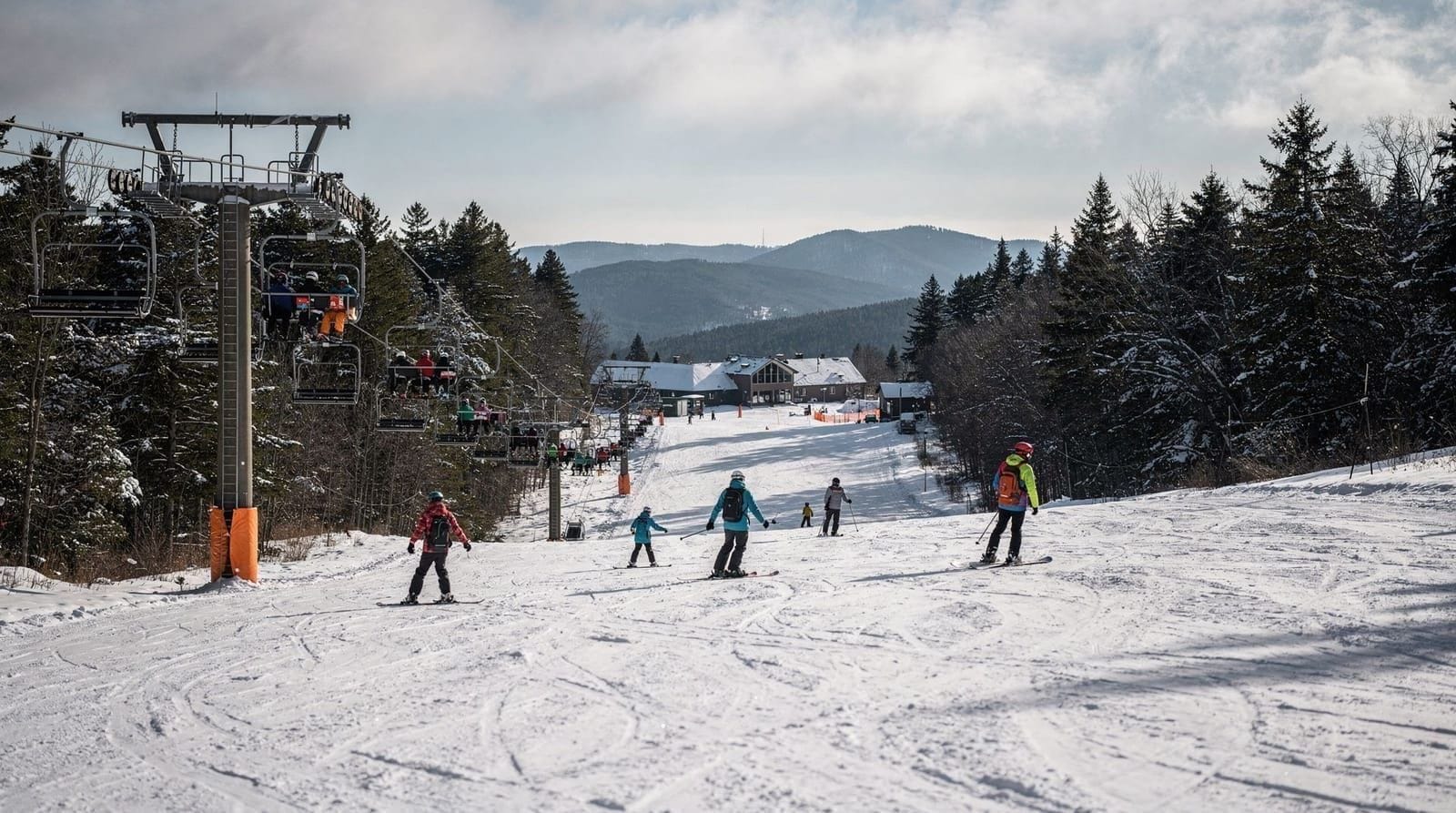
Blue Mountain has the highest vertical drop in Ontario at roughly 220 metres, spread across more than 40 runs served by chairlifts and gondolas. It’s not the Rockies, but for a 2-hour drive from Toronto it’s a legitimate day or weekend ski trip, with night skiing available on select runs and a beginner-friendly tubing park for non-skiers in the group. Season typically runs December through March, weather dependent, with snowmaking supplementing natural snowfall to extend the reliable window on either end — see the Blue Mountain skiing guide for lift ticket pricing and run breakdowns.
Blue Mountain’s terrain is split across several named sections of the hill, each with a different character — beginner-friendly runs closer to the Village base, steeper terrain further along the ridge, and a terrain park for freestyle skiers and snowboarders. Ski and snowboard rental and lesson packages are available on-site for visitors without their own gear, and are worth booking ahead during peak weekends and holiday periods when walk-up availability tightens considerably.
The Singhampton caves
South of Collingwood, the Metcalfe and Duncan cave systems near Singhampton are a genuinely under-visited highlight of the escarpment — narrow rock passages, small chambers, and scramble routes through Canadian Shield-adjacent limestone terrain that feel far more remote than a 2-hour drive from Toronto would suggest. A private guided hike is the most sensible way to do it, since routes through the caves aren’t obviously marked and a guide adds real safety margin on the scrambling sections:
Private Singhampton caves hike — Collingwood/Blue MountainWine and cider tasting
The Blue Mountain and Collingwood area sits within Ontario’s smaller but growing “Georgian Bay” wine and cider region, distinct from Niagara’s better-known appellation but built on similarly favourable escarpment microclimates. Several small-batch wineries and cideries operate tasting rooms within a short drive of the Village, and a guided tour is the easiest way to visit a few without designating a driver for the whole day:
Collingwood: Blue Mountains wine and cider tasting tourFor the fuller local beer and cider scene beyond wine, see best breweries in Collingwood and the Ontario craft cider guide.
Hiking the Bruce Trail and escarpment lookouts
The Bruce Trail, Canada’s oldest and longest marked hiking trail, runs directly through the Blue Mountain area along the Niagara Escarpment, with several access points offering short out-and-back hikes to lookout points over Georgian Bay. These are largely free and require no booking — a strong option if you want a self-guided outdoor afternoon without committing to a full tour.
The escarpment itself is a UNESCO-designated World Biosphere Reserve, a limestone ridge formed hundreds of millions of years ago that runs the length of the Bruce Trail from Niagara to Tobermory — the same geological feature responsible for both Niagara Falls to the south and the dramatic cliffs and caves around Blue Mountain and Collingwood. Standouts along the local stretch include Old Baldy, a well-known lookout near Kimberley with sweeping views over the Beaver Valley, and Devil’s Glen, a narrower gorge-and-waterfall hike that’s less crowded than the trails closer to the Village.
Beaver Valley and the surrounding countryside
South of Blue Mountain proper, the Beaver Valley is a scenic agricultural valley cut into the escarpment, offering a quieter, more rural driving loop past farms, small towns, and additional Bruce Trail access points. It’s a good half-day option if you’ve already covered the Village and caves and want to see a different, less resort-oriented side of the region.
Georgian Bay and the beaches
A short drive from the Village, Wasaga Beach — the longest freshwater beach in the world, at roughly 14 km — offers a very different kind of afternoon: sand, warm shallow water, and a lively boardwalk strip in summer. It’s a good pairing if you want to balance an active morning (hiking or caving) with a relaxed beach afternoon.
Comparing Blue Mountain to Ontario’s other ski regions
Blue Mountain is Ontario’s most developed ski destination, but it’s worth knowing it competes for winter attention with options further afield — Quebec’s larger resorts require a much longer drive, while closer alternatives within Ontario are generally smaller and less developed. For a broader Ontario winter-trip comparison, see the Toronto in winter guide, which covers how a Blue Mountain weekend fits alongside the city’s own winter activities like Harbourfront skating.
Mountain biking and the coaster
Once the snow melts, Blue Mountain’s ski runs convert into a genuinely well-regarded mountain biking network, with trails graded for a range of skill levels and lift access for those who don’t want to climb under their own power. The Mountain Coaster — a gravity-powered, rider-controlled sled ride down a dedicated track — is the resort’s most popular summer attraction for families, running alongside a ropes course and open-air chairlift rides that give non-bikers a way to take in the escarpment view without the physical commitment.
Apple orchards and fall harvest season
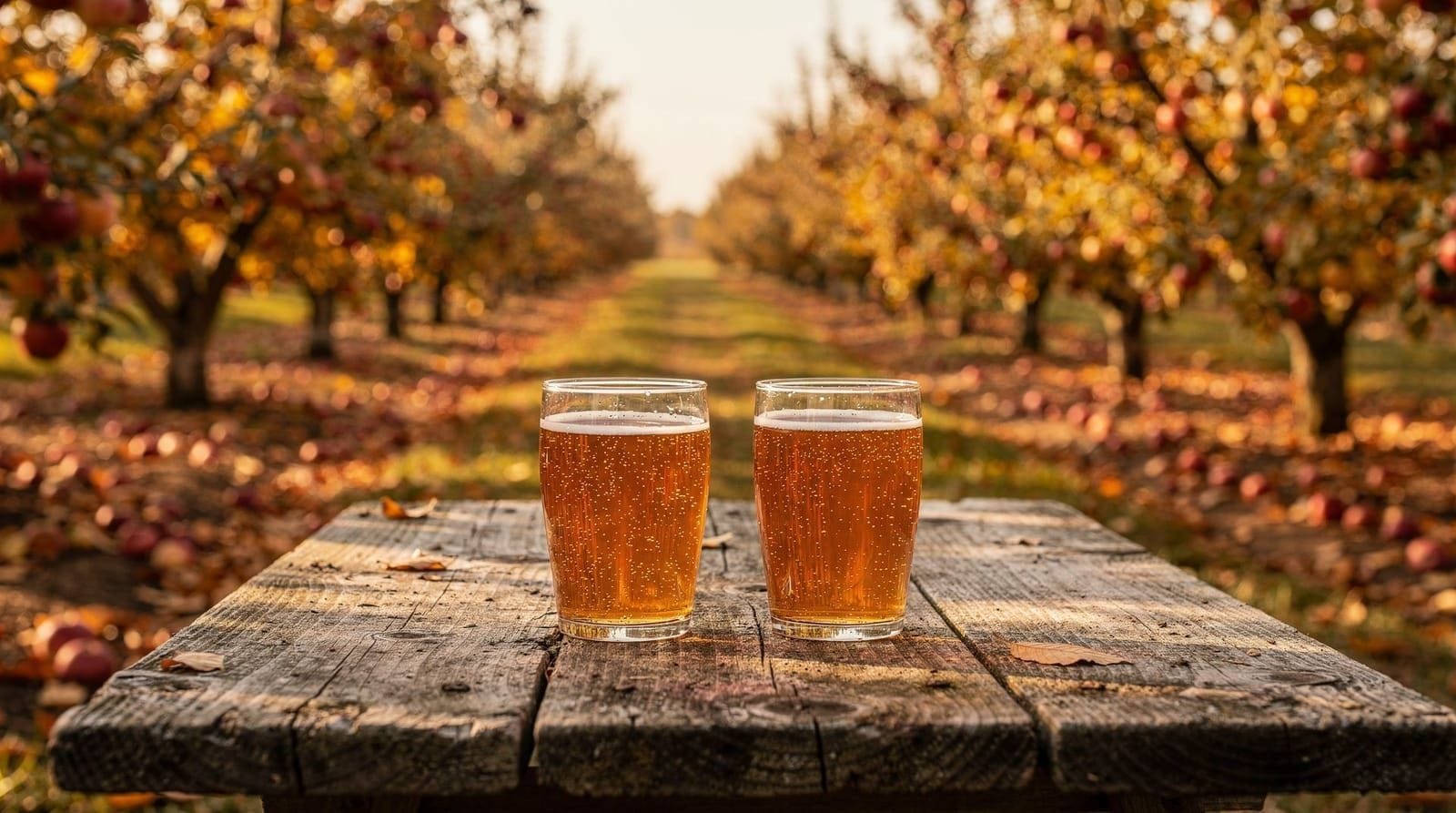
The Blue Mountain and Collingwood area sits within a productive apple-growing region, and several local orchards open to the public for pick-your-own visits and farm-stand sales through September and October — a natural pairing with the area’s cider scene, since much of the local cider production draws directly on these orchards. Combined with the escarpment’s fall foliage, early-to-mid October is one of the strongest windows to visit if a slower, harvest-season pace appeals more than the ski-season crowds.
Thornbury and the smaller lakeside towns
A short drive west of Collingwood, Thornbury is a smaller, quieter harbour town on Georgian Bay that’s become known for its own cluster of cideries and a walkable Main Street with a noticeably less touristy feel than the Village itself. It’s a good half-day add-on if you want a slower-paced counterpoint to the resort’s busier weekend energy, particularly for a relaxed lunch or dinner away from peak-season crowds.
Where to eat
Blue Mountain Village’s restaurant scene leans toward apres-ski and family-friendly dining — pizza, pub fare, and a handful of more upscale options with mountain or Georgian Bay views. Collingwood’s downtown core, a short drive away, offers a noticeably wider and more independent range of restaurants, reflecting the town’s role as the area’s genuine year-round community rather than a purely seasonal resort base.
Zip-lining and adventure parks
Beyond the Mountain Coaster, the broader Blue Mountain and Collingwood area has developed a small cluster of adventure-park operators offering zip-lining and aerial obstacle courses through the escarpment’s forest canopy — a strong option for older kids and teens looking for something more adrenaline-driven than a standard hike. These typically run seasonally, roughly May through October, weather permitting.
Seasonal notes
Blue Mountain operates on two very distinct calendars: winter (ski season, roughly December-March) and summer (hiking, biking, and the mountain coaster, roughly May-October). Shoulder seasons (April, November) see reduced hours across most attractions as the resort transitions between modes — check ahead if visiting during those months, since some operators close entirely for a few weeks.
Brewery touring beyond the wine and cider scene
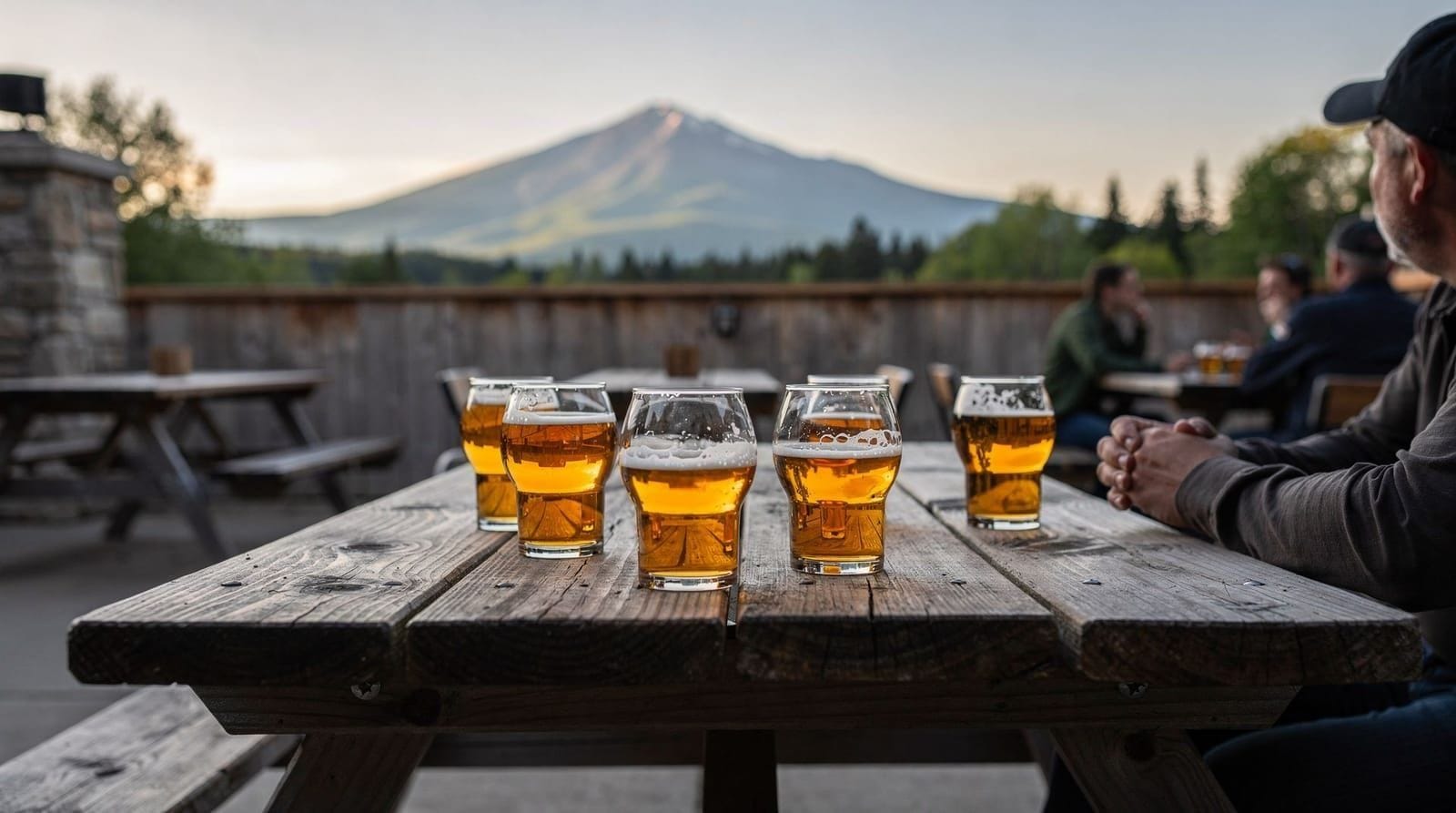
Collingwood’s craft brewery scene has grown alongside the area’s wine and cider reputation, with several small breweries clustered around town offering tastings and flights distinct from the escarpment’s grape- and apple-based drinks. A guided brewery tour covers a few stops without needing a designated driver, a natural pairing if beer is more your speed than wine on a Blue Mountain weekend:
Blue Mountains brewery tour and tastingsChoosing a season if your dates are flexible
If your travel dates aren’t fixed, winter and early fall are the two strongest windows for different reasons. Winter delivers the region’s signature activity — genuine downhill skiing within a manageable drive of Toronto — but comes with the highest accommodation prices and the most crowded Village. Late September into October combines apple-harvest season, escarpment fall colour, and noticeably thinner crowds than either peak winter or peak summer, making it arguably the most pleasant all-around visit if skiing itself isn’t the priority.
Frequently asked questions about things to do in Blue Mountain
Is Blue Mountain worth visiting outside ski season?
Yes — the Village, hiking trails, caves, and wine/cider tasting all operate independently of the ski season and give the area a genuinely different character in summer and fall.
How far is Blue Mountain from Toronto?
About 2 hours by car via Highway 400 and Highway 26. There’s no direct train or regular bus service, so a car is strongly recommended.
Do I need experience to do the Singhampton caves hike?
Basic fitness and comfort with tight spaces and some scrambling are useful, but the private guided tour is suitable for most reasonably active adults without technical caving experience.
What’s the difference between Blue Mountain and Collingwood?
Blue Mountain refers to the ski resort and its Village; Collingwood is the neighbouring town that provides most of the area’s independent restaurants, hotels, and shops. They’re close enough (10-15 minutes) to treat as one trip.
Is Blue Mountain busy on weekends?
Yes, particularly in ski season and summer weekends — booking accommodation and popular restaurants ahead is worth it, especially for July-August and the peak winter months.
Can I do a day trip to Blue Mountain from Toronto?
It’s workable given the 2-hour drive, though a full weekend gives you time for both the outdoor activities and the Village without rushing. See Blue Mountain day trip from Toronto for a single-day itinerary.
Is Blue Mountain good for non-skiers?
Yes — the Village, hiking trails, Mountain Coaster, and wine/cider tours all work well without ever putting on skis, particularly in the May-through-October season when the resort’s focus shifts away from downhill activities entirely.
Do I need a car to get around Blue Mountain and Collingwood?
Yes — while the Village itself is walkable, reaching the Singhampton caves, Wasaga Beach, Thornbury, and the surrounding wineries and orchards all require a car, since public transit between these points is minimal.
When is the best time to visit Blue Mountain if I don’t ski?
Late September into October, combining apple-harvest season, escarpment fall colour, and noticeably thinner crowds than either peak winter or peak summer weekends.
Top experiences
Bookable activities with verified prices and instant confirmation on GetYourGuide.