Chinatown Toronto food guide
Hidden Toronto: Kensington Market & Chinatown Walk
What should I eat in Toronto's Chinatown?
Dim sum at a sit-down restaurant on a weekend morning, hand-pulled noodles from one of the Spadina Avenue noodle houses, and bubble tea from one of the neighborhood's dozens of tea shops cover Chinatown's core food identity. Budget CAD $15-30 per person depending on whether you sit down or graze.
A working commercial strip, not a tourist set piece
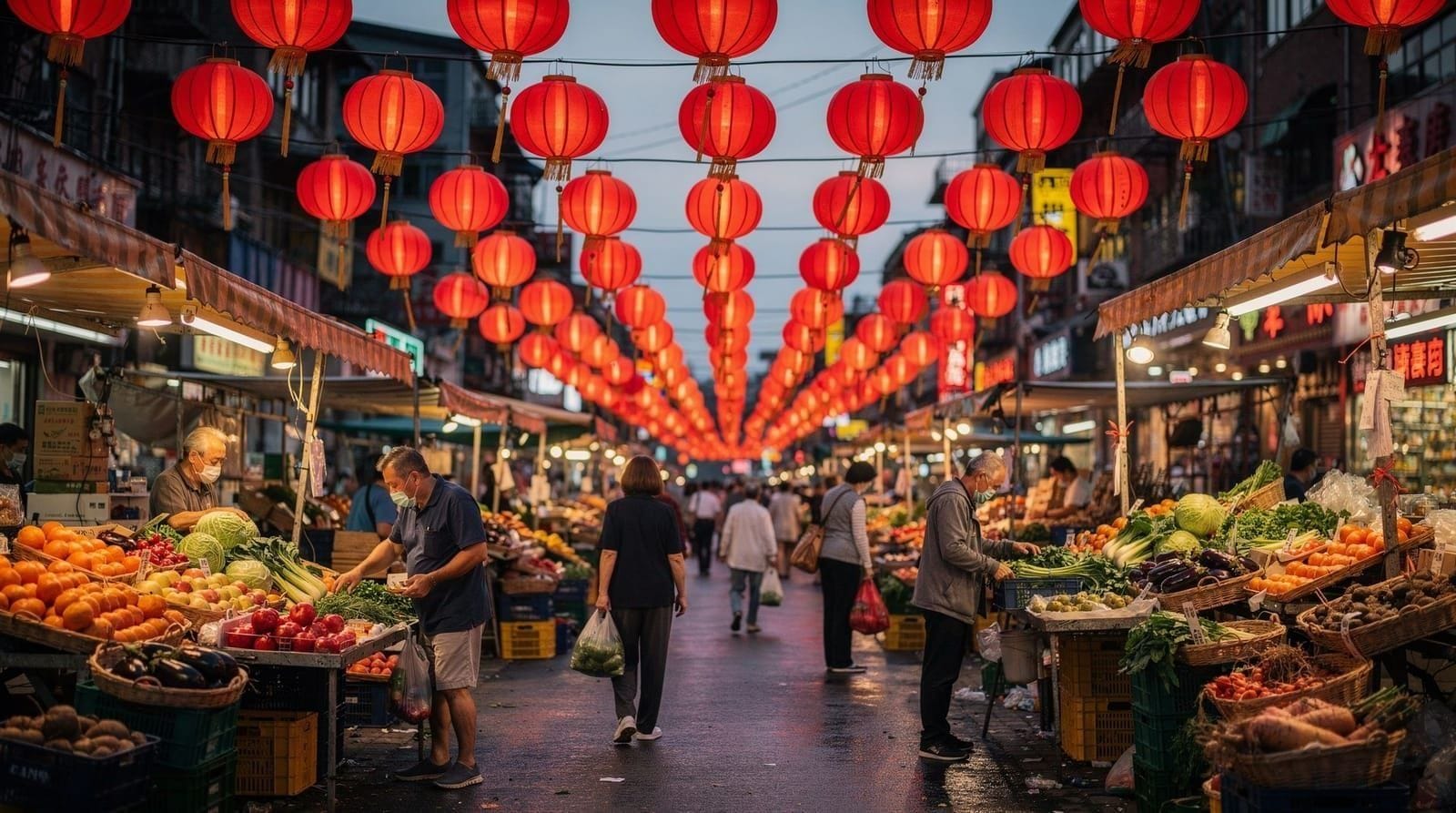
Toronto’s downtown Chinatown runs along Spadina Avenue and Dundas Street West, immediately south of Kensington Market, and it functions as a genuine commercial and residential hub rather than a district built around visitor foot traffic. That distinction shows up in the food — prices stay low, portions run generous, and menus are written for a local Chinese-Canadian customer base first, English translations second. It’s one of the best value food destinations in downtown Toronto as a result, with a full meal easily costing less here than an equivalent dish would in a more visitor-facing neighborhood.
| Where | Spadina Avenue & Dundas Street West |
| Budget | Around CAD $15-30/person |
| Best time | Weekend late morning for dim sum |
| Getting there | 505 Dundas or 510 Spadina streetcar |
| Pair with | Kensington Market next door |
Dim sum: the weekend ritual worth doing once
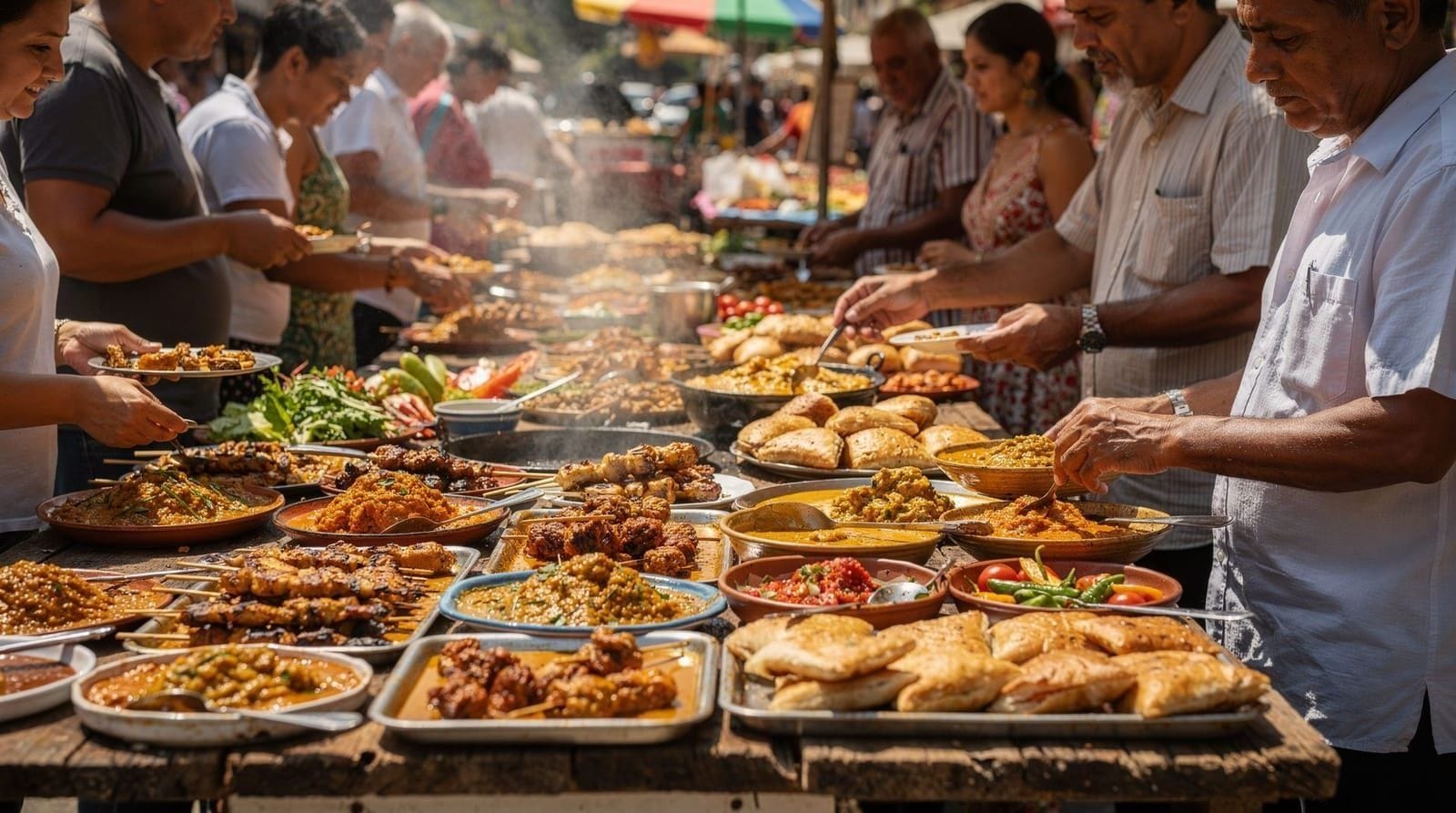
Dim sum — small, shareable dishes traditionally ordered from a rolling cart or, increasingly in Toronto, from a checklist menu — is Chinatown’s signature weekend meal. Several sit-down restaurants along Spadina Avenue run dim sum service through late morning into early afternoon on weekends, and a full meal with tea for two or three people typically runs CAD $25-40 per person. Expect a wait at the most popular spots on Saturday and Sunday mornings; arriving by 11am or after 1:30pm helps avoid the peak crowd. If you’ve never done dim sum, ordering a mix of steamed dumplings (har gow, shrimp; siu mai, pork), a rice noodle roll, and a plate of greens is a reasonable, approachable starting spread.
Noodles, bubble tea, and quick bites
Beyond dim sum, Chinatown’s food scene is built for grazing and quick, cheap meals. Hand-pulled noodle houses along Spadina Avenue serve fresh noodles made to order, often visible through a front window, in soups or stir-fried preparations for CAD $10-16. Bubble tea shops — dozens of them within a few blocks — sell the Taiwanese-origin milk tea with chewy tapioca pearls that’s become a citywide staple, typically CAD $5-7 per cup. Bakery-cafés selling Hong Kong-style egg tarts, pineapple buns, and other Cantonese pastries make a good CAD $3-6 snack stop between meals.
Guided vs. self-directed exploration
If Chinese-language signage and an unfamiliar menu system feel like a barrier, a guided option removes the guesswork. The Kensington Market and Chinatown hidden gems walk covers both neighborhoods in one guided outing, with a local guide explaining menu items and vendor history as you go — useful if you’d rather have context than figure it out through trial and error. Self-directed visits work well too, and most restaurant staff are used to helping English-speaking visitors navigate the menu with a bit of pointing and questions.
Ordering with confidence at a Chinatown restaurant
A few practical tips help first-time visitors order more confidently at a Chinatown restaurant without feeling lost. Many menus include photos alongside Chinese and English text, a reliable way to point rather than guess if a dish name doesn’t clarify what’s coming.
For dim sum specifically, some restaurants have moved from the traditional cart-based ordering (where servers wheel dishes past your table and you select what looks appealing) to a checklist menu system, which is easier for English-speaking visitors to navigate independently since you simply check boxes rather than flagging down a passing cart. If a restaurant still uses carts, don’t hesitate to ask “what’s in this?” as each one passes — staff are generally patient with the question, and it’s a normal part of the dim sum experience for regulars and first-timers alike.
Comparing Chinatown to Kensington Market
The two neighborhoods border each other along Spadina Avenue and Baldwin Street, and most visitors combine them into a single afternoon, covered from the Kensington side in our Kensington Market food guide. The food identities are distinct rather than overlapping — Chinatown leans Cantonese, Sichuan, and broader Chinese regional cuisines with a strong dim sum and noodle tradition, while Kensington leans Caribbean, Portuguese, and Latin American. Doing both in one visit gives a genuine sense of Toronto’s food diversity in under three hours of walking. For the neighborhood’s broader history and non-food attractions, see the Chinatown Toronto guide.
Beyond downtown: Toronto’s other Chinese food hubs
Downtown Chinatown isn’t the only, or even necessarily the best, Chinese food destination in the Toronto area — the city’s Scarborough district and the neighboring city of Markham both have larger, more residential Chinese commercial strips with a wider range of regional Chinese cuisines, generally requiring a car or a longer transit ride to reach. For a short downtown visit, Spadina Avenue’s Chinatown remains the practical choice given its walkability from most hotels; travelers with more time and a car might consider a side trip to explore the Scarborough or Markham food scene as a genuinely different experience.
Regional Chinese cuisines represented on Spadina Avenue
Toronto’s downtown Chinatown, despite its relatively compact footprint, represents a genuinely wide range of regional Chinese cuisines rather than a single generic style. Cantonese cooking, reflecting the origins of many of the neighborhood’s earliest immigrants, dominates the dim sum scene and much of the roast-meat and noodle-shop offerings visible through storefront windows along Spadina.
Sichuan restaurants, serving the spicier, numbing-pepper-forward cuisine of southwestern China, have grown more prominent in recent years as immigration patterns have shifted, and a few spots specialize in northern Chinese hand-pulled noodles and dumplings distinct from the Cantonese-dominant older establishments. Knowing this range matters if you’re planning more than one Chinatown meal during your Toronto trip — visiting a Cantonese dim sum restaurant one day and a Sichuan spot another gives a genuinely different experience each time rather than a repeat of the same style.
Grocery shopping in Chinatown
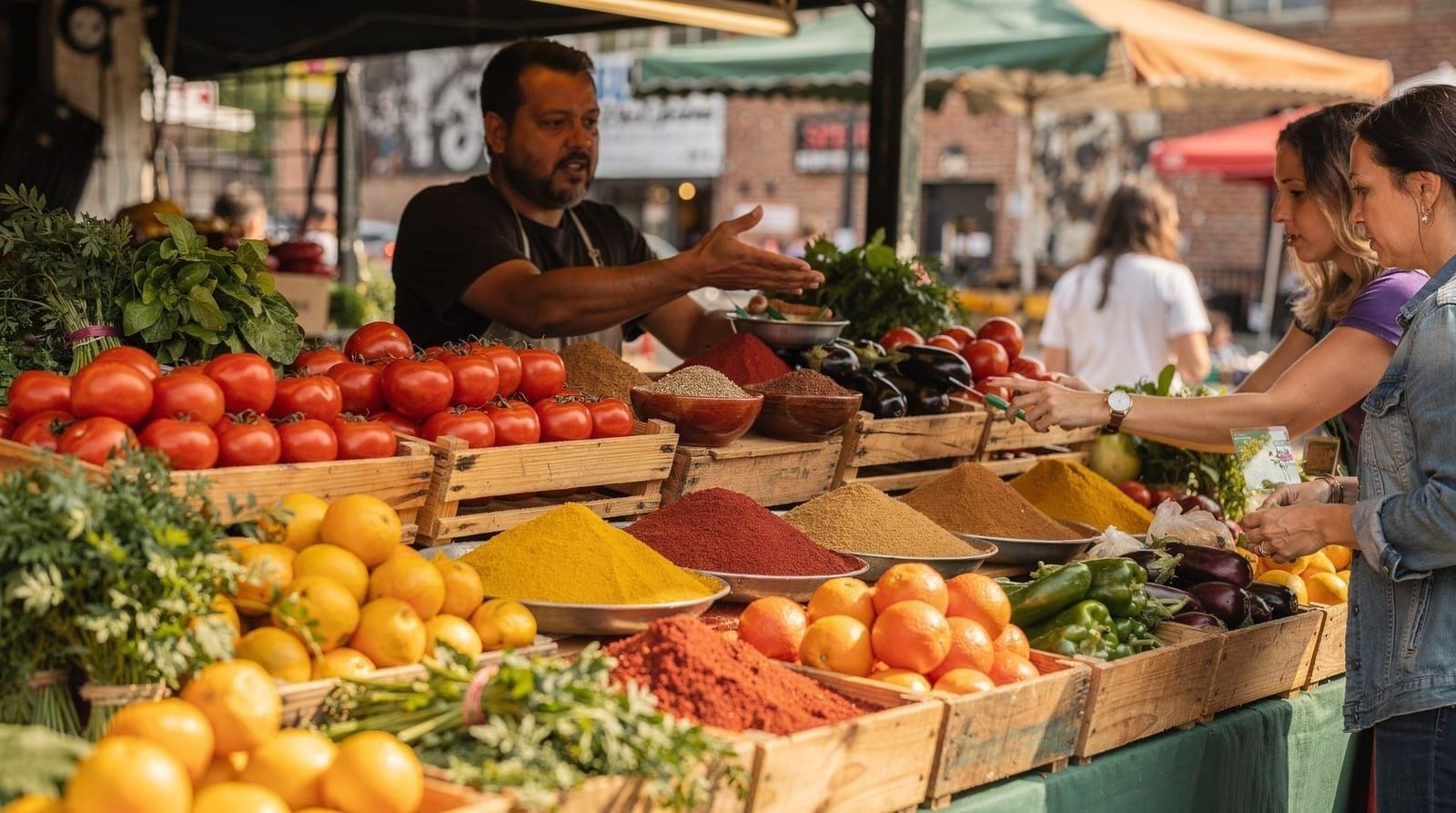
Beyond restaurants, Chinatown’s grocery stores are worth a stop even if you’re not cooking during your trip — they carry produce, sauces, and packaged snacks difficult to find elsewhere in the city, and browsing one for 10-15 minutes gives a genuine sense of the neighborhood’s role as a working commercial hub for Toronto’s Chinese-Canadian community rather than purely a restaurant strip. Several of the larger grocers also have a prepared-food counter selling roast duck, barbecue pork, and other ready-to-eat dishes by weight, a good, cheap option (often under CAD $10) if you want a quick, authentic meal without sitting down at a full restaurant.
Practical notes
- Hours: Most restaurants open by 11am and stay open into the evening, later than many other Toronto food districts, often past 10-11pm.
- Payment: Cards widely accepted; some smaller, older-school spots are cash-preferred — carry CAD $20-30 as a backup.
- Ordering: Don’t hesitate to ask staff for recommendations if a menu feels overwhelming — most restaurants are used to helping visitors navigate an unfamiliar menu.
- Parking: Limited and metered along Spadina; the Kensington Market lots a short walk north are a reasonable backup if you’re driving in.
A brief history of Spadina Avenue’s Chinatown
Toronto’s downtown Chinatown developed along Spadina Avenue starting in the mid-20th century, as the area’s earlier Jewish garment-district population — the same community whose legacy remains visible in a few Kensington Market storefronts — gradually moved elsewhere and Chinese-Canadian immigrants, many arriving after changes to Canadian immigration policy in the 1960s opened the door to increased migration from Hong Kong and mainland China, established businesses along the strip.
The neighborhood grew into one of the largest and most established Chinatowns in North America relative to the city’s overall population, and it has continued to evolve as newer immigration waves — from mainland China, Vietnam, and other parts of Southeast Asia — have added their own restaurants and businesses alongside the original Cantonese-founded core, giving the strip the layered, genuinely diverse character it has today rather than a single static identity frozen in its founding decades.
For visitors who want a wider food crawl
Chinatown and Kensington’s food scenes pair naturally with a broader look at Toronto’s food identity — our Toronto food tours guide covers guided options across several neighborhoods if a single afternoon in Chinatown leaves you wanting more, and St. Lawrence Market food guide is the closest comparison point for a different, market-hall style of food exploration elsewhere downtown.
Frequently asked questions about Chinatown Toronto food
What’s the best dim sum restaurant in Toronto’s Chinatown?
Several sit-down restaurants along Spadina Avenue run strong dim sum service; ask locals or check current reviews for the specific restaurant with the shortest weekend wait, since popularity shifts year to year.
Is Chinatown food in Toronto authentic?
Yes — the neighborhood serves a genuine local Chinese-Canadian community first, which is part of why the food and pricing feel more authentic than some more visitor-oriented food districts elsewhere downtown.
How much does a meal cost in Toronto’s Chinatown?
CAD $10-16 for noodles or a quick meal, CAD $25-40 per person for a full dim sum spread with tea — generally cheaper than equivalent meals in the Distillery District or along Queen West.
Is Chinatown walkable from Union Station?
It’s about a 20-25 minute walk, or a shorter ride on the 505 Dundas or 510 Spadina streetcar from downtown, roughly 10 minutes by transit.
Can I combine a Chinatown visit with St. Lawrence Market in one day?
It’s possible but tight — the two sit on opposite sides of downtown, roughly a 25-30 minute walk or a streetcar ride apart. Most visitors treat them as separate days rather than combining both into a single food-focused outing.
What’s the best time to visit Chinatown for food?
Weekend late morning for dim sum, or any weekday evening for a calmer noodle-house dinner without the weekend brunch crowd.
Top experiences
Bookable activities with verified prices and instant confirmation on GetYourGuide.