Hamilton
Hamilton, Ontario travel guide: waterfalls, Dundas Peak, Royal Botanical Gardens, the craft brewery scene, and how to visit as a day trip from Toronto.
Quick facts
- Distance from Toronto
- 70 km / 45 minutes by car or GO Train
- Nicknamed
- The Waterfall Capital of the World (100+ waterfalls in the area)
- Best known for
- Dundas Peak, Royal Botanical Gardens, craft breweries
- Best time to visit
- May-October for hiking and waterfalls
Ontario’s waterfall capital, 45 minutes from Toronto
| Where | Western end of Lake Ontario, along the Niagara Escarpment |
| Cost | Free trails; Royal Botanical Gardens around C$20-25 |
| Time needed | A full day for waterfalls and downtown; two days with the gardens |
| Getting there | GO Train from Union Station (~45-60 min) or car via QEW |
| Best time | May-October for hiking; September-October for foliage |
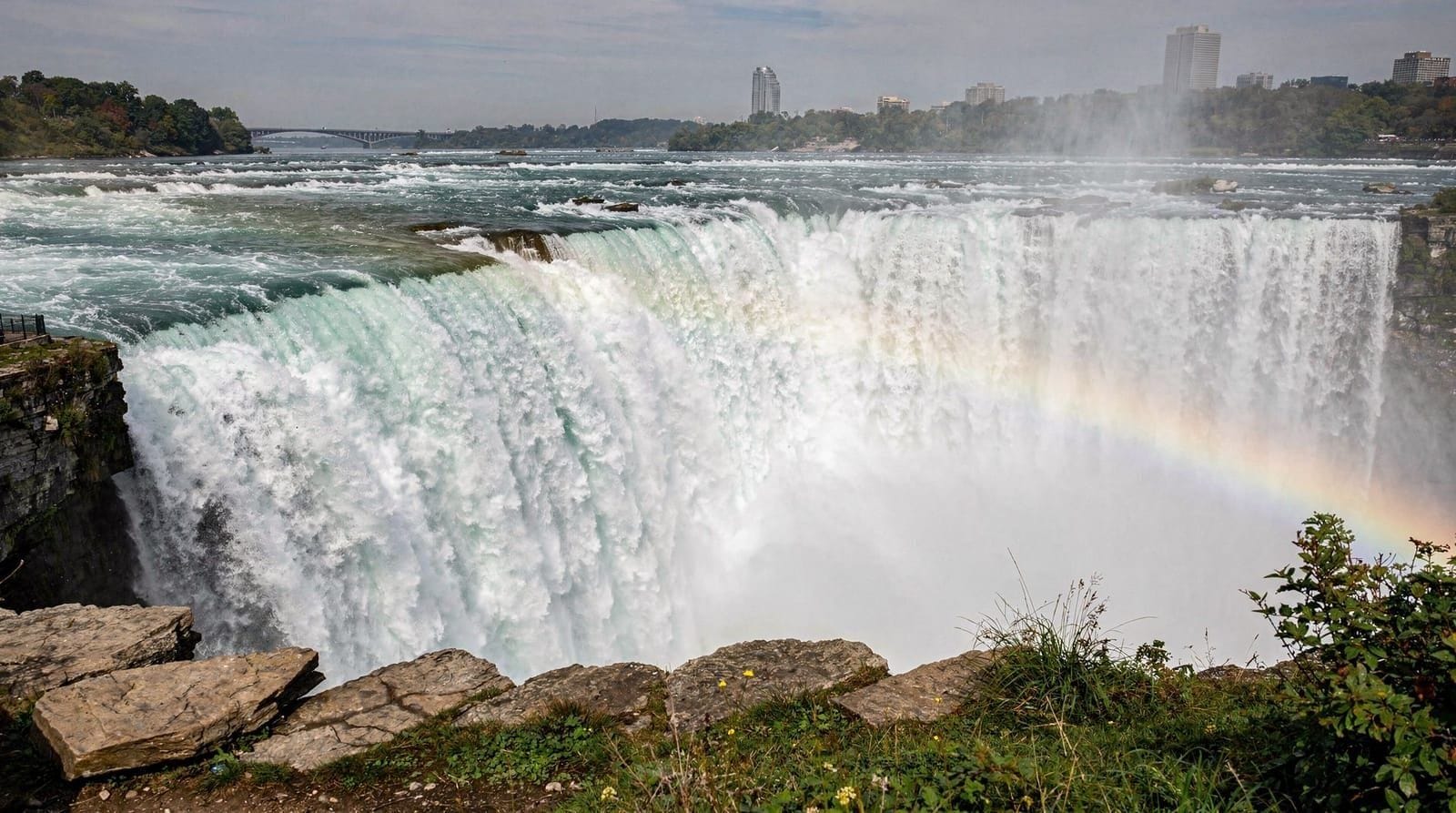
Hamilton sits at the western end of Lake Ontario, built along the Niagara Escarpment — the same limestone ridge that carries Niagara Falls, running through the city and creating more than 100 waterfalls within Hamilton’s boundaries, more than any other city in the world. That geography, plus a steel-town industrial history that’s given way to a genuinely good craft brewery and restaurant scene, makes Hamilton one of the better-value day trips from Toronto: 45 minutes by GO Train, with a mix of outdoor hiking and urban food culture that most nearby towns don’t combine as well.
Locals sometimes bristle at Hamilton being framed purely as a Toronto day trip — it’s a city of half a million people with its own identity, not a suburb — and that’s fair. But for a Toronto-based traveler with a free day and a car or GO Train ticket, Hamilton delivers a genuinely different experience than the city itself, built around the escarpment rather than the lake.
That distinction matters when comparing Hamilton to Toronto’s own outdoor options — High Park or the Toronto Islands offer greenery within the city, but neither has anything resembling a real waterfall hike or an escarpment view. If a genuine hiking day is the goal rather than a city park stroll, Hamilton is the closer, more practical choice than driving further out to Niagara or Muskoka.
Hamilton’s industrial identity, built around steel manufacturing through much of the 20th century, has shaped the city’s character in ways still visible today — a grittier, less polished feel than Toronto’s downtown core, paired with genuinely affordable rents that have allowed independent restaurants, breweries, and galleries to flourish in ways that would be economically difficult in Toronto proper. That combination of blue-collar history and a newer creative economy gives Hamilton a distinct identity worth experiencing on its own terms, not simply as a stopover on the way to Niagara.
Getting there from Toronto
By GO Train: the most convenient option, with direct service from Union Station to Hamilton GO Centre in roughly 45 minutes to an hour depending on the line and time of day. From the Hamilton GO station, several of the waterfall trailheads and downtown attractions are reachable by local bus or a short taxi ride.
By car: about 45 minutes via the QEW, and the more practical choice if you’re planning to visit multiple waterfall trailheads in one day, since they’re spread across different parts of the city and escarpment.
As part of a Niagara road trip: Hamilton sits roughly on the way between Toronto and Niagara Falls, making it a natural stop to break up a longer drive south, though it’s substantial enough to warrant its own day if you want to see more than a single trailhead.
What to actually do in Hamilton
Dundas Peak, part of Spencer Gorge Wilderness Area, is Hamilton’s signature hike — a short, moderately steep trail to a lookout over the Dundas Valley, with Tews Falls (a 41-metre drop, taller than Niagara Falls itself) reachable from the same trailhead. It’s popular enough that the conservation authority now requires a permit and timed parking reservation on weekends between May and October, so booking ahead matters here in a way it doesn’t for most Ontario hikes.
Royal Botanical Gardens, spanning over 2,700 hectares across Hamilton and Burlington, is one of the largest botanical gardens in the world, with formal rose and iris gardens, extensive marshland trails, and a arboretum that peaks with lilacs in late May. It’s a full-day destination on its own if gardens are the priority, or a two-to-three-hour add-on to a waterfall day.
Webster’s Falls, a short drive from Dundas Peak, is a wider, more classically photogenic waterfall than Tews Falls — a 22-metre horseshoe-shaped drop that’s one of the more Instagrammed spots in the region, and correspondingly busy on summer weekends.
Hamilton’s craft brewery scene has grown into a genuine draw in its own right, with a cluster of breweries in the city’s downtown core and James Street North arts district. It pairs naturally with a day of hiking — a post-trail beer flight is close to a local tradition here.
James Street North, Hamilton’s revitalized arts and dining strip, hosts a monthly art crawl and a growing collection of independent restaurants and galleries, worth an evening if you’re staying past the waterfall hikes.
Albion Falls and Devil’s Punch Bowl, two more waterfalls within the city’s escarpment network, offer alternatives to the busier Dundas Peak area with generally shorter walks and less crowded viewing platforms — worth knowing about if Dundas Peak’s parking reservation system doesn’t fit your schedule.
Bruce Trail access, Ontario’s oldest and longest marked hiking trail, runs directly through Hamilton along the escarpment, meaning the city functions as a genuine access point for the wider 900-kilometre trail network stretching from Niagara to Tobermory, not just a collection of standalone waterfall walks.
Where to eat and drink in Hamilton
James Street North anchors much of Hamilton’s dining and drinking scene, with independent restaurants, cafés, and a cluster of craft breweries within easy walking distance of each other — Collective Arts Brewing, one of the better-known Hamilton-based breweries, operates a taproom in this neighborhood, alongside several smaller producers. Locke Street, in the city’s west end, offers a second, quieter dining strip worth exploring if James Street feels too busy on an event weekend.
The city’s food scene overall carries a reputation for being unpretentious and good value relative to downtown Toronto — a byproduct of Hamilton’s working-class steel-town history combined with a newer wave of independent restaurateurs drawn by lower rents than Toronto proper. It’s a genuine strength of the city that pairs naturally with a day of waterfall hiking.
Best time to visit
May through October covers hiking season at its best — Dundas Peak and the escarpment trails are most rewarding with full tree cover and running waterfalls, and the Royal Botanical Gardens’ rose and iris displays peak in June and early July. Fall (September–October) brings strong foliage color along the escarpment, rivaling more remote fall foliage destinations without the multi-hour drive.
Winter access to the waterfall trails is possible but requires care — icy conditions on the escarpment trails are a real hazard, and several trailheads see reduced parking availability. The botanical gardens’ outdoor sections are largely dormant in winter, though indoor conservatory areas stay open.
Practical tips
- Book Dundas Peak parking ahead on weekends between May and October — the conservation authority’s reservation system fills up, and arriving without a booking can mean being turned away entirely.
- Wear real hiking shoes, not sneakers — the escarpment trails have exposed rock and can be slick even in dry weather.
- Combine waterfalls with breweries rather than trying to do the Royal Botanical Gardens the same day; each is roughly a half-day commitment on its own.
- GO Train works well if you’re not driving between multiple trailheads — downtown Hamilton, the brewery district, and James Street North are all reachable without a car once you’re at the station.
- Hamilton is not Toronto — locals notice when visitors treat it purely as a day-trip footnote, and the city’s own downtown, arts scene, and food culture reward a slower, more intentional visit if you have the time.
Where this fits in a longer trip
Hamilton works well as a standalone day trip or as a stop on the way to Niagara Falls, given its position roughly between Toronto and the Niagara region. It also pairs naturally with other Greater Toronto Area destinations like Mississauga or Markham if you’re exploring the wider GTA beyond downtown Toronto. For a broader hiking-focused trip, our guides cover the region in more depth.
Related guides: the dedicated Hamilton waterfalls day trip guide goes deeper on trailheads and timing, Dundas Peak Hamilton hiking guide covers the permit system and trail specifics, and things to do in Hamilton rounds out the wider city beyond the waterfalls. If breweries are the priority, see best breweries in Toronto for a regional comparison. Drivers heading onward to Niagara should check driving from Toronto to Niagara, since Hamilton sits along that same route.
Hamilton’s waterfalls compared
Not every Hamilton waterfall suits every plan — some need advance booking, others are quieter walk-up alternatives.
| Waterfall | Height/style | Booking needed |
|---|---|---|
| Tews Falls | 41m drop, taller than Niagara | Weekend permit (May-Oct) |
| Webster’s Falls | 22m horseshoe, most photogenic | Weekend permit (May-Oct) |
| Albion Falls | Wide, easy viewing platform | No |
| Devil’s Punch Bowl | Shorter walk, less crowded | No |
If the Dundas Peak reservation system doesn’t line up with your schedule, Albion Falls and Devil’s Punch Bowl are genuine alternatives rather than a downgrade — worth remembering on a spontaneous visit rather than assuming Dundas Peak is the only option.
A one-day Hamilton plan
Start at Dundas Peak or Webster’s Falls in the morning while trails are quiet and light is best for photos, then head into downtown or James Street North for lunch. Spend the early afternoon at the Royal Botanical Gardens if time allows, or add a second waterfall like Albion Falls instead if you’re prioritizing hiking over gardens. Finish with a brewery flight on James Street North — Hamilton’s craft beer scene rewards ending the day here rather than rushing straight back to Toronto.
Frequently asked questions about Hamilton
Do I need a reservation for Dundas Peak?
Yes, on weekends between roughly May and October, the Hamilton Conservation Authority requires a timed parking reservation for Spencer Gorge Wilderness Area, which includes Dundas Peak and Tews Falls. Weekday visits are generally more flexible, but booking ahead is safer year-round given how popular the trail has become.
How many waterfalls can I see in one day in Hamilton?
Two to three is realistic if you want proper time at each — Tews Falls and Webster’s Falls are close enough together to combine easily, and a third stop (like Albion Falls or Devil’s Punch Bowl) is doable if you’re not also planning the botanical gardens or breweries the same day.
Is Hamilton worth visiting if I’ve already done Niagara Falls?
Yes — Hamilton’s waterfalls are smaller in scale but the hiking and escarpment scenery are genuinely different from Niagara’s boat-tour, tourist-infrastructure experience. It’s a quieter, more outdoorsy day, and the city itself (breweries, James Street North) adds an urban dimension Niagara Falls doesn’t have.
Can I visit Hamilton without a car?
Yes, using the GO Train from Union Station, though you’ll be more limited to downtown attractions, the brewery district, and whichever single trailhead is reachable by local bus. A car gives much more flexibility for combining multiple waterfall trailheads in one day.
Is the Royal Botanical Gardens worth a full day?
If gardens are a genuine interest, yes — the site is large enough (2,700+ hectares) to fill a full day between the formal gardens, arboretum, and marshland trails. If you’re mainly there for a quick walk, two to three hours covers the highlights, particularly the rose garden in June.
What’s the best time of year for Hamilton’s waterfalls?
Spring (April–May) brings the highest water volume after snowmelt, making the falls most dramatic, while fall (September–October) offers the best combination of good water flow and comfortable hiking weather with strong foliage color. Summer is reliable but the falls run lower after a dry stretch.
Are Albion Falls and Devil’s Punch Bowl worth visiting instead of Dundas Peak?
Yes, particularly if Dundas Peak’s weekend reservation system doesn’t fit your plans — both offer genuine waterfall views with generally shorter walks and less demand for advance booking, making them a practical alternative rather than a downgrade.
Does the Bruce Trail run through Hamilton?
Yes — Hamilton sits along Ontario’s Bruce Trail, the province’s oldest and longest marked footpath, running roughly 900 kilometres from Niagara to Tobermory along the escarpment. The city’s various waterfall trails connect to sections of this larger network for hikers wanting a longer route beyond a single waterfall loop.
Is Hamilton a good stop between Toronto and Niagara Falls?
Yes, though it’s substantial enough to deserve its own day rather than a quick pass-through — Hamilton sits roughly on the route via the QEW, so a full waterfall-and-brewery day here works well either as a standalone trip or split across a longer Niagara-bound road trip if you have more than a single day to spend.