Best time to see Niagara Falls illuminated
The falls have been lit at night since 1860, and the schedule still shifts by season
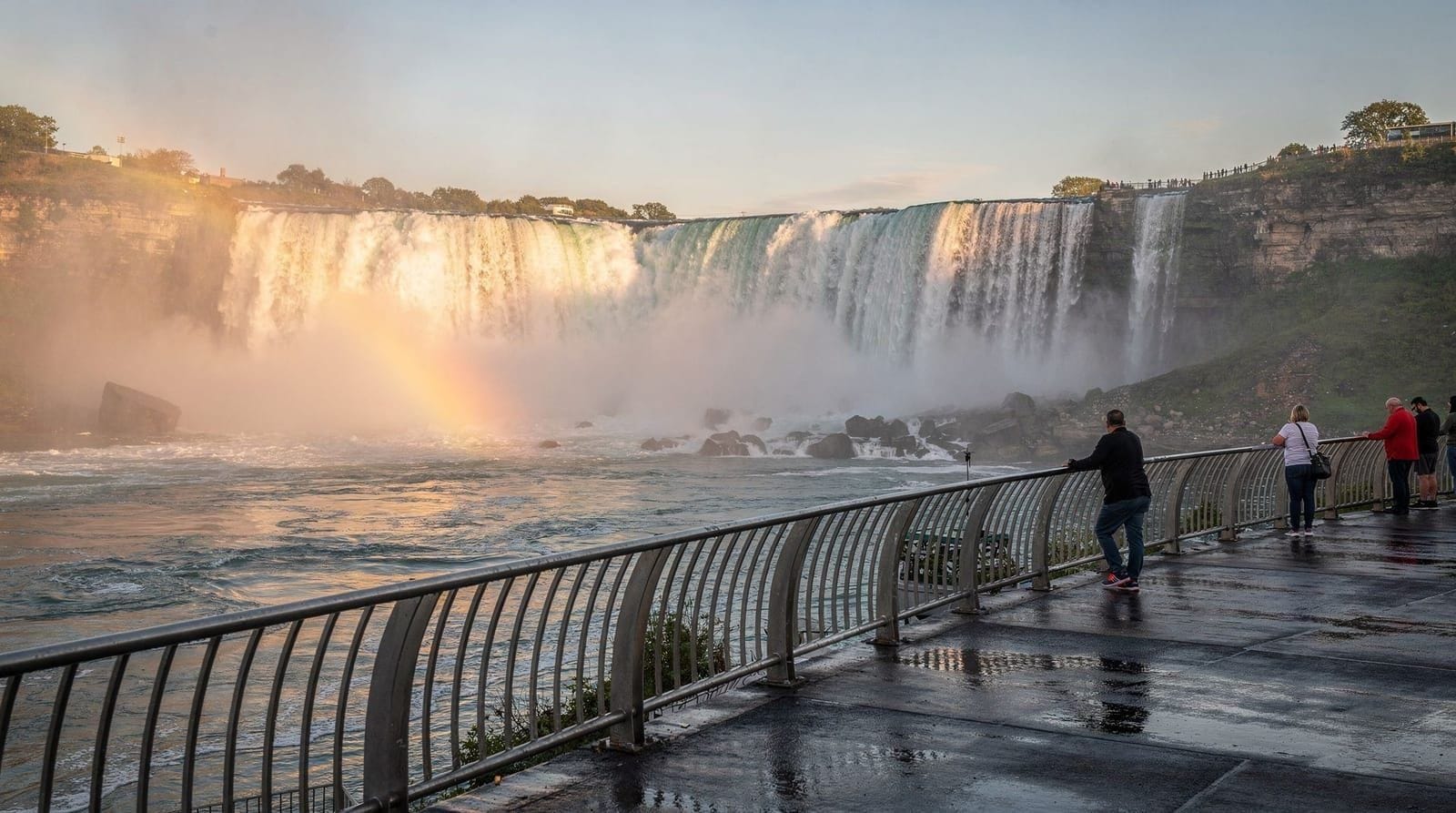
Niagara Falls has one of the longest-running illumination traditions of any natural landmark in the world — the first attempt at lighting the falls dates back to 1860, and the modern system, now using LED floodlights capable of a wide colour range, illuminates both Horseshoe Falls and American Falls nightly, year-round, weather permitting. What surprises most first-time visitors is that the illumination schedule genuinely changes with sunset time, and that the “best” night to see it depends heavily on what you’re actually trying to see — pure colour saturation, fireworks paired with the lights, or the quieter off-season version with far fewer people on the promenade.
| Where | Public promenade, Niagara Falls, Ontario |
| Cost | Free from the promenade; paid add-ons $55-150 CAD |
| Best season | Winter for early lighting + thin crowds; late Sept-Oct for balance |
| Getting there | ~1.5hrs by car or day tour from Toronto |
| Booking | Advance recommended for fireworks cruises and dinner packages |
How the nightly schedule actually works
Illumination begins at dusk and runs for several hours, with the exact start time shifting month to month to track sunset — roughly 9pm in peak summer, closer to 5-6pm in winter. The lights typically run in 20-30 minute colour cycles through the evening, moving through a sequence of single colours and combinations rather than staying fixed on one hue, which is worth knowing if you arrive expecting an instant dramatic shot and find the falls momentarily lit in a colour that doesn’t photograph as well as you’d hoped — patience through one full cycle usually solves that.
Winter is genuinely the best season for illumination viewing
This is the least intuitive fact about Niagara’s lighting, but it holds up: winter is the strongest season to see the falls illuminated, for two compounding reasons. First, ice and mist accumulation on the surrounding rock and railings creates a genuinely different visual texture that catches the coloured light in ways summer’s open water doesn’t. Second, and more practically, winter’s earlier sunset means the illumination starts around 5-6pm rather than 9pm, meaning a normal dinner-hour visit lands you at the falls during peak lit hours without having to stay out until near-midnight the way a July visit requires.
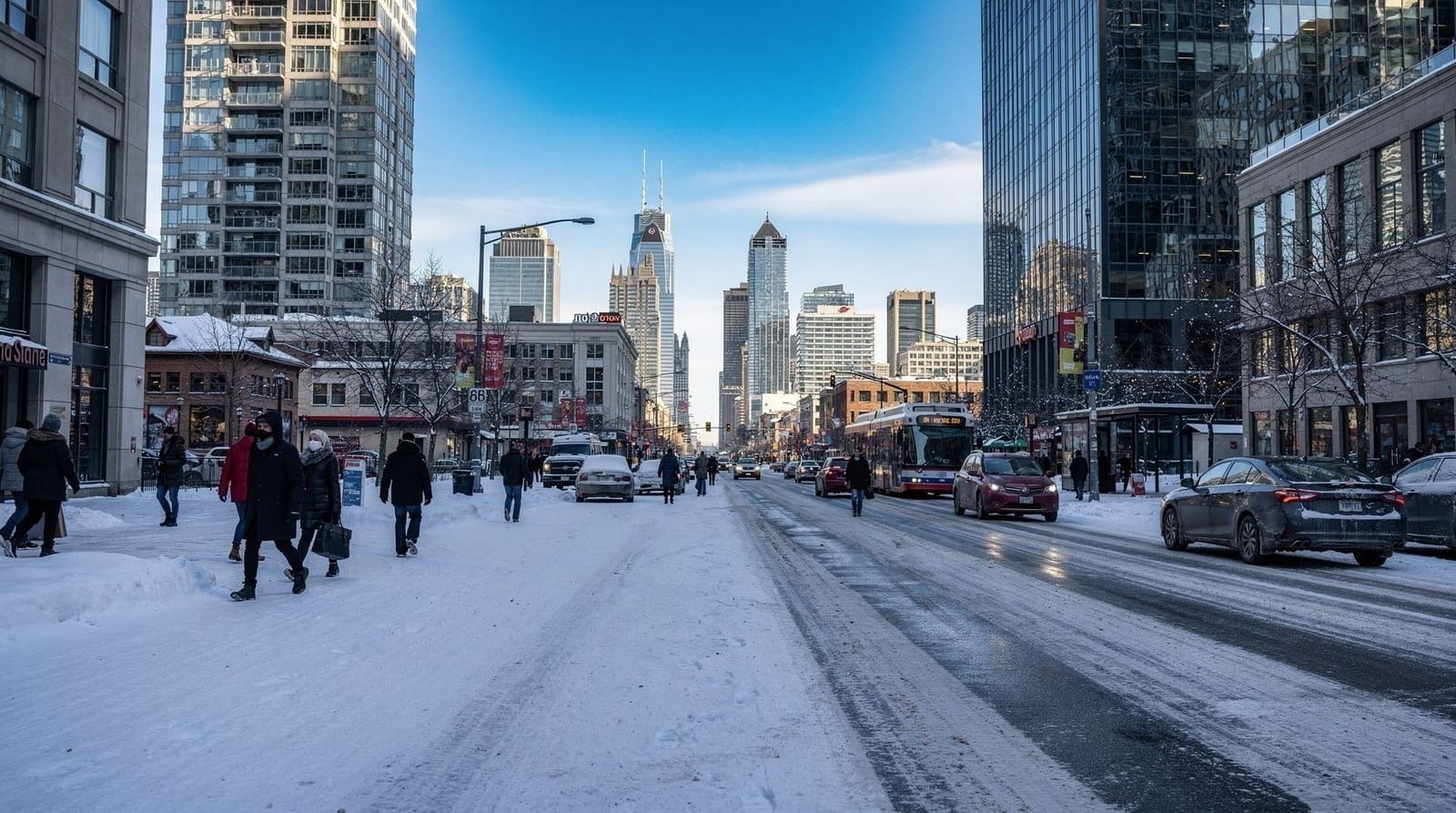
The trade-off is cold — genuinely cold, often -10°C or below along the exposed gorge-edge promenade — and that several major paid attractions, including Journey Behind the Falls and the Hornblower boat cruise, close for the season from roughly November through April, so a winter illumination trip pairs better with the free promenade view than with the full paid-attraction lineup.
Fireworks nights concentrate the crowds
Niagara Parks runs scheduled fireworks displays over the falls on a recurring basis through the summer season, typically Friday and Sunday evenings in peak months plus holiday dates, and these nights draw noticeably larger promenade crowds than a standard illuminated evening — worth planning around rather than stumbling into if a quieter view is the priority. The Niagara Falls evening illuminations and fireworks cruise puts you on the water for exactly this combination, which solves the crowd problem by putting you on a boat rather than jostling for promenade space, though it only runs on the scheduled fireworks nights and books up in advance during summer.
The dinner-and-lights combination
For a lower-key evening that still catches peak illumination, several Niagara Falls restaurants along the gorge edge and atop the Skylon Tower offer dinner with a falls view timed to the lights — the evening lights tour with Skylon Tower dinner bundles the observation deck, dinner, and the timing to be seated during the best illuminated window, without requiring you to stand outside in whatever the season’s weather happens to be doing.
A more active alternative, the night walking tour with fireworks cruise and dinner, combines a guided walk along the illuminated promenade with the boat and dinner elements in one longer evening.
Best months for a first-time illumination visit
If flexibility allows, late September through October offers a reasonable middle ground: sunset lands early enough that illumination starts at a civilized hour (around 7pm), the weather is still manageable for standing outside for twenty or thirty minutes, and crowd levels have dropped noticeably from the July-August peak. Pure winter (January-February) gives the best combination of early lighting and thin crowds but demands serious cold-weather gear; pure summer gives long, warm evenings but pushes illumination start times close to bedtime for anyone with an early morning planned the next day.
What it costs
Viewing the illuminated falls from the public promenade is free and requires no ticket — this is one of Niagara’s genuine no-cost highlights. The paid add-ons are what cost money: fireworks cruises run roughly $55-75 CAD per person, Skylon Tower dinner packages start around $90-130 CAD depending on the menu tier, and standard evening sightseeing tours from Toronto that include illumination viewing typically run $90-150 CAD including transport.
Photography tips specific to the illuminated falls
Shooting the illuminated falls well takes a bit more preparation than a daytime shot. A tripod is genuinely useful given the longer exposure times low-light photography requires, though handheld shots with a modern phone’s night mode do reasonably well in a pinch.
The colour cycle mentioned earlier means timing matters — a shot taken mid-transition between colours can look muddy compared to one taken during a stable, saturated phase, so waiting through a couple of cycles rather than shooting the first colour you see generally produces better results. Mist off the falls is a genuine hazard for camera gear regardless of season; a microfiber cloth and, ideally, a rain cover or plastic bag for the camera body are worth carrying, since spray carries further on windy nights than most visitors expect.
How illumination compares to the daytime falls experience
Visitors doing both a daytime and evening visit consistently describe them as different experiences rather than one being a lesser or better version of the other — daytime shows the falls’ scale and power more clearly, since you can see the full volume of water and the surrounding gorge in detail, while the evening illumination trades some of that legibility for atmosphere and colour that daytime simply doesn’t offer. If only one visit is possible, daytime is the more informative choice for understanding the falls’ geography; evening is the more purely scenic, photograph-friendly one. Doing both, ideally with a dinner reservation bridging the transition from daylight to dusk, is the version most repeat visitors recommend if time allows.
Combining illumination viewing with a full Niagara day
Most visitors build an illumination viewing into the tail end of a full day trip from Toronto rather than a dedicated evening trip on its own, given the 1.5-hour drive each way. A day that starts with Journey Behind the Falls or the boat tour in the morning, moves through Niagara-on-the-Lake wine country in the afternoon, and returns to the falls for illumination viewing before the drive back covers the region’s highlights without requiring an overnight stay — see our Niagara Falls day trip from Toronto guide for the full itinerary structure.
Weather factors that can affect a visit
Fog and heavy mist, more common in spring and fall shoulder seasons, can occasionally soften or partially obscure the illuminated view, an honest caveat worth knowing before building a whole evening around it. Checking the same-day forecast isn’t a bad idea for anyone planning a special-occasion visit, though even a partially misty evening still delivers a genuinely striking, moodier version of the same lit falls rather than a wasted trip.
Illumination viewing by season, at a glance
| Season | Start time | Crowds | Trade-off |
|---|---|---|---|
| Winter (Jan-Feb) | ~5-6pm | Thinnest | Several paid attractions closed; genuinely cold |
| Late Sept-Oct | ~7pm | Moderate | Best overall balance of light, weather, crowds |
| Summer (Jun-Aug) | ~9pm | Heaviest, especially fireworks nights | Long warm evenings but a late start |
| Spring/fall shoulder | Varies | Lower | Fog and mist can soften the view |
Getting there from Toronto for an evening visit
Most illumination trips from Toronto are built as day trips that run into the evening rather than a dedicated night-only outing, given the roughly 1.5-hour drive each way. Self-driving gives full control over how long you stay for the lights, while a guided day tour timed to include the illumination window removes the parking and driving-at-night factor, worth weighing if an evening drive back after dark isn’t appealing. See our Niagara Falls day trip from Toronto guide for the full logistics either way, and our guide to avoiding Niagara Falls crowds if daytime crowding is also a concern on the same visit.
Frequently asked questions about seeing Niagara Falls illuminated
What time does the Niagara Falls illumination start?
Illumination begins at dusk, which shifts seasonally — roughly 9pm in peak summer and 5-6pm in winter. Check the current Niagara Parks schedule before your visit since exact times adjust with sunset.
Is winter really the best time to see the illuminated falls?
For pure lighting and crowd conditions, yes — winter’s earlier sunset and ice-textured surfaces make for a striking view without needing to stay out past normal dinner hours, though several paid attractions close for the season and the cold is significant.
Do I need to pay to see the illuminated falls?
No — viewing from the public promenade along the gorge is free. Paid options like fireworks cruises and Skylon Tower dinners add a different vantage point but aren’t required to see the lights.
When do the Niagara Falls fireworks run?
Niagara Parks schedules fireworks displays on a recurring basis through the summer season, typically Friday and Sunday evenings plus holidays; confirm the current schedule before planning around a specific date since it can shift.
Is the illuminated falls view better from the Canadian or US side?
The Canadian side (Niagara Falls, Ontario) offers the classic head-on view of both Horseshoe Falls and American Falls together, which is why nearly all illumination viewing and fireworks cruises operate from that side. Our Niagara Falls Canada vs USA side guide has the full comparison if you’re deciding which side to base an evening around.