Renting a car in Ontario guide
Do I need a rental car to visit Ontario?
Not for Toronto itself, where the TTC covers everything — but yes for Muskoka, Algonquin, Blue Mountain, and Prince Edward County, none of which have meaningful public transit. Niagara, Hamilton, Stratford, and Ottawa are reachable by GO Transit or VIA Rail without a car.
When you need a car in Ontario, and when you genuinely don’t
Ontario’s regions split cleanly into two categories for transportation planning: places well served by transit, and places that are effectively car-dependent. Getting this right before you book anything saves both money and hassle — renting a car you don’t need means paying for parking you don’t want in downtown Toronto, while skipping a rental for a Muskoka or Algonquin trip means discovering, too late, that there’s no bus to the trailhead. This guide covers when to rent, what it costs, and the practical rules for driving in Ontario as a visitor.
| Skip a car for | Toronto, Niagara, Hamilton, Stratford, Ottawa, Kingston |
| Need a car for | Muskoka, Algonquin, Blue Mountain, Prince Edward County |
| Cost | Around CAD $50-90/day, plus 13% HST and optional CDW |
| License | Home license usually valid; some countries need an IDP |
| Watch for | Highway 407 tolls billed electronically after the fact |
Where you don’t need a car
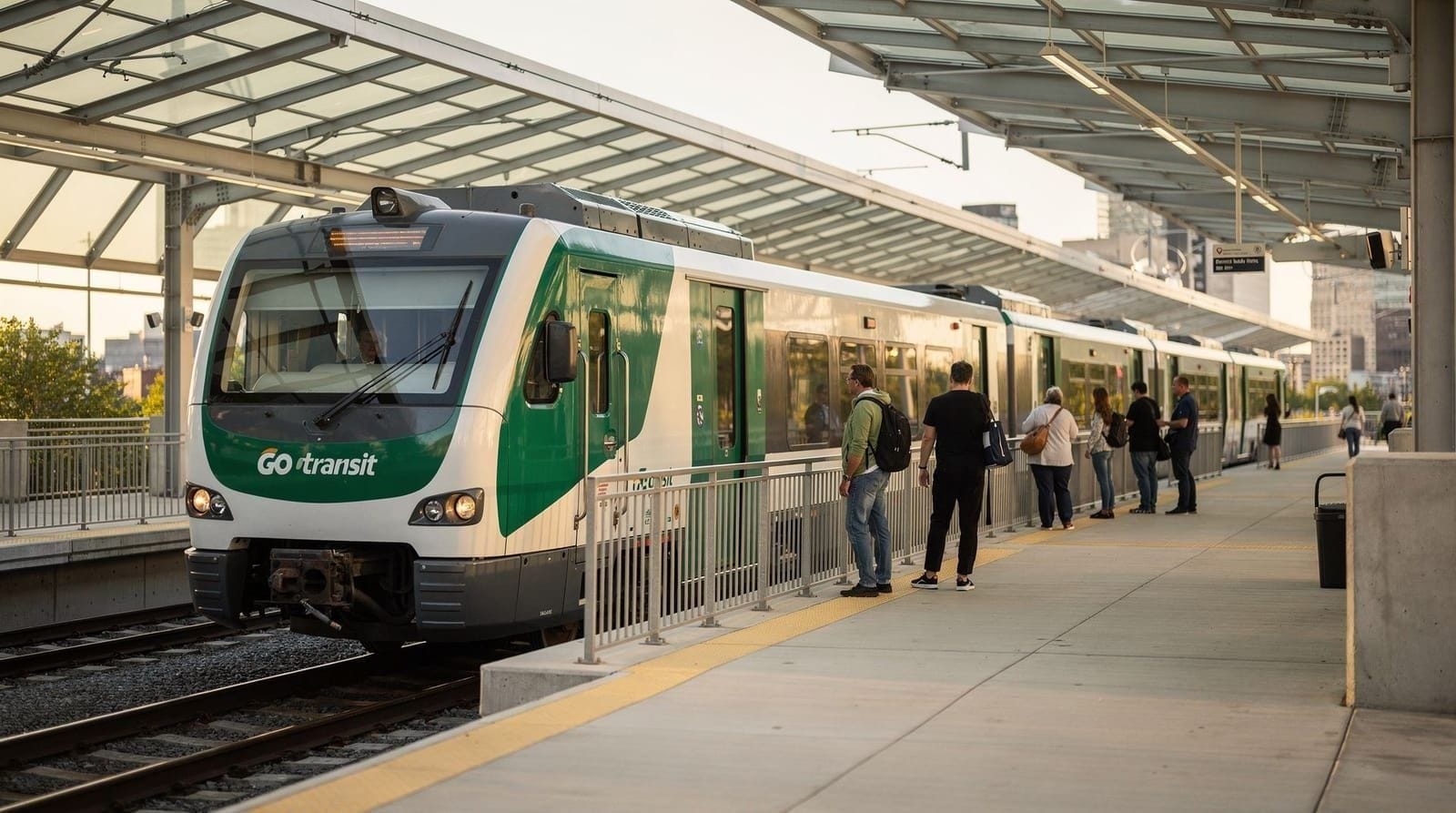
Toronto itself doesn’t require a rental car — the TTC covers downtown and most neighborhoods thoroughly, and parking downtown runs $20-40 CAD per day at paid lots, often more than a rental car’s daily rate once you add that cost in. Niagara Falls, Hamilton, and Stratford are all reachable by GO Transit, with local WEGO shuttle service covering the Niagara Parkway once you arrive at the falls. Ottawa and Kingston are reachable by VIA Rail, with walkable downtown cores at each destination.
Where you genuinely need a car
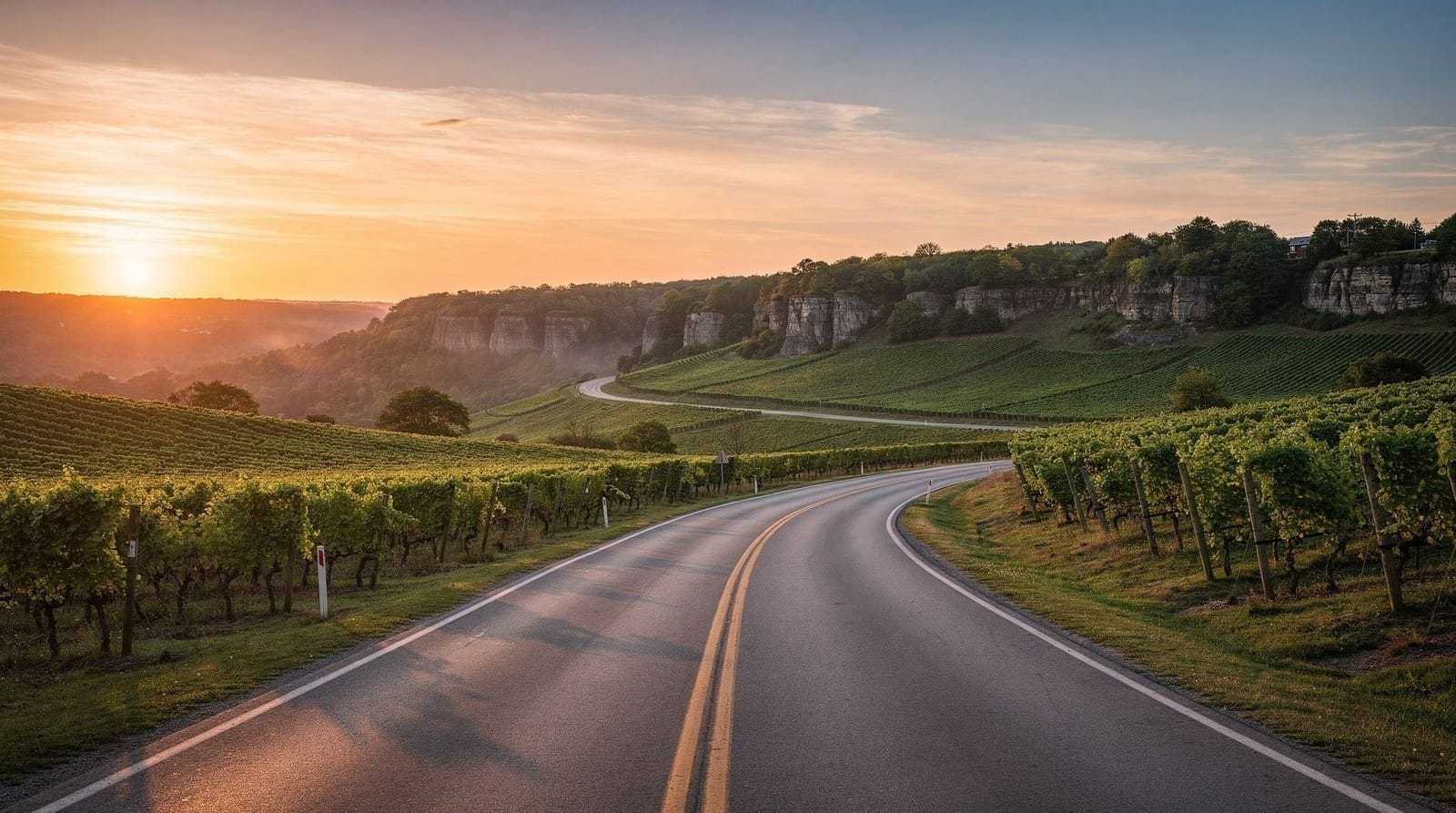
Muskoka, Algonquin Provincial Park, Blue Mountain, and Prince Edward County have no meaningful public transit connecting Toronto to the region or covering the region’s spread-out attractions once you’re there — lakes, trailheads, and wineries in these areas sit kilometers apart with no bus route linking them. If any of these destinations are part of your itinerary, budget for a rental car (or a guided tour with included transport, if you’d rather not drive) for that portion of your trip.
Rental car costs in Ontario
Economy car rentals typically run $50-90 CAD per day depending on season, with July-August and long weekends pushing toward the higher end due to demand. Add mandatory taxes (13% HST) and, if you decline your existing auto insurance or credit card coverage, the rental company’s collision damage waiver, which can add $25-40 CAD per day — a meaningful cost that’s worth checking against your existing coverage before automatically accepting it at the counter. Airport rentals at Pearson often carry a modest airport concession fee on top of the base rate, sometimes making a downtown pickup location marginally cheaper if your itinerary allows for it.
License requirements for visitors
Most visitors can drive in Ontario using their home country’s valid driver’s license for up to a set period (generally aligned with typical tourist visa/eTA validity), though rules vary by country of origin — US and most European licenses are accepted directly, while some countries require an International Driving Permit (IDP) alongside your home license. Check Ontario’s current rules for your specific country before your trip, and if an IDP is recommended, arrange it before departure, since it typically needs to be issued in your home country and can’t be obtained after arrival in Canada.
Insurance: what’s actually required
Ontario requires minimum liability insurance for all vehicles on the road, which rental companies build into their base rate. The real decision is around the collision damage waiver (CDW) covering damage to the rental vehicle itself — some travel credit cards include this coverage automatically when you use the card to pay for the rental (check your specific card’s terms before travel, since coverage varies significantly), and some travel insurance policies cover it as well. If neither applies to you, the rental counter’s CDW, while pricier, removes real financial risk from an unfamiliar-road accident or a scraped bumper in an unfamiliar parking structure.
Driving basics for visitors: what’s different in Ontario
Ontario drives on the right-hand side of the road, standard for most of the world outside the UK, Australia, Japan, and a handful of other countries — if you’re coming from a left-hand-drive country, budget extra caution for your first day, particularly at intersections and when merging. Speed limits are posted in kilometers per hour, not miles — a genuinely important distinction if your instincts are calibrated to mph, since Ontario highway speeds (100-110 km/h on most 400-series highways) translate to roughly 60-68 mph, not the higher number your gut might expect if you’re not actively converting.
Right turns on red are permitted after a full stop unless specifically posted otherwise, similar to most of the US. Winter driving conditions (roughly November through March, sometimes extending into April in northern regions like Muskoka and Algonquin) can include snow and ice on highways and rural roads — if you’re renting during this window, confirm winter tires are included (Ontario doesn’t legally mandate them the way Quebec does, but responsible rental companies typically fit them seasonally) and drive more cautiously than you would on dry summer roads.
Highway tolls: the 407 ETR
Ontario’s Highway 407 (the 407 ETR, a privately operated toll highway that arcs around the northern edge of the Greater Toronto Area) charges tolls based on distance traveled and time of day, and — a genuine trap for visitors — the toll isn’t collected at a booth; it’s tracked electronically and billed to the vehicle’s plate, which for a rental car typically means the rental company bills your card afterward, often with an added administrative fee on top of the toll itself. If your route can reasonably use the free 401 or 400 series highways instead without significantly extending travel time, it’s usually worth avoiding the 407 unless the time savings genuinely matter for your schedule.
Parking outside Toronto
Once you’re outside the downtown core, parking becomes considerably easier and cheaper — most day-trip destinations covered on this site (Niagara-on-the-Lake, Muskoka towns, Prince Edward County wineries) offer free or low-cost parking at the attraction itself. The exception is peak-season Niagara Falls, where paid parking near the falls can run $20-30 CAD per day during summer weekends — arriving early or using the WEGO shuttle system from a cheaper outer parking area is a common workaround locals and repeat visitors use.
One-way rentals and drop-off fees
If your itinerary involves picking up a car in Toronto and dropping it off elsewhere (Ottawa, for a one-way trip continuing onward, for instance), most major rental companies support this but charge a one-way drop-off fee that can be substantial depending on the distance and specific locations involved — check this cost before booking, since it sometimes makes a round-trip rental with a separate onward VIA Rail or GO Transit leg more economical than a one-way car rental.
Choosing between a compact car and something larger
For solo travelers or couples sticking to paved roads and small-town parking, a compact or economy car is genuinely sufficient across every region covered on this site, including Muskoka and Algonquin’s main access roads. Larger groups, or anyone planning to explore unpaved cottage-country side roads (common in parts of Muskoka and around some Algonquin access points), benefit from a mid-size SUV both for cargo space and slightly higher ground clearance. Full four-wheel-drive is rarely necessary outside of winter driving on rural roads, and most visitors renting in the warmer months don’t need it.
Fuel costs and where to fill up
Gas prices in Ontario fluctuate with global oil markets but generally run somewhat higher than typical US prices when converted to a per-liter-to-per-gallon comparison, partly due to Canadian fuel taxes. Prices are typically lower in Toronto and other larger centers than in remote cottage-country areas like deep Muskoka or near Algonquin’s access points, where the nearest gas station can be a genuine planning consideration — fill up before heading into more remote stretches of highway rather than assuming a station will appear when you need one, particularly on evening or early-morning drives through less populated stretches of Highway 60 or 11.
Returning your rental: fuel policy and inspection
Most Ontario rental agreements use a “full-to-full” fuel policy, requiring you to return the car with a full tank or face a refueling charge that’s typically well above the actual market fuel price — factor in time to find a gas station near your drop-off location before returning the vehicle. Rental companies conduct a walk-around inspection at both pickup and return; photographing the vehicle’s condition yourself at pickup, particularly any existing scratches or dents, is a reasonable precaution that can save a dispute over pre-existing damage at return.
Frequently asked questions about renting a car in Ontario
Do I need an International Driving Permit to drive in Ontario?
It depends on your country of origin — many visitors can use their home license directly for a tourist-length stay, while others need an IDP alongside it. Check Ontario’s current requirements for your specific country before traveling, since an IDP must be arranged before departure.
Is a rental car necessary for a Toronto-only trip?
No — the TTC covers the city thoroughly, and downtown parking costs often exceed a rental car’s daily rate, making a car a net negative for a Toronto-only itinerary.
What Ontario destinations require a rental car?
Muskoka, Algonquin Provincial Park, Blue Mountain, and Prince Edward County all lack meaningful public transit and require a car (or a guided tour with transport) to visit properly.
Should I avoid Highway 407 in a rental car?
Generally yes, unless the time savings are significant for your schedule — tolls are billed electronically to the rental company, which typically adds an administrative fee on top of the actual toll cost.
Does my rental car come with winter tires in Ontario?
Ontario doesn’t legally mandate winter tires the way Quebec does, but reputable rental companies typically fit them seasonally for winter rentals — confirm this specifically if you’re renting between November and March.
Is it cheaper to rent a car at Pearson Airport or downtown Toronto?
Airport rentals often carry a modest concession fee on top of the base rate, so a downtown pickup location can be marginally cheaper if your itinerary allows for it, though the difference is usually modest enough that convenience should be the deciding factor.
Do I need a bigger vehicle for Muskoka or Algonquin?
A standard compact or economy car handles the main paved access roads fine for most itineraries. A mid-size SUV is worth considering if you’re planning to explore unpaved cottage-country side roads or are traveling as a larger group with more luggage.
What fuel policy do Ontario rental companies typically use?
Most use a “full-to-full” policy requiring you to return the car with a full tank, or face a refueling charge well above market fuel prices — plan your return route to pass a gas station before dropping off the vehicle.
Should I rent a car just to get from Pearson Airport to downtown?
No — see the Pearson Airport to downtown guide for why UP Express, GO Bus, or a taxi are all cheaper and less stressful for that specific transfer than a rental.