Prince Edward County
A wine county on an island, ringed by sand beaches — how to plan a weekend in Prince Edward County without the Niagara crowds.
Toronto: Private Prince Edward County Wine Day Tour
Quick facts
- Distance from Toronto
- 2.5 hours (200 km) by car
- Wineries
- 40+, mostly small and family-run
- Best base
- Picton or Wellington
- Peak season
- June to October
Why an island county became Ontario’s second wine region
Prince Edward County sits on a limestone island connected to the mainland by two bridges, cut off from the highway noise that runs through Niagara.
| Where | Prince Edward County, ~200 km / 2.5 hrs from Toronto |
| Cost | Around $150–350 CAD/night peak season; tastings $10–20 |
| Time needed | 2 full days for wine, beach and a slow dinner |
| Getting there | Car required; nearest VIA Rail is Belleville, ~25 min away |
| Best time | Late June–early October, September for harvest and thinner crowds |
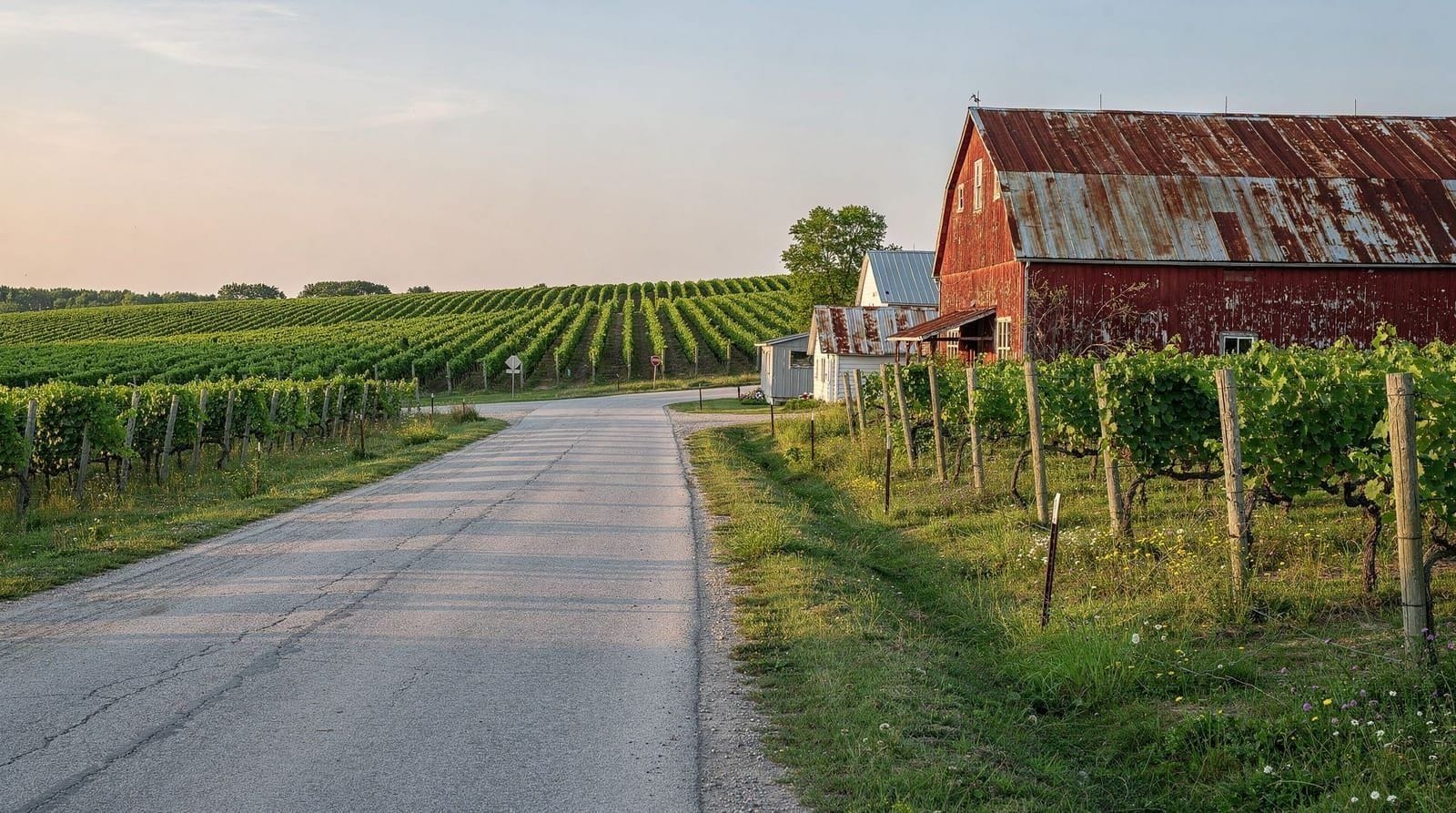
The county was farm country long before it was wine country. Dairy barns and canning factories (the “County” once processed most of Ontario’s canned tomatoes) still outnumber tasting rooms, and that agricultural backbone shows up on every restaurant menu. Chefs here talk about which farm supplied the lamb the way sommeliers elsewhere talk about vintage.
Most first-time visitors base themselves in Picton, the county’s largest town, and structure two days around three things: wineries, Sandbanks Provincial Park, and a slow dinner. That’s a realistic amount to cover without rushing — the county rewards an unhurried pace more than almost anywhere else within day-trip range of Toronto.
Getting there from Toronto
The drive is 2.5 hours (about 200 km) via Highway 401 east to Highway 49 south, or the slightly longer but prettier County Road 1 route through Picton. There’s no direct train or bus service into the county itself — VIA Rail stops in Belleville, 25 minutes north, but you’ll need a car or rideshare from there, and car rentals in Belleville are limited. In practice, this is a driving destination: budget for a rental car if you don’t have one, since almost every winery and beach is spread along rural roads with no transit connection.
If you’re combining the county with Thousand Islands or Kingston further east, the drive between Picton and Kingston is about 1 hour along Highway 33 and Highway 401 — a natural pairing for a longer Ontario road trip.
Wine tasting without the tour-bus feel
The county has more than 40 wineries, most producing fewer than 5,000 cases a year — tiny by Niagara standards. Chardonnay and Pinot Noir dominate because of the cool climate, and several producers (Norman Hardie, Closson Chase, The Grange of Prince Edward) built their reputations specifically on cool-climate Pinot that rivals Burgundy in style if not in price. Tasting fees run $10–20 CAD, usually waived with a purchase, and most rooms are open by appointment on weekdays and walk-in on weekends from May through October.
Because tasting rooms are spread across county roads rather than concentrated on one strip, a designated driver or a guided tour matters more here than in Niagara. For visitors coming from Toronto without a car, or who’d rather not worry about driving between six wineries, a private day tour from Toronto to Prince Edward County handles the round trip and stops at a curated set of producers — a straightforward way to taste widely in one day without the logistics.
Unlike Niagara’s wine country, where big-production wineries sometimes feel more like event venues than farms, most County producers are still hands-on: you’re likely to be poured by the winemaker, not a hospitality staffer reading from a script.
Picton: the county’s town center
Picton is where most visitors sleep and eat. Main Street has a walkable strip of restaurants, bakeries, and boutiques, anchored by the Regent Theatre, a restored 1920s cinema that still screens films and hosts live music. Picton’s food scene has outsized ambition for a town of 4,500 people — restaurants like Merrill House and The Manse pull from the county’s farms and lake, and reservations matter on summer weekends.
Picton is also the practical base for beach trips: Sandbanks is a 15-minute drive south, and most of the county’s wineries are within a 20-minute radius.
Sandbanks and the county’s beach culture
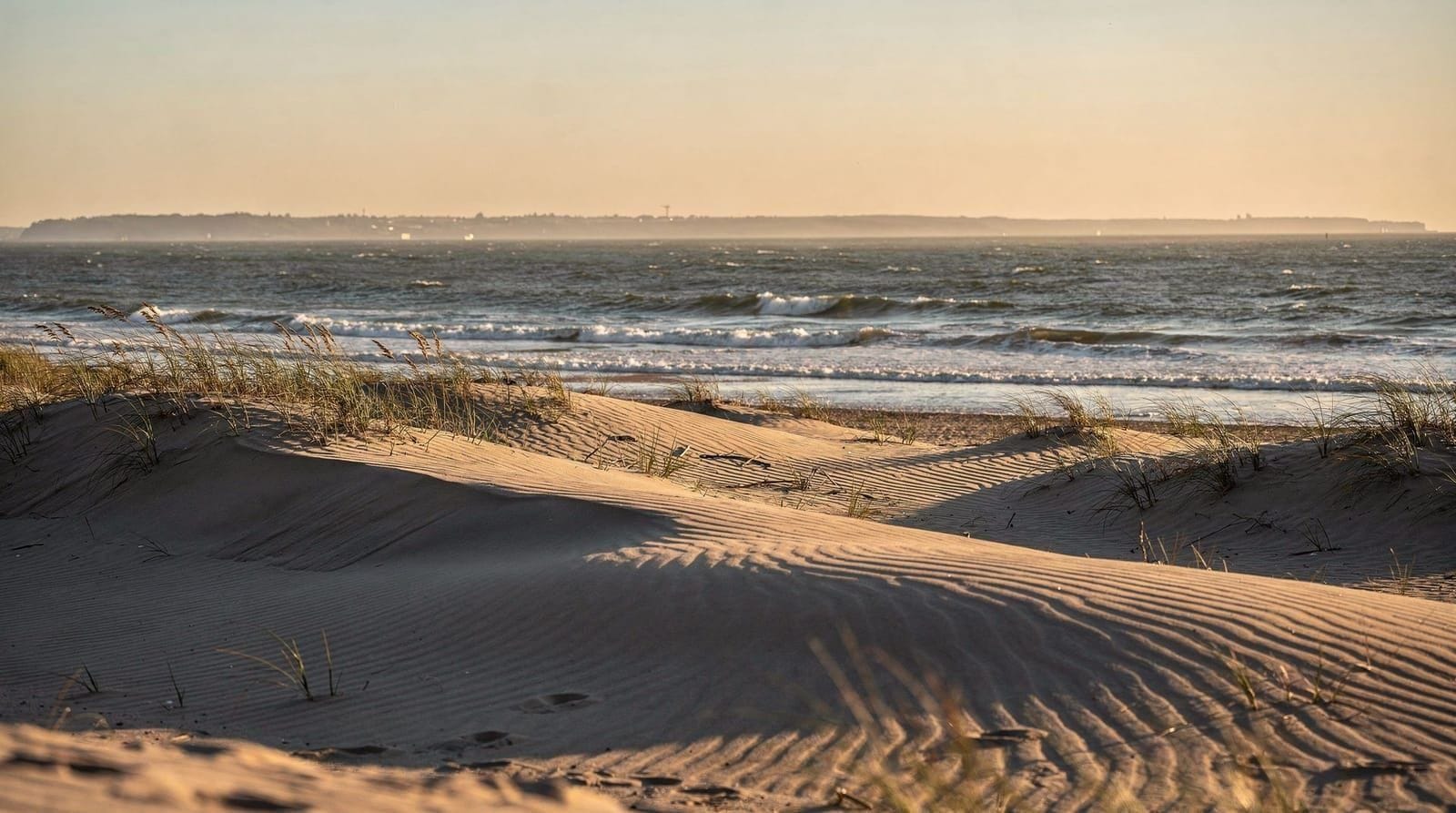
Sandbanks Provincial Park has three sand beaches and the largest baymouth dune formation in the world, with dunes reaching 25 meters. Outlet Beach and Sandbanks Beach both have shallow, warm water that makes them popular with families, while Dunes Beach is quieter and better for a longer walk. In July and August, the park can fill to capacity by mid-morning on weekends — arriving before 10am or visiting on a weekday avoids the turn-away risk.
The pairing of wine country and beach town is genuinely unusual in Ontario, and it’s the reason the county attracts a different crowd than Niagara: couples looking for a quiet weekend, and families who want a beach day that doesn’t require driving to Georgian Bay.
Cycling the county roads
Because the county is flat and its road network is dense with wineries, cideries, and farm stands, cycling has become one of the more popular ways to see it without renting a car for every stop. Bike rentals are available in Picton and Wellington, and a loop through the Bloomfield–Wellington wine cluster is manageable in a half-day for a moderately fit rider. Traffic on county roads is light outside of festival weekends, but shoulders are narrow in places, so caution matters on the busier stretches near Highway 33.
Wellington and the county’s other towns
Wellington, 15 minutes west of Picton on the lake, has its own cluster of wineries and a small but well-regarded restaurant scene, including Drake Devonshire, a boutique hotel and restaurant that put the county on Toronto’s radar over a decade ago. Bloomfield, between Picton and Wellington, is the smallest of the three and has a concentration of galleries and antique shops rather than restaurants.
Consecon and Milford round out the smaller hamlets, mostly useful as landmarks for wineries rather than destinations themselves.
What to eat
Beyond the fine-dining rooms, the county has a strong casual food scene worth building a day around: farm stands selling sweet corn and heirloom tomatoes in late summer, the Slate Farm cidery for something lighter than wine, and County Cider Company’s orchard restaurant, which pairs cider flights with a view over the apple trees. Cheese lovers should look for Fifth Town Artisan Cheese, a goat and sheep cheese producer near Picton that offers tastings.
When to visit
Late June through September is peak season, with warm lake water, full winery hours, and the county’s farmers’ markets running weekly. September is arguably the best month: harvest activity picks up at the wineries, beach crowds thin, and daytime temperatures stay comfortable into the low 20s Celsius. Winter closes most wineries to appointment-only visits and shutters Sandbanks’ beach facilities (though the park stays open for winter walks), so this is fundamentally a warm-weather destination.
| Season | Wine touring | Sandbanks | Crowds |
|---|---|---|---|
| Late Jun–Aug | Full tasting-room hours | Beaches busy, fills by mid-morning weekends | Heaviest |
| September | Harvest activity picks up | Warm water, thinner crowds | Best balance |
| Oct | Fall colour, some wineries reduce hours | Closed for swimming, open for walks | Light |
| Nov–May | Appointment-only at most producers | Beach facilities closed | Quietest |
Choosing Prince Edward County over Niagara
Travelers deciding between Ontario’s two wine regions should weigh pace as much as wine style: the county rewards a slower, farm-focused two days, while Niagara Wine Country suits a tighter one-day loop with more variety per stop. Our Niagara versus Prince Edward County wine guide walks through the tradeoffs in more depth, and if beaches matter as much as wine, the county wins outright — Niagara has nothing equivalent to Sandbanks.
Practical notes
Accommodation in the county leans toward boutique inns and B&Bs rather than chain hotels — book at least a month ahead for July and August weekends, since supply is limited relative to demand. Expect $150–350 CAD/night for a decent room in peak season. There’s no significant public transit within the county, so factor a rental car into your budget even if you arrive by train to Belleville. Cell coverage is patchy on some of the rural roads, so download offline maps before setting out for a day of winery-hopping.
Frequently asked questions about Prince Edward County
Is Prince Edward County better than Niagara for wine tasting?
They’re different rather than strictly better or worse. Niagara has more wineries, bigger production, and more variety of styles; the county is smaller-scale, more appointment-based, and known specifically for cool-climate Chardonnay and Pinot Noir. Visitors who want a quieter, farm-driven experience tend to prefer the county; those who want volume and variety in one afternoon tend to prefer Niagara.
Do I need a car in Prince Edward County?
Yes, in almost all cases. There’s no meaningful public transit connecting the wineries, beaches, and towns, and VIA Rail only reaches as far as Belleville, 25 minutes away. A rental car or a guided tour from Toronto is the practical option for most visitors.
How many wineries can I realistically visit in a day?
Four to six tastings is a comfortable, unrushed pace for a single day, allowing time to also stop for lunch. Trying to fit in more than that tends to turn the day into a driving exercise rather than a tasting one.
Is Sandbanks Provincial Park worth visiting outside of summer?
The beaches themselves are a summer draw, but the dune trails and birdwatching (it’s a notable migratory stopover) are worthwhile in spring and fall when the park is far less crowded and free of the peak-season capacity limits.
How does Prince Edward County compare to Thousand Islands as a weekend trip?
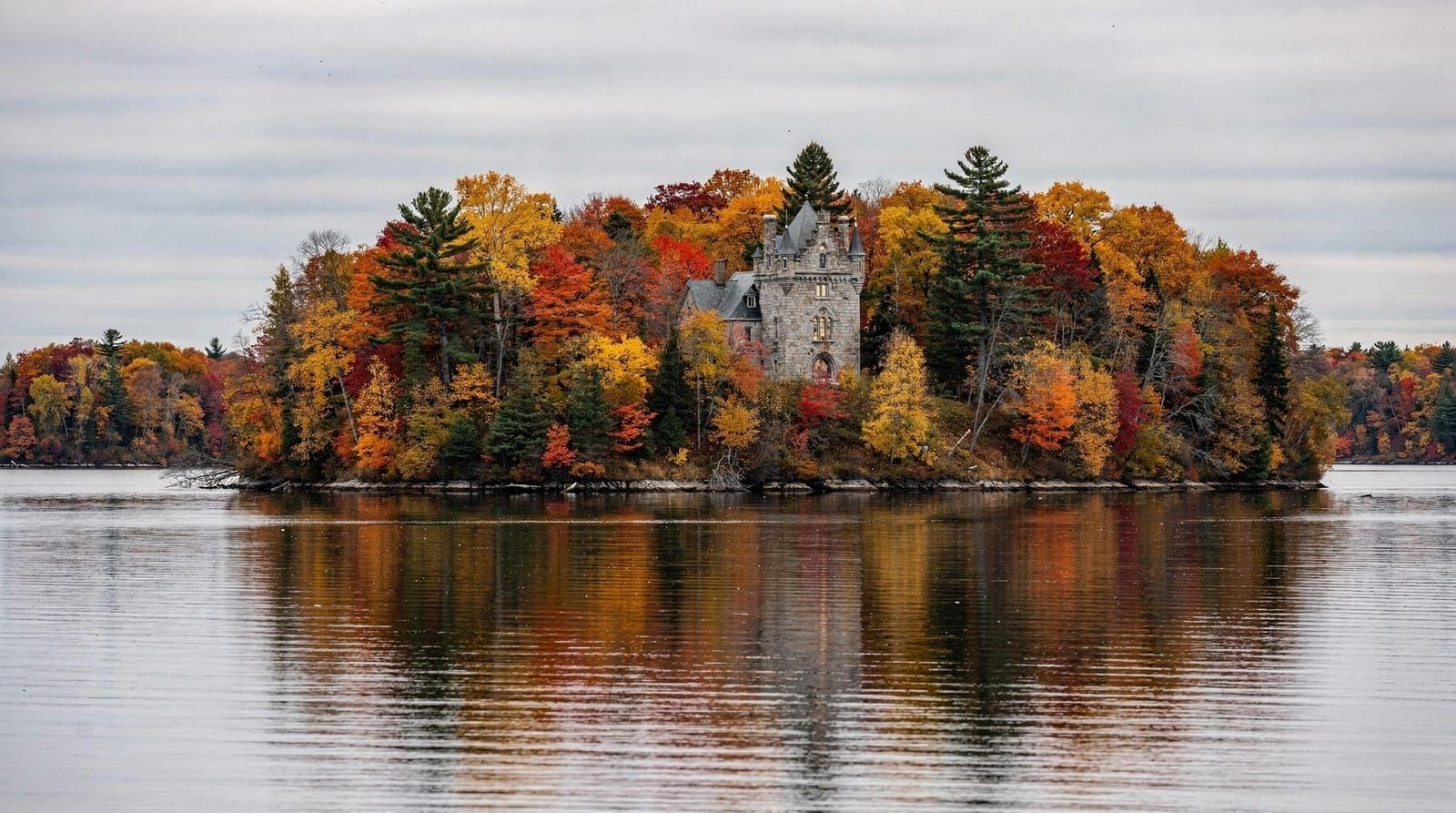
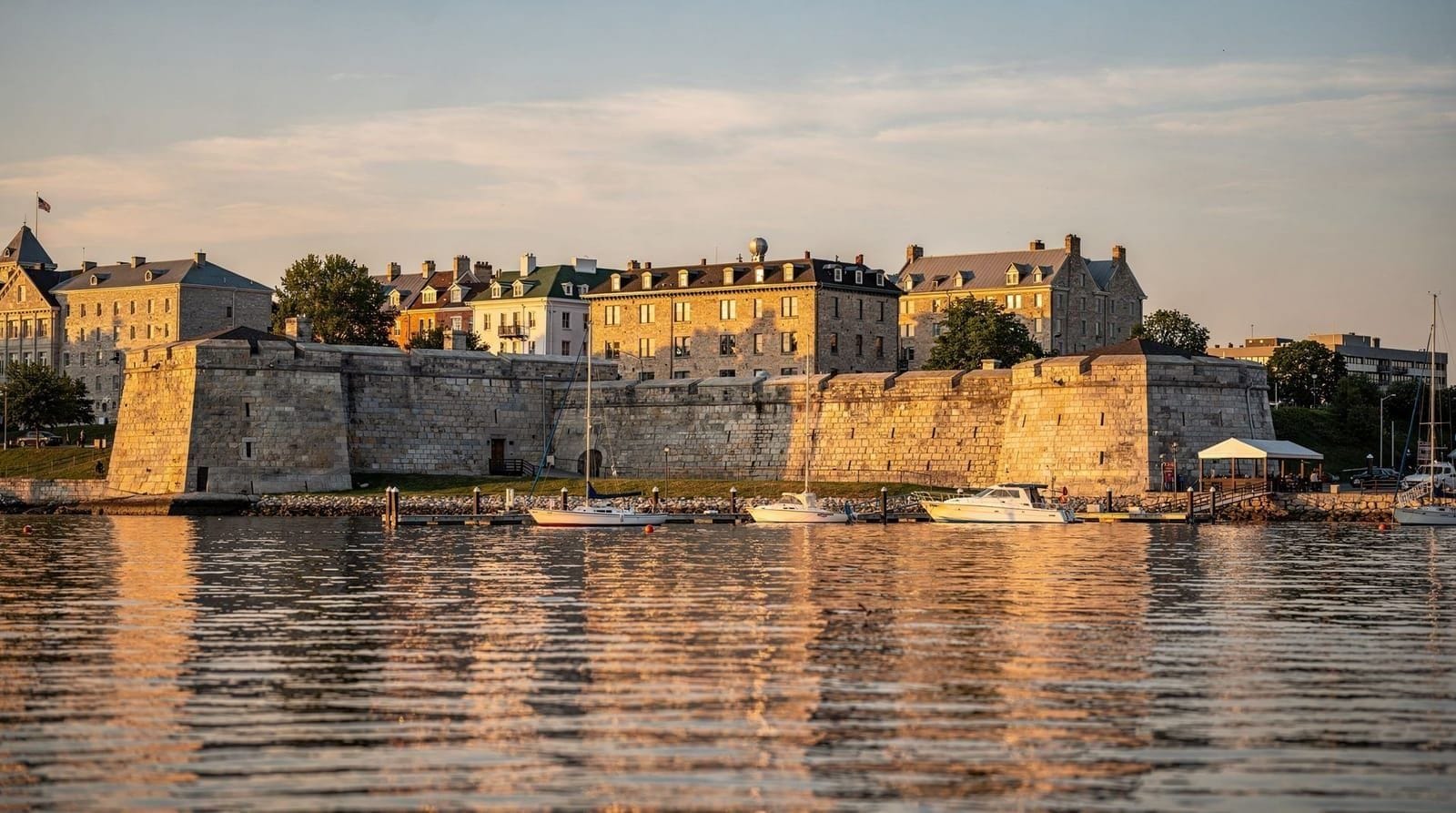
Prince Edward County is built around wine and beaches, with a slower, food-focused pace; Thousand Islands is built around the St. Lawrence River, boat cruises, and historic forts. Both are roughly 2.5–3 hours from Toronto, and pairing them into one longer road trip is common since they’re only about an hour apart via Kingston.
What’s the best time to book a winery tour?
Weekday tastings rarely require reservations outside of major producers, but weekend visits from June through September should be booked at least a few days ahead, especially for wineries with restaurant service attached.
Top experiences
Bookable activities with verified prices and instant confirmation on GetYourGuide.